Behavior
What are quick tips for managing German Shepherd hip dysplasia?
Keep your German Shepherd at a healthy weight, provide joint supplements, and ensure they get regular, gentle exercise. Consult your vet for personalized advice.

Quick answer
What are quick tips for managing German Shepherd hip dysplasia?
Keep your German Shepherd at a healthy weight, provide joint supplements, and ensure they get regular, gentle exercise. Consult your vet for personalized advice.
German Shepherd hip dysplasia is a serious health concern that affects many dogs. It involves malformed hip joints, leading to arthritis and mobility issues.
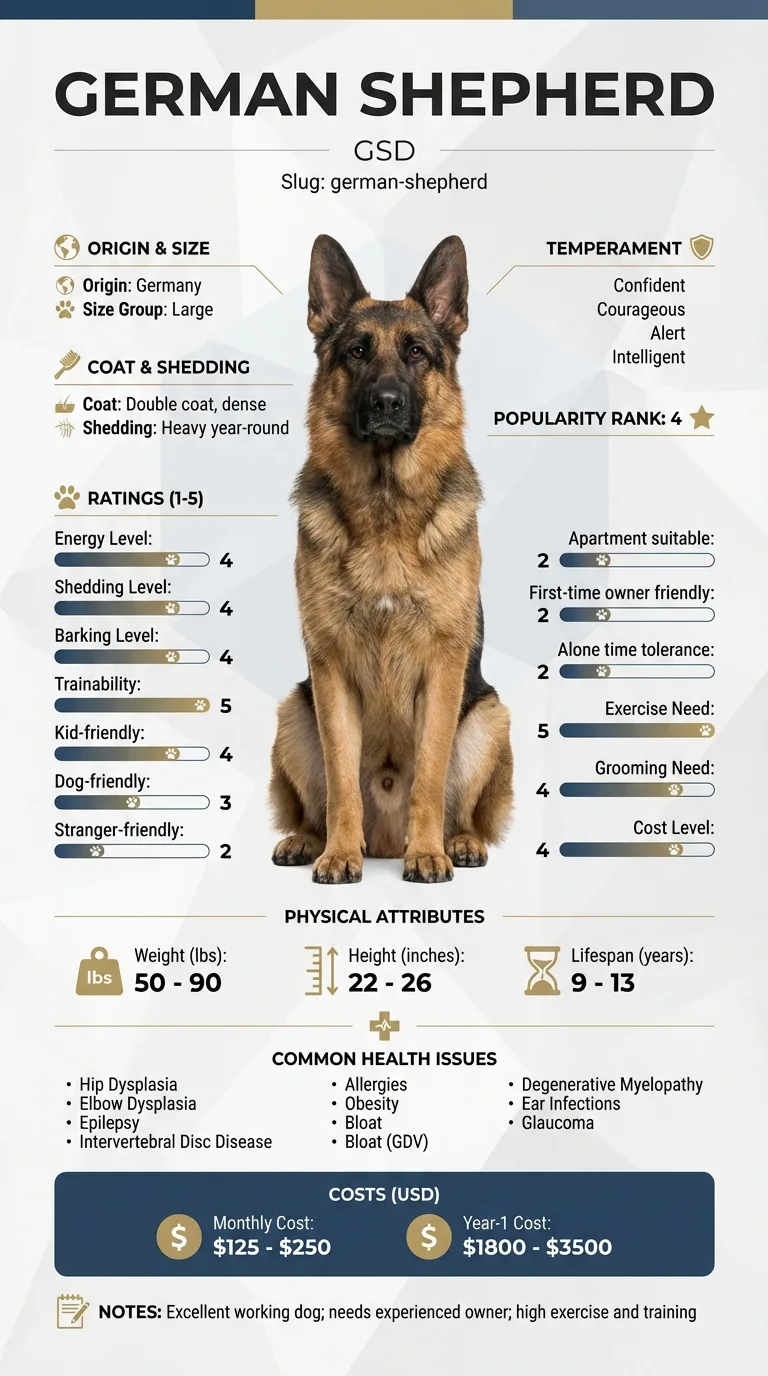
Owners of German Shepherds often face challenges with this condition, especially those who may not be familiar with the breed's health concerns. First-time dog owners or busy families may find it particularly difficult to navigate treatment options and preventive measures.
This guide is not medical advice. If your dog shows pain, sudden behavior change, or worsening symptoms, consult a licensed veterinarian.
Some links may be affiliate links. We may earn a commission at no extra cost to you. We only suggest products we believe are helpful for dog owners.
We research and check what we publish, but we do not warrant that any figure, date, price, or statement is accurate, complete, or current, and we accept no liability for any loss, cost, injury, or other harm arising from the use of this site. Use it as one reference among several. You remain responsible for your own decisions and for your dog's care - confirm anything that matters with a licensed veterinarian or another qualified professional before you act on it. Full disclaimer.
Check this first
Knowing when German Shepherd hip dysplasia is an emergency can save your dog from severe pain. There are clear signs that indicate you should call your vet immediately. These include sudden inability to walk, severe limping, or noticeable swelling around the hip area.
If your dog is yelping in pain or refuses to put weight on a leg, these are strong red flags.
If any of these apply, call your vet or an emergency clinic now. The rest of this page is for the cases that are not an emergency.
German Shepherd hip dysplasia is a common issue affecting this breed, characterized by malformed hip joints that can lead to arthritis and mobility challenges. Day-to-day, you might notice your GSD struggling to get up, limping after exercise, or being reluctant to play. These signs can be subtle at first, but over time, they can significantly impact your dog's quality of life.
Hip dysplasia is quite common in German Shepherds, with studies suggesting that up to 20% of these dogs may be affected. This makes it essential for owners to be aware of the signs and seek preventative measures or treatment options early.
German Shepherds are prone to hip dysplasia due to their large size and genetic makeup. This breed often inherits this condition from their parents. Factors like rapid growth during puppyhood can also contribute to the development of hip dysplasia.
Environmental factors such as obesity, lack of exercise, and improper nutrition can worsen hip dysplasia. If a German Shepherd doesn't get enough physical activity, the joints can suffer more damage. Additionally, slippery floors or rough outdoor terrain can increase the risk of injury.
If you notice persistent limping, difficulty getting up, or reluctance to walk, schedule a vet appointment. They can assess your dog’s condition and suggest treatment options, such as medication or physical therapy.
Avoiding common mistakes can help manage your German Shepherd's hip dysplasia more effectively. Here are some behaviors to steer clear of.
Start here: German Shepherd Most Common Genetic Disorders: Screening
See all German Shepherd health problems, which breeds are prone to hip dysplasia, or the full German Shepherd breed guide for temperament, exercise needs and ownership costs.
Managing German Shepherd hip dysplasia is an ongoing process. Expect to see some improvement within a few weeks of starting a treatment plan, but full management may take several months.
Success means your German Shepherd will experience reduced pain and improved mobility. Your dog should be more active and comfortable during daily activities.
For mild cases of German Shepherd hip dysplasia, you can monitor your dog closely at home. Look out for occasional limping after exercise or reluctance to jump. If your dog seems to be in a little discomfort but is still active and eating well, it may be safe to watch and wait.
However, keep a log of your dog's behavior and any changes you observe to discuss with your vet on your next visit.

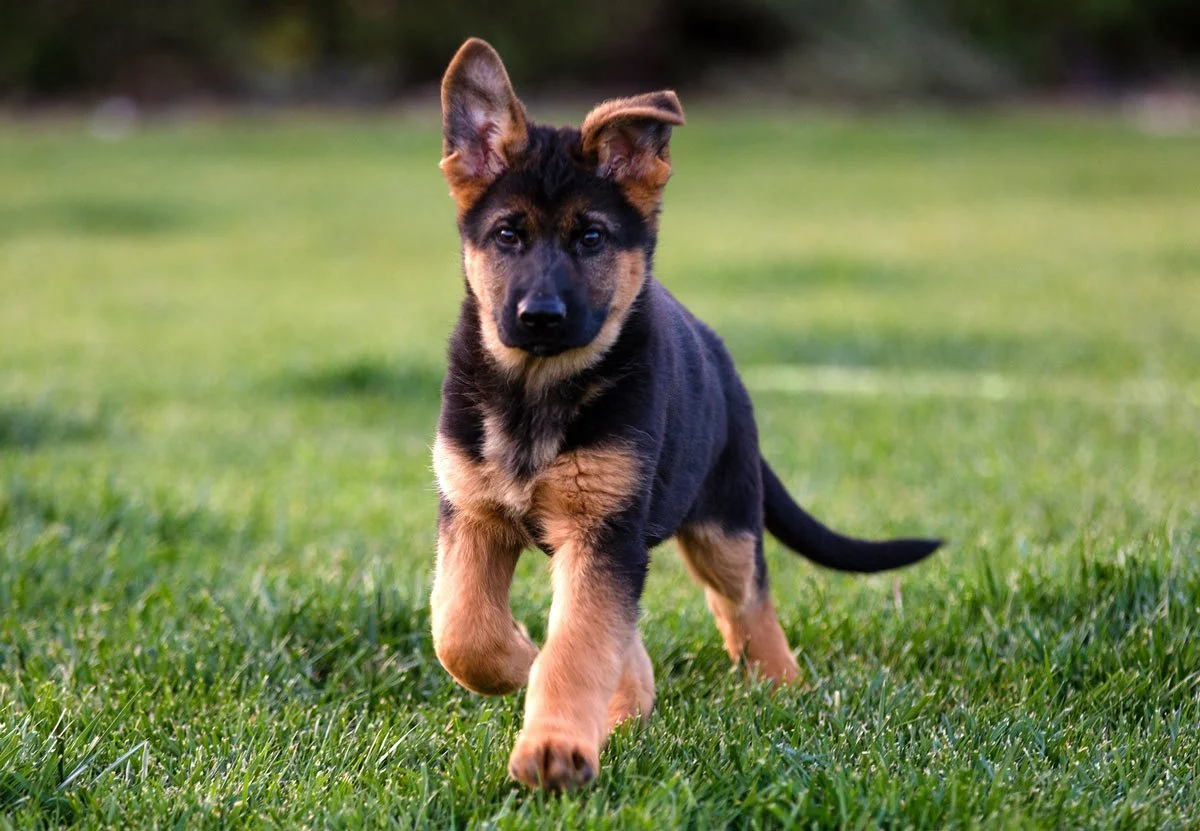

When Sarah adopted Max, a spirited German Shepherd, she was excited for their adventures together. But after a few weeks, she noticed Max limping after playtime. A vet diagnosed him with hip dysplasia. Determined to help her dog, Sarah committed to a strict routine of joint supplements, gentle exercises, and physical therapy. Over several months, Max's condition improved. He could run and play without discomfort, bringing joy back to their lives.
Key takeaway: Early diagnosis and a consistent management plan can significantly improve your German Shepherd's quality of life.
Signs of hip dysplasia in your German Shepherd may include difficulty standing up, limping, or a reluctance to jump or run. You might also notice a swaying or bunny-hopping gait as they move. If you see these symptoms, it's best to consult your vet for a thorough evaluation.
While you can't completely prevent hip dysplasia, you can take steps to minimize its impact. Ensure your German Shepherd maintains a healthy weight, gets regular exercise, and receives a balanced diet. Consult your vet for specific training and management strategies.
Common signs of hip dysplasia in German Shepherds include limping, reluctance to run or jump, and difficulty rising from a lying position. Look for changes in behavior, like decreased activity or signs of pain when moving. If you notice these symptoms, see your vet.
Treatment options for German Shepherd hip dysplasia include weight management, physical therapy, and medications for pain relief. In severe cases, surgical options like hip replacement may be necessary. Your vet can help you create a tailored treatment plan.
Yes, proper training can help manage the symptoms of hip dysplasia. Focus on low-impact exercises and avoid activities that strain the joints. Training can also include learning commands that promote safe movement.
Yes, hip dysplasia can develop or worsen as your German Shepherd ages, especially if they were genetically predisposed to the condition. Older dogs may show more noticeable symptoms as joint health deteriorates over time. Regular vet check-ups are important to monitor their joint health.
Yes, hip dysplasia is a hereditary condition that can be passed down from the parents to their puppies. Responsible breeders typically screen for hip dysplasia to reduce its occurrence in their litters. If you're considering getting a German Shepherd, ask about the health history of the parents.
To help your German Shepherd with hip dysplasia, maintain a healthy weight and provide low-impact exercises, like swimming or short walks. Additionally, consider joint supplements and consult your vet for a tailored treatment plan that may include medication or physical therapy.
You should see a vet if you notice any signs of discomfort, difficulty moving, or changes in their activity level. Early intervention can help manage the condition better and improve your dog's quality of life. Regular vet visits are essential for monitoring their joint health.
Keep your German Shepherd at a healthy weight, provide joint supplements, and ensure they get regular, gentle exercise. Consult your vet for personalized advice.
Engage in low-impact activities like swimming or walking on flat surfaces. Avoid high-impact exercises like jumping or running on hard ground.
Choose a high-quality diet that promotes healthy growth and weight management. Consult your vet for specific recommendations tailored to your dog's needs.
Not always, but surgery might be required in severe cases. Discuss all treatment options with your vet to determine the best course of action.
A one-page prep sheet for this condition: the signs, the questions to ask, what to get priced. Unlocks here.
You get: Vet visit prep sheet
No spam. One-click unsubscribe. See our privacy policy.
See a sample page before you decide.
Early access list
The free prep sheet covers the same-day warning signs, a symptom log and the questions to ask. We are considering a fuller kit that adds a cost worksheet for the usual tests and treatments (US price ranges with their sources) and a plain-English guide to ways of covering the bill. It is not built yet; this list tells us whether it is worth building.
One email, no spam, unsubscribe anytime. Information only, not veterinary advice.