Health
What are quick tips for German Shepherd heart problems?
Ensure a balanced diet, regular vet check-ups, and consistent exercise to help manage German Shepherd heart problems.

Quick answer
What are quick tips for German Shepherd heart problems?
Ensure a balanced diet, regular vet check-ups, and consistent exercise to help manage German Shepherd heart problems.
German Shepherd heart problems can be serious and require attention. Understanding these issues is key to keeping your dog healthy.
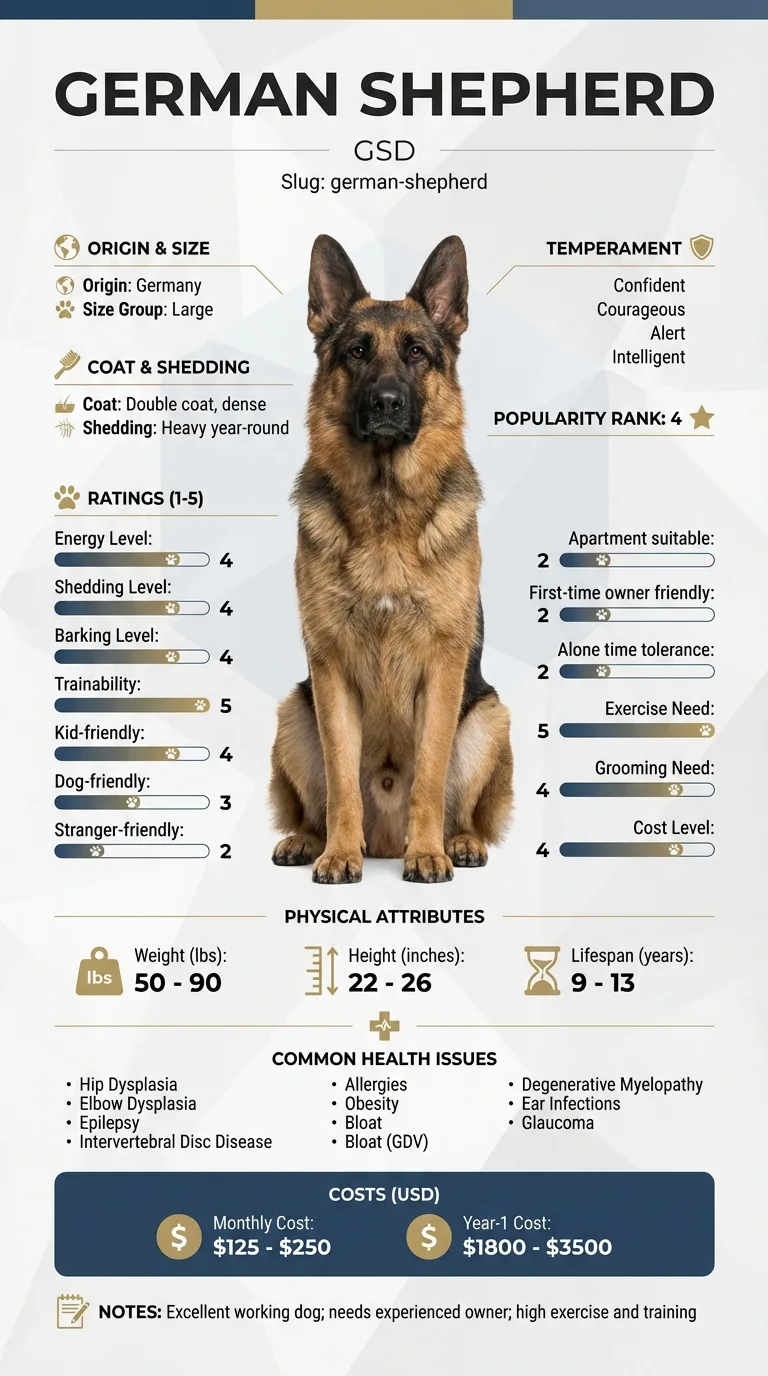
Owners of German Shepherds, particularly those who may not be familiar with breed-specific health issues, often struggle with these heart problems. Busy families or first-time dog owners may find it challenging to identify symptoms and seek proper care.
This guide is not medical advice. If your dog shows pain, sudden behavior change, or worsening symptoms, consult a licensed veterinarian.
Some links may be affiliate links. We may earn a commission at no extra cost to you. We only suggest products we believe are helpful for dog owners.
We research and check what we publish, but we do not warrant that any figure, date, price, or statement is accurate, complete, or current, and we accept no liability for any loss, cost, injury, or other harm arising from the use of this site. Use it as one reference among several. You remain responsible for your own decisions and for your dog's care - confirm anything that matters with a licensed veterinarian or another qualified professional before you act on it. Full disclaimer.
Check this first
Recognizing when German Shepherd heart problems are an emergency is crucial for your dog's health. If you notice any severe symptoms, it's time to call your vet immediately. Red-flag signs include extreme lethargy, difficulty breathing, or persistent coughing.
These could indicate serious issues like cardiomyopathy or significant heart failure.
On the other hand, if your German Shepherd shows mild symptoms like occasional coughing or slight fatigue after exercise, you may be able to monitor the situation. It’s best to keep an eye on these signs while maintaining a plan for regular vet check-ups. Assessing changes in your dog's energy levels or behavior can provide insight into their condition, but don't hesitate to seek help if things worsen.
Here’s a quick breakdown: - Emergency Symptoms: Severe lethargy, difficulty breathing, persistent coughing. - Mild Symptoms: Occasional coughing, minor fatigue after exercise, slight changes in appetite.
If you’re unsure, it's always better to err on the side of caution. Calling your vet can provide peace of mind and ensure your dog gets the care they need.
If any of these apply, call your vet or an emergency clinic now. The rest of this page is for the cases that are not an emergency.
German Shepherd heart problems can manifest as lethargy, coughing, or difficulty breathing. These signs may indicate serious conditions like subvalvular aortic stenosis or cardiomyopathy. Owners often notice these issues when their dog struggles with regular activities, such as playing or walking.
Heart problems are relatively common in German Shepherds, particularly as they age. It's essential for owners to monitor their pet's health closely and consult a vet if any symptoms arise.
German Shepherds are prone to specific heart issues like subvalvular aortic stenosis and cardiomyopathy due to their genetics. These conditions can lead to heart murmurs and weakened heart function over time. The breed's size and build can also contribute to these problems.
Environmental factors can worsen heart problems in German Shepherds. Stressful situations, lack of exercise, and poor diet can all negatively impact their heart health. Additionally, obesity from inactivity can further strain their hearts.
Consult your vet if you notice any symptoms like coughing, lethargy, or difficulty breathing. Regular check-ups are essential, especially as your dog ages, to monitor heart health and catch any issues early.
Avoiding these common mistakes can help manage your German Shepherd's heart problems effectively.
Start here: German Shepherd Most Common Genetic Disorders: Screening
See all German Shepherd health problems, which breeds are prone to heart problems, or the full German Shepherd breed guide for temperament, exercise needs and ownership costs.
For German Shepherd heart problems, you may notice some improvement in a few weeks, but significant changes could take 2 to 6 months with consistent care and management.
Success means your German Shepherd has better energy levels, a healthier weight, and shows fewer symptoms like coughing or lethargy. Regular vet check-ups will help monitor their heart health.
Sarah, a teacher in her 30s, adopted Max, a German Shepherd, who started showing signs of lethargy and occasional coughing. After a vet visit, she learned Max had early heart problems. Determined to help him, Sarah adjusted his diet, increased his exercise gradually, and followed a training plan focused on low-impact activities. With time and dedication, Max’s energy returned, and he became more playful and engaged, allowing Sarah to enjoy many happy moments with him.
Key takeaway: Patience and consistent care can lead to significant improvements in a German Shepherd's heart health. Regular vet visits, exercise modifications, and a healthy diet are key.
German Shepherd heart problems can stem from genetic factors, such as inherited conditions like subvalvular aortic stenosis and cardiomyopathy. Environmental factors, poor diet, and lack of exercise can also contribute to heart issues. Regular veterinary check-ups are essential to catch any potential problems early.
To prevent German Shepherd heart problems, maintain a healthy diet and ensure regular exercise. Keep your dog at a healthy weight and schedule annual vet visits for routine heart health checks. Early detection is key, so watch for signs of lethargy or difficulty breathing.
Common signs of heart problems in German Shepherds include coughing, difficulty breathing, lethargy, and a decreased tolerance for exercise. If you notice any of these symptoms, it's essential to consult your veterinarian for a thorough check-up.
Treatments for German Shepherd heart problems may include medication to manage symptoms or surgery for severe cases. Your vet will assess the condition and recommend the best course of action. Regular monitoring is crucial for effective management.
Training can help your German Shepherd maintain a healthy lifestyle, which is beneficial for heart health. Encourage gentle exercises and mental stimulation without overexerting your dog. Always check with your vet before starting any new training regimen.
Yes, older German Shepherds are more susceptible to heart problems due to age-related changes. Regular vet check-ups become increasingly important as your dog ages to catch any potential issues early.
Managing heart problems at home involves providing a balanced diet, ensuring regular but gentle exercise, and keeping stress levels low. It's also vital to follow your vet's recommendations regarding medications and check-ups.
Yes, while German Shepherds can experience heart problems, other breeds like Doberman Pinschers and Boxers are also prone to specific heart conditions. Understanding breed predispositions can help in early detection and prevention.
If your German Shepherd is diagnosed with a heart problem, follow your vet’s treatment plan closely. This may include medication, dietary changes, and regular monitoring to help manage the condition effectively.
Ensure a balanced diet, regular vet check-ups, and consistent exercise to help manage German Shepherd heart problems.
For heart health, take your German Shepherd to the vet at least once a year for a check-up, or more frequently if they show symptoms.
If your German Shepherd is overweight, consult your vet for a weight management plan that includes diet changes and exercise.
Look for dog foods formulated for heart health, which often include omega fatty acids and antioxidants. Always discuss dietary changes with your vet.
A one-page prep sheet for this condition: the signs, the questions to ask, what to get priced. Unlocks here.
You get: Vet visit prep sheet
No spam. One-click unsubscribe. See our privacy policy.
See a sample page before you decide.
Early access list
The free prep sheet covers the same-day warning signs, a symptom log and the questions to ask. We are considering a fuller kit that adds a cost worksheet for the usual tests and treatments (US price ranges with their sources) and a plain-English guide to ways of covering the bill. It is not built yet; this list tells us whether it is worth building.
One email, no spam, unsubscribe anytime. Information only, not veterinary advice.