Health
What is an elongated soft palate?
An elongated soft palate is a condition causing airway obstruction, often seen in German Shepherds. It can lead to breathing difficulties and should be monitored closely.

Quick answer
What is an elongated soft palate?
An elongated soft palate is a condition causing airway obstruction, often seen in German Shepherds. It can lead to breathing difficulties and should be monitored closely.
German Shepherd elongated soft palate can cause serious breathing issues in your dog. This condition leads to airway obstruction, making it hard for them to breathe comfortably.
Typically, owners of German Shepherds face this issue. You might notice your dog experiencing labored breathing, especially during exercise or excitement, which can be concerning.
This guide is not medical advice. If your dog shows pain, sudden behavior change, or worsening symptoms, consult a licensed veterinarian.
Some links may be affiliate links. We may earn a commission at no extra cost to you. We only suggest products we believe are helpful for dog owners.
We research and check what we publish, but we do not warrant that any figure, date, price, or statement is accurate, complete, or current, and we accept no liability for any loss, cost, injury, or other harm arising from the use of this site. Use it as one reference among several. You remain responsible for your own decisions and for your dog's care - confirm anything that matters with a licensed veterinarian or another qualified professional before you act on it. Full disclaimer.
Check this first
Understanding when your German Shepherd's elongated soft palate is an emergency is crucial. This condition can lead to serious breathing issues, so knowing the signs to watch for can save your dog's life. If your dog is showing any of the following red-flag symptoms, it’s time to call your vet immediately.
If any of these apply, call your vet or an emergency clinic now. The rest of this page is for the cases that are not an emergency.
German Shepherd elongated soft palate is a common issue that affects their ability to breathe properly. This condition occurs when the soft palate is longer than normal, leading to airway obstruction. You might notice your German Shepherd having difficulty breathing, especially during exercise or hot weather, which can be distressing for both the dog and the owner.
This problem is relatively common in German Shepherds due to their physical structure. Many GSDs experience some level of elongated soft palate, particularly in more severe cases. It's important to be aware of this issue as it can significantly impact their quality of life.
German Shepherds are prone to elongated soft palates due to their physical structure. Their large size and facial conformation can lead to this condition, which causes airway obstruction. This is particularly common in breeds with shorter muzzles, but it can still affect GSDs.
Environmental factors like obesity and lack of exercise can worsen the symptoms of an elongated soft palate. Overweight dogs may struggle more with breathing issues, and high-stress situations can exacerbate anxiety-related breathing problems. Additionally, exposure to heat can make breathing more challenging for affected dogs.
If you notice persistent breathing difficulties, coughing, or excessive panting, it's important to consult your vet. A veterinarian may recommend treatments, including surgery, if the condition is severe. Regular check-ups are also vital to monitor your dog's health.
Avoiding these common mistakes can help improve your German Shepherd's elongated soft palate condition.
Start here: German Shepherd Most Common Genetic Disorders: Screening
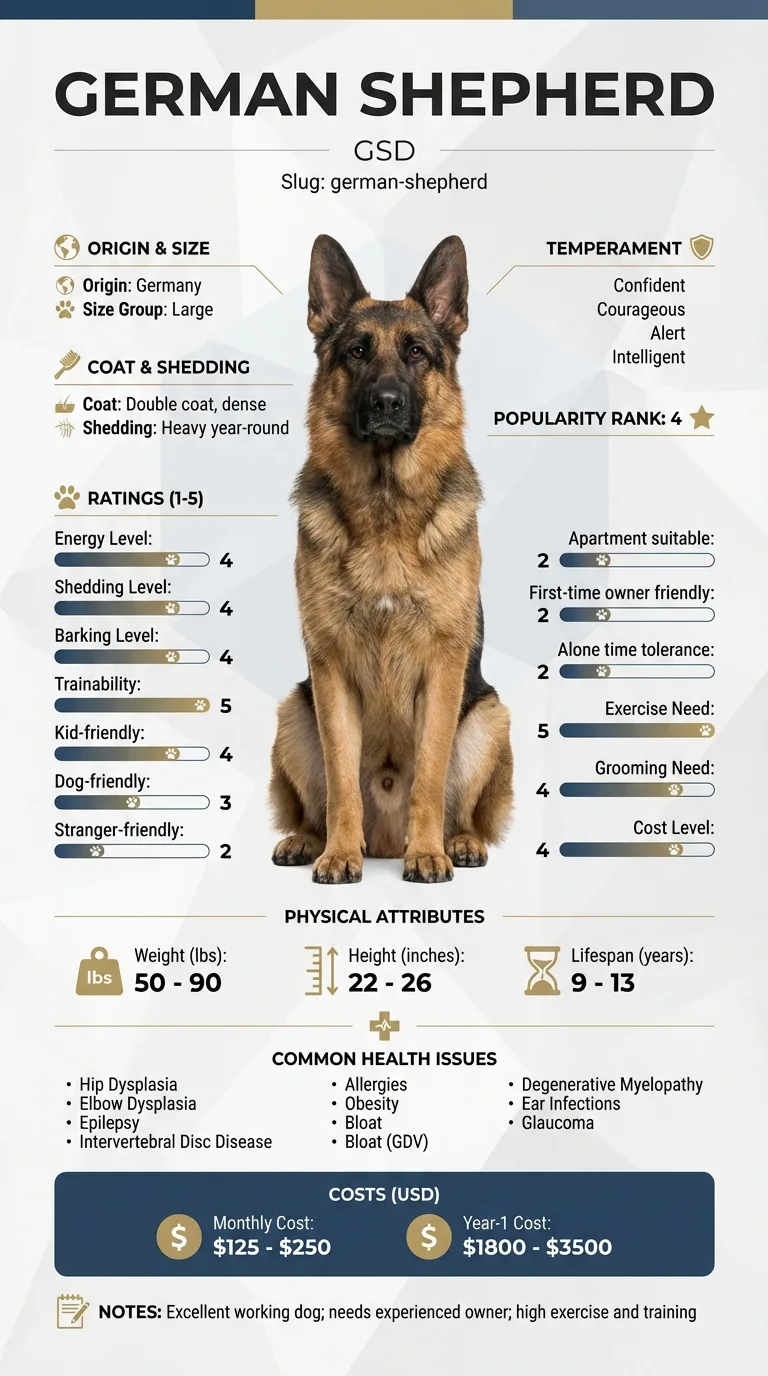
See all German Shepherd health problems, which breeds are prone to elongated soft palate, or the full German Shepherd breed guide for temperament, exercise needs and ownership costs.
You may see improvements within a few weeks to a few months with consistent care and management.
Success looks like a German Shepherd who can breathe more easily during exercise and shows reduced signs of distress when excited or stressed.
In some cases, your German Shepherd may show signs of an elongated soft palate but not display severe symptoms. If your dog is snorting, coughing occasionally, or seems slightly out of breath after exercise, these might be manageable without immediate vet intervention. However, you should monitor your dog closely and have a plan in place.
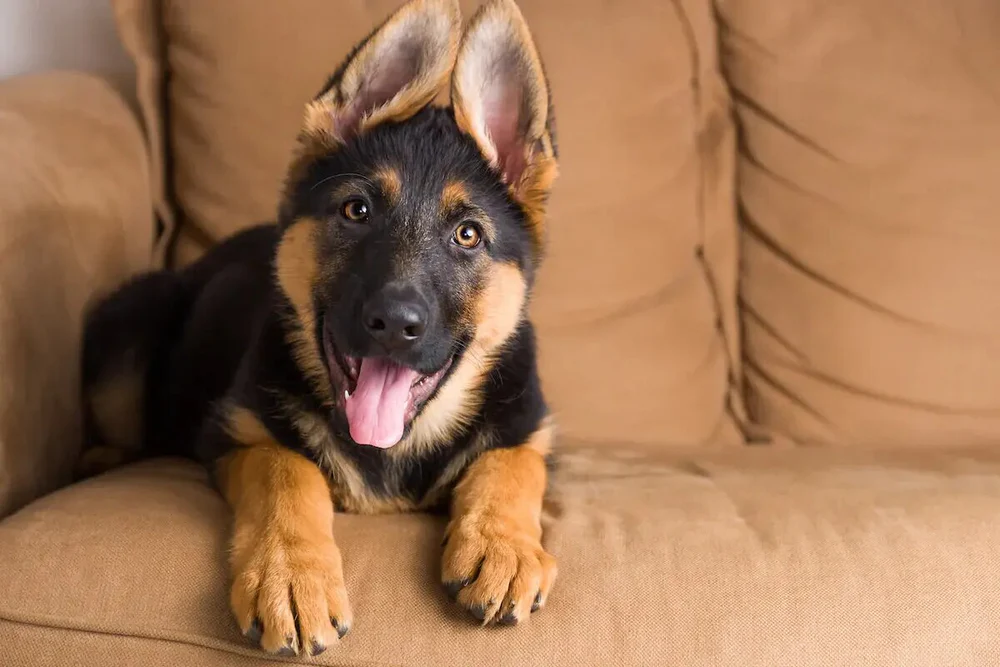


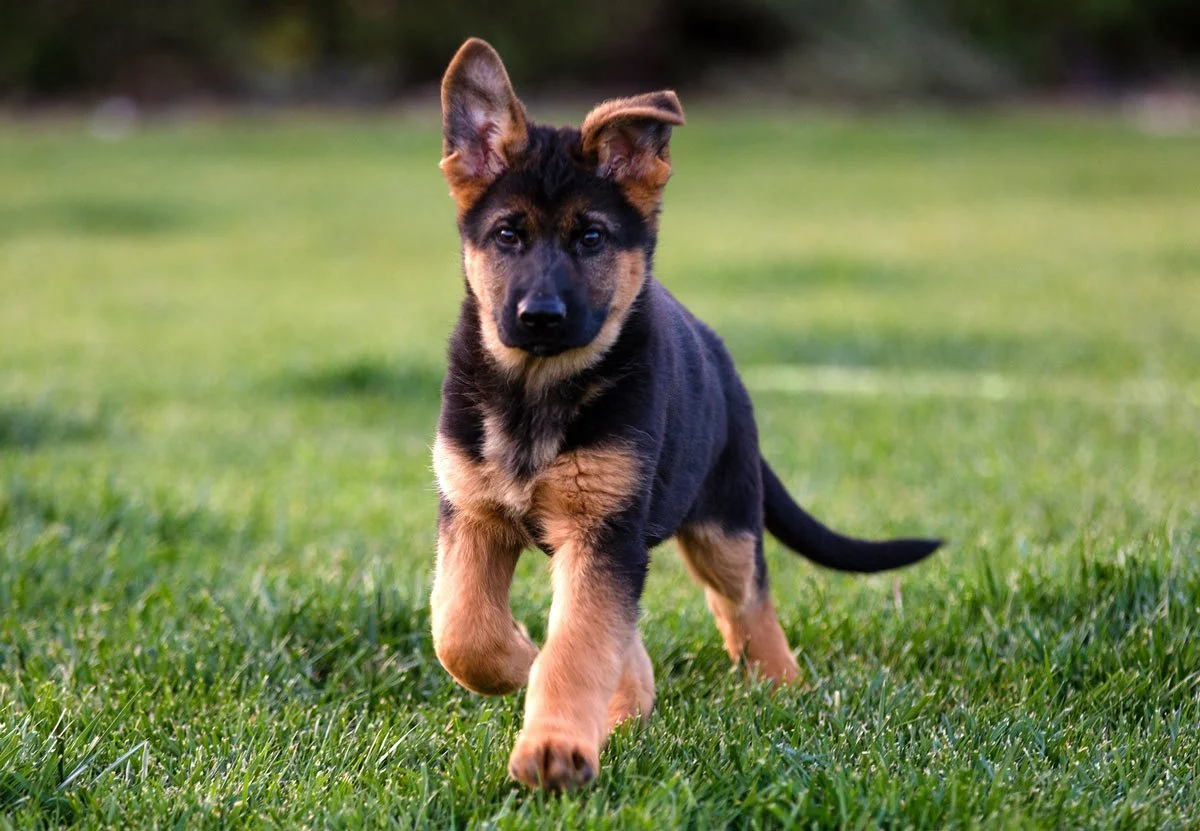
Sarah, a dog owner in Texas, noticed her German Shepherd, Max, struggled to breathe during playtime. After consulting with her vet, she learned that Max had an elongated soft palate, causing airway obstruction. Determined to help him, Sarah started a training program focused on calming techniques and controlled exercise. She also adjusted Max's diet to avoid triggers that exacerbated his condition. Slowly, Max became more comfortable during activities, and Sarah could see his energy levels improve without the panicked breathing.
Key takeaway: With patience and the right training, you can significantly improve your German Shepherd's quality of life if they have an elongated soft palate.
An elongated soft palate is a common issue in German Shepherds due to their facial structure. It can cause airway obstruction, leading to breathing difficulties. If you notice your dog having trouble breathing or excessive snoring, it's important to consult your vet. This answer relates to German Shepherd elongated soft palate.
To help your German Shepherd, focus on maintaining a healthy weight and avoid strenuous activities that worsen breathing. Regular vet check-ups can identify any concerns early. In severe cases, surgical options may be needed, so discuss these with your veterinarian.
Signs include noisy breathing, gagging, or coughing, especially during exercise. You might also notice your dog struggling to catch their breath or showing signs of distress. If you see these symptoms, schedule a vet appointment as soon as possible.
While training can improve overall behavior and reduce anxiety, it won't directly fix an elongated soft palate. However, training can help manage your dog's stress levels, which might ease breathing difficulties. Always consult your vet for tailored advice.
Not always. In mild cases, lifestyle changes and weight management might suffice. However, if your German Shepherd's breathing issues are severe, surgery might be recommended by your vet to correct the elongated soft palate.
To prevent issues, keep your dog at a healthy weight and avoid overheating during exercise. Regular vet check-ups are essential for monitoring your dog's health. You can also ensure they have a calm environment to reduce stress.
Yes, many German Shepherds can lead normal lives with proper management. Regular vet check-ups, maintaining a healthy weight, and avoiding extreme temperatures can help. However, severe cases may require surgical intervention.
Training may be affected due to breathing difficulties, especially during physical activities. It's important to take frequent breaks and monitor your dog's comfort during training sessions. Adjust your training pace according to their energy levels.
If your German Shepherd shows persistent breathing problems, such as wheezing or excessive panting, it's time to see a vet. Early diagnosis can help manage conditions like an elongated soft palate effectively.
While any German Shepherd can develop an elongated soft palate, younger dogs and those with pre-existing respiratory issues may be more at risk. Keep an eye on any signs of distress regardless of their age, and consult your vet if you're concerned.
An elongated soft palate is a condition causing airway obstruction, often seen in German Shepherds. It can lead to breathing difficulties and should be monitored closely.
While you can't stop the condition, maintaining a healthy weight and regular vet visits can help manage symptoms effectively.
To ease symptoms, avoid strenuous exercise, and ensure your dog is calm and relaxed. Regular vet check-ups are crucial.
While training won't fix the physical issue, teaching calm behaviors can help your dog manage anxiety during stressful situations.
A one-page prep sheet for this condition: the signs, the questions to ask, what to get priced. Unlocks here.
You get: Vet visit prep sheet
No spam. One-click unsubscribe. See our privacy policy.
See a sample page before you decide.
Early access list
The free prep sheet covers the same-day warning signs, a symptom log and the questions to ask. We are considering a fuller kit that adds a cost worksheet for the usual tests and treatments (US price ranges with their sources) and a plain-English guide to ways of covering the bill. It is not built yet; this list tells us whether it is worth building.
One email, no spam, unsubscribe anytime. Information only, not veterinary advice.