Behavior
What are quick tips for managing German Shepherd degenerative myelopathy (dm)?
Focus on gentle exercise, use supportive harnesses, and keep your dog at a healthy weight. Regular vet check-ups are essential for monitoring progress.

Quick answer
What are quick tips for managing German Shepherd degenerative myelopathy (dm)?
Focus on gentle exercise, use supportive harnesses, and keep your dog at a healthy weight. Regular vet check-ups are essential for monitoring progress.
German Shepherd degenerative myelopathy (DM) is a progressive spinal cord disease that affects mobility and quality of life.
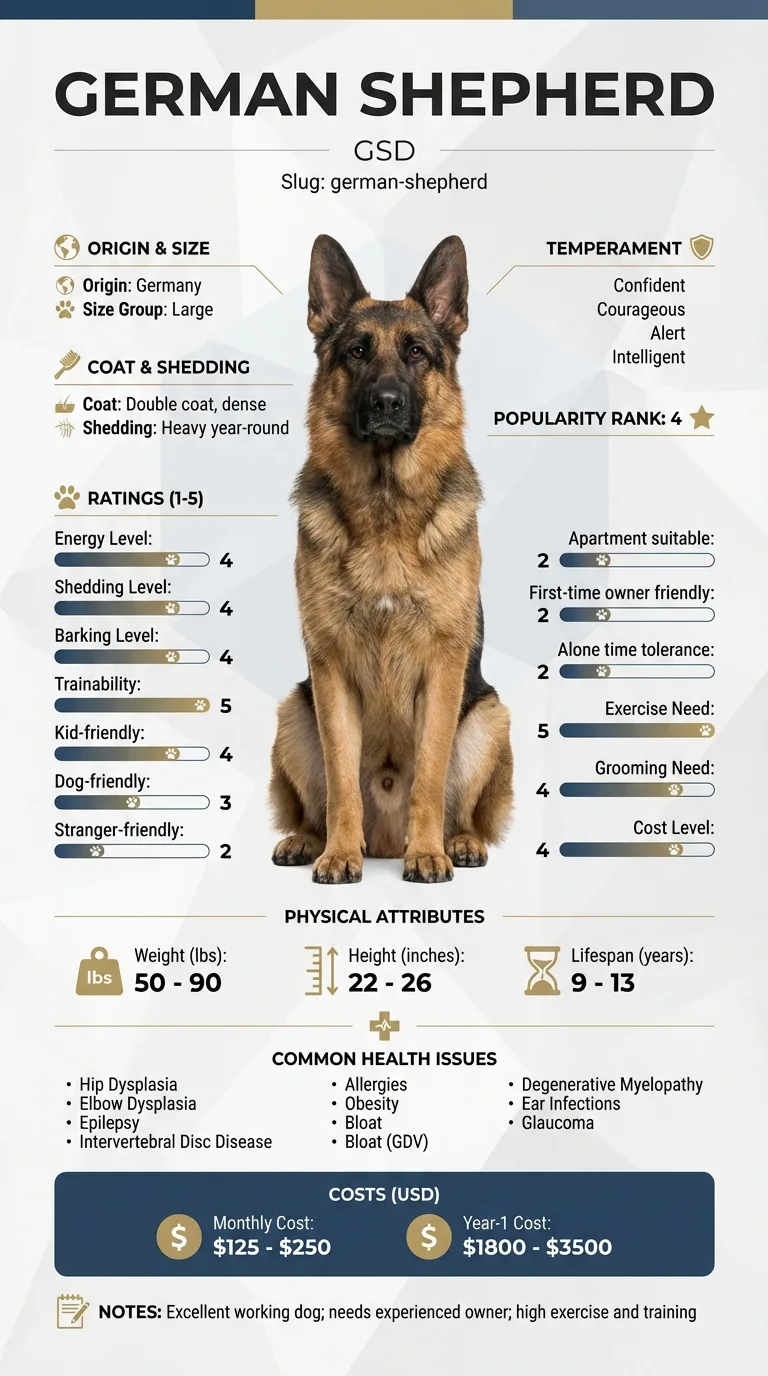
Owners of German Shepherds often face this issue, especially with older dogs. If your dog is showing signs of weakness in their hind legs or difficulty walking, you're not alone in this struggle.
This guide is not medical advice. If your dog shows pain, sudden behavior change, or worsening symptoms, consult a licensed veterinarian.
Some links may be affiliate links. We may earn a commission at no extra cost to you. We only suggest products we believe are helpful for dog owners.
We research and check what we publish, but we do not warrant that any figure, date, price, or statement is accurate, complete, or current, and we accept no liability for any loss, cost, injury, or other harm arising from the use of this site. Use it as one reference among several. You remain responsible for your own decisions and for your dog's care - confirm anything that matters with a licensed veterinarian or another qualified professional before you act on it. Full disclaimer.
Check this first
Call your vet right away if you notice any of these red-flag signs:
- Sudden inability to walk or stand - Severe pain or discomfort - Loss of bowel or bladder control - Difficulty breathing or rapid breathing - Extreme lethargy or unresponsiveness.
These symptoms indicate that your dog's condition may have worsened significantly, and prompt treatment is essential. On the other hand, if your German Shepherd shows mild signs of DM, such as slight weakness in the hind legs or difficulty getting up, you can monitor these symptoms at home.
Develop a plan that includes regular check-ins with your vet, gentle exercise, and a supportive environment. Keeping track of any changes in your dog's mobility or behavior can help you determine when to escalate your concerns. If symptoms worsen, reach out to your vet for guidance.
Being aware of these distinctions can ensure your German Shepherd receives the appropriate care at the right time.
If any of these apply, call your vet or an emergency clinic now. The rest of this page is for the cases that are not an emergency.
German Shepherd degenerative myelopathy (DM) is a progressive spinal cord disease that affects many dogs, especially as they age. Day-to-day, it appears as weakness in the hind legs, difficulty walking, and eventual loss of coordination. Owners often notice their German Shepherd struggling to stand or climb stairs, which can be distressing to witness.
This condition is notably common among German Shepherds, particularly those over the age of 8. Studies suggest that about 1 in 10 of these dogs may develop DM, making it a significant concern for owners and breeders alike.
German Shepherds are predisposed to degenerative myelopathy (DM) due to their genetics. This progressive spinal cord disease is particularly common in this breed, affecting their mobility and coordination. The hereditary nature of DM means that if your GSD has a family history of this condition, they may be more likely to develop it themselves.
Environmental factors can also play a role in the onset of DM. Lack of exercise can lead to obesity, which puts additional strain on the spine. Additionally, injuries or trauma to the back can contribute to the progression of this condition, especially if the dog is not receiving appropriate care.
Talk to your vet if you notice any signs of weakness or loss of coordination. They can perform tests to confirm a diagnosis and discuss management options for your GSD's degenerative myelopathy.
Managing German Shepherd degenerative myelopathy (DM) can be challenging. Owners often make mistakes that can worsen the condition or delay improvement. Here are some common pitfalls to avoid.
Start here: German Shepherd Most Common Genetic Disorders: Screening
See all German Shepherd health problems, which breeds are prone to degenerative myelopathy dm, or the full German Shepherd breed guide for temperament, exercise needs and ownership costs.
Managing German Shepherd degenerative myelopathy (DM) typically takes several months to years, depending on the dog's progression. Early intervention with physical therapy, specialized diets, and assistive devices can help maintain mobility and comfort.
Success looks like maintaining your dog's quality of life for as long as possible. This includes managing symptoms effectively, keeping your dog engaged, and adapting your home to support their changing needs.
Emily, a devoted German Shepherd owner, noticed her dog Max struggling to walk. After a vet diagnosed him with degenerative myelopathy (DM), she felt overwhelmed. With guidance, Emily began physical therapy sessions and adjusted Max's diet to include supplements. She got a harness to help him walk and set up a cozy area with non-slip mats to ease his movement at home. Over time, Emily learned to celebrate small victories, like Max enjoying short walks and playing with his favorite toys, despite his limitations.
Key takeaway: With the right support and adjustments, you can significantly improve the quality of life for a dog with degenerative myelopathy.
German Shepherd degenerative myelopathy (dm) is primarily a genetic condition. It affects the spinal cord and leads to progressive weakness and loss of coordination. Older dogs are more prone to this disease, and it can be influenced by inherited genes.
Signs of German Shepherd degenerative myelopathy (dm) include difficulty walking, dragging paws, and loss of balance. These symptoms often start subtly and worsen over time. Regular vet check-ups can help identify the condition early.
Unfortunately, there is no cure for German Shepherd degenerative myelopathy (dm). However, physical therapy and supportive care can help manage symptoms. Keeping your dog active and maintaining a healthy weight can be beneficial.
Training a German Shepherd with degenerative myelopathy (dm) focuses on positive reinforcement and adapting to their mobility issues. Short, gentle training sessions that encourage mental stimulation can help. Consider using harnesses for support during walks.
A balanced diet is crucial for overall health, especially for dogs with German Shepherd degenerative myelopathy (dm). Foods rich in omega-3 fatty acids may support neurological health. Consult your vet for specific dietary recommendations.
Early signs of German Shepherd degenerative myelopathy (dm) can include difficulty in coordination, weakness in the hind legs, and dragging of the back paws. As the condition progresses, your dog may show more severe mobility issues. It's important to monitor your GSD for these symptoms and consult your vet if you notice anything unusual.
Degenerative myelopathy (dm) typically progresses slowly, especially in older German Shepherds. It may seem sudden if you haven't noticed earlier signs, but the disease has likely been developing over time. Regular check-ups can help catch early symptoms before they become more noticeable.
Supporting a German Shepherd with degenerative myelopathy (dm) involves providing a safe and comfortable environment. You can use ramps for easier access to cars and furniture, and consider physical therapy or specialized exercise. Keeping them at a healthy weight is also crucial to reduce stress on their joints.
Currently, there is no cure for German Shepherd degenerative myelopathy (dm). Management focuses on maintaining quality of life through supportive care and adaptations to their environment. Consult your vet for options that can help slow the progression and keep your dog comfortable.
Deciding on euthanasia for a German Shepherd with degenerative myelopathy (dm) is a deeply personal choice. If your dog is in constant pain, unable to walk, or has a poor quality of life, it may be time to consider this option. Always discuss your feelings and options with your vet for guidance.
Focus on gentle exercise, use supportive harnesses, and keep your dog at a healthy weight. Regular vet check-ups are essential for monitoring progress.
Yes, physical therapy can help maintain mobility and improve quality of life for dogs with degenerative myelopathy. It can also strengthen muscles and improve coordination.
Common signs include stumbling, dragging of the back legs, and a wobbly gait. Early detection can lead to better management.
While degenerative myelopathy itself isn't directly life-threatening, it can significantly impact a dog's quality of life. Many affected dogs live several years after diagnosis with proper care.
A one-page prep sheet for this condition: the signs, the questions to ask, what to get priced. Unlocks here.
You get: Vet visit prep sheet
No spam. One-click unsubscribe. See our privacy policy.
Preview page 1 before you decide.