Behavior
What are quick tips for managing German Shepherd cherry eye?
Keep your dog's eye area clean and monitor for any redness or swelling. Regular vet check-ups can help catch issues early.

Quick answer
What are quick tips for managing German Shepherd cherry eye?
Keep your dog's eye area clean and monitor for any redness or swelling. Regular vet check-ups can help catch issues early.
German Shepherd cherry eye is a common condition where the eyelid gland prolapses, causing a noticeable bulge. This issue can lead to discomfort and potential health problems for your dog.
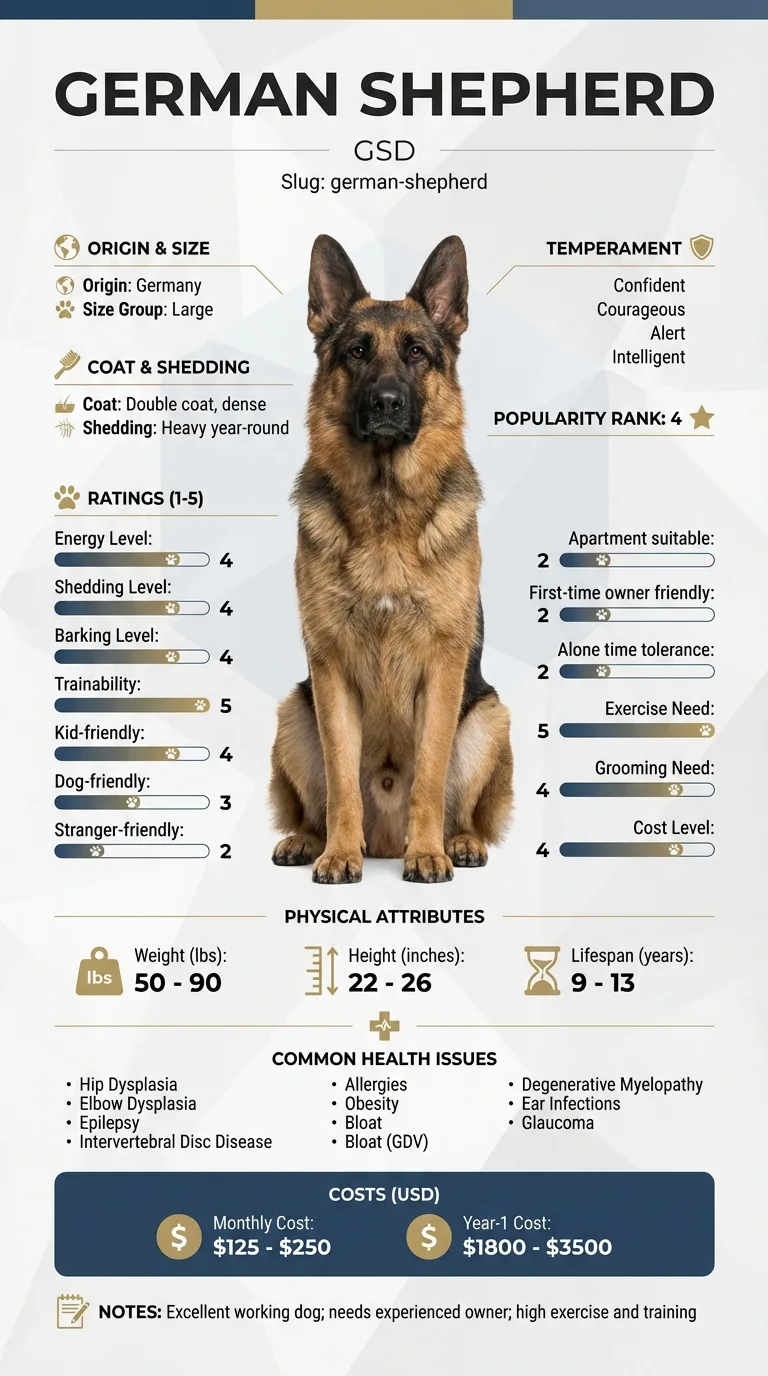
Typically, first-time German Shepherd owners or those unfamiliar with the breed may struggle with cherry eye. Busy families or individuals with active lifestyles often find it challenging to manage their dog's health issues effectively.
This guide is not medical advice. If your dog shows pain, sudden behavior change, or worsening symptoms, consult a licensed veterinarian.
Some links may be affiliate links. We may earn a commission at no extra cost to you. We only suggest products we believe are helpful for dog owners.
Check this first
Call your vet immediately if you see signs of pain, excessive tearing, or if your dog is rubbing or pawing at their eye. These could indicate complications such as infection or irritation. Additionally, if both eyes are affected or if there is any change in your dog's behavior, such as lethargy or loss of appetite, it’s best to seek professional help right away.
On the other hand, if your German Shepherd's cherry eye is not causing distress and seems stable, you can monitor the situation for a few days. Keep an eye on the condition, ensuring there are no signs of infection. Gentle cleaning of the eye area can help, and you can discuss potential treatment options with your vet during your next visit.
In summary, trust your instincts. If something feels off about your dog's condition, don't hesitate to call your vet. It's always better to be safe than sorry when it comes to your furry friend's health.
If any of these apply, call your vet or an emergency clinic now. The rest of this page is for the cases that are not an emergency.
German Shepherd cherry eye is a condition where the tear gland in the dog's eyelid prolapses, causing a pink, swollen appearance. This often occurs in young dogs and can be triggered by stress, allergies, or even rough play. While it isn’t life-threatening, it can lead to discomfort and requires attention.
Cherry eye is relatively common in German Shepherds and can affect about 1 in 10 dogs of this breed. It's important to monitor your dog for signs of this condition, especially if they're prone to other eye issues.
German Shepherds are prone to certain genetic conditions, including cherry eye, due to their unique eye structure. This breed's eyelid glands can become weak or loose, leading to the gland's prolapse, which results in the characteristic bulging appearance. Additionally, their active nature can contribute to stress on the eyes, increasing the likelihood of this issue.
Environmental factors can also play a role in cherry eye development. Allergies to dust, pollen, or food can irritate the eyes, leading to inflammation and, ultimately, the prolapse of the eyelid gland. Furthermore, a lack of proper eye care or exposure to harsh conditions can exacerbate the problem.
Talk to your vet if you notice any changes in your dog's eye, such as swelling or discharge. If your dog is frequently rubbing their eyes or seems in pain, it's important to seek professional help. They can offer guidance on whether surgery or medication is necessary.
Addressing German Shepherd cherry eye can be tricky. Here are some common mistakes owners make that can worsen the situation, along with safer alternatives.
See all German Shepherd health problems, which breeds are prone to cherry eye, or the full German Shepherd breed guide for temperament, exercise needs and ownership costs.
With consistent care and attention, you can expect to see improvements in your German Shepherd's cherry eye within a few weeks. However, full resolution may take several months, especially if surgery is needed.
Success looks like your German Shepherd's eye returning to normal appearance and function, with reduced discomfort and irritation. Regular vet check-ups will help monitor the condition.
Sam, a first-time dog owner, noticed his German Shepherd, Bella, had a bulging gland in her eye. Concerned and unsure, he rushed her to the vet, where he learned it was cherry eye. After discussing options, Sam chose to try non-surgical treatments first, including eye drops and careful monitoring. Over the next few weeks, he diligently followed the vet's advice, and Bella's condition improved noticeably. Sam learned the importance of patience and regular vet visits in managing her health.
Key takeaway: Cherry eye can be managed effectively with proper care and guidance, but it's essential to stay informed and proactive.
Cherry eye in German Shepherds happens when the eyelid gland prolapses and becomes visible. This can be caused by genetics, dehydration, or excessive strain. If you notice this, it's essential to consult a vet for proper diagnosis and treatment. This answer relates to German Shepherd cherry eye.
To manage cherry eye, it's best to seek veterinary assistance. They may recommend surgical correction if the condition is severe. Additionally, keeping your dog hydrated and minimizing stress can help reduce the chances of recurrence.
Cherry eye itself is not life-threatening, but it can lead to discomfort and other eye issues if untreated. It's crucial to address it promptly to prevent further complications. Regular vet check-ups can help catch these issues early.
In some cases, cherry eye can be managed with anti-inflammatory medications or eye drops. However, if these methods do not work, surgery may be the best option. Always consult your vet to determine the best course of action for your pet.
The main symptom of cherry eye is a noticeable red or pink lump in the corner of the eye. Your dog may also show signs of discomfort, like pawing at their face or excessive blinking. If you notice these signs, it's time to see a vet.
Cherry eye can potentially obstruct vision if the gland is severely inflamed or infected. It's important to treat the condition to ensure your dog's eyesight remains healthy. Regular vet visits can help monitor your dog's eye health.
Cherry eye in German Shepherds occurs when the tear gland in the third eyelid prolapses or shifts out of its normal position. This can be due to genetic factors or weakness in the connective tissue that holds the gland in place. If you notice this condition, it's best to consult your vet for advice.
While there are some home remedies suggested, it's not advisable to treat cherry eye at home without veterinary guidance. Home treatments can sometimes worsen the condition. Always seek professional help for effective treatment options.
Cherry eye can occur in German Shepherds of all ages, but it is more commonly seen in younger dogs. Older dogs may develop it less frequently, but if it does occur, it's important to have it checked by a vet. Early intervention is key to preventing further issues.
Preventing cherry eye from recurring involves ensuring your dog has a balanced diet and regular vet check-ups. Maintain a healthy weight to reduce the strain on their eyes. If they have had cherry eye before, discuss preventive measures with your vet.
The long-term outlook for a German Shepherd with cherry eye is generally good with proper treatment. Most dogs recover well after surgery, but some may experience recurring issues. Regular veterinary check-ups can help monitor their eye health.
Keep your dog's eye area clean and monitor for any redness or swelling. Regular vet check-ups can help catch issues early.
Yes, cherry eye can be hereditary, so if you have a dog with this issue, consider discussing it with your vet before breeding.
Contact your vet as soon as possible for a proper diagnosis and treatment plan. Early intervention is key to preventing complications.
Ensure your German Shepherd has a balanced diet and stays hydrated. Reducing stress can also help manage the condition.
A one-page prep sheet for this condition: the signs, the questions to ask, what to get priced. Unlocks here.
You get: Vet visit prep sheet
No spam. One-click unsubscribe. See our privacy policy.
Preview page 1 before you decide.