Health
What are some quick tips for managing German Shepherd cataracts?
Regular vet visits, a healthy diet, and keeping your dog active can help manage cataracts. Consider supplements for eye health, but always check with your vet first.

Quick answer
What are some quick tips for managing German Shepherd cataracts?
Regular vet visits, a healthy diet, and keeping your dog active can help manage cataracts. Consider supplements for eye health, but always check with your vet first.
German Shepherd cataracts can cloud your dog's vision and impact their quality of life. This common eye issue is something many owners face, especially as their dogs age.
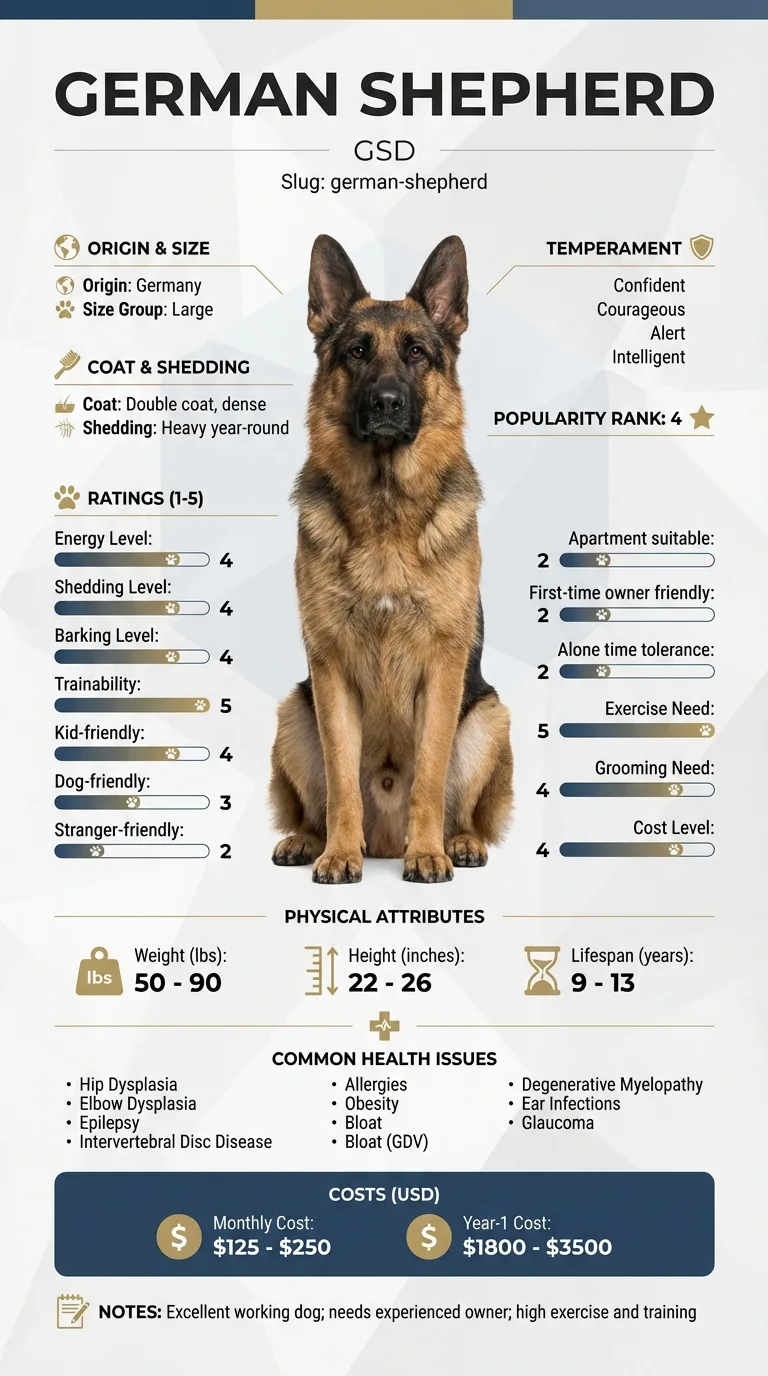
Typically, owners of older German Shepherds may notice signs of cataracts. Busy families or first-time dog owners might struggle with recognizing the early symptoms, leading to delays in treatment.
This guide is not medical advice. If your dog shows pain, sudden behavior change, or worsening symptoms, consult a licensed veterinarian.
Some links may be affiliate links. We may earn a commission at no extra cost to you. We only suggest products we believe are helpful for dog owners.
We research and check what we publish, but we do not warrant that any figure, date, price, or statement is accurate, complete, or current, and we accept no liability for any loss, cost, injury, or other harm arising from the use of this site. Use it as one reference among several. You remain responsible for your own decisions and for your dog's care - confirm anything that matters with a licensed veterinarian or another qualified professional before you act on it. Full disclaimer.
Check this first
Understanding when cataracts in your German Shepherd become an emergency is crucial for their health. If you notice sudden changes in their vision, such as bumping into objects or hesitating to jump, it could be a sign that immediate vet attention is needed. Other red flags include persistent eye wobbling, excessive tearing, and signs of pain like rubbing their eyes or squinting.
On the other hand, if your dog has cloudy lenses but is still able to navigate their environment and seems comfortable, you may be able to monitor the situation. In these mild cases, keep an eye on changes in behavior or vision. Regular vet check-ups can help you assess the progression of the cataracts and determine the best course of action.
If any of these apply, call your vet or an emergency clinic now. The rest of this page is for the cases that are not an emergency.
German Shepherd cataracts can be a challenging issue for both the dog and the owner. This condition causes cloudiness in the eye lens, leading to blurred vision and potential blindness. It often manifests as the dog bumping into things or appearing disoriented, which can be distressing for everyone involved.
Cataracts are relatively common in German Shepherds, especially as they age. Many dogs may begin showing signs in their senior years, but some may develop them earlier due to genetic factors. Regular veterinary check-ups are essential to catch these issues early.
German Shepherds can be prone to cataracts due to genetic factors. Some lines may have a hereditary predisposition, leading to early development of cataracts as they age. This breed's overall health issues can also increase the likelihood of eye problems.
Environmental factors can contribute to cataracts in German Shepherds. Prolonged exposure to UV light, poor nutrition, and certain health conditions like diabetes can lead to cataract formation. Additionally, injuries or inflammation in the eye can also cause clouding of the lens.
If you notice any cloudiness in your dog's eyes or changes in their vision, contact your vet immediately. They can provide a proper diagnosis and discuss treatment options, including the need for surgery if necessary.
It's easy to unintentionally make your German Shepherd's cataracts worse. Here are some common mistakes to avoid, along with better alternatives.
Start here: German Shepherd Most Common Genetic Disorders: Screening
See all German Shepherd health problems, which breeds are prone to cataracts, or the full German Shepherd breed guide for temperament, exercise needs and ownership costs.
Managing German Shepherd cataracts typically takes several weeks to months. Early detection and regular vet visits are crucial. Expect gradual improvement with proper care.
Success in managing German Shepherd cataracts means your dog maintains good vision and comfort. Regular check-ups, a proper diet, and some lifestyle adjustments can make a big difference.
Emily, a nurse from Dallas, noticed her German Shepherd, Max, was bumping into furniture and seemed hesitant to play fetch. After a vet visit, she learned he had cataracts. Concerned but determined, Emily researched how to stop German Shepherd cataracts and began implementing eye-friendly supplements and scheduled regular vet check-ups. She also adjusted their playtime, using toys that made sounds to help Max navigate. Over a few months, Max regained his confidence and was back to chasing balls, though Emily learned to manage his activities to prevent strain on his eyes.
Key takeaway: With early intervention and consistent care, owners can help their German Shepherds live comfortably with cataracts, ensuring they still enjoy life to the fullest.
Cataracts in German Shepherds can be caused by genetics, age, or underlying health issues, such as diabetes. Regular vet check-ups can help identify these factors early on. If you notice cloudiness in their eyes, it's essential to consult a vet.
While you can't always prevent cataracts, maintaining your dog's overall health can help. Ensure a balanced diet, regular exercise, and routine vet visits to catch any health issues early. Certain supplements may also support eye health, but consult your vet first.
Treatment for German Shepherd cataracts often involves surgery to remove the cloudy lens. This is usually successful, but dogs may need post-surgery care. Your vet can guide you on the best options based on your dog's specific condition.
Cataracts themselves are not typically painful, but they can lead to vision issues, which may frustrate your German Shepherd. If they show signs of discomfort or changes in behavior, consult a vet for a thorough evaluation.
Look for cloudiness in the eyes, difficulty seeing in bright light, or changes in behavior, such as bumping into objects. If you notice any of these signs, schedule a vet visit as soon as possible.
Yes, untreated cataracts can lead to complications like glaucoma or retinal detachment. Regular veterinary check-ups are crucial for monitoring your dog's eye health and addressing any arising issues promptly.
Signs of cataracts include cloudy or white eyes, difficulty seeing in low light, and changes in behavior, like bumping into objects. If you observe these symptoms, consult your vet for a proper diagnosis.
Yes, cataracts can often be treated with surgery, which is the most effective option to restore vision. However, it's important to discuss potential risks and recovery with your veterinarian, especially if your dog has other health issues.
To assist an older German Shepherd with cataracts, keep their environment safe and familiar, reducing obstacles they might bump into. Consider providing gentle guidance when walking and consult your vet about potential treatments.
While you can't always prevent cataracts, maintaining a healthy diet and regular vet visits can help identify health issues early. Additionally, managing conditions like diabetes can reduce the risk of developing cataracts.
Regular vet visits, a healthy diet, and keeping your dog active can help manage cataracts. Consider supplements for eye health, but always check with your vet first.
Cataract surgery for German Shepherds can range from $2,000 to $4,000, depending on various factors like location and the vet's expertise.
Yes, training can help your dog adapt to changes in vision. Use voice commands and establish routines to guide them safely around your home.
A one-page prep sheet for this condition: the signs, the questions to ask, what to get priced. Unlocks here.
You get: Vet visit prep sheet
No spam. One-click unsubscribe. See our privacy policy.
Preview page 1 before you decide.