Behavior
What are quick tips for German Shepherd bloat (GDV)?
Feed smaller, more frequent meals and use slow-feed bowls. Limit exercise right after meals to reduce bloat risk.
Quick answer
What are quick tips for German Shepherd bloat (GDV)?
Feed smaller, more frequent meals and use slow-feed bowls. Limit exercise right after meals to reduce bloat risk.
German Shepherd bloat (GDV) is a serious condition that can lead to life-threatening situations. It occurs when the stomach twists, trapping gas and food inside.
Owners of German Shepherds, especially first-time dog parents and those with busy lifestyles, often struggle with this issue. They may not be aware of the risks or how to prevent bloat, leading to anxiety about their dog’s health.
This guide is not medical advice. If your dog shows pain, sudden behavior change, or worsening symptoms, consult a licensed veterinarian.
Some links may be affiliate links. We may earn a commission at no extra cost to you. We only suggest products we believe are helpful for dog owners.
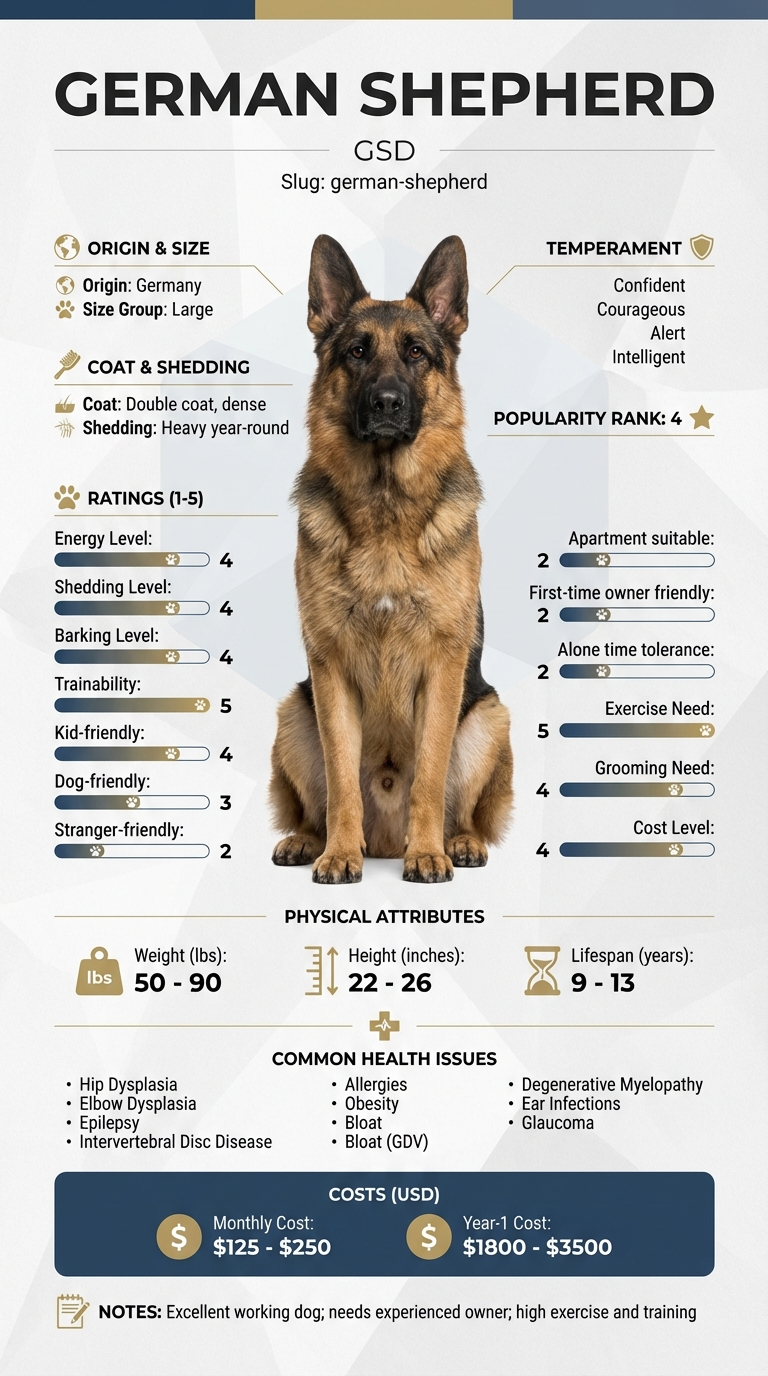
German Shepherd bloat (GDV) is a serious condition that can be life-threatening. It often appears suddenly, causing your dog to show signs of distress, such as a swollen abdomen, restlessness, and excessive drooling. This problem is especially concerning for German Shepherds due to their large size and deep chests.
Bloat (GDV) is relatively common in German Shepherds, with studies suggesting that large breeds are more susceptible. It's essential for owners to be aware of this issue and act quickly if symptoms arise, as timely treatment can be crucial.
German Shepherds are prone to bloat (GDV) due to their large size and deep chests. The structure of their bodies can lead to gas accumulation and stomach torsion, especially when they eat too quickly or engage in vigorous exercise after meals.
Environmental factors like stressful situations, feeding habits, or sudden changes in routine can also trigger bloat. For example, if a German Shepherd eats large meals at once or is overly anxious, it increases the risk of developing this serious condition.
If your German Shepherd shows signs of anxiety or stress related to feeding or mealtime, consider consulting a professional trainer. They can help address these behaviors through positive reinforcement techniques.
If your dog exhibits symptoms like a swollen abdomen, excessive drooling, or attempts to vomit without success, contact your vet immediately. These could be signs of bloat (GDV), which is a medical emergency.
See all German Shepherd health problems, which breeds are prone to bloat gdv, or the full German Shepherd breed guide for temperament, exercise needs and ownership costs.
Managing German Shepherd bloat (GDV) requires consistent attention over several months. Owners should look for gradual improvements in their dog's eating habits and overall comfort.
Success means your German Shepherd shows reduced signs of discomfort after eating, maintains a healthy weight, and avoids episodes of bloat, allowing for a happier, healthier life.
Understanding common mistakes can help you manage German Shepherd bloat (GDV) more effectively. Here are some behaviors to avoid and safer alternatives to consider.
German Shepherd bloat (GDV) is a serious condition that requires immediate attention. Recognizing the signs is crucial. If your dog shows any of the following symptoms, call your vet right away:
- Rapid swelling of the abdomen - Unproductive attempts to vomit - Excessive drooling - Signs of distress, like pacing or restlessness - Weakness or collapse
These symptoms indicate that the stomach may be torsioned, which can quickly become life-threatening. Immediate veterinary intervention is essential to prevent severe complications or death.
On the other hand, mild cases of bloat can often be monitored at home. If your German Shepherd experiences slight discomfort, like occasional bloating without distress, keep an eye on them. You can try to alleviate symptoms by adjusting feeding habits, like serving smaller meals more frequently.
If symptoms don't improve within a few hours, or if new signs develop, contact your veterinarian for further guidance.
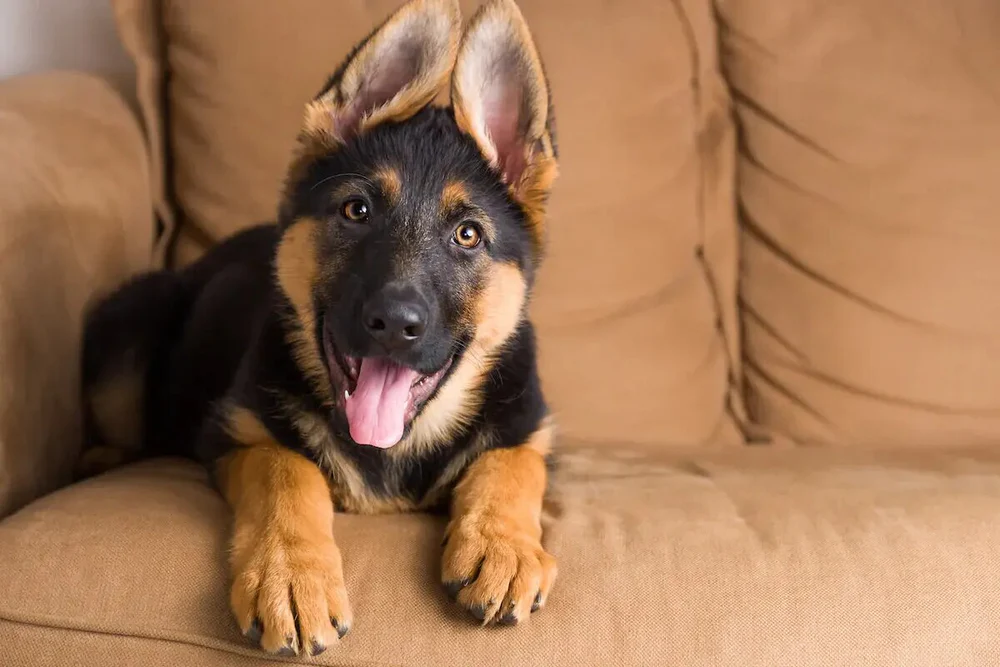
Sarah, a first-time German Shepherd owner, noticed her dog Max often seemed restless after meals. After researching, she learned about the risks of German Shepherd bloat (GDV). Determined to help Max, Sarah switched him to smaller, more frequent meals and started using a slow feeder. Over the next few months, Max's bloating episodes decreased significantly, and he became much more comfortable after eating. Sarah also worked on training Max to stay calm during mealtime, which further helped reduce his anxiety around food.
Key takeaway: With patience and the right strategies, managing German Shepherd bloat (GDV) is possible. Small changes in feeding habits can make a big difference in your dog's health.
Bloat can occur due to a combination of factors including genetics, eating habits, and stress. Large meals, rapid eating, and vigorous exercise after meals can increase the risk. It's essential to monitor your dog's eating habits and consult your vet for personalized advice.
To help prevent German Shepherd bloat, consider feeding smaller meals more frequently rather than one large meal. Use slow-feed bowls to encourage slower eating and avoid exercise immediately after meals. Regular vet check-ups can also help identify any underlying issues.
Training can help establish a routine that prevents bloat. Teaching your dog to eat slowly, stay calm around meal times, and avoid playing right after eating can reduce the risk. Consistent training contributes to your dog's overall well-being.
Yes, older German Shepherds can develop bloat (GDV). While it can occur in dogs of any age, the risk increases with age, especially in those with a history of gastrointestinal issues. Regular vet check-ups can help monitor their health.
To help prevent bloat (GDV) in your German Shepherd, feed smaller, more frequent meals rather than one large meal. Avoid vigorous exercise right after eating, and consider using a slow feeder to reduce gulping, which can contribute to bloat.
If you suspect your German Shepherd has bloat (GDV), take them to the vet immediately. Time is critical, as bloat can quickly lead to shock and death if not treated. Do not wait to see if symptoms improve.
While there's no guaranteed diet to prevent bloat (GDV), feeding high-quality, easily digestible food can help. Avoiding foods that are high in fat or include fillers may also reduce the risk. Always consult with your vet for diet recommendations.
Feed smaller, more frequent meals and use slow-feed bowls. Limit exercise right after meals to reduce bloat risk.
If your dog has a family history of bloat, is a large breed, or eats rapidly, they may be at higher risk. Consulting with your vet can help assess their risk.
Yes, stress and anxiety can contribute to bloat. Keeping your dog calm during meals and avoiding stressful situations around feeding times can help.
If you suspect bloat, take your dog to the vet immediately. Quick action is essential to save your dog's life.