Behavior
What are quick tips for managing French Spaniel X-SCID?
Keep your French Spaniel away from sick animals and environments. Regular vet check-ups are essential for monitoring their health.

Quick answer
What are quick tips for managing French Spaniel X-SCID?
Keep your French Spaniel away from sick animals and environments. Regular vet check-ups are essential for monitoring their health.
French Spaniel x-scid is a rare but serious condition that affects your dog's immune system. It can make your furry friend susceptible to infections and health issues.
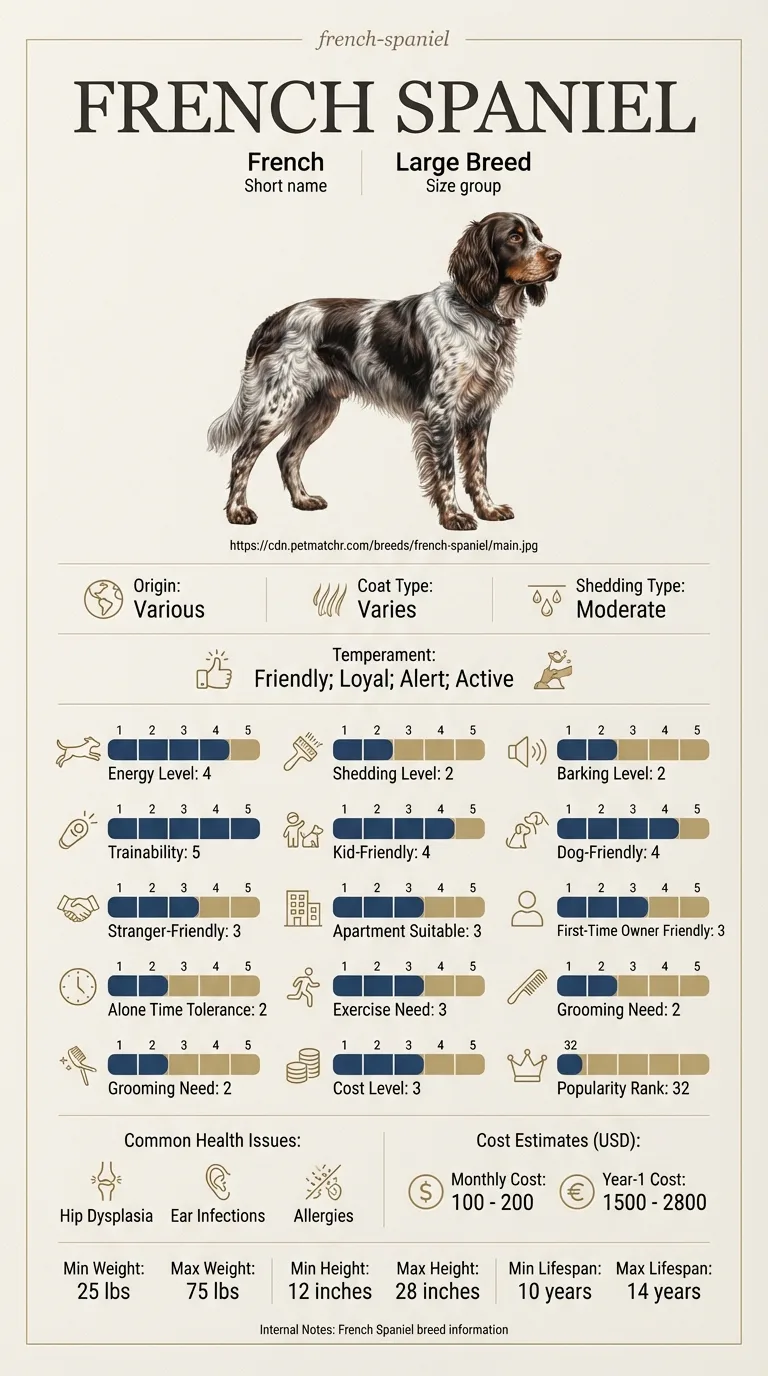
Typically, first-time owners or families with young children may find it challenging to navigate the complexities of x-scid. These owners often seek guidance on how to support their French Spaniel through this condition.
This guide is not medical advice. If your dog shows pain, sudden behavior change, or worsening symptoms, consult a licensed veterinarian.
Some links may be affiliate links. We may earn a commission at no extra cost to you. We only suggest products we believe are helpful for dog owners.
We research and check what we publish, but we do not warrant that any figure, date, price, or statement is accurate, complete, or current, and we accept no liability for any loss, cost, injury, or other harm arising from the use of this site. Use it as one reference among several. You remain responsible for your own decisions and for your dog's care - confirm anything that matters with a licensed veterinarian or another qualified professional before you act on it. Full disclaimer.
Check this first
Call your vet right away if your French Spaniel shows any of these red-flag signs:
- Persistent vomiting or diarrhea lasting more than 24 hours. - Significant lethargy or weakness that prevents normal activity. - Signs of severe dehydration, such as dry gums or excessive panting. - Any unusual bleeding or swelling that doesn’t resolve quickly. - Repeated infections or illness that worsen despite treatment.
On the other hand, if your dog has mild symptoms, you can watch and wait. Monitor these cases closely:
- Occasional sneezing or coughing without other symptoms. - Mild digestive upset that resolves within a day. - Slight lethargy but still eating and drinking normally. - Skin irritations or minor infections that don’t seem severe.
In these cases, it’s important to have a plan. Keep an eye on your French Spaniel’s behavior and health. If things worsen, don’t hesitate to reach out to your vet. Remember, it’s always better to be safe than sorry when it comes to your dog's health.
If any of these apply, call your vet or an emergency clinic now. The rest of this page is for the cases that are not an emergency.
French Spaniels are generally friendly and active dogs. However, a condition known as X-SCID (Severe Combined Immunodeficiency) can pose significant challenges for this breed. Affected dogs may struggle with frequent infections and require extra attention and care.
X-SCID is rare in French Spaniels but can occur, particularly in certain bloodlines. It's crucial for owners to be aware of the symptoms and seek veterinary advice if they notice any health issues.
The French Spaniel is known for its friendly and active nature, but certain genetic factors can also play a role in developing X-SCID, or severe combined immunodeficiency. This condition is rare and often linked to inherited traits that affect the immune system. While not all French Spaniels will have this issue, it's important to be aware of the breed's predispositions.
Environmental factors can also contribute to X-SCID symptoms. Stressful situations, such as frequent changes in the household or a lack of socialization, can weaken your dog's immune system. Additionally, exposure to pathogens in unsanitary environments can further exacerbate any existing health issues.
If you notice signs of illness, such as frequent infections or lethargy, it's crucial to consult your veterinarian. They can conduct tests to determine if your dog has X-SCID or other underlying health issues and recommend appropriate treatments.
Avoiding certain common mistakes can make managing your French Spaniel x-scid easier. Here are some behaviors to steer clear of.
Start here: French Spaniel Most Common Genetic Disorders: Screening
See all French Spaniel health problems, which breeds are prone to x scid, or the full French Spaniel breed guide for temperament, exercise needs and ownership costs.
It may take several weeks to a few months to effectively manage X-SCID in your French Spaniel. Consistent care and veterinary guidance are key.
Success means your dog shows improved health, reduced symptoms, and a better quality of life. You'll notice they are more active and comfortable in their environment.
When Sarah adopted Max, her French Spaniel, she was excited but soon worried as he frequently fell ill. After a vet visit, she learned that Max had X-SCID, a rare condition that severely compromised his immune system. Determined to help him, Sarah followed a strict care plan, which included regular vet check-ups, a specialized diet, and avoiding exposure to other dogs. She also enrolled in a training course to help Max build confidence and manage his anxiety. Over months, Max's health improved significantly, and he became more playful and social with his family.
Key takeaway: With dedication and the right support, managing X-SCID in your French Spaniel can lead to a happier, healthier life for your furry friend.
Signs of X-SCID can include recurrent infections, poor growth, and lethargy. If your dog seems unusually tired or is getting sick often, it's time for a vet visit. Early detection and care can help improve your dog's quality of life.
Managing X-SCID includes regular vet check-ups and minimizing exposure to infections. Keeping your dog away from sick animals and maintaining a clean environment are crucial. Always follow your vet's recommendations for care.
Currently, there is no cure for X-SCID. Treatment focuses on managing symptoms and preventing infections. Work closely with your vet to create a tailored health plan for your dog.
Yes, you can train your French Spaniel with X-SCID, but keep training sessions short and positive. Avoid high-stress environments to prevent health setbacks. Consult your vet for specific training recommendations that suit your dog's condition.
Consider reducing your dog's exposure to public places where they might encounter pathogens. Regular hygiene practices, like bathing and cleaning their living area, can help. Also, focus on a balanced diet to support their overall health.
Unfortunately, X-SCID is a genetic condition with no cure. However, supportive care, including regular vet check-ups and management of infections, can help improve your dog's quality of life.
X-SCID is typically diagnosed in puppies, often before they reach six months of age. Early detection is essential for managing the condition effectively, so regular vet visits are key.
Due to the severe immune deficiencies caused by X-SCID, affected French Spaniels may have a shorter lifespan. With proper care and monitoring, some may live a few years, but they require ongoing veterinary support.
If your French Spaniel shows signs of anxiety, consider implementing training strategies or consulting a behaviorist. It's also helpful to create a calm environment and maintain a consistent routine to help manage their stress.
Keep your French Spaniel away from sick animals and environments. Regular vet check-ups are essential for monitoring their health.
Provide a nutritious diet and minimize stress. Supplements may help, but consult your vet first.
Contact your vet immediately if your dog shows signs of illness. Quick action can prevent serious complications.
Yes, positive reinforcement training can improve behavior. Keep sessions short to avoid overwhelming your dog.
A one-page prep sheet for this condition: the signs, the questions to ask, what to get priced. Unlocks here.
You get: Vet visit prep sheet
No spam. One-click unsubscribe. See our privacy policy.
Preview page 1 before you decide.