Living
What should I feed my French Spaniel with legg-calvé-perthes disease?
Provide a balanced diet with controlled portions to maintain a healthy weight, which can help reduce joint stress.

Quick answer
What should I feed my French Spaniel with legg-calvé-perthes disease?
Provide a balanced diet with controlled portions to maintain a healthy weight, which can help reduce joint stress.
French Spaniel Legg-Calvé-Perthes disease is a painful condition affecting your dog's hip joint.
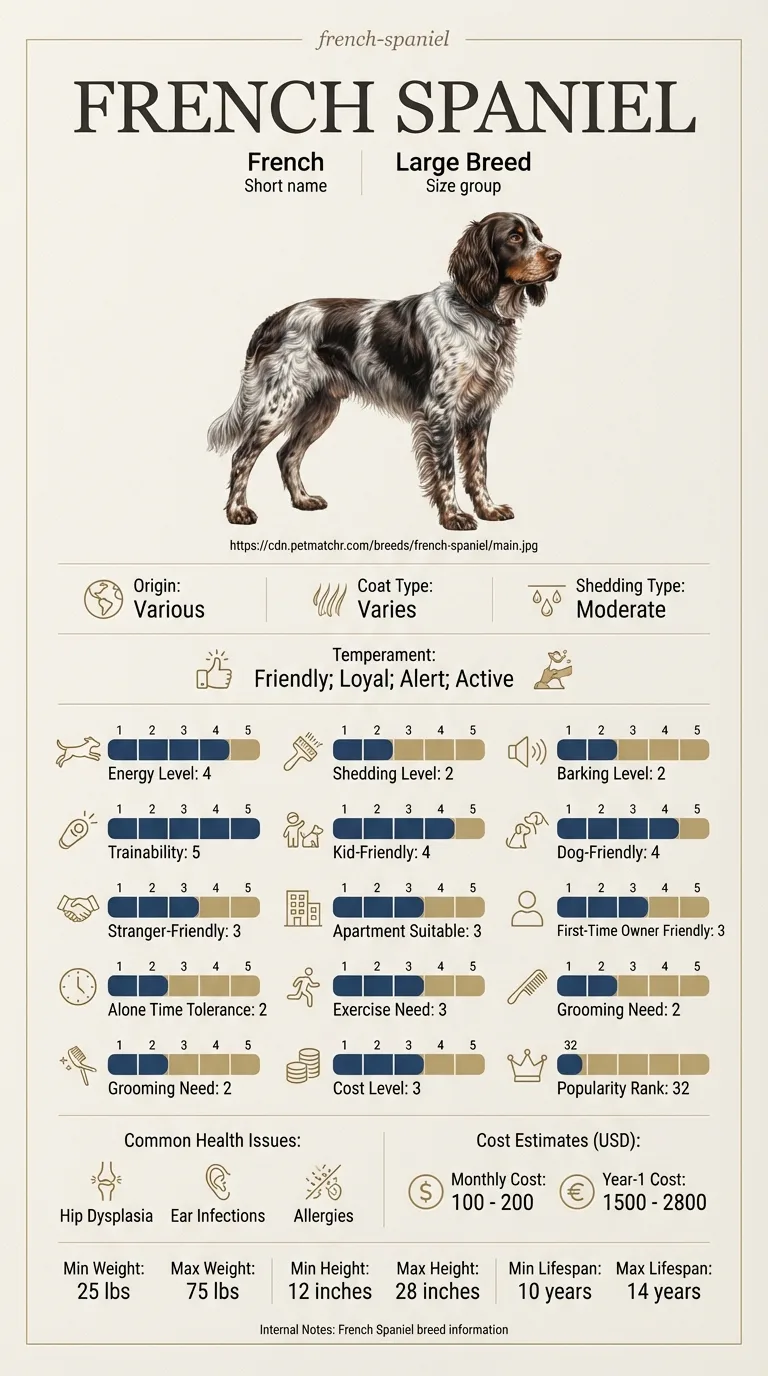
Owners of French Spaniels often face this issue, especially those with active dogs showing signs of limping or reluctance to play. First-time dog owners may find it particularly challenging to recognize the symptoms and seek appropriate care.
This guide is not medical advice. If your dog shows pain, sudden behavior change, or worsening symptoms, consult a licensed veterinarian.
Some links may be affiliate links. We may earn a commission at no extra cost to you. We only suggest products we believe are helpful for dog owners.
We research and check what we publish, but we do not warrant that any figure, date, price, or statement is accurate, complete, or current, and we accept no liability for any loss, cost, injury, or other harm arising from the use of this site. Use it as one reference among several. You remain responsible for your own decisions and for your dog's care - confirm anything that matters with a licensed veterinarian or another qualified professional before you act on it. Full disclaimer.
Check this first
French Spaniel legg-calvé-perthes disease can be serious, and knowing when to seek immediate veterinary care is crucial. If your dog shows signs of severe limping, intense pain, or refuses to bear weight on the affected leg, these are red flags. Other emergencies include visible swelling around the hip joint or if your dog seems lethargic and unresponsive. In these cases, call your vet immediately.
On the other hand, if your French Spaniel is experiencing mild limping or occasional discomfort, it could be monitored. Signs to watch for include slight stiffness after rest or minor pain during play. You can keep an eye on these symptoms and create a management plan with your vet. Regular check-ups can help track the condition's progression and address any concerns.
If any of these apply, call your vet or an emergency clinic now. The rest of this page is for the cases that are not an emergency.
French Spaniel legg-calvé-perthes disease is a serious condition affecting the hip joint. This disease occurs when the blood supply to the hip bone is compromised, leading to bone necrosis. It can cause pain, limping, and difficulty in movement, impacting your dog's quality of life.
Legg-Calvé-Perthes disease is relatively common among French Spaniels, especially in younger dogs. It often appears between six months to two years of age. Early detection and treatment are crucial for managing this condition effectively.
French Spaniels can be prone to Legg-Calvé-Perthes disease due to genetic factors. This condition often affects smaller breeds but can also occur in larger dogs. If your French Spaniel has a family history of hip problems, they may be at higher risk.
Environmental factors such as obesity or lack of exercise can also contribute to the development of this disease. Dogs that are inactive or overweight may experience increased strain on their hips, which can exacerbate underlying issues. Stress or trauma to the hip area can also trigger symptoms.
Consult your vet if you notice limping, reluctance to play, or changes in behavior. They can perform a thorough examination and may suggest X-rays to confirm a diagnosis and discuss treatment options.
Many owners unintentionally delay their French Spaniel's recovery from legg-calvé-perthes disease. Here are some common mistakes and safer alternatives to consider.
Start here: French Spaniel Most Common Genetic Disorders: Screening
See all French Spaniel health problems, which breeds are prone to legg calv perthes disease, or the full French Spaniel breed guide for temperament, exercise needs and ownership costs.
You can expect to see improvements in your French Spaniel's condition within 4 to 8 weeks of starting treatment and appropriate care.
Success looks like your dog showing increased mobility and reduced pain, allowing them to engage in normal activities with more ease.
Emily, a busy nurse in Portland, noticed her French Spaniel, Max, limping and reluctant to play. After a vet visit, she learned he had Legg-Calvé-Perthes disease. With a combination of medication, controlled exercise, and specific training to strengthen his muscles, Emily committed to a routine. Within two months, Max was back to chasing balls in the park, his happy self again.
Key takeaway: Consistent care and tailored training can make a significant difference in managing French Spaniel legg-calvé-perthes disease.
French Spaniels can develop legg-calvé-perthes disease due to genetic factors, which cause the blood supply to the hip joint to diminish. This results in the death of the hip bone, leading to pain and mobility issues. If you notice signs like limping or reluctance to play, consult a vet for proper diagnosis.
While you can't prevent legg-calvé-perthes disease, early detection can help manage the symptoms. Regular check-ups with your vet, maintaining a healthy weight, and providing gentle exercise can reduce discomfort. If the disease is severe, surgical options may be necessary.
Look for limping, decreased activity, or difficulty standing up after resting. Your French Spaniel may also show signs of pain when touched near the hip area. If you observe any of these symptoms, a vet visit is essential.
Training can help your French Spaniel adapt to their condition. Focus on gentle commands that promote low-impact activities, avoiding strenuous exercises. A professional trainer experienced with dogs with health issues can provide tailored training methods.
Treatment often involves pain management, physical therapy, and in some cases, surgery. Your vet will recommend the best course of action based on your dog's age and severity of the disease. Regular check-ups are vital to monitor progress.
While French Spaniel legg-calvé-perthes disease typically affects younger dogs, older dogs can also experience hip issues. It's important to monitor any changes in mobility or behavior in your senior French Spaniel. Regular vet check-ups can help catch potential problems early.
To help your French Spaniel at home, ensure they have a comfortable, supportive bed and limit strenuous activities. Gentle exercises, like short walks, can help maintain mobility. Always follow your vet's recommendations for managing your dog's condition.
Surgery may be needed for French Spaniels with severe legg-calvé-perthes disease, especially if pain or mobility issues persist. A vet can assess the situation and recommend the best course of action. It's crucial to weigh the benefits and risks of surgery with your veterinarian.
The long-term outlook for a French Spaniel with legg-calvé-perthes disease can vary. Many dogs recover well with appropriate treatment and care. However, some may have ongoing mobility issues or discomfort, so regular follow-up with your veterinarian is essential.
Provide a balanced diet with controlled portions to maintain a healthy weight, which can help reduce joint stress.
Limit exercise to short, gentle walks to prevent strain on the hips while keeping your dog active.
Keep your French Spaniel at a healthy weight, provide comfortable resting spots, and consult your vet for pain management options.
A one-page prep sheet for this condition: the signs, the questions to ask, what to get priced. Unlocks here.
You get: Vet visit prep sheet
No spam. One-click unsubscribe. See our privacy policy.
See a sample page before you decide.
Early access list
The free prep sheet covers the same-day warning signs, a symptom log and the questions to ask. We are considering a fuller kit that adds a cost worksheet for the usual tests and treatments (US price ranges with their sources) and a plain-English guide to ways of covering the bill. It is not built yet; this list tells us whether it is worth building.
One email, no spam, unsubscribe anytime. Information only, not veterinary advice.