Behavior
What are quick tips for managing French Spaniel gastrointestinal disorders?
Feed your French Spaniel a balanced diet and avoid sudden food changes. Regular vet check-ups can help catch issues early.

Quick answer
What are quick tips for managing French Spaniel gastrointestinal disorders?
Feed your French Spaniel a balanced diet and avoid sudden food changes. Regular vet check-ups can help catch issues early.
French Spaniel gastrointestinal disorders can be a significant concern for dog owners. These issues often lead to discomfort and health complications if not addressed promptly.
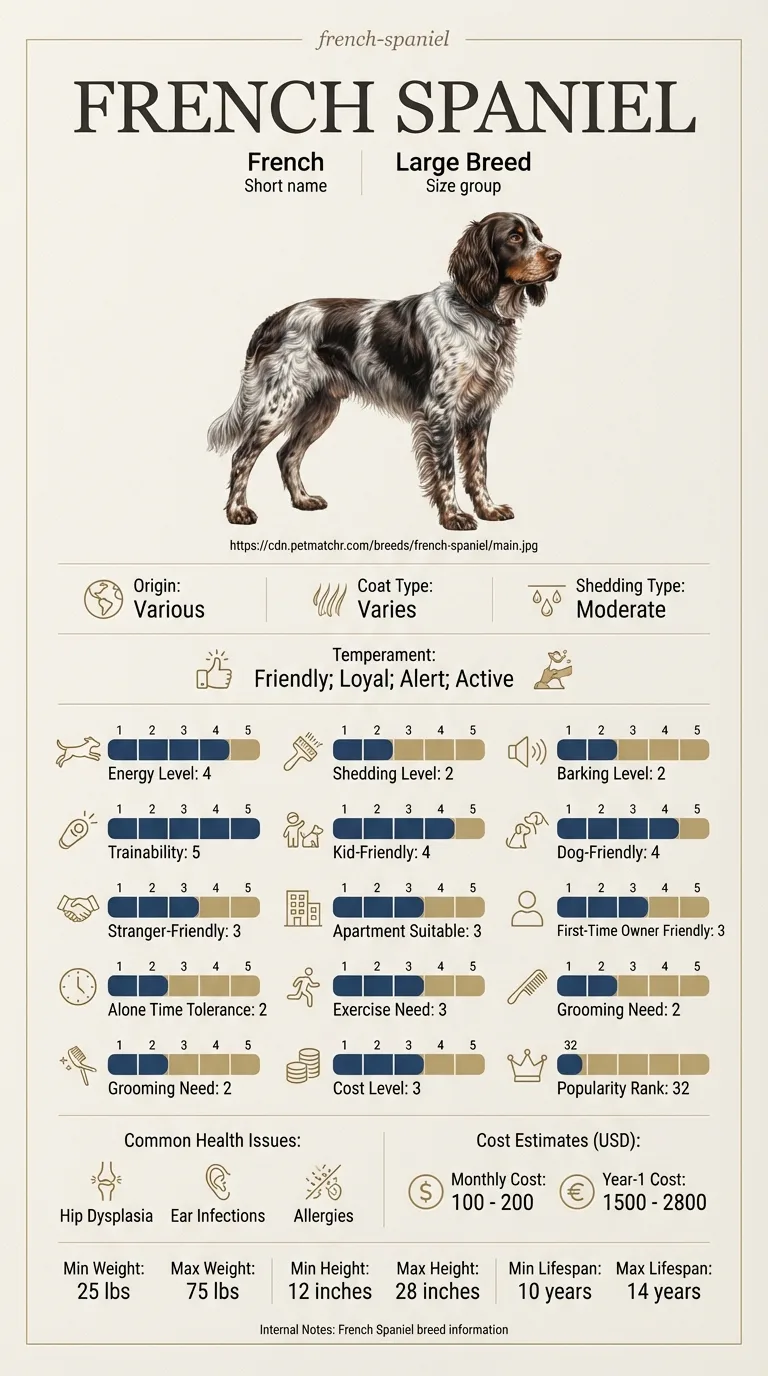
Owners of French Spaniels, especially first-time dog parents, often struggle with gastrointestinal disorders. These issues can be confusing and distressing, particularly if they lead to frequent vet visits or dietary changes.
This guide is not medical advice. If your dog shows pain, sudden behavior change, or worsening symptoms, consult a licensed veterinarian.
Some links may be affiliate links. We may earn a commission at no extra cost to you. We only suggest products we believe are helpful for dog owners.
We research and check what we publish, but we do not warrant that any figure, date, price, or statement is accurate, complete, or current, and we accept no liability for any loss, cost, injury, or other harm arising from the use of this site. Use it as one reference among several. You remain responsible for your own decisions and for your dog's care - confirm anything that matters with a licensed veterinarian or another qualified professional before you act on it. Full disclaimer.
Check this first
Recognizing when your French Spaniel's gastrointestinal disorders require immediate veterinary attention is crucial. Some signs indicate a serious issue that needs urgent care, while others may not be as critical and can be monitored at home.
Call Your Vet Now: If you notice severe vomiting or diarrhea that lasts more than 24 hours, lethargy, or your dog appears to be in pain, it's essential to get help immediately. Other red flags include blood in vomit or stool, lack of appetite for over a day, and bloating or swelling in the abdomen. These symptoms can signal life-threatening conditions that need prompt diagnosis and treatment.
Mild Cases to Monitor: If your French Spaniel experiences occasional mild vomiting or diarrhea without any of the severe symptoms, you may choose to monitor the situation. Ensure they stay hydrated and consider a bland diet for a day or two. Keeping track of their behavior, appetite, and any changes can help you determine if a vet visit is necessary later on.
In summary, trust your instincts. If you're unsure whether a symptom is serious, it's better to err on the side of caution and consult your vet. Your dog's health is worth the extra peace of mind.
If any of these apply, call your vet or an emergency clinic now. The rest of this page is for the cases that are not an emergency.
French Spaniel gastrointestinal disorders can manifest as vomiting, diarrhea, or a lack of appetite. These issues often arise from inflammatory bowel disease, pyloric stenosis, acid reflux, or hiatal hernia. Daily life for a French Spaniel experiencing these disorders can be challenging, as they may seem lethargic or uncomfortable, affecting their overall happiness.
Gastrointestinal disorders are relatively common in French Spaniels, particularly due to their sensitive digestive systems. Many owners report experiencing these issues at some point during their dog's life.
French Spaniels can be predisposed to certain gastrointestinal disorders due to their genetic makeup. Some breeds are more prone to conditions like inflammatory bowel disease or acid reflux. This means your French Spaniel might have an increased risk for these issues compared to other breeds.
Environmental factors also play a significant role in gastrointestinal disorders. Stressful situations, sudden diet changes, or low-quality food can trigger digestive issues. Additionally, improper feeding routines, such as feeding too quickly or providing inappropriate treats, can lead to gastrointestinal upset.
If your dog shows persistent symptoms such as vomiting, diarrhea, or loss of appetite for more than a day or two, it's time to contact your vet. They can rule out serious conditions and suggest appropriate treatments or dietary adjustments.
Avoiding these common mistakes can help improve your French Spaniel's gastrointestinal disorders. Here are a few to watch out for:
Start here: French Spaniel Most Common Genetic Disorders: Screening
See all French Spaniel health problems, which breeds are prone to gastrointestinal disorders, or the full French Spaniel breed guide for temperament, exercise needs and ownership costs.
You can expect to see improvements in your French Spaniel's gastrointestinal health within 4 to 8 weeks after implementing dietary changes and care.
Success looks like more consistent bowel movements, less vomiting, and an overall happier dog. Your French Spaniel should show increased energy and a better appetite.
When Sarah adopted Max, her French Spaniel, she quickly noticed he had frequent stomach problems. He would often vomit after meals and seemed uncomfortable. After a visit to the vet, Sarah learned that Max had a sensitive stomach, which required a special diet. She started feeding him high-quality, easily digestible food and began training him to eat slowly. Within a month, Max's symptoms improved dramatically. He became more energetic and playful, and Sarah felt relieved to see him enjoying life again.
Key takeaway: Understanding your French Spaniel's dietary needs and being patient with the training process can significantly improve their gastrointestinal health.
French Spaniels can experience gastrointestinal disorders due to various reasons, including dietary sensitivities, infections, or genetic predispositions. It's essential to monitor their diet and consult with a vet if symptoms like vomiting or diarrhea occur.
To manage French Spaniel gastrointestinal disorders, first, ensure a consistent and high-quality diet. Avoid sudden changes in their food and consider smaller, more frequent meals to help digestion.
Common signs include vomiting, diarrhea, weight loss, or stomach discomfort. If you notice these symptoms persisting for more than 24 hours, consult your veterinarian.
If your French Spaniel shows severe symptoms like continuous vomiting, blood in stool, or lethargy, seek veterinary help immediately. Early intervention can prevent serious complications.
Yes, stress can exacerbate gastrointestinal issues in French Spaniels. Changes in environment, routine, or family dynamics might trigger anxiety, leading to digestive problems.
While training can help establish good eating habits, it won't eliminate all risks of gastrointestinal disorders. Focus on consistent feeding routines and positive reinforcement for calm behavior during meals.
Early signs of gastrointestinal disorders in your French Spaniel may include vomiting, diarrhea, or changes in appetite. You might also notice lethargy or excessive drooling. It's important to monitor these symptoms closely and consult your vet if they persist.
Yes, stress can lead to gastrointestinal disorders in French Spaniels. Situations like moving to a new home, changes in routine, or loud noises can upset their stomach. If you suspect stress is the cause, consider implementing calming techniques or consulting a vet.
Managing gastrointestinal disorders in older French Spaniels often involves a special diet and regular vet check-ups. You may need to provide smaller, more frequent meals and avoid sudden changes in their food. Always consult your vet for personalized dietary recommendations.
Certain foods, like those high in fiber or specially formulated for gastrointestinal health, can be beneficial for French Spaniels. Look for diets that include easily digestible ingredients and avoid common allergens. Always consult with your vet before making dietary changes.
If your French Spaniel shows persistent vomiting, diarrhea, or signs of dehydration, it's time to see the vet. Additionally, if they appear unusually lethargic or if symptoms last more than 24 hours, seek professional help. Early intervention can prevent more serious issues.
Feed your French Spaniel a balanced diet and avoid sudden food changes. Regular vet check-ups can help catch issues early.
Monitor for changes in stool consistency or any signs of discomfort after meals. Keep a food diary to track any correlations.
Avoid fatty, spicy, or overly rich foods. Stick to vet-recommended diets that are gentle on their stomach.
Treatment costs can vary widely, ranging from $100 to $500 depending on the severity and type of treatment required.
Yes, using positive reinforcement can help your French Spaniel develop better eating habits and reduce anxiety around food.
A one-page prep sheet for this condition: the signs, the questions to ask, what to get priced. Unlocks here.
You get: Vet visit prep sheet
No spam. One-click unsubscribe. See our privacy policy.
Preview page 1 before you decide.