Health
What are quick tips for managing French Spaniel cancer?
Ensure your French Spaniel has a balanced diet, keep up with vet appointments, and provide a stress-free environment. Early detection and treatment are crucial.

Quick answer
What are quick tips for managing French Spaniel cancer?
Ensure your French Spaniel has a balanced diet, keep up with vet appointments, and provide a stress-free environment. Early detection and treatment are crucial.
Cancer is a serious concern for French Spaniels. Understanding its impact can help you take proactive steps to care for your dog.
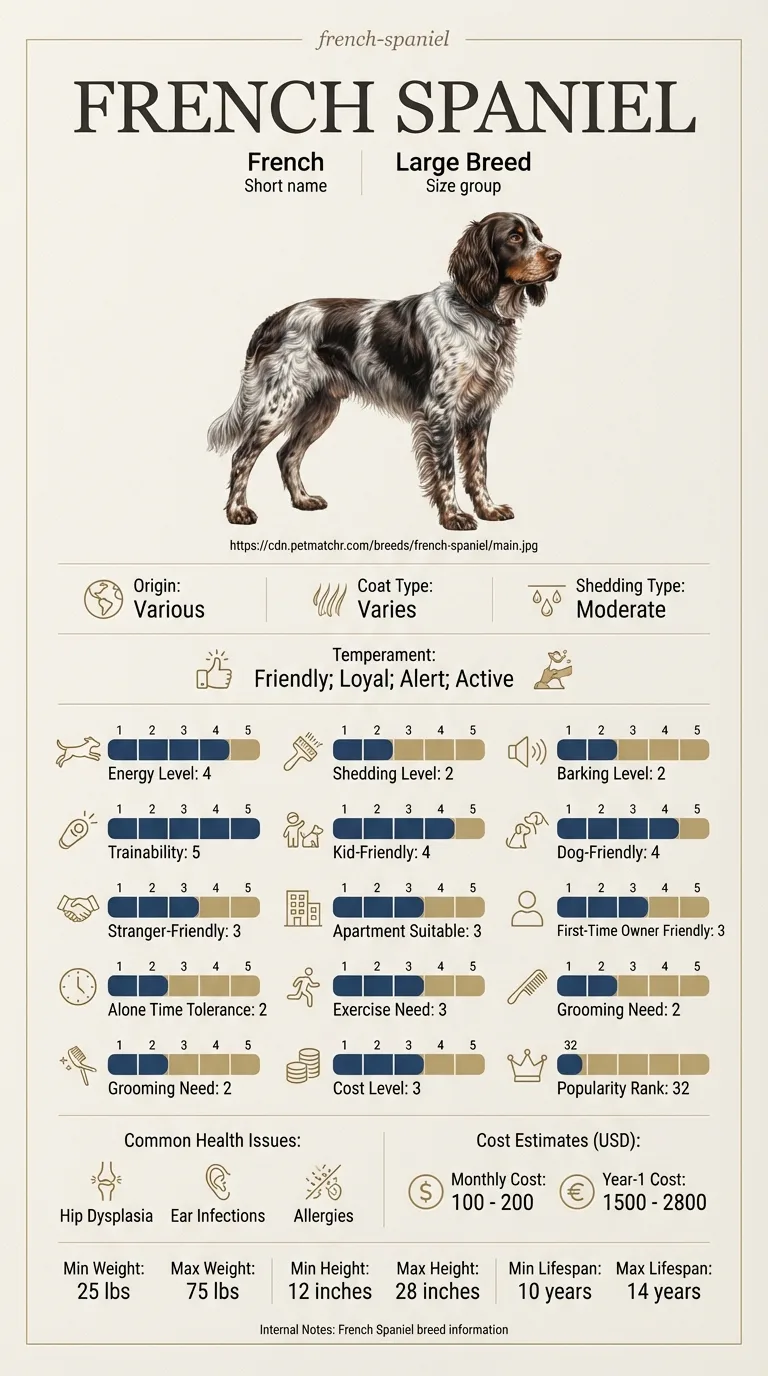
Typical owners facing this challenge include families with busy lifestyles or first-time dog owners who may not be prepared for the emotional and financial toll that cancer can take on their beloved pet.
This guide is not medical advice. If your dog shows pain, sudden behavior change, or worsening symptoms, consult a licensed veterinarian.
Some links may be affiliate links. We may earn a commission at no extra cost to you. We only suggest products we believe are helpful for dog owners.
We research and check what we publish, but we do not warrant that any figure, date, price, or statement is accurate, complete, or current, and we accept no liability for any loss, cost, injury, or other harm arising from the use of this site. Use it as one reference among several. You remain responsible for your own decisions and for your dog's care - confirm anything that matters with a licensed veterinarian or another qualified professional before you act on it. Full disclaimer.
Check this first
If you suspect your French Spaniel has cancer, it’s crucial to know when to act quickly. Red-flag signs that mean you should call your vet immediately include sudden weight loss, persistent lethargy, difficulty breathing, or unusual swelling in any part of the body. If your dog is bleeding or has a painful reaction when touched, these are also serious signs that require urgent attention.
On the other hand, some symptoms can be monitored with a watch-and-wait approach. Mild cases may include a temporary decrease in appetite, slight changes in behavior, or minor lumps that don’t seem to bother your dog. If these symptoms persist or worsen, you should consult your vet for advice and possible testing. Keeping a close eye on any changes in your French Spaniel's behavior or health is essential in managing their wellbeing.
Remember, early detection can make a significant difference in treatment outcomes. If in doubt, it’s always better to err on the side of caution and reach out to your vet for a professional opinion.
If any of these apply, call your vet or an emergency clinic now. The rest of this page is for the cases that are not an emergency.
French Spaniel cancer is a serious concern for many owners. Daily, you may notice unusual fatigue, weight loss, or changes in appetite in your dog. These signs can be distressing and often lead to worries about their health.
Cancer rates in French Spaniels are notably higher compared to other breeds. Many owners find themselves facing this tough diagnosis, with some studies suggesting that about one in four dogs will develop cancer in their lifetime.
French Spaniels can be more prone to certain types of cancer due to their genetic makeup. Some hereditary conditions may increase their likelihood of developing tumors. It's essential to be aware of these risks when choosing this breed.
Environmental factors also play a significant role in the development of cancer. Exposure to toxins, poor diet, and lack of exercise can contribute to health issues, including cancer. Keeping your dog in a healthy environment is crucial.
If your French Spaniel shows signs of cancer, such as lumps, persistent coughing, or weight loss, contact your vet immediately. Early detection is vital in managing cancer effectively.
Here are some common mistakes that can inadvertently worsen French Spaniel cancer symptoms or delay recovery. Avoiding these pitfalls can help your dog feel better and improve their quality of life.
Start here: French Spaniel Most Common Genetic Disorders: Screening
See all French Spaniel health problems, which breeds are prone to cancer, or the full French Spaniel breed guide for temperament, exercise needs and ownership costs.
Addressing French Spaniel cancer can take several months of treatment and care, including vet visits and possibly surgery. Expect to see gradual improvements over this period.
Success means effectively managing the condition, improving your dog's quality of life, and possibly achieving remission, depending on the specific type of cancer.
Rebecca, a dedicated pet mom from Atlanta, noticed that Bella, her five-year-old French Spaniel, was lethargic and lost weight. After a vet visit, they discovered Bella had cancer. Initially overwhelmed, Rebecca learned about treatment options and started Bella on a combination of medication and a special diet. With regular vet check-ups and lots of love, Bella’s energy gradually returned, and she seemed happier. Rebecca even joined a support group for pet owners facing similar challenges, which helped her stay hopeful and informed.
Key takeaway: Working closely with your vet and maintaining a supportive environment can significantly help your dog cope with serious health issues like cancer.
Symptoms of cancer in a French Spaniel can include unexplained weight loss, lumps or bumps, persistent coughing, and changes in appetite or behavior. If you notice any of these signs, it's important to consult your vet for a thorough examination.
Common signs include unexplained weight loss, swelling or lumps, persistent coughing, and changes in behavior. If you notice any of these, consult your vet promptly for a thorough examination.
To help lower cancer risks, maintain a healthy diet, regular exercise, and provide routine vet care. Avoid exposure to toxins like smoke and harmful chemicals in your home.
Treatment options may include surgery, chemotherapy, or radiation therapy, depending on the type and stage of cancer. Discuss these with your vet to see what fits your dog's needs best.
While not all cancers can be prevented, you can help by ensuring a healthy lifestyle, regular vet visits, and monitoring for any unusual symptoms. Early detection is key.
Cancer can significantly impact a French Spaniel's lifespan, depending on the type and stage when diagnosed. Early intervention often leads to better outcomes and quality of life.
If your French Spaniel is diagnosed with cancer, work closely with your vet to create a treatment plan. Consider seeking support from pet cancer support groups for guidance and resources.
Yes, certain types of cancer can be hereditary in French Spaniels. If you have a family history of cancer in your dog's lineage, it's wise to discuss this with your veterinarian, who can recommend preventive care and monitoring.
Supporting an older French Spaniel with cancer involves providing a comfortable environment, ensuring they have easy access to food and water, and following any dietary recommendations from your vet. Regular vet check-ups are crucial for managing their health.
While it's less common for younger French Spaniels to develop cancer, it can occur due to genetic factors or environmental influences. Early detection is key, so if you have concerns, reach out to your vet immediately.
Preventing cancer in French Spaniels includes maintaining a healthy diet, regular exercise, and routine vet visits for screenings. Keeping their weight in check and avoiding exposure to harmful substances can also help reduce risks.
Ensure your French Spaniel has a balanced diet, keep up with vet appointments, and provide a stress-free environment. Early detection and treatment are crucial.
Create a comfortable space, maintain a routine, and offer lots of affection. Staying calm and positive can help your dog feel secure during a tough time.
Focus on high-quality, nutrient-dense foods. Discuss specific dietary needs with your vet to tailor a diet that supports your French Spaniel's health.
Chemotherapy can be safe for dogs when managed by a vet. Discuss potential side effects and recovery plans to ensure your French Spaniel's comfort.
A one-page prep sheet for this condition: the signs, the questions to ask, what to get priced. Unlocks here.
You get: Vet visit prep sheet
No spam. One-click unsubscribe. See our privacy policy.
Preview page 1 before you decide.