DogBreedCompass
← Back to breed profile

French Spaniel Brachycephalic Obstructive Airway Syndrome (BOAS)

French Spaniels are charming dogs, but many suffer from brachycephalic obstructive airway syndrome (BOAS), which can lead to serious breathing problems. (French Spaniel brachycephalic obstructive airway syndrome (boas))

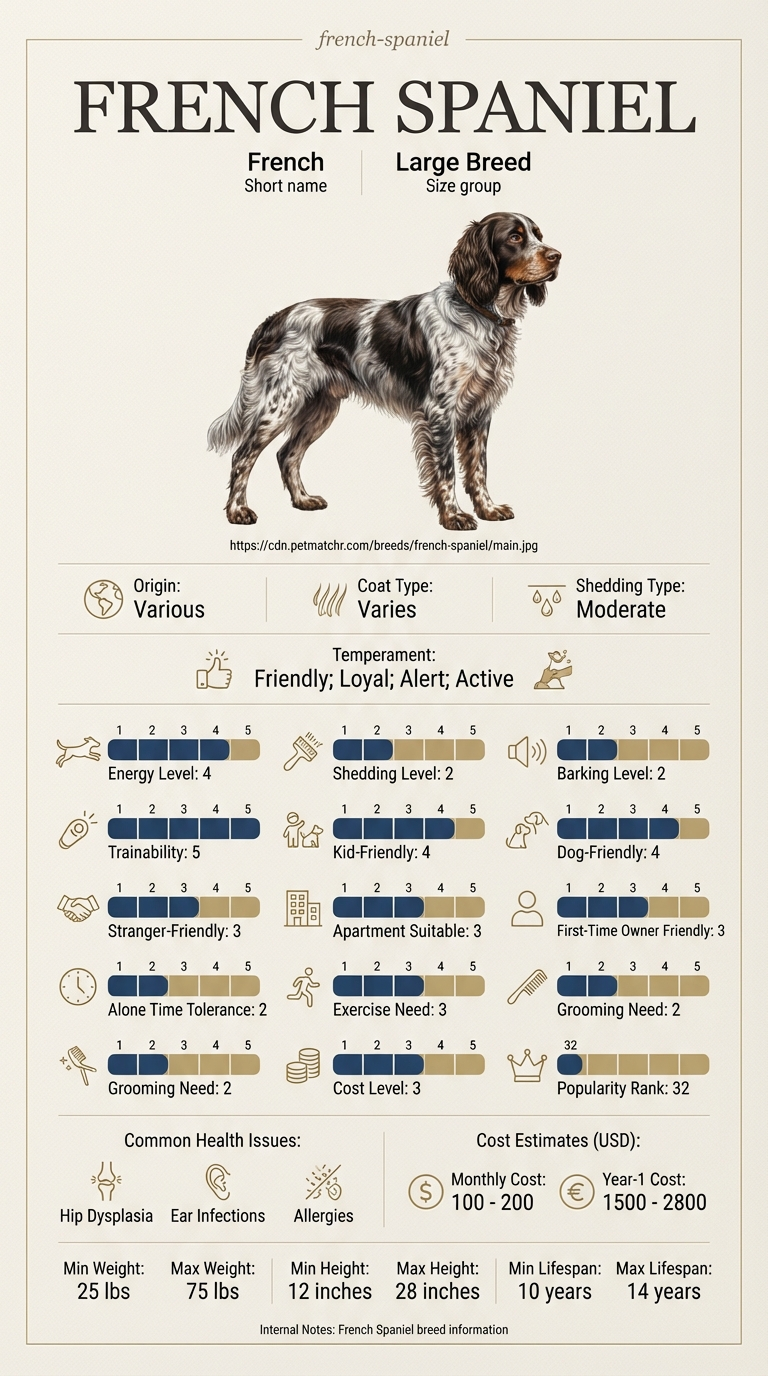
French Spaniel Brachycephalic Obstructive Airway Syndrome (BOAS) infographic

Owners of French Spaniels, especially those who live in warmer climates or are new to dog ownership, often find themselves dealing with the challenges of BOAS. Recognizing the signs and symptoms can be overwhelming, but it's essential for your dog's well-being.

Important reminder

This guide is not medical advice. If your dog shows pain, sudden behavior change, or worsening symptoms, consult a licensed veterinarian.

Some links may be affiliate links. We may earn a commission at no extra cost to you. We only suggest products we believe are helpful for dog owners.

What this problem looks like

French Spaniels, like many brachycephalic breeds, often face a frustrating issue known as brachycephalic obstructive airway syndrome (BOAS). This condition makes breathing difficult and can lead to snoring, coughing, and even heat sensitivity. These symptoms can significantly affect their quality of life and can be distressing for both the dog and their owner.

Common triggers

  • Hot weather can exacerbate breathing issues.
  • Physical exertion or exercise may lead to rapid breathing.
  • Stressful situations or anxiety can trigger breathing difficulties.

Brachycephalic obstructive airway syndrome is quite common in French Spaniels due to their unique skull shape. Many owners report noticing symptoms as early as puppyhood, making it essential for prospective owners to be aware of this issue when considering this breed.

Why this happens

Breed factors

French Spaniels, like many brachycephalic breeds, have a shorter skull shape. This can lead to narrowed airways and other respiratory issues. Their unique facial structure often means they struggle with breathing, especially during physical activity or in hot weather.

Environment factors

Environmental factors also play a role in BOAS. Hot temperatures, high humidity, and strenuous exercise can exacerbate breathing problems. Stress and anxiety in unfamiliar situations may further increase respiratory difficulties.

What you can try

At-home strategies

  • Maintain a cool environment for your French Spaniel. Use fans or air conditioning during hot days to help keep them comfortable.
  • Limit exercise during peak heat hours. Opt for early morning or late evening walks when temperatures are cooler.
  • Encourage calm behavior at home. Create a safe, quiet space where your dog can relax and feel secure.

When to consider a trainer

If your French Spaniel shows signs of stress or anxiety, consider consulting a trainer who specializes in behavior modification. They can help create a plan to manage these issues effectively.

When to talk to your vet

If your dog is frequently gasping for air, seems lethargic after minimal activity, or has a persistent cough, contact your vet. These could be signs of serious complications from BOAS that require medical attention.

Realistic expectations

You can expect to see improvements in your French Spaniel's breathing within a few weeks of starting training and management strategies. Long-term success may take several months, especially if surgery is involved.

Success looks like your French Spaniel being able to breathe more comfortably during exercise and rest. They should show less stress and a more relaxed demeanor, and you’ll notice fewer episodes of snoring or labored breathing.

Mistakes that make this worse – French Spaniel brachycephalic obstructive airway syndrome (boas)

If you're navigating French Spaniel brachycephalic obstructive airway syndrome (BOAS), avoiding common mistakes is crucial. Here are several behaviors that can inadvertently worsen the situation.

  • Ignoring signs of breathing distress: Overlooking symptoms like excessive panting or snoring can lead to serious health issues. Always monitor your French Spaniel's breathing and consult a vet if you notice anything unusual.
  • Excessive exercise in hot weather: French Spaniels can struggle with heat due to BOAS. Opt for shorter, cooler walks during the summer, and always bring water to keep them hydrated.
  • Allowing obesity: Weight can significantly impact your dog’s ability to breathe. Focus on a balanced diet and regular exercise to maintain a healthy weight.
  • Neglecting regular vet check-ups: Skipping routine check-ups can delay the identification of worsening symptoms. Regular visits help catch potential issues early.
  • Using harsh training methods: Stress can exacerbate breathing difficulties. Use positive reinforcement techniques for training to create a calm environment.
  • Not providing a comfortable resting area: A proper, cool resting place is essential for your dog’s comfort. Ensure they have access to a suitable area where they can relax safely.
  • Overlooking hydration: Dehydration can worsen breathing issues. Always provide fresh water, especially during warmer months.

When is it an Emergency?

Brachycephalic obstructive airway syndrome (BOAS) can be serious for your French Spaniel. Recognizing when to call your vet is crucial. If your dog is struggling to breathe, has blue-tinged gums, or collapses, these are red flags that require immediate veterinary attention.

French Spaniel Brachycephalic Obstructive Airway Syndrome (BOAS) - When is it an Emergency?

When to Monitor and Wait

In less severe cases, you can monitor your French Spaniel at home. If your dog is snoring or occasionally has labored breathing but is still active and eating normally, it might be safe to watch and wait. However, keep a close eye on any changes in behavior or health.

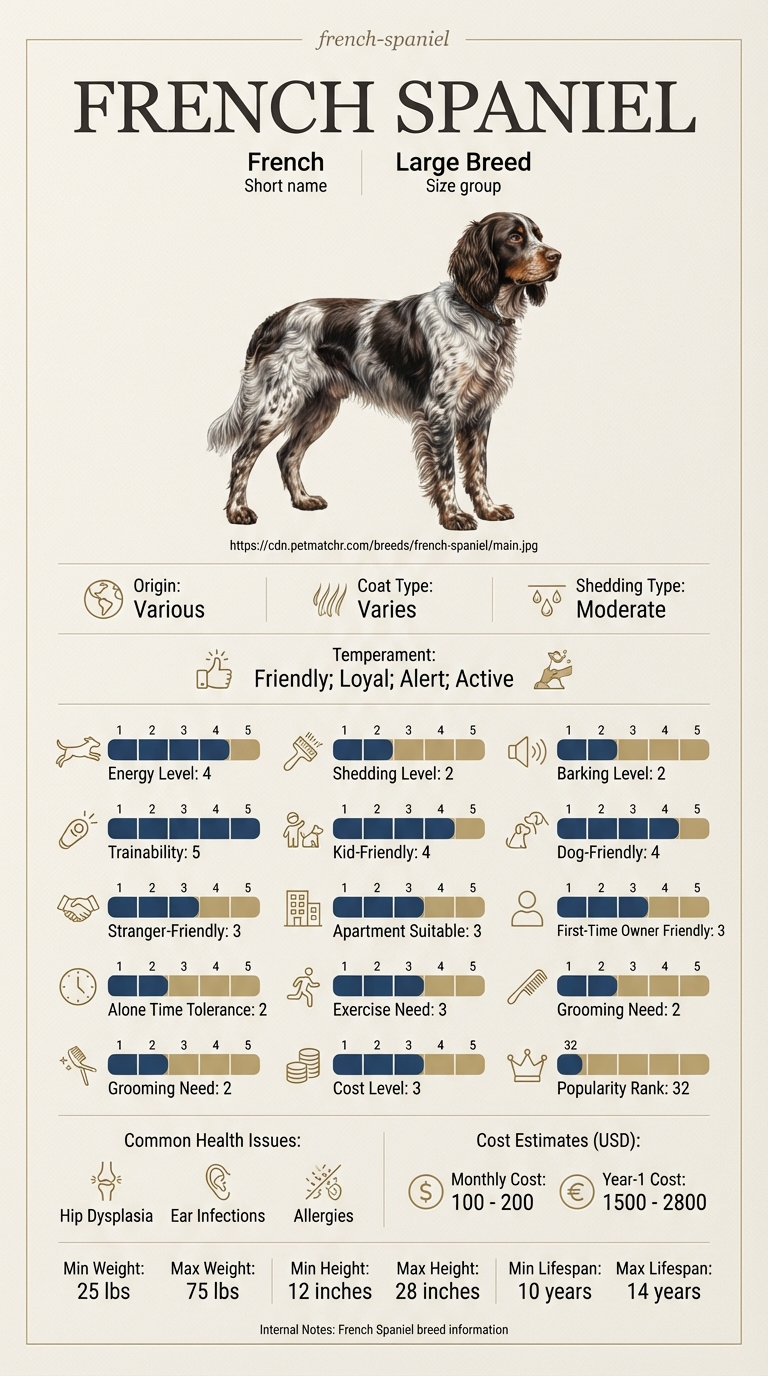
French Spaniel Brachycephalic Obstructive Airway Syndrome (BOAS) - When to Monitor and Wait

Emma and Max's Journey with BOAS

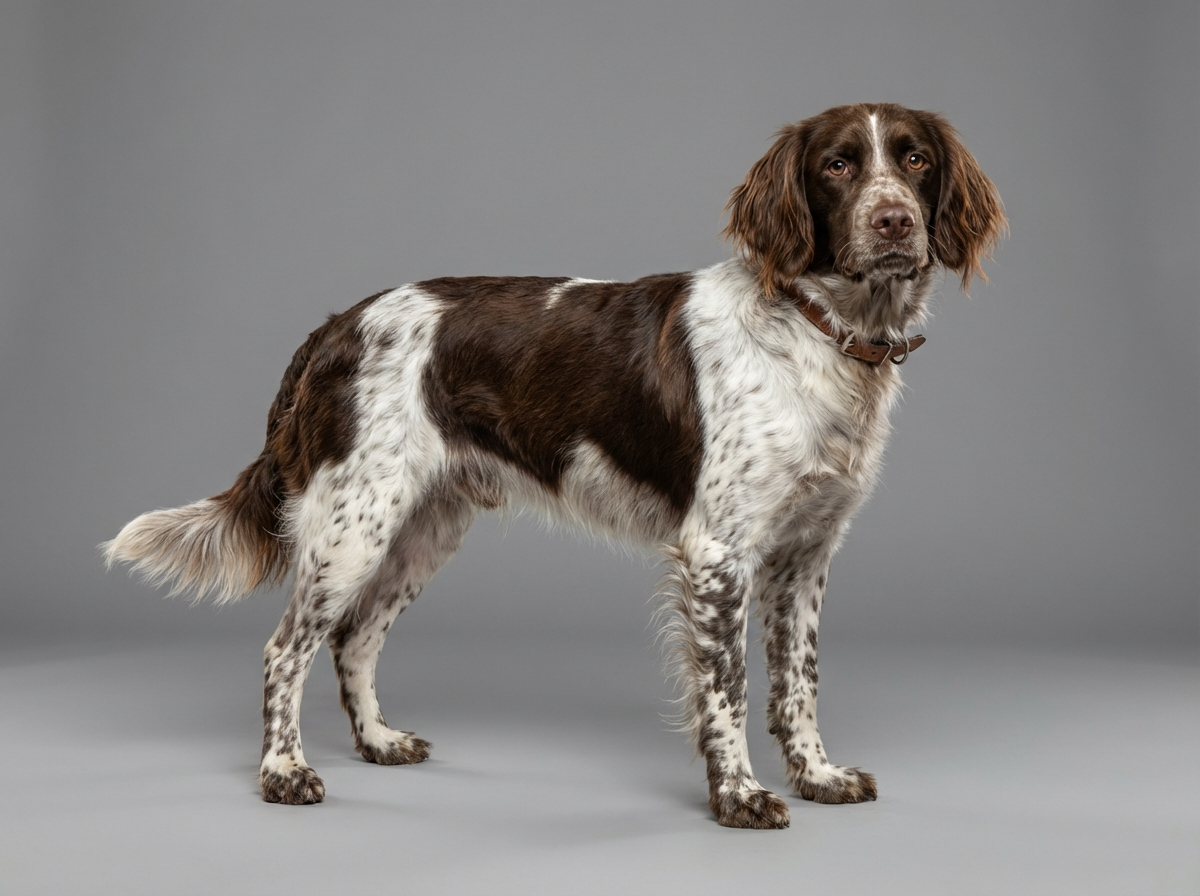
Emma, a first-time dog owner, adopted Max, a French Spaniel. She quickly noticed that he struggled to breathe during walks and often snored loudly at night. Concerned, Emma took him to the vet, who diagnosed him with brachycephalic obstructive airway syndrome (BOAS). Together, they developed a training plan that included gentle exercises, weight management, and avoiding heat. Over the next few months, Max's breathing improved significantly, and they enjoyed longer walks together. Emma learned the importance of regular vet check-ups and how to recognize signs of discomfort in her dog.

Key takeaway: With the right management and training, owners can greatly improve the quality of life for French Spaniels suffering from BOAS.
Frequently asked questions

Why does my French Spaniel have brachycephalic obstructive airway syndrome (boas)?

Brachycephalic obstructive airway syndrome (BOAS) occurs due to the unique structure of your French Spaniel's face. Their short snout can lead to narrowed airways, causing breathing difficulties. This condition is common in breeds with brachycephalic features. This answer relates to French Spaniel brachycephalic obstructive airway syndrome (boas).

How can I help my French Spaniel with brachycephalic obstructive airway syndrome (boas)?

To help your French Spaniel with BOAS, ensure they maintain a healthy weight and avoid strenuous exercise, especially in hot weather. Regular vet check-ups can help monitor their breathing and overall health. Training your dog to be calm can also reduce stress and improve their breathing.

Are there specific training techniques for French Spaniels with BOAS?

Yes, focus on gentle training techniques that promote calmness. Avoid high-energy activities and use positive reinforcement to encourage relaxed behaviors. Gradually introducing short training sessions can also help without overwhelming them.

What signs should I watch for in my French Spaniel if they have BOAS?

Look for signs like excessive snoring, difficulty breathing during exercise, or fainting spells. If your French Spaniel seems to struggle while breathing, it’s important to consult your vet. Early intervention can help manage their condition effectively.

Is surgery an option for French Spaniels with brachycephalic obstructive airway syndrome (boas)?

Surgery may be an option for severe cases of BOAS. The procedure can help improve airflow by correcting anatomical issues. Always discuss the risks and benefits with your veterinarian before making a decision.

What are the signs of brachycephalic obstructive airway syndrome (boas) in my French Spaniel?

Common signs of BOAS include heavy breathing, snoring, and difficulty exercising. You might also notice your French Spaniel struggling to breathe when it's hot or excited. If any of these symptoms occur, consider consulting your vet.

How can I help my French Spaniel with brachycephalic obstructive airway syndrome (boas) during hot weather?

Keep your French Spaniel cool by providing plenty of shade and fresh water. Limit outdoor activities during the hottest parts of the day and consider using cooling mats. Always monitor your dog closely for any signs of distress.

Can brachycephalic obstructive airway syndrome (boas) worsen as my French Spaniel ages?

Yes, BOAS can become more severe as your dog gets older. Weight gain and other health issues may contribute to worsening symptoms. Regular vet check-ups are vital for managing their condition as they age.

What should I do if my French Spaniel has a severe episode of breathing difficulty?

If your French Spaniel shows severe breathing issues, such as gasping or turning blue, seek emergency veterinary care immediately. It's important to act quickly to ensure your dog's safety.

Are there specific training techniques to help my French Spaniel with brachycephalic obstructive airway syndrome (boas)?

Training techniques that promote calm behavior can be beneficial. Focus on positive reinforcement to encourage relaxed behavior and avoid overexertion during walks. A professional trainer familiar with BOAS may provide tailored advice.

Quick answers

View more answers
Behavior

What are quick tips for managing French Spaniel BOAS?

Keep your French Spaniel cool and avoid exercise during hot weather. Monitor their weight closely to prevent excess strain on their airways. Regular vet visits are crucial for maintaining their health.

Health

How can I tell if my French Spaniel is having breathing issues?

Watch for signs like loud snoring, labored breathing, or excessive panting. If they seem distressed or have difficulty resting, seek veterinary advice.

Living

Can lifestyle changes help my French Spaniel with BOAS?

Yes, lifestyle changes like a balanced diet and limited exercise can greatly improve their quality of life. Keeping them calm and stress-free also helps with their breathing.

Related DogBreedCompass guides

Related guides