Living
What are quick tips for managing French Bulldog allergies?
Keep your home clean, use hypoallergenic bedding, and bathe your Frenchie regularly with allergy-friendly shampoos. Monitor their diet closely to avoid known allergens.

Quick answer
What are quick tips for managing French Bulldog allergies?
Keep your home clean, use hypoallergenic bedding, and bathe your Frenchie regularly with allergy-friendly shampoos. Monitor their diet closely to avoid known allergens.
French Bulldog allergies can cause discomfort and health issues for these lovable companions.
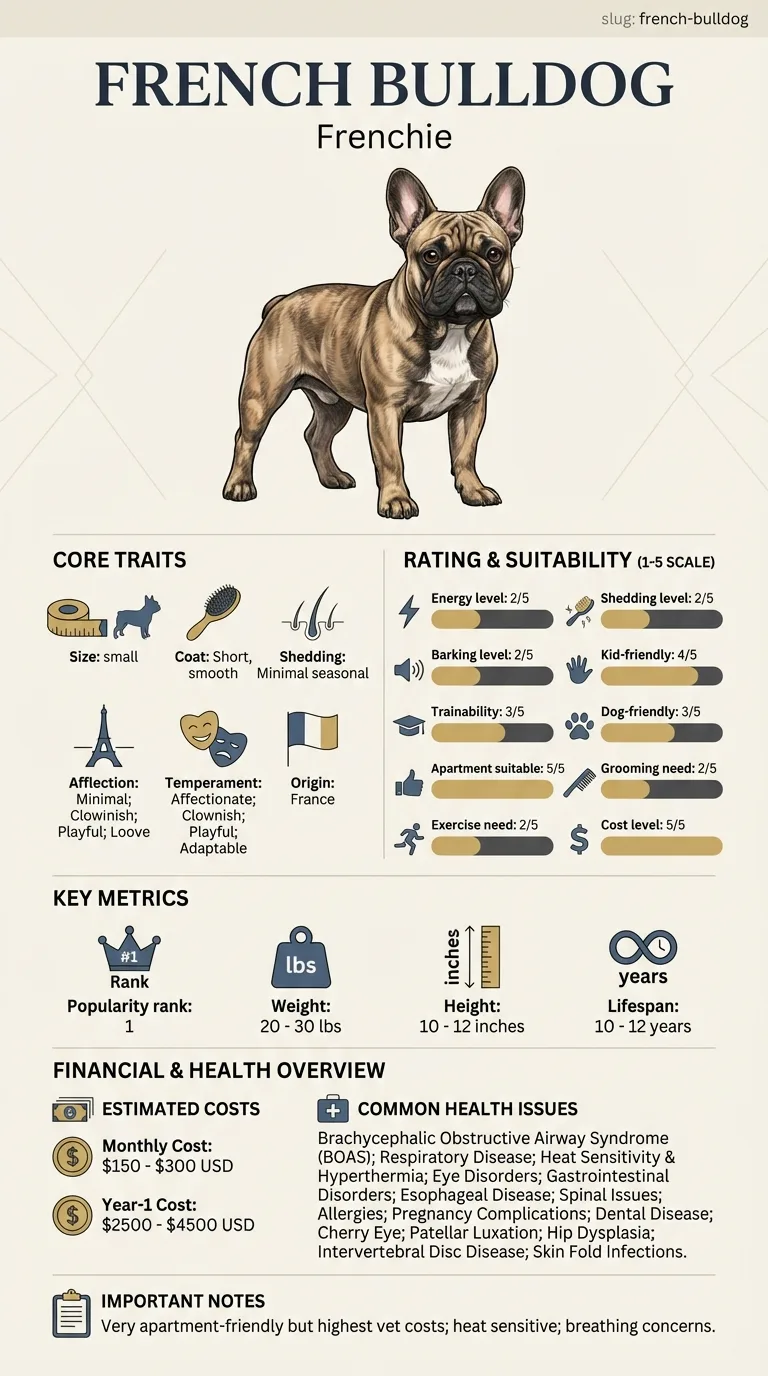
Many French Bulldog owners find themselves struggling with allergies, especially those who live in urban areas with higher pollution or have homes with various allergens. New pet parents may feel overwhelmed when their Frenchie shows signs of discomfort, such as excessive scratching, sneezing, or gastrointestinal issues.
This guide is not medical advice. If your dog shows pain, sudden behavior change, or worsening symptoms, consult a licensed veterinarian.
Some links may be affiliate links. We may earn a commission at no extra cost to you. We only suggest products we believe are helpful for dog owners.
We research and check what we publish, but we do not warrant that any figure, date, price, or statement is accurate, complete, or current, and we accept no liability for any loss, cost, injury, or other harm arising from the use of this site. Use it as one reference among several. You remain responsible for your own decisions and for your dog's care - confirm anything that matters with a licensed veterinarian or another qualified professional before you act on it. Full disclaimer.
Check this first
French Bulldog allergies can be frustrating for both you and your furry friend. However, it's crucial to know when to act quickly. Certain signs indicate that you should call your vet immediately, while other symptoms can be monitored at home with a plan.
Red-Flag Signs (Call Your Vet Now): - Severe Skin Reactions: If your Frenchie has swelling, redness, or hives that seem to worsen quickly. - Difficulty Breathing: Watch for wheezing, excessive panting, or distress when breathing. - Persistent Vomiting or Diarrhea: If these happen frequently and are accompanied by lethargy or dehydration.
- Facial Swelling: Swelling around the eyes, mouth, or throat can indicate an allergic reaction that needs immediate care. - Severe Ear Infections: When your French Bulldog is shaking their head excessively, has a foul odor from the ears, or is in noticeable pain.
Mild Cases (Watch and Wait): - Occasional Itching or Scratching: If your dog scratches occasionally but isn’t causing damage to their skin. - Minor Ear Discomfort: If there’s slight ear shaking without severe symptoms. - Sneezing or Mild Coughing: These can indicate environmental allergies but are not always serious.
- Seasonal Allergies: If your Frenchie shows symptoms that seem to flare up during certain times of the year but are manageable at home.
For mild symptoms, keep a close eye on your Frenchie and consider strategies on how to stop French Bulldog allergies, such as changing their diet or using hypoallergenic products. Always have a plan in place to monitor their condition, and don’t hesitate to reach out to your vet if things change.
If any of these apply, call your vet or an emergency clinic now. The rest of this page is for the cases that are not an emergency.
French Bulldog allergies can manifest as itching, redness, and skin infections, often causing discomfort for your Frenchie. These issues might lead to chronic ear infections, which can be frustrating for both the dog and owner. Allergies in French Bulldogs can stem from food ingredients or environmental factors like pollen or dust mites. Understanding the triggers can help provide relief and improve your dog's quality of life.
Allergies are a common issue for French Bulldogs, with many experiencing some form of allergy in their lifetime. As a breed known for its sensitive skin, it's not unusual for these dogs to face allergy-related challenges, making it essential for owners to be vigilant and proactive.
French Bulldogs are prone to allergies due to their unique genetics and physical structure. Their brachycephalic nature can lead to increased sensitivity to allergens, both in food and the environment. Additionally, their skin folds can trap moisture and bacteria, making them more susceptible to skin infections and allergic reactions.
Environmental factors also play a significant role in French Bulldog allergies. Pollens, dust mites, mold, and certain fabrics can trigger allergic responses. If you live in a region with high pollen counts or have pets that shed dander, your Frenchie may be more likely to experience allergies. Poor air quality or exposure to harsh chemicals can worsen these reactions.
Consult your vet if your French Bulldog shows signs of severe allergic reactions, such as persistent itching, swelling, or difficulty breathing. They can perform allergy tests and provide treatment options to help manage your dog's allergies effectively.
Avoiding these common mistakes can help your French Bulldog manage allergies more effectively.
See all French Bulldog health problems, which breeds are prone to allergies, or the full French Bulldog breed guide for temperament, exercise needs and ownership costs.
You can expect to see improvements within 4 to 8 weeks of consistent care and management strategies.
Success means your French Bulldog experiences fewer allergy symptoms, such as itching or skin infections, and is more comfortable in their environment.
When Jenna adopted Bella, her lovable French Bulldog, she quickly noticed Bella scratching and licking her paws excessively. After a trip to the vet, Jenna learned that Bella had food and environmental allergies. Determined to help her furry friend, Jenna started a tailored diet plan and began a routine of allergy management, including regular baths with hypoallergenic shampoo. After a few weeks, Bella's scratching reduced significantly, and her energy levels returned to normal. Jenna also discovered that limiting Bella's exposure to common allergens like dust and pollen made a huge difference. By being proactive and patient, Jenna turned Bella's health around, allowing them both to enjoy their time together without constant discomfort.
Key takeaway: Identifying and managing allergies in your French Bulldog requires patience and consistency, but the relief it brings is worth the effort.
French Bulldogs can develop allergies due to genetic predisposition, environmental factors, or certain food ingredients. Common allergens include pollen, dust mites, and specific proteins in their diet. If you notice symptoms like itching or skin infections, consult your vet to identify triggers.
To manage French Bulldog allergies, start by eliminating known allergens from their environment and diet. Consider hypoallergenic dog food and regular cleaning to reduce dust and pollen exposure. If symptoms persist, your vet may recommend allergy testing or medication.
Common symptoms include excessive itching, red or inflamed skin, ear infections, and gastrointestinal issues. If your Frenchie is constantly scratching or has frequent ear problems, it’s essential to consult with your veterinarian to identify the underlying cause.
While training can't cure allergies, it can help manage behaviors associated with discomfort. Teaching your French Bulldog to avoid allergens or redirecting their focus during allergy flare-ups can improve their quality of life. Always consult with your vet for tailored strategies.
Yes, many French Bulldogs are sensitive to common ingredients like chicken, beef, dairy, and grains. If you suspect food allergies, consider switching to a limited ingredient diet under your vet's guidance to identify and eliminate triggers.
For ongoing allergy issues, regular vet check-ups every 6 to 12 months are recommended. Your vet can monitor your French Bulldog's condition and adjust treatment plans as needed to ensure they remain comfortable.
Some French Bulldogs may outgrow certain allergies, especially food-related ones, as they age. However, environmental allergies tend to persist throughout their lives. Regular vet check-ups can help manage these allergies effectively.
Food allergies often cause gastrointestinal issues and skin problems that may appear after eating. Environmental allergies typically result in symptoms like itching and sneezing that worsen during specific seasons or after exposure to allergens like pollen or dust. Keeping a symptom diary can help identify patterns.
If your French Bulldog shows persistent symptoms such as itching, ear infections, or gastrointestinal issues, it’s time to visit the vet. Additionally, if symptoms worsen or if you notice signs of distress, seeking veterinary advice is crucial.
Yes, treatments for French Bulldog allergies can include antihistamines, special diets, and allergy shots. Your vet can recommend the best course of action based on your dog's specific needs. It's important to avoid self-medication, as some human medications can be harmful to dogs.
Keep your home clean, use hypoallergenic bedding, and bathe your Frenchie regularly with allergy-friendly shampoos. Monitor their diet closely to avoid known allergens.
Signs of food allergies include itching, digestive issues, and recurring ear infections. Keep a food diary and consult your vet if symptoms occur after eating.
Treating allergies in French Bulldogs can range from $200 to $1,000 annually, depending on the severity and treatment options. Regular vet visits and medication can add to this cost.
While specific training won't resolve allergies, positive reinforcement can help your French Bulldog manage their behavior during allergy flare-ups, making them more comfortable.
A one-page prep sheet for this condition: the signs, the questions to ask, what to get priced. Unlocks here.
You get: Vet visit prep sheet
No spam. One-click unsubscribe. See our privacy policy.
Preview page 1 before you decide.