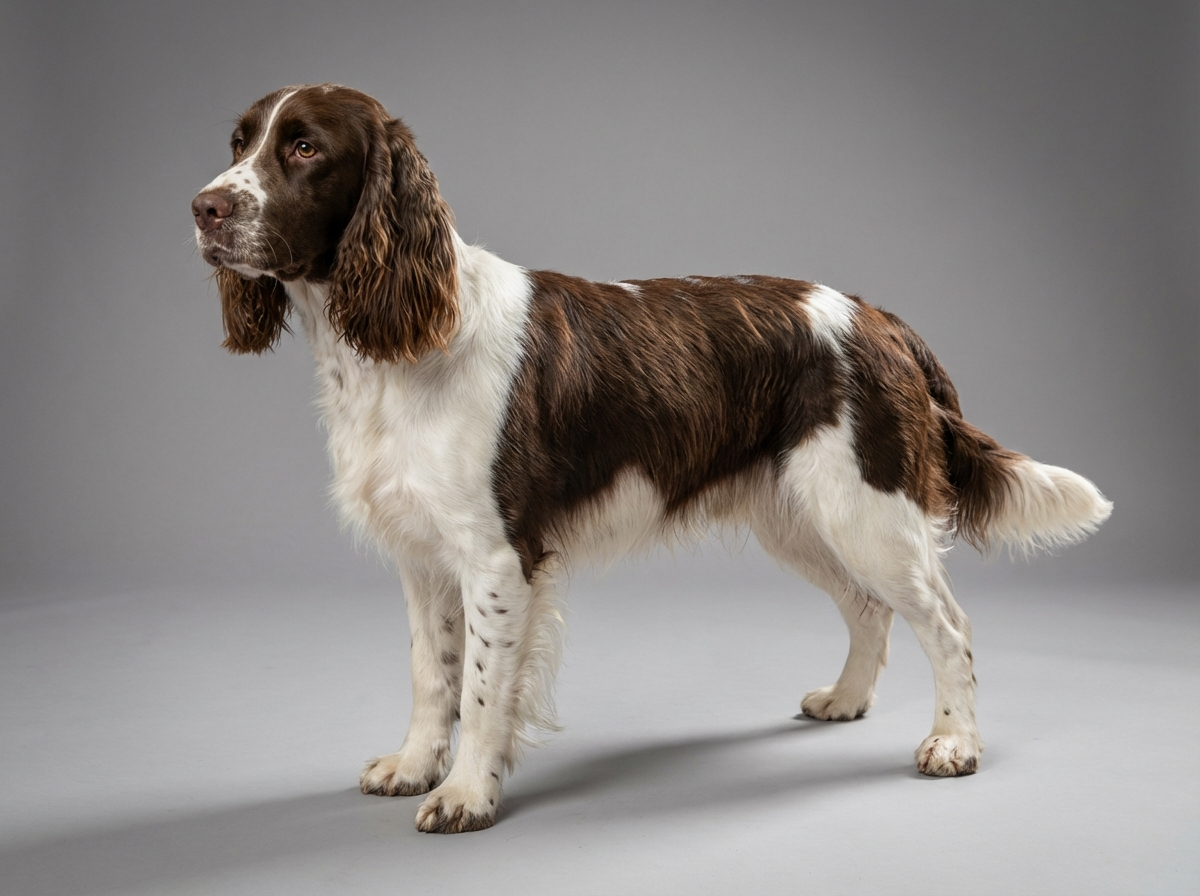
How to stop English Springer Spaniel wobbler syndrome?
Stopping wobbler syndrome isn't possible, but managing symptoms through veterinary care and supportive therapies can greatly help. Regular check-ups are essential for monitoring progress.
English Springer Spaniel wobbler syndrome can lead to serious mobility issues. This condition affects your dog's cervical spine, leading to wobbling and instability.

Owners of English Springer Spaniels, especially those who are active and energetic, may find this issue challenging. It often affects dogs in their middle to later years, making it a concern for families who want their pets to remain healthy and active.
This guide is not medical advice. If your dog shows pain, sudden behavior change, or worsening symptoms, consult a licensed veterinarian.
Some links may be affiliate links. We may earn a commission at no extra cost to you. We only suggest products we believe are helpful for dog owners.
English Springer Spaniel wobbler syndrome is a serious condition that affects a dog's coordination and balance. Dogs with this syndrome may show signs of wobbling when they walk, have difficulty standing straight, or struggle to jump. This can lead to frustration for both the dog and the owner, making daily activities challenging.
Wobbler syndrome is relatively common in English Springer Spaniels, particularly as they age. It's important for owners to be aware of this condition and monitor their pets for any signs of imbalance or discomfort.
English Springer Spaniels have a genetic predisposition to wobbler syndrome, which is a condition that affects the cervical spine. This breed's medium size and active lifestyle can amplify the risk of spinal issues. The structure of their neck and vertebrae can lead to instability, making them more susceptible to this syndrome.
Environmental factors can also contribute to wobbler syndrome. For example, high-impact activities or rough play can exacerbate spinal instability. Additionally, if your dog is overweight, this added weight can put more pressure on the spine, potentially worsening the condition.
If your English Springer Spaniel struggles with basic commands or exhibits signs of anxiety during training, consider hiring a professional trainer. They can help tailor a training plan that accommodates your dog's needs while avoiding movements that might aggravate wobbler syndrome.
Talk to your vet if you notice any signs of wobbler syndrome, such as difficulty walking, loss of coordination, or neck pain. Early intervention can help manage the condition and improve your dog's quality of life.
With consistent training and veterinary guidance, you may start to see improvements in your English Springer Spaniel's symptoms within 4 to 8 weeks.
Success means your dog can move with more stability and confidence, showing reduced wobbling and improved overall mobility.
Many pet owners inadvertently worsen their English Springer Spaniel's wobbler syndrome. Here are some common mistakes to avoid.
Recognizing when English Springer Spaniel wobbler syndrome becomes an emergency is crucial for your dog's health. Some symptoms indicate you should call your vet immediately, while others can be monitored over time.
**Red-Flag Signs to Call Your Vet Now:** - Severe loss of coordination or staggering. - Sudden paralysis in the limbs. - Persistent vomiting or inability to eat. - Noticeable pain when moving or handling your dog. - Difficulty breathing or other respiratory issues.
These signs can indicate severe neurological damage or other serious health issues that require immediate attention.
**Mild Cases to Monitor:** - Occasional wobbly gait without other symptoms. - Slight reluctance to move or play but no signs of pain. - Temporary clumsiness after strenuous activity.
In these situations, you can create a watch-and-wait plan. Monitor your dog's behavior, keep a journal of any changes, and consult your vet if symptoms worsen or don't improve within a few days. However, always err on the side of caution. If you are unsure, it’s better to get your dog checked out.

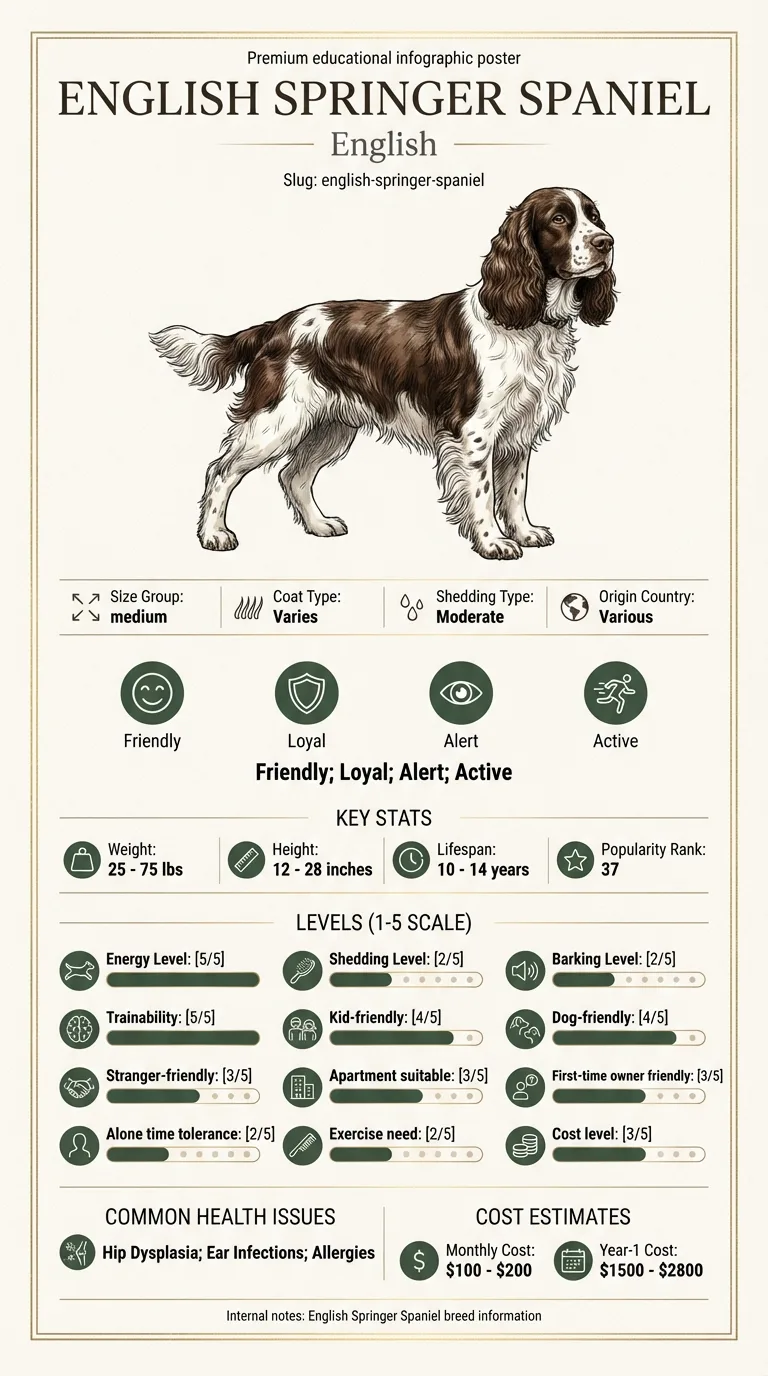
When Jessica adopted Charlie, her English Springer Spaniel, she quickly noticed he had trouble maintaining his balance. After a vet diagnosed him with wobbler syndrome, Jessica felt overwhelmed. She dedicated herself to a training regimen focused on strengthening Charlie's neck and back through gentle exercises and proper leash handling. With patience, Charlie started to regain his confidence. Within a few months, he was trotting around the park without wobbling, much to Jessica's relief. Their bond deepened as they navigated this challenge together, with Charlie now enjoying life to the fullest.
Key takeaway: Early diagnosis and a structured training plan can significantly improve your dog's quality of life when dealing with wobbler syndrome.
English Springer Spaniel wobbler syndrome is a neurological condition caused by cervical vertebral instability. It affects the spinal cord and can lead to coordination issues, weakness, and wobbling in the dog's gait.
Wobbler syndrome can be caused by genetic factors, age, or injury. If your English Springer Spaniel shows symptoms, it's important to consult a veterinarian for a proper diagnosis and treatment plan.
To help manage English Springer Spaniel wobbler syndrome, your vet may recommend medications, physical therapy, or, in severe cases, surgery. Regular exercise and supportive care are also essential for maintaining their quality of life.
While training cannot cure wobbler syndrome, it can help strengthen muscles and improve coordination. Engaging in gentle exercises and obedience training can be beneficial, but always consult your vet before starting any new regimen.
Signs of wobbler syndrome include wobbling or swaying while walking, difficulty rising, and weakness in the legs. If you notice these symptoms, it's crucial to see a veterinarian for assessment.
Treatment for wobbler syndrome can range from $500 to $7,000, depending on the severity and required interventions. Early diagnosis and treatment can help manage costs and improve outcomes.
Early signs of wobbler syndrome can include difficulty walking, unsteady gait, and a tendency to stumble. You might also notice your dog having trouble with coordination or appearing to drag their back legs. If you see these symptoms, it's important to consult your vet.
Diagnosis typically involves a thorough physical examination, neurological tests, and imaging studies like X-rays or MRIs. Your veterinarian will look for signs of cervical vertebral instability and rule out other potential issues. Early diagnosis can lead to better management of the condition.
In some cases, wobbler syndrome can be managed with physical therapy, weight management, and anti-inflammatory medications. However, the effectiveness of these treatments varies. It's essential to work closely with your vet to determine the best approach for your dog's specific situation.
If your dog exhibits signs of pain, such as whining, reluctance to move, or sensitivity to touch, it's crucial to contact your veterinarian right away. They can assess your dog's condition and recommend appropriate pain management strategies to improve their comfort.
Wobbler syndrome can have a genetic component, especially in certain breeds like the English Springer Spaniel. While not all dogs will develop this condition, it's important to be aware of the potential risks. Responsible breeding practices can help reduce the incidence of this syndrome in future generations.
Stopping wobbler syndrome isn't possible, but managing symptoms through veterinary care and supportive therapies can greatly help. Regular check-ups are essential for monitoring progress.
Keep your dog's environment safe to prevent falls and injuries. Consider using ramps for easy access to furniture and avoid excessive jumping or running.
Training can help improve muscle strength and coordination, but should be approached gently. Always consult your vet for tailored exercises that suit your dog's needs.
A balanced diet is crucial for dogs with wobbler syndrome. Look for high-quality foods that support joint health and maintain a healthy weight to reduce strain on the spine.
Some supplements, like omega-3 fatty acids and glucosamine, may help support joint health. Always check with your vet before adding any new supplements to your dog's diet.