DogBreedCompass
← Back to breed profile

English Springer Spaniel Respiratory Disease: What You Need to Know

English Springer Spaniel respiratory disease can be a serious issue for your dog. This condition often leads to breathing difficulties and can significantly impact their quality of life.

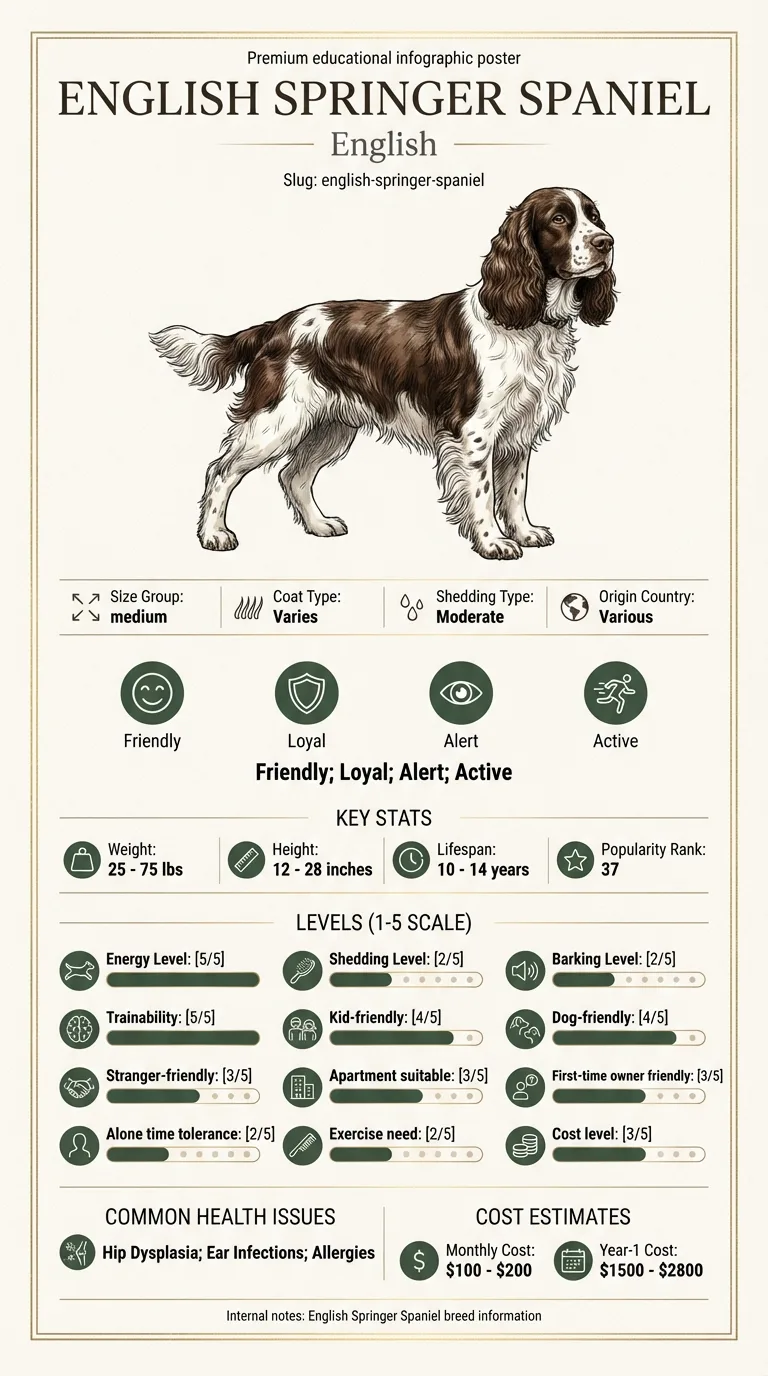
English Springer Spaniel Respiratory Disease: What You Need to Know infographic

Typical owners include those who are new to the breed or families with busy lifestyles. They often notice symptoms like coughing, wheezing, or labored breathing, and they may feel overwhelmed when trying to find solutions.

Important reminder

This guide is not medical advice. If your dog shows pain, sudden behavior change, or worsening symptoms, consult a licensed veterinarian.

Some links may be affiliate links. We may earn a commission at no extra cost to you. We only suggest products we believe are helpful for dog owners.

What this problem looks like

English Springer Spaniel respiratory disease can present as coughing, difficulty breathing, or excessive panting. These symptoms can disrupt daily activities and affect your dog's quality of life. If your Springer seems lethargic or has a reduced appetite, it may be time to investigate potential respiratory issues.

Common triggers

  • Allergies to pollen or dust
  • Obesity, which can exacerbate breathing problems
  • Exposure to smoke or other pollutants
  • Infections or underlying health conditions

This respiratory disease is notably more common in English Springer Spaniels than in many other breeds, with a risk that is 479% higher than non-brachycephalic dogs. Many owners report seeing symptoms by the time their dog is middle-aged, making awareness and early intervention crucial.

Why this happens

Breed factors

English Springer Spaniels can be prone to respiratory diseases due to their medium size and certain genetic traits. Some breeds, including the English, may have inherited vulnerabilities that make them more susceptible to respiratory issues.

Environment factors

Environmental factors can also play a significant role. Poor air quality, exposure to smoke, and allergens can aggravate respiratory conditions. Additionally, living in high-temperature areas can increase the risk, especially during hot weather.

What you can try

At-home strategies

  • Maintain a smoke-free environment and limit your dog's exposure to allergens like dust and pollen.
  • Ensure your English Springer Spaniel gets regular, moderate exercise to help maintain a healthy weight and lung capacity.
  • Use air purifiers indoors to improve air quality and reduce respiratory irritants.
  • Monitor your dog's breathing closely. If you notice coughing or wheezing, take notes on when it happens and what triggers it.

When to consider a trainer

If your English Springer Spaniel exhibits anxiety-related respiratory issues, a professional trainer can help with behavior modification techniques. Look for trainers who specialize in anxiety and stress management for dogs.

When to talk to your vet

Consult your vet if you notice any persistent coughing, lethargy, or difficulty breathing. It's essential to address these symptoms early, as they may indicate a more serious condition. Regular check-ups are crucial to monitor any developing health issues.

Realistic expectations

You should start to see improvements in your English Springer Spaniel's breathing within 4 to 6 weeks of consistent training and care adjustments. Long-term management may take several months.

Success means your dog is able to breathe more easily during exercise, shows less distress when at rest, and has fewer coughing or wheezing episodes. Regular vet check-ups will also confirm the absence of serious underlying issues.

Mistakes that make this worse

Managing your English Springer Spaniel's respiratory disease requires careful attention. Here are some common mistakes to avoid that could worsen the situation.

  • Ignoring early signs of trouble: Many owners overlook coughing or wheezing, thinking it’s nothing serious. Always consult your vet if you notice these symptoms early.
  • Overexerting your dog: Taking your English Springer Spaniel on long walks or strenuous play can exacerbate respiratory issues. Stick to shorter, gentler activities that keep them comfortable.
  • Neglecting weight management: Being overweight can strain your dog's respiratory system. Ensure your dog maintains a healthy weight with a balanced diet and regular vet check-ups.
  • Using harsh training methods: Yelling or using harsh corrections can increase stress and anxiety, worsening respiratory symptoms. Opt for positive reinforcement techniques to encourage good behavior.
  • Keeping your home poorly ventilated: A stuffy home can aggravate respiratory problems. Ensure proper airflow and consider using air purifiers to keep the environment fresh.
  • Skipping regular vet visits: Some owners think once their dog is stable, they don’t need to see the vet again. Regular check-ups are crucial to monitor any changes in their condition.
  • Ignoring environmental factors: Smoke, dust, and other allergens can worsen respiratory disease. Keep your home clean and avoid exposing your dog to smoke or harsh chemicals.

When English Springer Spaniel Respiratory Disease is an Emergency

Respiratory issues in your English Springer Spaniel can sometimes be serious. Knowing when to act quickly can save your dog's life. Here’s how to distinguish between an emergency and a situation that can be monitored at home.

English Springer Spaniel Respiratory Disease: What You Need to Know - When English Springer Spaniel Respiratory Disease is an Emergency

Red Flag Signs: Call Your Vet Now

If you observe any of these symptoms, it's crucial to get veterinary help immediately:

English Springer Spaniel Respiratory Disease: What You Need to Know - Red Flag Signs: Call Your Vet Now
  • Gasping for air or extreme difficulty breathing
  • Coughing up blood or excessive mucus
  • Blue-tinged gums or tongue
  • Weakness or collapse
  • Severe wheezing or grunting sounds

Mild Cases: Monitor and Wait

In less severe cases, you can manage your English Springer Spaniel's condition at home. Keep an eye out for these symptoms:

English Springer Spaniel Respiratory Disease: What You Need to Know - Mild Cases: Monitor and Wait
  • Occasional sneezing or coughing
  • Mild lethargy without significant distress
  • Slight nasal discharge
  • Changes in appetite or drinking habits

Monitoring Plan for Mild Cases

If your English Springer Spaniel is showing mild symptoms, create a plan to monitor their condition. Keep track of any changes and consult your vet if symptoms worsen or persist for more than a day or two. Always prioritize your dog’s comfort and well-being.

Samantha's Journey with Max's Respiratory Issues

Samantha, a busy nurse in Seattle, noticed her English Springer Spaniel, Max, would often cough after playing fetch. After a vet visit, she learned that Max had respiratory disease, which is common in this breed. Determined to help him, she modified his playtime, opting for shorter, less intense sessions. She also enrolled in a training program focused on breathing exercises for dogs. With patience and consistency, Samantha saw significant improvements in Max's breathing over the next few months.

Key takeaway: Managing respiratory disease in dogs requires a combination of vet guidance, tailored training, and lifestyle adjustments. Be proactive and patient, as improvements take time.

Frequently asked questions

Why does my English Springer Spaniel have respiratory disease?

English Springer Spaniels can develop respiratory disease due to various factors, including genetic predispositions and environmental triggers. Common signs include coughing, wheezing, and difficulty breathing. If you notice these symptoms, it’s essential to consult a veterinarian.

How can I stop my English Springer Spaniel from developing respiratory disease?

Preventing respiratory disease in your English Springer Spaniel starts with regular vet check-ups. Ensure your dog maintains a healthy weight, gets enough exercise, and avoids exposure to irritants like smoke or pollution. Early detection and intervention are key.

What are the training methods for English Springer Spaniel respiratory disease?

Training methods for managing respiratory issues include positive reinforcement for calm behavior and gradually introducing your dog to new environments. Avoid overexertion, especially in hot or humid weather, which can exacerbate respiratory problems.

Can environmental factors worsen respiratory disease in English Springer Spaniels?

Yes, environmental factors like smoke, dust, and pollen can worsen respiratory disease in English Springer Spaniels. Keeping your home clean and minimizing exposure to allergens can help manage their condition effectively.

What should I do if my English Springer Spaniel shows signs of respiratory disease?

If your English Springer Spaniel shows signs of respiratory disease, such as coughing or labored breathing, contact your veterinarian immediately. They can perform tests and recommend the best treatment options for your dog.

What symptoms should I look for in my English Springer Spaniel with respiratory disease?

Watch for signs like coughing, wheezing, labored breathing, or excessive panting. If your dog seems lethargic or reluctant to exercise, this could indicate respiratory distress. Early detection is key to managing English Springer Spaniel respiratory disease.

Can English Springer Spaniels develop respiratory disease as they age?

Yes, older English Springer Spaniels are at a higher risk for respiratory issues. Their immune systems weaken with age, making them more susceptible to infections and diseases. Regular vet check-ups can help monitor their respiratory health as they age.

When should I take my English Springer Spaniel to the vet for breathing problems?

If your dog exhibits persistent coughing, difficulty breathing, or unusual fatigue, it's important to consult a vet promptly. These symptoms can worsen quickly and may indicate serious conditions related to English Springer Spaniel respiratory disease.

How can I help my English Springer Spaniel with respiratory disease at home?

Create a calm environment, reduce exposure to allergens, and ensure your dog has ample hydration. Additionally, keeping your home well-ventilated can help ease breathing difficulties. Consult with your vet for tailored strategies.

Is there a specific diet that can help an English Springer Spaniel with respiratory issues?

A balanced diet that supports overall health can benefit your English Springer Spaniel. Foods rich in Omega-3 fatty acids may help reduce inflammation. Always consult your vet before making significant changes to your dog's diet.

Quick answers

View more answers
Behavior

What are quick tips for managing English Springer Spaniel respiratory disease?

To manage respiratory disease in your English Springer Spaniel, ensure regular vet visits and maintain a smoke-free home. Keep your dog well-hydrated and monitor their weight to reduce strain on their lungs.

Living

How can I improve my English Springer Spaniel's breathing at home?

Improving your English Springer Spaniel's breathing can involve using air purifiers to reduce allergens and ensuring they have a comfortable, cool place to rest. Also, limit strenuous activities on hot days.

Training

Are there specific exercises for an English Springer Spaniel with respiratory issues?

Gentle, low-impact exercises are best for an English Springer Spaniel with respiratory issues. Short walks or play sessions can help, but always monitor their breathing and stop if they show signs of distress.

Related DogBreedCompass guides

Related guides