Living
What quick tips can help with English Cocker Spaniel neurologic disease?
Maintain a nutritious diet and ensure regular exercise to support overall health. Keep a consistent routine to minimize stress for your dog.

Quick answer
What quick tips can help with English Cocker Spaniel neurologic disease?
Maintain a nutritious diet and ensure regular exercise to support overall health. Keep a consistent routine to minimize stress for your dog.
English Cocker Spaniel neurologic disease can pose serious challenges for both dogs and their owners. Understanding this condition is crucial for effective management.
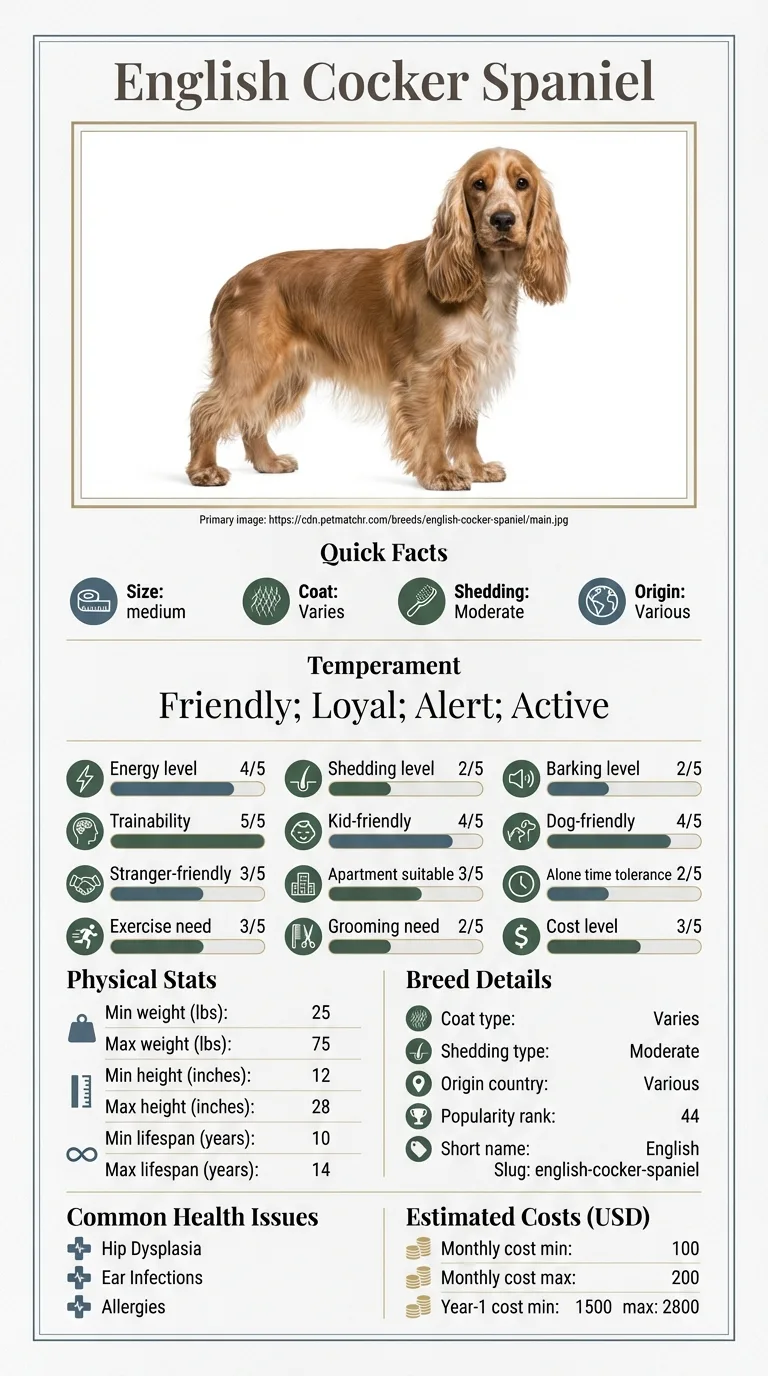
Typical owners facing this issue are those who deeply care for their English Cocker Spaniels. They may notice unusual behaviors or changes in their dog's playfulness, leading to confusion and concern about their pet's health.
This guide is not medical advice. If your dog shows pain, sudden behavior change, or worsening symptoms, consult a licensed veterinarian.
Some links may be affiliate links. We may earn a commission at no extra cost to you. We only suggest products we believe are helpful for dog owners.
We research and check what we publish, but we do not warrant that any figure, date, price, or statement is accurate, complete, or current, and we accept no liability for any loss, cost, injury, or other harm arising from the use of this site. Use it as one reference among several. You remain responsible for your own decisions and for your dog's care - confirm anything that matters with a licensed veterinarian or another qualified professional before you act on it. Full disclaimer.
Check this first
Recognizing when English Cocker Spaniel neurologic disease is an emergency is crucial for your dog's health. There are red-flag signs indicating you should call your vet immediately. These include sudden and severe symptoms like seizures, loss of consciousness, or inability to walk.
If your dog shows any of these signs, don’t hesitate—seek veterinary care right away.
On the other hand, some symptoms may not require immediate action but should still be monitored. If your English Cocker Spaniel experiences mild tremors, slight coordination issues, or general lethargy, keep an eye on them. It’s wise to document these symptoms and have a plan to consult with your vet if they worsen or don't improve over a few days.
Understanding the difference can help you manage your dog’s health effectively. Always err on the side of caution and consult your vet if you’re unsure about your pet's condition.
If any of these apply, call your vet or an emergency clinic now. The rest of this page is for the cases that are not an emergency.
English Cocker Spaniel neurologic disease can manifest in various ways, affecting a dog's coordination and behavior. Common signs include difficulty walking, sudden changes in temperament, or seizures. This condition can be distressing for both the dog and the owner, often leading to anxiety and confusion about how to help.
Neurologic disease is notably more common in English Cocker Spaniels, with studies showing they are at a 291% higher risk compared to other breeds. While not every English Cocker will face this issue, it's a significant concern for many owners.
English Cocker Spaniels may be more prone to neurologic diseases due to their genetic makeup. Some inherited traits can affect brain health, making them susceptible to issues like seizures or mobility problems. It's essential to be aware of these genetic predispositions when choosing this breed.
Environmental factors can also contribute to neurologic diseases in English Cocker Spaniels. Poor nutrition, exposure to toxins, or a lack of mental and physical stimulation can lead to health issues. Stressful living conditions can also exacerbate these problems, leading to behavioral changes.
It's crucial to consult a vet if your English Cocker Spaniel shows signs of neurologic disease, such as seizures, coordination issues, or sudden behavior changes. Early diagnosis can lead to better management options and improve their quality of life.
Avoiding common mistakes can help improve your English Cocker Spaniel's neurologic disease symptoms. Here are some behaviors to steer clear of and safer alternatives.
Start here: English Cocker Spaniel Most Common Genetic Disorders
See all English Cocker Spaniel health problems, which breeds are prone to neurologic disease, or the full English Cocker Spaniel breed guide for temperament, exercise needs and ownership costs.
Improvement may take several weeks to months, depending on the dog's condition and treatment plan.
Success means your English Cocker Spaniel shows fewer neurologic symptoms, improved behavior, and a better quality of life.
Emily, a first-time dog owner in Seattle, noticed her English Cocker Spaniel, Bella, struggling with balance and coordination. After a vet visit, they diagnosed Bella with a neurologic disease, leaving Emily feeling overwhelmed and unsure. With the vet's guidance, she started a consistent treatment plan, including medication and daily exercise. Emily also invested time in training Bella to improve her confidence and reduce anxiety. Over six months, Bella's symptoms lessened significantly, allowing her to enjoy walks and playtime again.
Key takeaway: With patience, a solid treatment plan, and ongoing training, you can help your English Cocker Spaniel manage neurologic disease and lead a happy life.
Neurologic disease in English Cocker Spaniels can stem from various factors, including genetics, age, and environmental influences. Regular veterinary check-ups can help catch issues early. If you notice unusual behavior, consult your vet for a thorough evaluation. This answer relates to English Cocker Spaniel neurologic disease.
While you can't entirely prevent neurologic diseases, you can reduce the risk by maintaining a healthy diet, providing regular exercise, and minimizing stress. It's also important to keep up with vaccinations and parasite control. Consult your vet about any specific preventive measures suitable for your dog.
Symptoms may include seizures, balance issues, disorientation, and changes in behavior. If your English Cocker Spaniel exhibits any of these signs, it's crucial to seek veterinary assistance immediately. Early intervention can significantly improve outcomes.
Training methods should be gentle and consistent, focusing on positive reinforcement. Short, frequent training sessions can help maintain focus and prevent frustration. Always adapt your approach based on your dog's unique needs and abilities.
Supporting your English Cocker Spaniel's neurological health involves providing a balanced diet, regular vet visits, and engaging mental exercises like puzzle toys. Ensuring a calm environment can also help reduce anxiety and stress, which can worsen symptoms.
Early signs may include unusual behavior, difficulty walking, or weakness in the limbs. You might also notice changes in their appetite or energy levels. If you observe these symptoms, it's essential to consult your veterinarian.
Yes, older English Cocker Spaniels may exhibit more severe symptoms due to age-related changes. They might also take longer to recover from episodes of neurologic disease. Regular check-ups with your vet are crucial as they age.
While no specific diet can cure neurologic disease, a balanced diet rich in omega-3 fatty acids may support brain health. Consult your vet for personalized dietary recommendations tailored to your dog's needs.
If your dog has a seizure, ensure they are in a safe environment and do not try to restrain them. Time the seizure and contact your veterinarian immediately after it ends. They can recommend further tests or treatments based on your dog's condition.
Provide a calm, supportive environment and follow your vet's instructions for care. Gentle exercise and mental stimulation can help during recovery. Consider seeking out specialized training programs for dogs with neurologic issues.
Maintain a nutritious diet and ensure regular exercise to support overall health. Keep a consistent routine to minimize stress for your dog.
Treatment costs can vary widely, typically ranging from $500 to over $2000 depending on the severity and required interventions. Always consult your vet for a precise estimate.
Preventative measures include regular check-ups, vaccinations, and a healthy lifestyle. Discuss specific recommendations with your veterinarian.
Yes, gentle and positive reinforcement training can help your dog adapt to their condition. Short sessions are recommended to maintain engagement.
If you notice symptoms like seizures or disorientation, contact your veterinarian immediately for assessment and guidance. Early intervention is critical.
A one-page prep sheet for this condition: the signs, the questions to ask, what to get priced. Unlocks here.
You get: Vet visit prep sheet
No spam. One-click unsubscribe. See our privacy policy.
See a sample page before you decide.
Early access list
The free prep sheet covers the same-day warning signs, a symptom log and the questions to ask. We are considering a fuller kit that adds a cost worksheet for the usual tests and treatments (US price ranges with their sources) and a plain-English guide to ways of covering the bill. It is not built yet; this list tells us whether it is worth building.
One email, no spam, unsubscribe anytime. Information only, not veterinary advice.