Behavior
What are quick tips to prevent English Cocker Spaniel bloat (gastric dilatation-volvulus/gdv)?
Feed smaller meals throughout the day and use slow-feed bowls to reduce gulping. Avoid exercise right after meals to minimize bloat risk.
English Cocker Spaniel bloat, or gastric dilatation-volvulus (GDV), is a serious and potentially life-threatening condition. Understanding it is crucial for every owner. (English Cocker Spaniel bloat (gastric dilatation-volvulus/gdv))
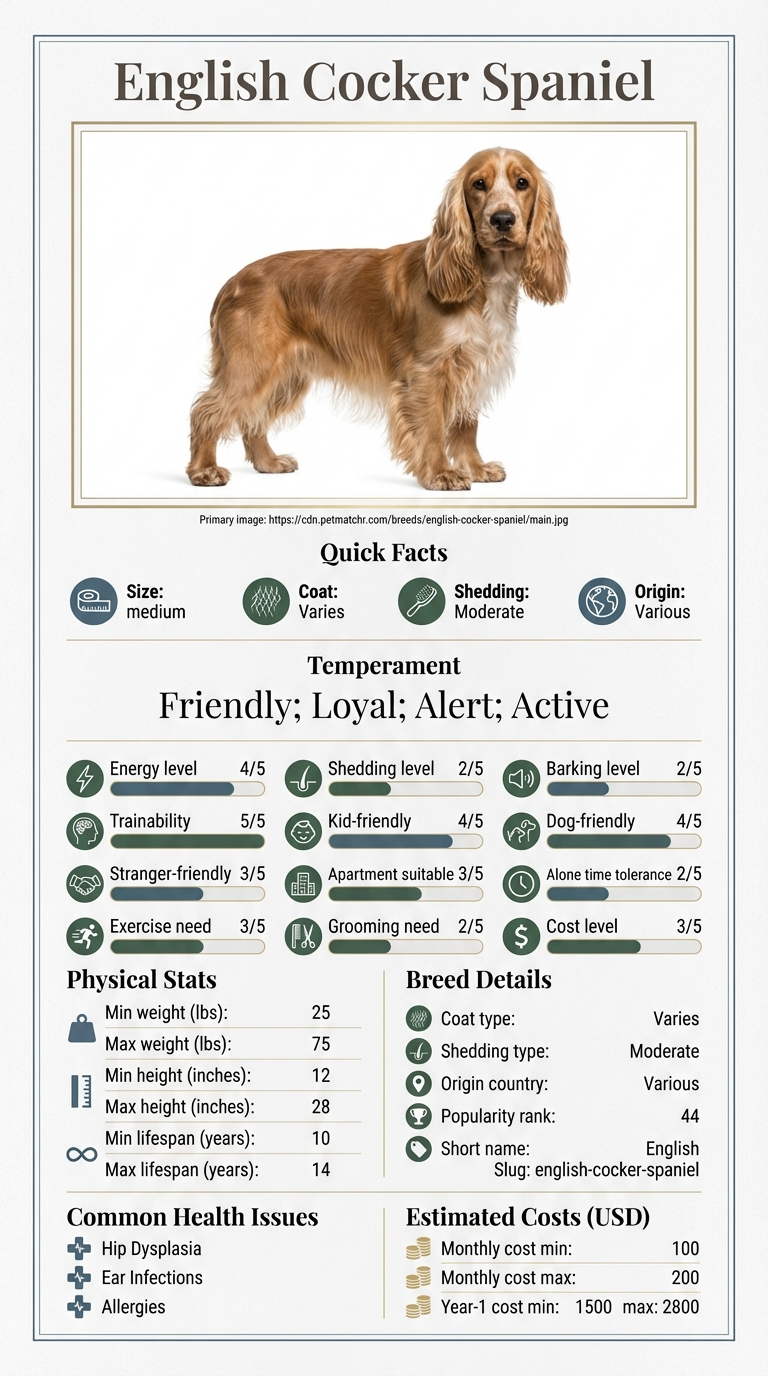
Owners of English Cocker Spaniels, especially those who are first-time dog parents, may struggle with recognizing the signs of bloat. Busy lifestyles or lack of familiarity with breed-specific health issues can increase the risk.
This guide is not medical advice. If your dog shows pain, sudden behavior change, or worsening symptoms, consult a licensed veterinarian.
Some links may be affiliate links. We may earn a commission at no extra cost to you. We only suggest products we believe are helpful for dog owners.
English Cocker Spaniel bloat, also known as gastric dilatation-volvulus (GDV), is a serious condition where the stomach twists and fills with gas. This can lead to severe pain, restlessness, and rapid breathing. It’s critical for owners to recognize the signs early, as it can escalate quickly and become life-threatening.
While GDV is not the most common issue for English Cocker Spaniels, it can occur, especially in middle-aged or older dogs. Being aware of the symptoms and triggers is essential for prevention and early detection.
English Cocker Spaniels are medium-sized dogs that can be prone to bloat due to their anatomy. Their deep chest can create more space for gas, making them susceptible to gastric dilatation-volvulus (GDV). Additionally, breeds with a history of bloat may have a genetic predisposition towards this condition.
Bloat can also be triggered by environmental factors. Rapid eating, excessive drinking, or engaging in vigorous exercise right after meals can increase the risk. Stressful situations, such as loud noises or changes in routine, may also contribute to gastrointestinal issues.
If your English Cocker Spaniel shows signs of anxiety or stress around meal times, consider consulting a professional trainer. They can help you develop strategies to create a calmer eating environment.
If you notice symptoms of bloat, such as a distended stomach, unproductive retching, or signs of distress, contact your vet immediately. Bloat is a medical emergency that requires prompt attention.
Addressing English Cocker Spaniel bloat requires immediate action. After identifying symptoms, seek veterinary help right away. A successful outcome usually involves a combination of prompt treatment and long-term management over several weeks.
Success means your dog is no longer showing signs of discomfort, maintains a healthy appetite, and follows a feeding schedule that reduces the risk of bloat. Consistent monitoring and adjustments to their diet can lead to a stable, happy dog.
Avoiding certain behaviors can help reduce the risk of English Cocker Spaniel bloat (gastric dilatation-volvulus/GDV). Here are some common mistakes to steer clear of.
Recognizing when your English Cocker Spaniel's bloat may be life-threatening is crucial. Bloat, or gastric dilatation-volvulus (GDV), can escalate quickly and requires immediate veterinary attention. Here are key signs that indicate you should call your vet right away:
- Distended abdomen: If your dog’s belly looks swollen or hard, this is a red flag. - Unproductive retching: If your dog tries to vomit but nothing comes up, it’s a sign of possible bloat. - Rapid breathing or panting: Increased respiratory rate can indicate distress.
- Weakness or lethargy: If your dog seems unusually tired or unresponsive, do not wait.
In contrast, there are some mild symptoms that can be monitored. If your English Cocker Spaniel shows signs of discomfort like mild bloating, restlessness, or slight changes in appetite, you can observe them for a while. It’s wise to have a plan in place, which includes watching for any worsening symptoms.
If there’s no improvement or if symptoms worsen, contact your vet. Remember, it’s always better to be safe than sorry with your dog’s health.
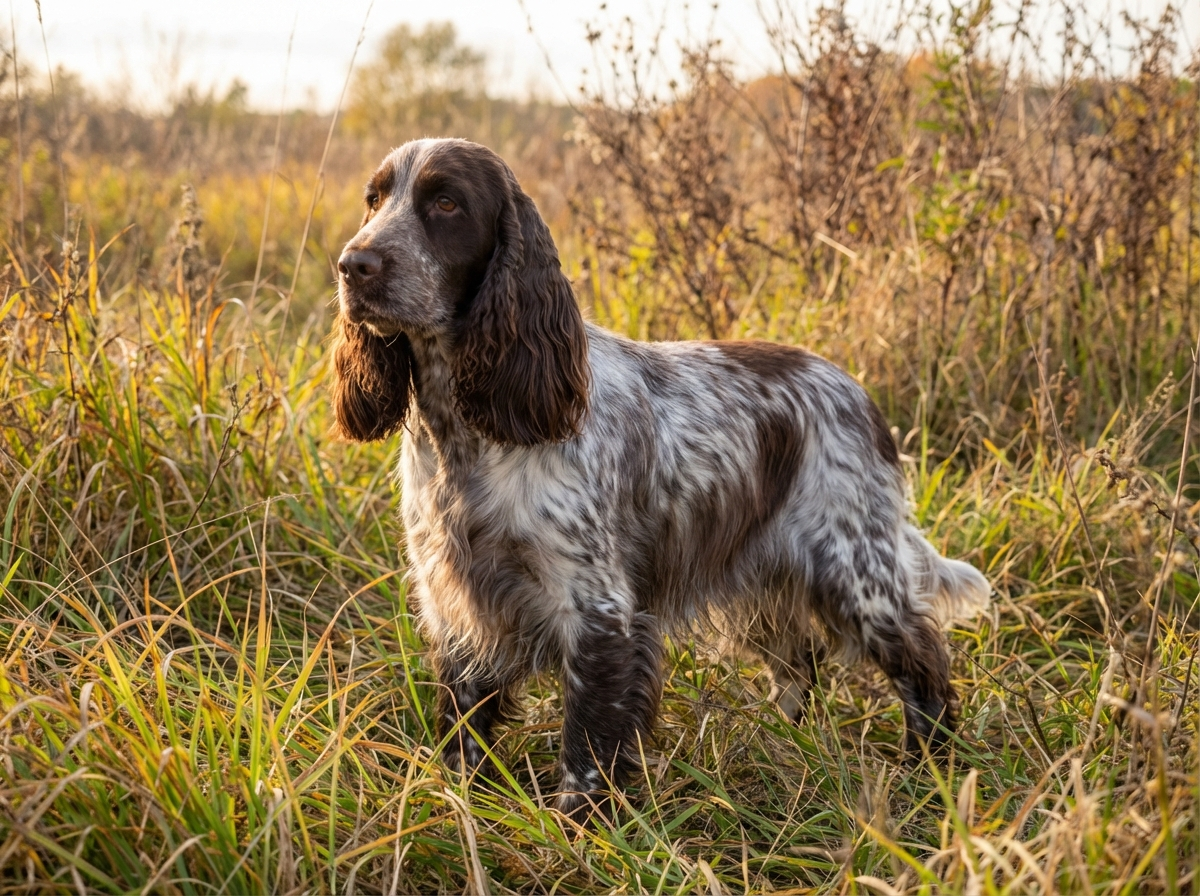
Emily, a busy nurse in Seattle, noticed her English Cocker Spaniel, Bella, was bloated after meals. Concerned, she rushed Bella to the vet, where they diagnosed her with gastric dilatation-volvulus (GDV). After treatment, Emily learned the importance of feeding Bella smaller meals throughout the day and avoiding vigorous exercise right after eating. Gradually, Bella’s health improved, and Emily felt more confident managing her diet.
Key takeaway: When dealing with English Cocker Spaniel bloat, immediate action and long-term dietary changes can lead to a healthier, happier dog.
Bloat occurs when your English Cocker Spaniel's stomach fills with gas, food, or fluid, causing it to expand. This can lead to a life-threatening condition known as gastric dilatation-volvulus (GDV), where the stomach twists. Factors such as eating too quickly, stress, or certain genetic predispositions can contribute to this issue.
To prevent bloat, consider feeding your English Cocker Spaniel smaller, more frequent meals instead of one large meal. Use slow-feed bowls to encourage slower eating. Additionally, avoid vigorous exercise right after meals to reduce the risk of GDV.
Signs of bloat include a swollen abdomen, restlessness, excessive drooling, and attempts to vomit without success. If you notice these symptoms, seek veterinary help immediately, as this condition can be fatal if not treated quickly.
Treatment for bloat often involves emergency surgery to decompress and reposition the stomach. The cost can range from $1,500 to $7,500, depending on the severity and required procedures. After recovery, your vet may recommend dietary changes to prevent recurrence.
Yes, certain English Cocker Spaniels, especially those with a deep chest, may be more prone to bloat. Genetics, age, and previous episodes can increase the risk. Discuss with your vet if your dog shows any signs of predisposition.
Early signs of bloat in English Cocker Spaniels include restlessness, unproductive retching, and a swollen abdomen. If you notice these symptoms, it's crucial to seek veterinary help immediately to prevent serious complications.
Yes, older English Cocker Spaniels can be at risk for bloat. As they age, their digestive systems may become more sensitive, and they may be less active, increasing the likelihood of this life-threatening condition.
To help prevent bloat, feed your English Cocker Spaniel smaller meals throughout the day, avoid vigorous exercise before and after eating, and monitor their eating habits. Additionally, consider consulting your vet for personalized advice.
If your English Cocker Spaniel shows signs of bloat, take them to the vet immediately. The condition can deteriorate quickly, and prompt treatment is essential to save their life.
Yes, some breeds, including the English Cocker Spaniel, are more prone to bloat. Generally, deep-chested breeds are at higher risk, so it's important for owners to be aware of the symptoms and act quickly if they occur.
Feed smaller meals throughout the day and use slow-feed bowls to reduce gulping. Avoid exercise right after meals to minimize bloat risk.
If you notice symptoms like a swollen belly or unproductive vomiting, take your dog to the vet immediately. Time is crucial in preventing serious complications.
Treatment can cost anywhere from $1,500 to $7,500, depending on the severity and necessary procedures. Ensure you have a plan for emergency veterinary care.