Health
What should I do if my Dachshund has a bleeding issue?
Keep calm and apply gentle pressure to the wound. If bleeding doesn't stop after a few minutes, contact your vet immediately.
Dachshund von Willebrand's disease (vwd1) is a genetic bleeding disorder that can be concerning for dog owners.
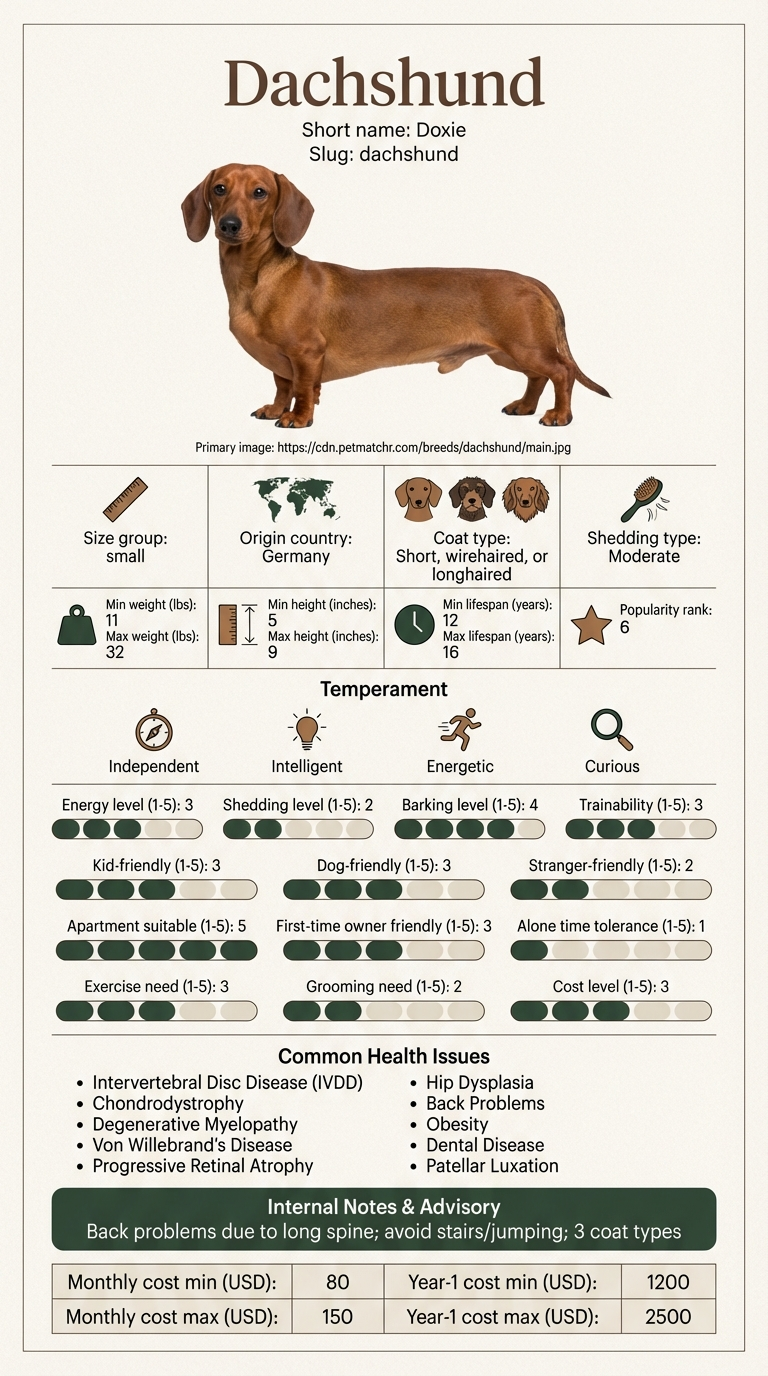
Owners of Dachshunds, especially those with a family history of health issues, may find themselves worried about this disease. It's particularly challenging for first-time pet owners who may not recognize the signs or know how to respond.
This guide is not medical advice. If your dog shows pain, sudden behavior change, or worsening symptoms, consult a licensed veterinarian.
Some links may be affiliate links. We may earn a commission at no extra cost to you. We only suggest products we believe are helpful for dog owners.
Dachshund von Willebrand's disease (vWD1) is a genetic bleeding disorder that affects the blood’s ability to clot. This means that even minor injuries can lead to excessive bleeding, making everyday activities concerning for both the dog and the owner. Common symptoms include nosebleeds, bleeding gums, and prolonged bleeding after minor cuts or surgeries.
Von Willebrand's disease is relatively common in Dachshunds. It's estimated that around 10-20% of the breed may carry the gene associated with this condition. This makes it crucial for Dachshund owners to be aware of the signs and manage their pet's health carefully.
Dachshunds are prone to von Willebrand's disease (vWD1) due to their genetic makeup. This inherited condition affects their blood's ability to clot, making them more susceptible to bleeding issues, especially during injuries or surgeries. If a Dachshund has a family history of bleeding disorders, the risk of vWD1 increases significantly.
Environmental factors can also contribute to the severity of vWD1 symptoms. Stressful situations, such as rough play or aggressive interactions, may exacerbate bleeding tendencies. Additionally, improper diet or lack of regular veterinary check-ups can worsen the dog's overall health and management of the condition.
If your Dachshund displays signs of anxiety or aggressive behavior, it may be helpful to consult a professional trainer. A trainer can provide guidance on managing stress and training techniques that promote calmness, which is crucial for a dog with vWD1.
It's essential to talk to your vet if you notice any unusual bleeding or bruising, as this could indicate a more severe issue with vWD1. Regular check-ups are vital to monitor your dog's health, especially if they have a history of this bleeding disorder.
Managing Dachshund von Willebrand's disease (vWD1) is a long-term commitment. With proper care and attention, you can expect to see improvements in your dog's condition within a few months.
Success means your Dachshund experiences fewer bleeding episodes, maintains a stable energy level, and enjoys a good quality of life with appropriate management strategies in place.
Avoiding common pitfalls can help manage your Dachshund's von Willebrand's disease (vWD1) more effectively. Here are some mistakes to watch out for.
Look for these red flags that indicate you need to call your vet right away:
- **Excessive Bleeding**: If your Dachshund is bleeding from the nose, mouth, or has blood in urine or feces, it’s urgent. - **Prolonged Bleeding**: If a minor cut or scrape continues to bleed for more than a few minutes, don’t hesitate. - **Weakness or Lethargy**: If your dog is unusually tired, weak, or unresponsive, this could indicate a serious issue. - **Pale Gums**: Gums that are pale instead of a healthy pink may signal low blood levels.
Milder cases can often be monitored at home. Here are some signs that suggest you can wait:
- **Minor Bleeding**: If your Dachshund has a small cut and it stops bleeding quickly, keep an eye on it. - **No Other Symptoms**: If your dog seems normal aside from a minor issue, you may not need immediate help. - **Scheduled Vet Check-ups**: If you're already scheduled for a vet visit soon, discuss any concerns then, unless they worsen significantly.
Always trust your instincts. If you're unsure, it's better to call your vet and discuss your concerns. Keeping your Dachshund healthy and safe is the priority.
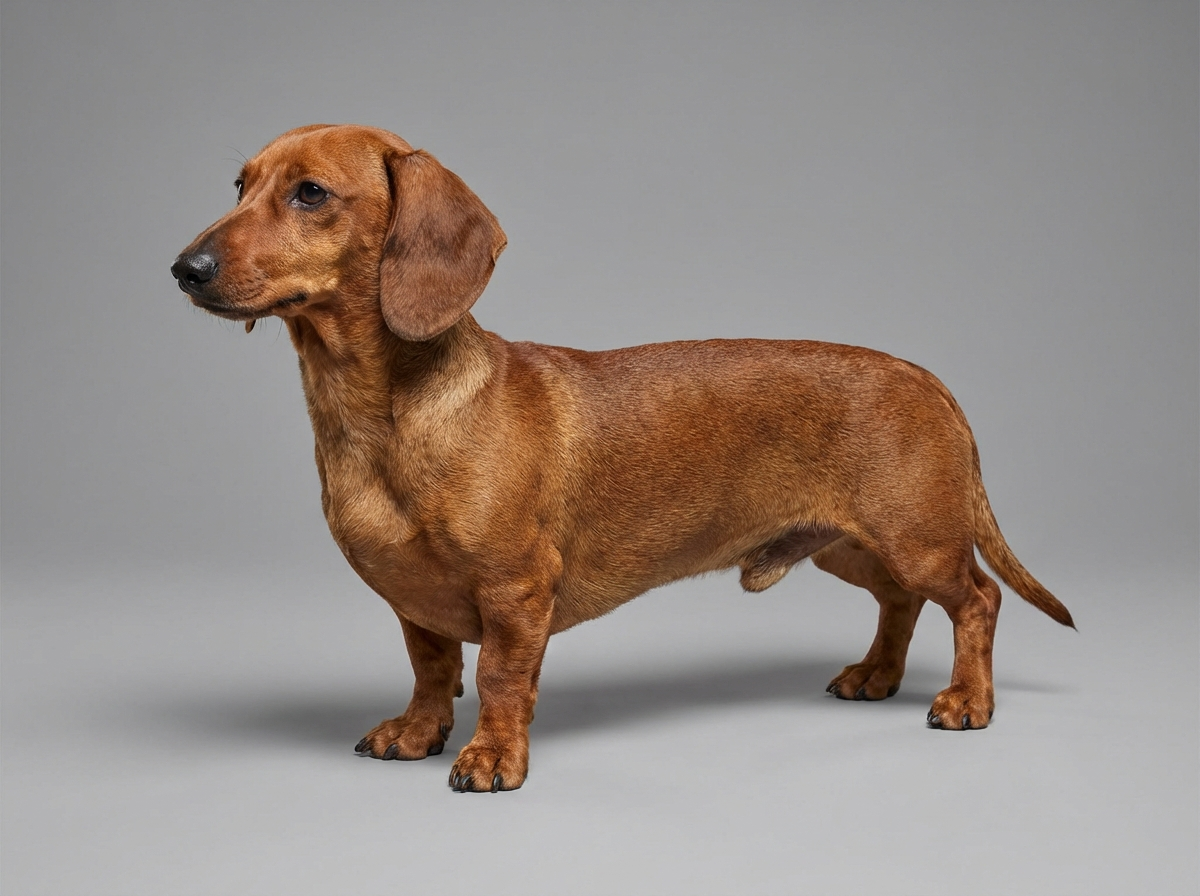
Sarah, a new dog owner, adopted Bella, a Dachshund with von Willebrand's disease (vWD1). After noticing Bella's excessive bleeding during play, Sarah consulted her vet, who guided her on monitoring Bella's activities and avoiding high-risk situations. With consistent vet check-ups and a tailored exercise routine, Bella thrived. Sarah learned to manage her expectations and celebrated small victories, such as fewer bleeding incidents and Bella's playful spirit returning.
Key takeaway: Understanding and adapting to your dog's needs is crucial. With patience and the right support, you can help your Dachshund live a fulfilling life despite health challenges.
Dachshund von Willebrand's disease (vwd1) is a genetic bleeding disorder. It occurs due to a deficiency in a blood clotting protein. This condition is inherited, meaning it can run in families.
Managing your Dachshund with vwd1 involves regular vet check-ups to monitor their health. You may also need to avoid certain activities that could lead to injury. Keeping stress low and ensuring they don't engage in rough play is crucial.
Common symptoms include excessive bleeding from minor cuts, nosebleeds, or prolonged bleeding after surgery. If you notice any unusual bleeding, contact your vet immediately. Early detection can help manage the condition better.
While there is no cure for vwd1, you can prevent complications by keeping your Dachshund calm and avoiding rough activities. Regular veterinary care and adhering to your vet's recommendations will help maintain their health.
Yes, with proper management, Dachshunds with vwd1 can lead a normal life. It's important to monitor their activities and be cautious. Regular vet visits will also help ensure they stay healthy.
Symptoms of Dachshund von willebrand's disease (vwd1) can include excessive bleeding from cuts, nosebleeds, or prolonged bleeding after surgery. You might also notice your dog has trouble with bruising or that they bleed more than usual during heat cycles. If you see these signs, consult your vet for a proper diagnosis.
Managing your Dachshund's von willebrand's disease (vwd1) at home involves keeping them calm and avoiding activities that could lead to injury. It's also essential to have a first-aid kit handy and to monitor for any signs of bleeding. Regular vet check-ups can help track their health.
Yes, von willebrand's disease (vwd1) is an inherited disorder in Dachshunds. If you have a Dachshund from a breeder, ask about the health history of the parents. Genetic testing can help identify if your dog is a carrier of this condition.
While von willebrand's disease (vwd1) is typically genetic, older Dachshunds may show symptoms as their health changes. If your older Dachshund starts bleeding more easily or has unusual bruising, it’s best to consult your vet. They can help determine if it’s vwd1 or another health issue.
If your Dachshund has a bleeding episode, stay calm and apply gentle pressure to the area with a clean cloth. Keep your dog quiet and avoid any movement. Contact your vet immediately for further instructions to ensure your dog's safety and health.
Keep calm and apply gentle pressure to the wound. If bleeding doesn't stop after a few minutes, contact your vet immediately.
It's best to consult your vet regarding any dietary changes. A balanced diet can support overall health, which is crucial for those with vwd1.
Regular vet visits are recommended at least once a year, or more frequently if your Dachshund has health issues like vwd1.
Avoid rough play, jumping, and activities that could lead to injury. Keeping your Dachshund calm helps prevent bleeding incidents.