Health
What are quick tips for managing Dachshund liver shunts?
Regular vet visits and a healthy diet can help manage liver shunts. Monitor for any signs of distress and report them to your vet immediately.

Quick answer
What are quick tips for managing Dachshund liver shunts?
Regular vet visits and a healthy diet can help manage liver shunts. Monitor for any signs of distress and report them to your vet immediately.
Dachshund liver shunts can be a serious health concern for your furry friend. They can lead to severe complications if not addressed early.
Owners of Dachshunds, especially those new to dog ownership, may find this issue particularly challenging. Many pet parents are unaware of the signs and implications of liver shunts, making it crucial to stay informed.
This guide is not medical advice. If your dog shows pain, sudden behavior change, or worsening symptoms, consult a licensed veterinarian.
Some links may be affiliate links. We may earn a commission at no extra cost to you. We only suggest products we believe are helpful for dog owners.
We research and check what we publish, but we do not warrant that any figure, date, price, or statement is accurate, complete, or current, and we accept no liability for any loss, cost, injury, or other harm arising from the use of this site. Use it as one reference among several. You remain responsible for your own decisions and for your dog's care - confirm anything that matters with a licensed veterinarian or another qualified professional before you act on it. Full disclaimer.
Check this first
It's crucial to know when Dachshund liver shunts become an emergency. Red flags that indicate immediate veterinary attention include severe vomiting, lethargy, seizures, or unusual behavior changes. If your Dachshund is experiencing these symptoms, don't hesitate to call your vet right away.
On the other hand, milder signs such as occasional vomiting or decreased appetite can be monitored. In these cases, keep a close watch on your dog's food and water intake. If symptoms persist for more than a day or worsen, it's time to consult your vet. Having a plan for regular check-ups can help catch any potential issues early.
Understanding the difference between emergency and non-emergency situations can help you act swiftly. If you're ever unsure, err on the side of caution and reach out to your veterinarian. They can provide guidance tailored to your Dachshund's specific needs.
If any of these apply, call your vet or an emergency clinic now. The rest of this page is for the cases that are not an emergency.
Dachshund liver shunts are serious health issues that can affect your dog’s daily life. These shunts occur when blood flow bypasses the liver, leading to toxic substances building up in the bloodstream. Symptoms can include vomiting, poor growth, and seizures, making it crucial to recognize the signs early.
Liver shunts are not exceedingly common among Dachshunds, but they do occur. It's essential to be aware of this risk, especially since Dachshunds can inherit various health problems. Regular vet check-ups can help catch these issues early.
Dachshunds can be prone to liver shunts due to their unique genetic make-up. Some hereditary factors may contribute to abnormal blood vessels forming around the liver, leading to these shunts. These conditions can create a significant strain on their liver function.
Environmental factors, such as diet and exposure to toxins, can also play a role. A poor diet lacking essential nutrients can exacerbate liver issues. Additionally, exposure to certain chemicals or medications may impact liver health.
Consult a vet if you notice any symptoms of liver shunts, such as excessive drooling, abdominal swelling, or behavioral changes. Regular check-ups are essential, especially if your Dachshund has a history of liver issues or other health concerns.
Many owners unknowingly reinforce Dachshund liver shunt problems. Here are common mistakes to avoid and safer alternatives to consider.
Start here: Dachshund Most Common Genetic Disorders: What to Screen For
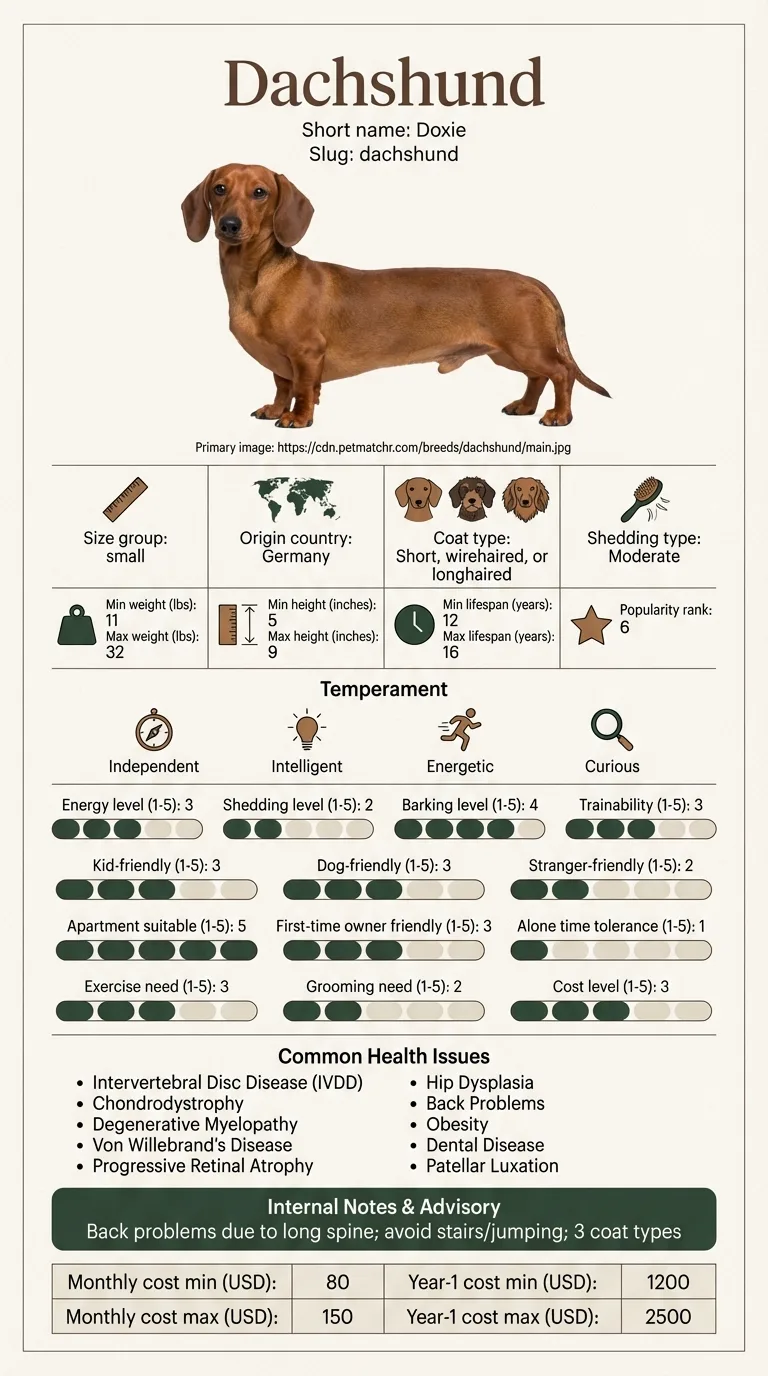
See all Dachshund health problems, which breeds are prone to liver shunts, or the full Dachshund breed guide for temperament, exercise needs and ownership costs.
You might start noticing improvements in your Dachshund's health within a few weeks of implementing dietary changes and regular vet check-ups. However, full recovery from liver shunt issues can take several months, especially if surgical intervention is required.
Success means your Dachshund shows increased energy, improved appetite, and a reduction in symptoms like vomiting or lethargy. Regular vet check-ups will confirm your dog is managing the condition well and is on track for a healthier life.
When Sarah adopted Riley, her small Dachshund, she quickly noticed something was off. Riley often vomited after meals and seemed unusually tired. After a vet visit, Sarah learned that Riley had liver shunts, a serious condition requiring careful management. Following her vet's advice, she adjusted Riley's diet to a low-protein formula and scheduled regular check-ups. Over the next few months, Riley's energy improved, and he became more playful. Sarah learned to recognize signs of distress and felt empowered to advocate for Riley's health.
Key takeaway: With the right care and attention, managing Dachshund liver shunts can lead to a happier, healthier life for your pet.
Liver shunts can be congenital, meaning they are present at birth, or can develop due to other health issues. Factors like genetics and certain breed traits can increase the likelihood of your Dachshund developing these shunts.
Symptoms of liver shunts include poor growth, vomiting, lethargy, and seizures. If you notice these signs, it's important to consult a veterinarian as soon as possible.
Treatment options typically include surgical intervention to correct the shunt or medication to manage symptoms. Early diagnosis and treatment greatly improve your dog's chances of recovery.
Preventive measures include regular vet check-ups, a balanced diet, and avoiding certain medications that can stress the liver. Keeping your Dachshund's weight in check is also essential.
While some liver shunts can be surgically corrected, others may require ongoing management. Follow-up care from your vet will be crucial for your dog's long-term health.
Long-term effects can vary based on the severity of the shunt and treatment. Some dogs may live normal lives, while others may experience chronic health issues, underscoring the importance of early detection.
Dachshunds with liver shunts may show symptoms like poor growth, vomiting, diarrhea, and seizures. You might also notice behavioral changes, such as confusion or lethargy. If you observe these signs, consult your vet for proper diagnosis and treatment.
Yes, some liver shunts can be treated through surgery, which can help improve blood flow to the liver. Additionally, dietary management and medications may help control symptoms. Always work closely with your vet to determine the best approach for your dog's needs.
Yes, liver shunts can be genetic, particularly in certain breeds like Dachshunds. Responsible breeding practices can help reduce the risk of these shunts. Always ask breeders about health screenings and genetic history when considering a puppy.
Monitor your older Dachshund for any changes in appetite, energy levels, or behavior. Symptoms like excessive thirst, urination, or gastrointestinal issues may indicate a problem. If you notice these signs, a vet evaluation is essential.
If your Dachshund is diagnosed with a liver shunt, follow your vet's recommendations for treatment and management. You may need to adjust their diet and schedule regular check-ups. Supportive care is crucial to help your dog lead a healthy life despite this condition.
Regular vet visits and a healthy diet can help manage liver shunts. Monitor for any signs of distress and report them to your vet immediately.
Treatment costs can vary widely, ranging from a few hundred to several thousand dollars depending on the severity and type of treatment needed.
Yes, Dachshunds are among breeds that may have genetic predispositions to liver problems, including liver shunts. Regular check-ups are important.
Avoid high-protein diets and certain medications that can burden the liver. Always consult your vet before making dietary changes.
While training won't directly affect liver shunts, positive reinforcement can help manage stress and behavior, contributing to overall well-being.
A one-page prep sheet for this condition: the signs, the questions to ask, what to get priced. Unlocks here.
You get: Vet visit prep sheet
No spam. One-click unsubscribe. See our privacy policy.
Preview page 1 before you decide.