What are quick tips for Dachshund immune-mediated thyroiditis?
Regular vet visits and consistent medication are essential for managing Dachshund immune-mediated thyroiditis. Monitor their weight and behavior closely to catch any changes early.
Dachshund immune-mediated thyroiditis is a serious condition that affects your dog's health and happiness.
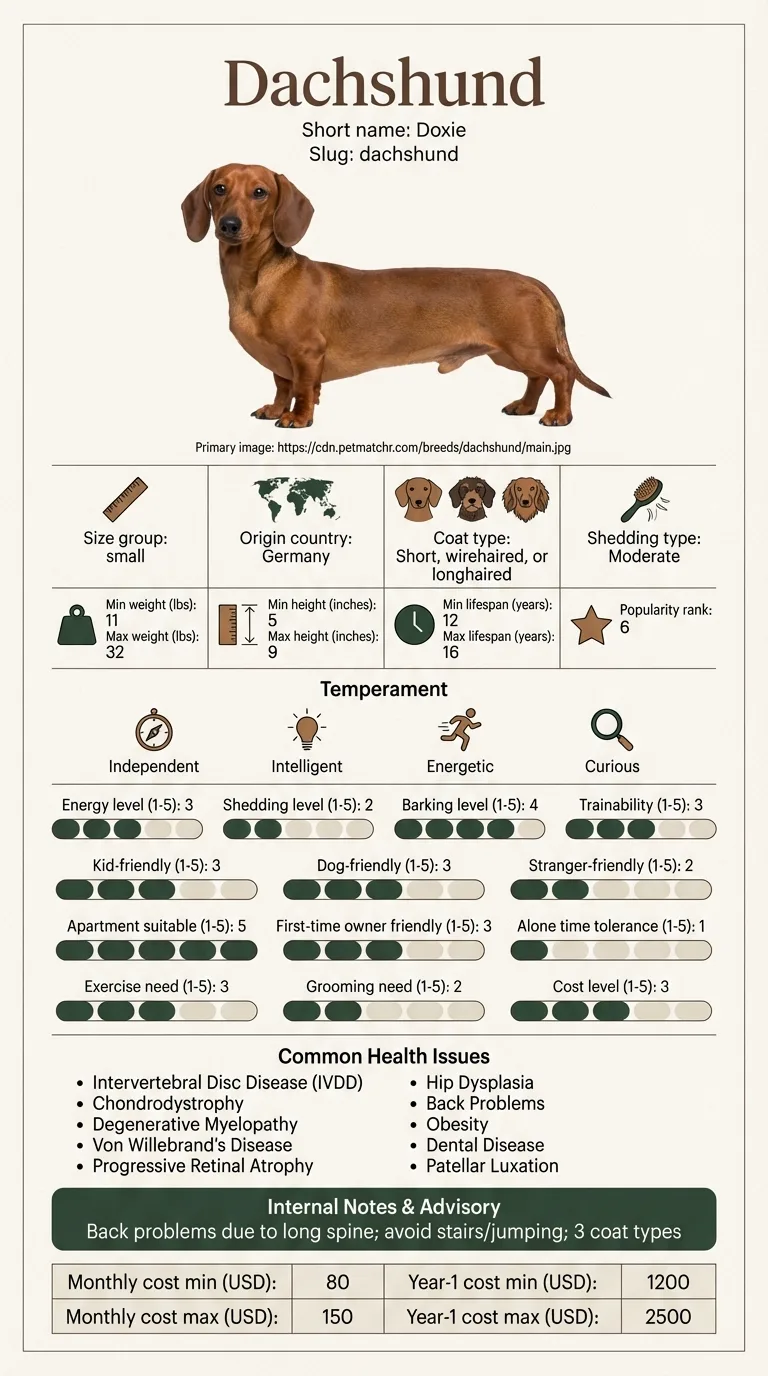
Owners of Dachshunds often face challenges with this condition, especially those who may not be familiar with thyroid issues. If you notice changes in your Doxie's energy levels or behavior, it’s vital to consult a vet for proper diagnosis and management.
Important reminder
This guide is not medical advice. If your dog shows pain, sudden behavior change, or worsening symptoms, consult a licensed veterinarian.
Some links may be affiliate links. We may earn a commission at no extra cost to you. We only suggest products we believe are helpful for dog owners.
We research and check what we publish, but we do not warrant that any figure, date, price, or statement is accurate, complete, or current, and we accept no liability for any loss, cost, injury, or other harm arising from the use of this site. Use it as one reference among several. You remain responsible for your own decisions and for your dog's care - confirm anything that matters with a licensed veterinarian or another qualified professional before you act on it. Full disclaimer.
Check this first
When Dachshund Immune-Mediated Thyroiditis is an Emergency
Recognizing when your Dachshund's immune-mediated thyroiditis becomes an emergency is crucial. Emergency signs include sudden weight loss, extreme lethargy, or severe behavioral changes. If your dog shows any of these symptoms, call your vet immediately.
If any of these apply, call your vet or an emergency clinic now. The rest of this page is for the cases that are not an emergency.
What this problem looks like
Dachshund immune-mediated thyroiditis is an autoimmune disease where the dog's immune system attacks its thyroid gland. This can lead to symptoms like lethargy, weight gain, and skin issues. Owners may notice their Dachshund becoming less active or having a dull coat, which can be concerning and frustrating.
Common triggers
Genetic predisposition in Dachshunds
Environmental factors, such as toxins
Dietary issues or allergies
This condition is relatively common in Dachshunds, particularly as they age. While not every Doxie will develop this issue, awareness and early detection are crucial for managing their health.
Why this happens
Breed factors
Dachshunds are prone to certain genetic conditions, including immune-mediated thyroiditis. Their unique immune system can mistakenly attack the thyroid gland, leading to hormonal imbalances. This breed's history and genetic makeup contribute to their susceptibility to autoimmune diseases.
Environment factors
Environmental factors can also play a role in immune-mediated thyroiditis. Stressful situations, poor diet, and exposure to toxins may trigger or worsen the condition. Additionally, lack of exercise and mental stimulation can weaken their immune system, making them more vulnerable.
What you can do at home (once it is not an emergency)
When to talk to your vet
You should contact your vet if you notice symptoms like weight changes, lethargy, or unusual behavior. These could indicate thyroid issues or other health problems. Regular check-ups are essential to manage any underlying conditions effectively.
At home, alongside your vet's plan
Create a stress-free environment by maintaining a consistent routine. This helps your Dachshund feel secure.
Provide a balanced diet rich in nutrients. Consult with a vet to select high-quality food that supports immune health.
Engage in regular exercise and playtime. This not only keeps them physically fit but also promotes mental well-being.
Consider using calming products, like anxiety wraps or pheromone diffusers, to ease stress.
Monitor your Dachshund for signs of fatigue or discomfort and adjust their activities accordingly.
Mistakes that make Immune-Mediated Thyroiditis worse
Avoiding certain behaviors can help improve your Dachshund's condition. Here are some common mistakes that owners make, along with better alternatives.
Ignoring Symptoms: Many owners overlook signs of Dachshund immune-mediated thyroiditis, thinking they'll go away. Instead, consult your vet promptly to address any health issues.
Inconsistent Medication: Missing doses or stopping medication can worsen your dog's condition. Stick to prescribed treatment schedules and communicate with your vet for adjustments.
Poor Diet Choices: Feeding low-quality or inappropriate food can negatively impact your Dachshund's health. Opt for high-quality dog food with balanced nutrients to support their immune system.
Neglecting Regular Vet Visits: Skipping check-ups can delay necessary treatments. Schedule regular vet visits to monitor your dog’s thyroid levels and overall health.
Self-Diagnosing: Some owners try to treat their Dachshund based on online advice. This can lead to ineffective or harmful treatments. Always consult your veterinarian before making changes.
Lack of Exercise: A sedentary lifestyle can worsen health issues. Engage your Dachshund in regular, gentle exercise tailored to their energy level and physical condition.
Ignoring Behavior Changes: Changes in behavior may signal worsening thyroid issues. Pay attention to your dog's mood and energy levels, and report any concerns to your vet.
Addressing Dachshund immune-mediated thyroiditis typically takes several weeks to months. Regular vet visits and consistent medication can lead to noticeable improvements within 6 to 12 weeks.
Success looks like a stabilized thyroid level and improved energy and health in your Dachshund. You should also see a reduction in symptoms such as lethargy or weight gain.
Mild Cases to Monitor
In less severe cases, your Dachshund may show minor symptoms like slight fatigue or occasional weight fluctuations. These can often be monitored with a vet's guidance. Keep a close eye on their behavior and schedule regular check-ups to manage the condition effectively.
Understanding Dachshund Immune-Mediated Thyroiditis - Mild Cases to Monitor
A Journey with Max: Managing Thyroiditis
When Sarah adopted Max, her lively Dachshund, she noticed he was always tired and gaining weight. After several vet visits, they diagnosed him with immune-mediated thyroiditis. Sarah learned how to manage Max's condition with a proper diet, medication, and regular vet checkups. With time and patience, Max regained his energy and lost the extra weight. While it wasn't an instant fix, knowing how to stop Dachshund immune-mediated thyroiditis made a world of difference for both of them.
Key takeaway: Managing Dachshund immune-mediated thyroiditis requires dedication and teamwork with your vet. Your efforts will lead to a happier, healthier pup.
Frequently asked questions
What are the signs of Dachshund immune-mediated thyroiditis?
Common signs of Dachshund immune-mediated thyroiditis include weight gain, lethargy, and changes in coat condition. You may also notice increased sensitivity to cold and frequent ear infections. If you observe these symptoms, it's essential to consult your vet for a proper diagnosis.
How can I stop Dachshund immune-mediated thyroiditis?
While you can't completely stop immune-mediated thyroiditis, managing it is key. Your vet may recommend medication to regulate thyroid hormone levels and a special diet. Consistent monitoring and follow-up visits will also be crucial.
Is Dachshund immune-mediated thyroiditis hereditary?
Yes, there can be a genetic predisposition to immune-mediated thyroiditis in Dachshunds. If your dog has a family history of thyroid issues, this may increase their risk. Responsible breeding practices can help reduce this risk in future generations.
What is the treatment for Dachshund immune-mediated thyroiditis?
Treatment usually involves hormone replacement therapy to manage thyroid levels. Additionally, your vet may suggest lifestyle changes, including diet adjustments and regular exercise. Close monitoring will be necessary to ensure the best outcomes.
Can Dachshund immune-mediated thyroiditis lead to other health problems?
Yes, if left untreated, immune-mediated thyroiditis can cause further health issues, including heart problems or additional autoimmune diseases. Regular vet check-ups and blood tests can help catch these complications early.
How can I support my Dachshund with immune-mediated thyroiditis?
Supporting your Dachshund involves a combination of medication, proper diet, and regular exercise. Keeping them at a healthy weight and minimizing stress will also help. Always consult your vet for personalized advice.
Can Dachshund immune-mediated thyroiditis be treated?
Yes, Dachshund immune-mediated thyroiditis can be managed with proper veterinary care. Treatment often involves medication to regulate thyroid hormone levels and regular monitoring. Always follow your vet's advice for the best outcomes.
Is Dachshund immune-mediated thyroiditis genetic?
There may be a genetic component to Dachshund immune-mediated thyroiditis, as certain breeds can be predisposed to autoimmune diseases. However, environmental factors also play a role. It's best to consult a vet if you have concerns about your dog's health history.
How can I help my Dachshund with immune-mediated thyroiditis?
To support your Dachshund with immune-mediated thyroiditis, ensure they are on a balanced diet and maintain a healthy weight. Regular vet check-ups and following prescribed treatments are crucial. Additionally, providing a low-stress environment can help manage symptoms.
What should I do if my older Dachshund shows signs of thyroid issues?
If your older Dachshund displays symptoms of thyroid issues, such as weight changes or lethargy, schedule a vet appointment promptly. Older dogs can be more susceptible to thyroid problems, and early detection can lead to better management of their health.
What are quick tips for Dachshund immune-mediated thyroiditis?
Regular vet visits and consistent medication are essential for managing Dachshund immune-mediated thyroiditis. Monitor their weight and behavior closely to catch any changes early.
Costs
How much does treatment for Dachshund immune-mediated thyroiditis cost?
Expect to spend around $80 to $150 monthly on vet visits and medications for Dachshund immune-mediated thyroiditis. Additional costs for special diets may apply.
Training
Can training help with Dachshund immune-mediated thyroiditis?
While training won't cure immune-mediated thyroiditis, it can help manage stress and improve overall well-being. Consider positive reinforcement techniques to keep your Doxie engaged.
Living
What lifestyle changes should I make for my Dachshund?
Focus on a balanced diet, regular exercise, and maintaining a healthy weight. Reducing stress in their environment can also be beneficial.
Related DogBreedCompass guides
Dachshund separation anxiety guide – Learn more about how to manage separation anxiety in Dachshunds, especially if they experience stress related to immune issues.
Dachshund behavior problems – Explore other common behavior problems in Dachshunds that might arise due to their health conditions.
Dachshund cost breakdown – Get insights into the costs associated with owning a Dachshund, including potential medical expenses.
Dachshund vs. other small breeds – Find out how Dachshunds compare to other small dog breeds in terms of health issues like immune-mediated thyroiditis.
A fuller vet-visit kit for Dachshund Immune Mediated Thyroiditis
The free prep sheet covers the same-day warning signs, a symptom log and the questions to ask. We are considering a fuller kit that adds a cost worksheet for the usual tests and treatments (US price ranges with their sources) and a plain-English guide to ways of covering the bill. It is not built yet; this list tells us whether it is worth building.
One email, no spam, unsubscribe anytime. Information only, not veterinary advice.