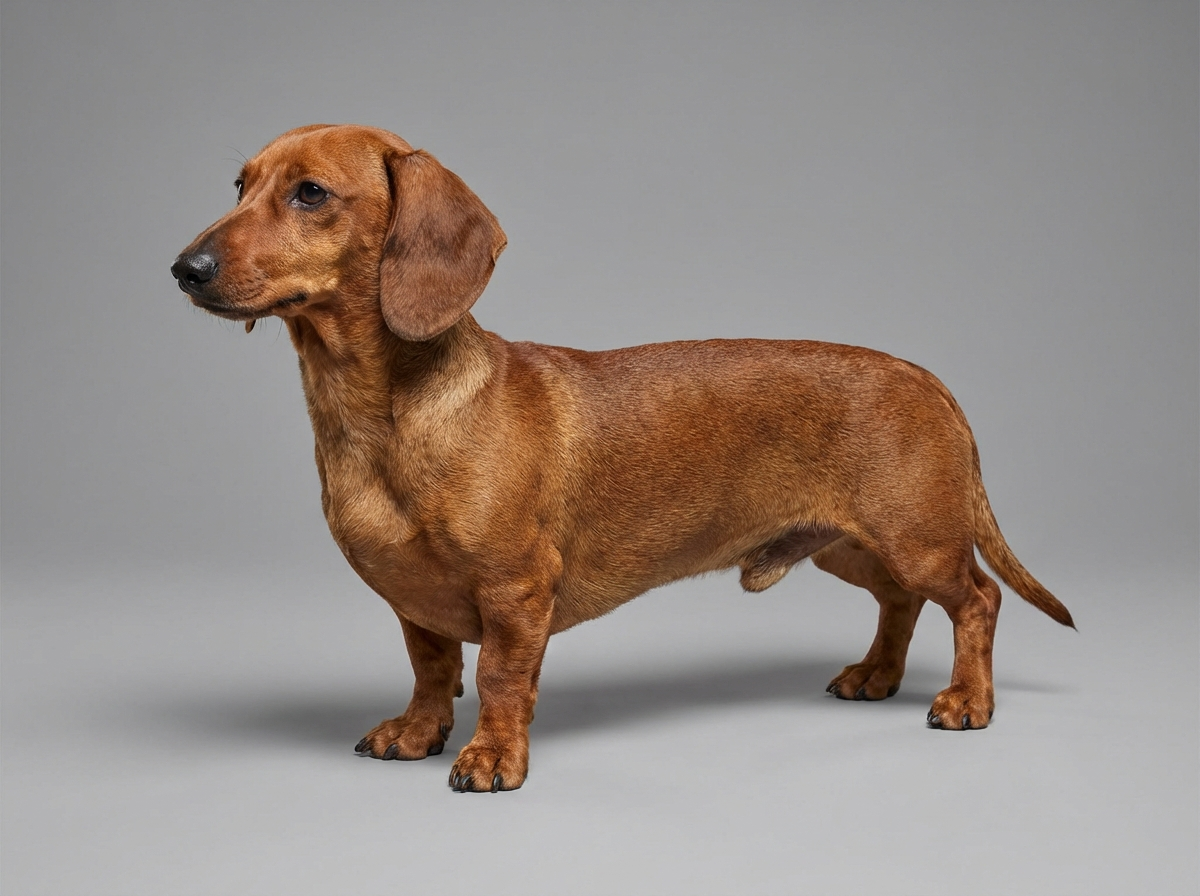
Behavior
What are some quick tips to prevent Dachshund heat sensitivity?
Keep your Dachshund indoors during peak heat hours, provide plenty of water, and use cooling mats. Always watch for signs of overheating.

Quick answer
What are some quick tips to prevent Dachshund heat sensitivity?
Keep your Dachshund indoors during peak heat hours, provide plenty of water, and use cooling mats. Always watch for signs of overheating.
Dachshunds are adorable but can struggle with heat sensitivity and hyperthermia. This issue can be serious and even life-threatening.
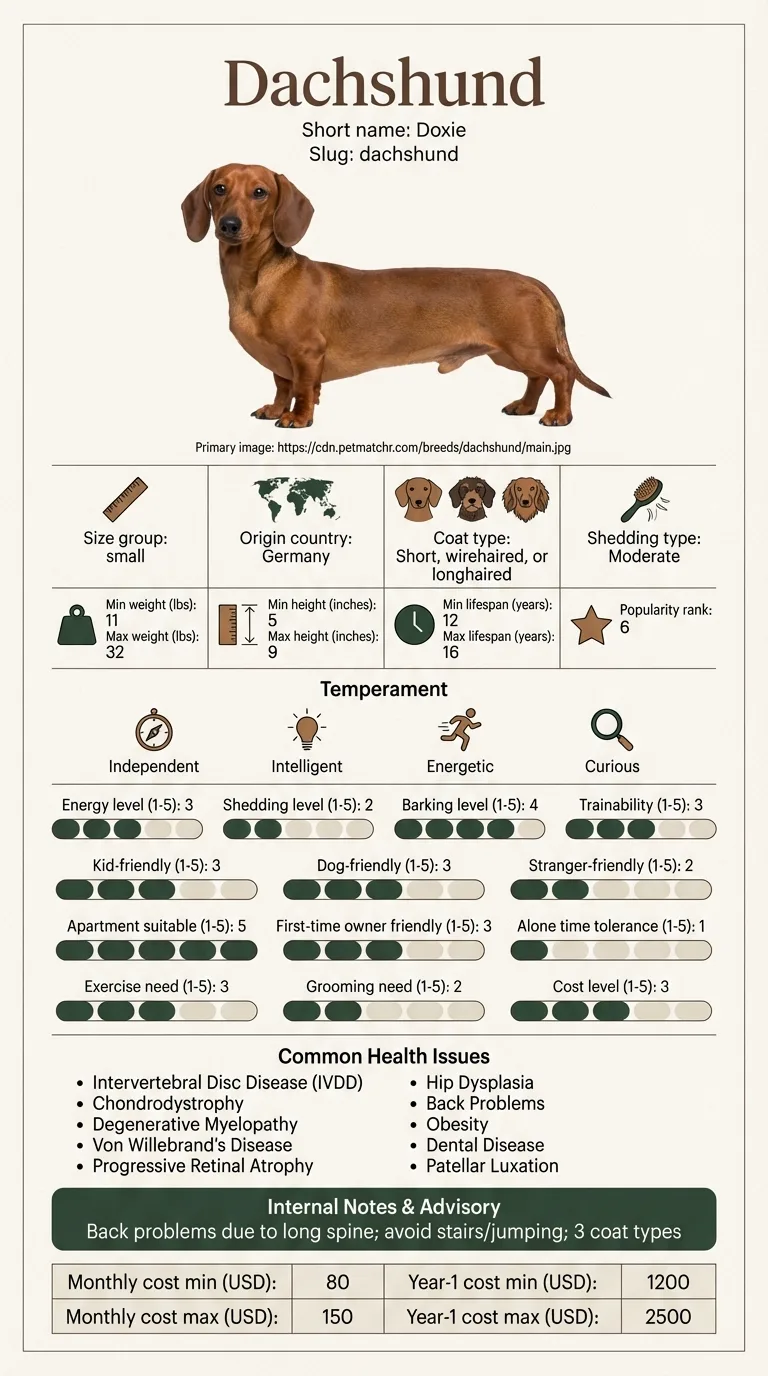
Owners of Dachshunds, especially those in warmer climates or who enjoy outdoor activities, often face this challenge. First-time dog owners may not realize the importance of monitoring their pet's temperature and hydration, putting their Doxie at risk.
This guide is not medical advice. If your dog shows pain, sudden behavior change, or worsening symptoms, consult a licensed veterinarian.
Some links may be affiliate links. We may earn a commission at no extra cost to you. We only suggest products we believe are helpful for dog owners.
We research and check what we publish, but we do not warrant that any figure, date, price, or statement is accurate, complete, or current, and we accept no liability for any loss, cost, injury, or other harm arising from the use of this site. Use it as one reference among several. You remain responsible for your own decisions and for your dog's care - confirm anything that matters with a licensed veterinarian or another qualified professional before you act on it. Full disclaimer.
Check this first
Understanding when Dachshund heat sensitivity and hyperthermia become emergencies is vital for your pet's safety. There are clear signs that indicate you should call your vet immediately. These include excessive panting, drooling, weakness, or confusion. If your Dachshund collapses or has a seizure, get help right away. These symptoms can signal heatstroke, which can be life-threatening.
On the other hand, if your Doxie shows mild signs like slight panting or restlessness, it may not be an emergency. Monitor their behavior and ensure they have access to cool water and shade. If they seem to recover quickly, continue to watch them closely. If symptoms persist or worsen, don’t hesitate to reach out to your vet for guidance.
It's essential to be proactive in managing your Dachshund's heat sensitivity. Always keep an eye on the temperature and limit outdoor activities during the hottest parts of the day. By being aware of these signs, you can help keep your furry friend safe and healthy.
If any of these apply, call your vet or an emergency clinic now. The rest of this page is for the cases that are not an emergency.
Dachshund heat sensitivity & hyperthermia can be a serious issue for these small dogs. They are particularly vulnerable to overheating due to their unique body structure and short legs. On hot days, you might notice your Dachshund panting excessively, acting lethargic, or refusing to play outside. These signs often indicate that they are feeling the effects of heat sensitivity.
Heat sensitivity and hyperthermia are quite common in Dachshunds. Studies show they face a 533% higher risk of heatstroke compared to other breeds. This makes it crucial for owners to be vigilant, especially during warm weather.
Dachshunds, with their short legs and elongated bodies, are particularly prone to heat sensitivity. Their unique body structure can make it harder for them to dissipate heat effectively. Additionally, their moderate energy level means they might not actively seek shade or cool environments during hot weather.
Heat sensitivity in Dachshunds can also be exacerbated by their living conditions. If they are in a hot car, left outside without adequate shade, or in a poorly ventilated space, they are at a higher risk for hyperthermia. Humidity levels can further increase this risk, making it crucial to monitor their environment.
If your Dachshund exhibits symptoms of heat exhaustion, like excessive panting, drooling, or lethargy, contact your vet immediately. Regular check-ups can also help monitor their overall health and discuss any persistent issues with heat sensitivity.
Avoiding these common mistakes can help your Dachshund manage heat sensitivity and reduce the risk of hyperthermia.
Start here: Dachshund Most Common Genetic Disorders: What to Screen For
See all Dachshund health problems, which breeds are prone to heat sensitivity hyperthermia, or the full Dachshund breed guide for temperament, exercise needs and ownership costs.
You can expect to see improvements in your Dachshund's heat sensitivity within a few weeks of consistent care adjustments and follow-up with your vet. However, it may take several months to fully manage their reactions during hot weather.
Success means your Dachshund can comfortably enjoy outdoor activities during cooler parts of the day, stays hydrated, and shows fewer signs of distress in warm temperatures.
When Sarah brought home Daisy, her new Dachshund, she quickly noticed Daisy struggled in warm weather. During summer walks, Daisy would pant heavily and seek shade, leaving Sarah worried about heatstroke. After researching Dachshund heat sensitivity & hyperthermia, Sarah adjusted Daisy's routine by walking her early in the morning and ensuring she had access to cool water throughout the day. With patience and consistent care, Daisy learned to enjoy outdoor time without fear, and Sarah felt more confident managing her dog's needs.
Key takeaway: Understanding your Dachshund's heat sensitivity is crucial. With the right adjustments and training, you can help them enjoy the outdoors safely.
Dachshunds are particularly vulnerable to heat sensitivity and hyperthermia due to their unique body structure and short legs. Their long spines can make it harder for them to regulate temperature effectively. Always monitor your Doxie during hot weather to prevent overheating. This answer relates to Dachshund heat sensitivity & hyperthermia.
To prevent overheating, ensure your Dachshund has access to plenty of fresh water and shade. Avoid walks during the hottest parts of the day and consider using cooling vests or mats. If you notice signs of heat distress, such as excessive panting or lethargy, move them to a cooler area immediately.
Signs of hyperthermia include heavy panting, drooling, weakness, and a bright red tongue or gums. If your Dachshund shows these symptoms, take immediate action to cool them down and contact your veterinarian. Quick intervention is crucial.
Training can help your Dachshund learn to recognize their limits in hot weather. Use positive reinforcement to encourage them to stay hydrated and take breaks in the shade. However, always prioritize their health and safety over training goals.
If you suspect heat stroke, move your Dachshund to a cooler place and apply cool (not cold) water to their body. Offer them water to drink, but don't force it. Seek veterinary care immediately, as heat stroke can be life-threatening.
Signs of hyperthermia in Dachshunds include excessive panting, drooling, lethargy, and difficulty breathing. If your dog is showing these symptoms, it's crucial to cool them down and contact a vet immediately.
Older Dachshunds may struggle more with heat sensitivity. Make sure they have access to shaded areas, fresh water, and avoid walks during the hottest parts of the day. Consider indoor activities to keep them cool.
Dachshunds are prone to heat sensitivity due to their short snouts and long bodies, which can hinder efficient heat dissipation. Additionally, their small size makes them more vulnerable to temperature changes.
If your Dachshund shows signs of overheating, move them to a cooler place, offer water, and apply cool (not cold) towels to their body. If their condition doesn't improve quickly, seek veterinary care.
While training won't eliminate heat sensitivity, teaching your Dachshund to respond to cues can help manage their behavior in hot weather. Training can ensure they stay in cooler areas and avoid strenuous activities during high temperatures.
Keep your Dachshund indoors during peak heat hours, provide plenty of water, and use cooling mats. Always watch for signs of overheating.
Expect to spend around $20 to $100 on cooling products like vests or mats. These costs are a small price for your dog's comfort and safety.
If your Dachshund shows severe signs of overheating or if home cooling methods aren't working, take them to the vet right away.
Yes, training can help them recognize when it's too hot outside. Use positive reinforcement to encourage breaks in the shade.
A one-page prep sheet for this condition: the signs, the questions to ask, what to get priced. Unlocks here.
You get: Vet visit prep sheet
No spam. One-click unsubscribe. See our privacy policy.
Preview page 1 before you decide.