Health
What are quick tips for Dachshund heart problems?
Maintain a healthy diet, keep your Dachshund active with low-impact exercises, and schedule regular vet visits for heart health checks.

Quick answer
What are quick tips for Dachshund heart problems?
Maintain a healthy diet, keep your Dachshund active with low-impact exercises, and schedule regular vet visits for heart health checks.
Dachshund heart problems can be serious and affect your dog's quality of life. Understanding these issues is crucial for any owner.
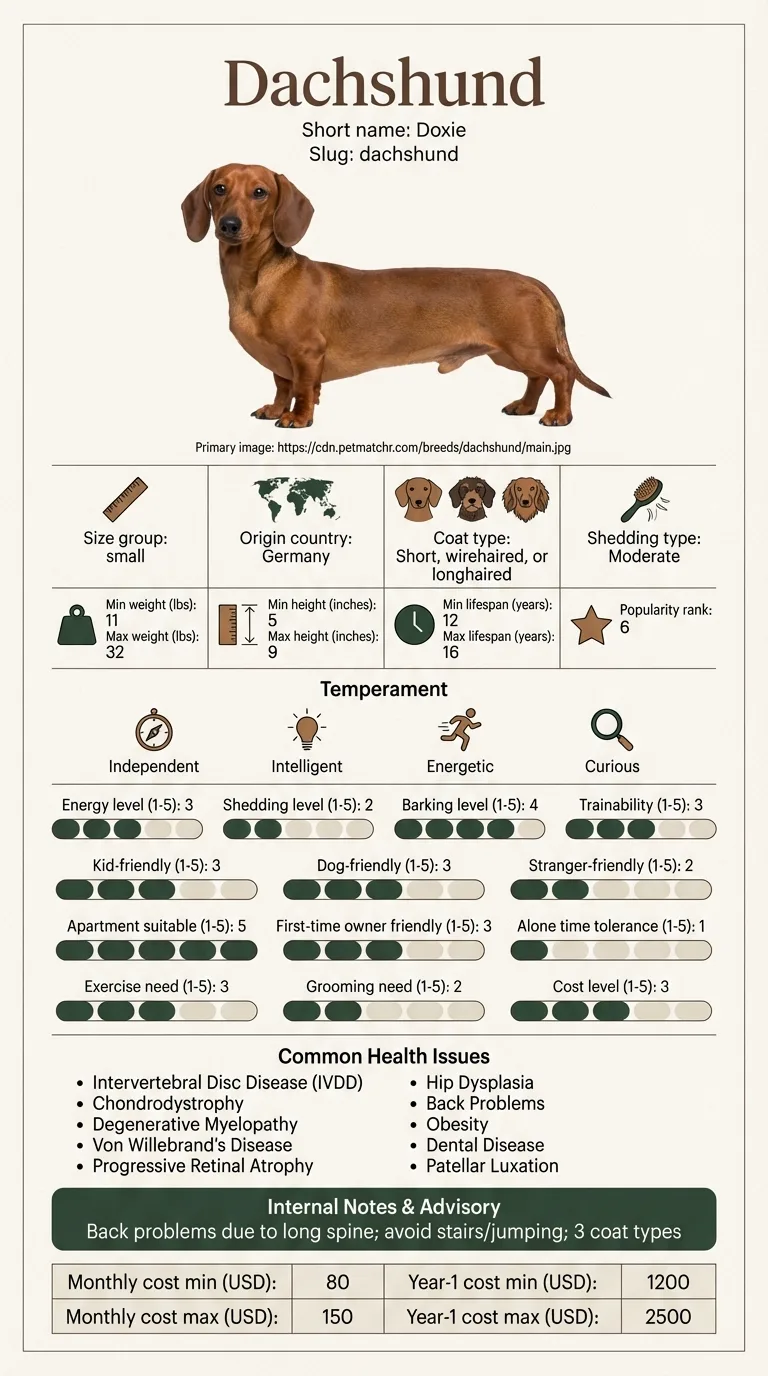
New Dachshund owners or those who have older dogs may often find themselves facing these health challenges. Many might be unsure about how to spot the signs or what steps to take to keep their furry friends healthy.
This guide is not medical advice. If your dog shows pain, sudden behavior change, or worsening symptoms, consult a licensed veterinarian.
Some links may be affiliate links. We may earn a commission at no extra cost to you. We only suggest products we believe are helpful for dog owners.
We research and check what we publish, but we do not warrant that any figure, date, price, or statement is accurate, complete, or current, and we accept no liability for any loss, cost, injury, or other harm arising from the use of this site. Use it as one reference among several. You remain responsible for your own decisions and for your dog's care - confirm anything that matters with a licensed veterinarian or another qualified professional before you act on it. Full disclaimer.
Check this first
Recognizing when Dachshund heart problems are an emergency is crucial for your dog’s health. If your Doxie shows severe symptoms, such as difficulty breathing, persistent coughing, or extreme lethargy, it’s time to call your vet immediately. These could indicate serious conditions like heart failure or cardiomyopathy that require urgent attention.
Other red-flag signs include sudden collapse, bluish gums, and an unusually rapid or weak pulse. These symptoms can signal critical issues that need to be addressed without delay. Do not wait to see if your dog improves—seek veterinary help right away.
On the other hand, mild cases of heart problems can often be monitored at home. If your Dachshund occasionally coughs or seems a bit more tired than usual but still eats and drinks normally, you might just need to keep a close eye on them. In such cases, setting up a check-in plan with your vet can help you manage their condition effectively. Regular check-ups and heart monitoring might be all that’s needed to keep your pup healthy.
If any of these apply, call your vet or an emergency clinic now. The rest of this page is for the cases that are not an emergency.
Dachshund heart problems can significantly impact their day-to-day life. Common symptoms include coughing, difficulty breathing, and fatigue during exercise. These issues can arise from various heart conditions, such as subvalvular aortic stenosis and cardiomyopathy, which are often genetic in this breed.
Heart problems are relatively common in Dachshunds, especially as they age. It's important for owners to be aware of these issues, as early detection can lead to better management and quality of life.
Dachshunds are prone to specific heart problems like subvalvular aortic stenosis and cardiomyopathy due to their unique body structure and genetics. Their small size and elongated bodies can contribute to these issues, which may not be immediately visible.
Environmental factors can also play a role in heart problems. Stressful living situations, poor diet, and lack of exercise can exacerbate these conditions. Additionally, obesity, which is common among Dachshunds, can lead to heart strain.
Consult your vet if you notice any changes in your Dachshund's breathing, energy levels, or appetite. Regular check-ups are crucial for early detection of heart problems, especially if your dog is older or has a family history of heart issues.
Addressing Dachshund heart problems can be tricky. Here are some common mistakes owners make that can worsen the situation, along with better alternatives.
Start here: Dachshund Most Common Genetic Disorders: What to Screen For
See all Dachshund health problems, which breeds are prone to heart problems, or the full Dachshund breed guide for temperament, exercise needs and ownership costs.
Improvement may take 3 to 6 months of consistent care and management.
Your Dachshund shows increased energy levels, improved appetite, and a more stable heart rate, indicating better heart health.
When Sarah adopted Bella, her energetic Dachshund, she quickly noticed something was off. Bella often tired easily and experienced occasional coughing. After a vet visit, Sarah learned that Bella had early signs of heart problems. With a tailored diet and a strict exercise routine, Sarah committed to managing Bella's health. Over the next few months, Bella's energy returned, and her vet noted improvements in her heart health. Sarah learned the importance of regular check-ups and monitoring Bella's condition closely.
Key takeaway: Early detection and proactive management can significantly improve a Dachshund's heart health.
Dachshunds can develop heart problems due to genetic factors, obesity, and age. Common issues include subvalvular aortic stenosis and cardiomyopathy. Regular vet check-ups are essential for early detection.
To prevent heart problems, focus on maintaining a healthy weight and providing regular exercise. A balanced diet designed for small breeds can also help. Consult your vet for tailored dietary recommendations.
Signs of heart problems include coughing, fatigue, difficulty breathing, and a decreased appetite. If you notice these symptoms, seek veterinary care immediately for a proper assessment.
While training cannot cure heart problems, it can help manage your dog's weight and stress levels, which is beneficial. Incorporate low-impact activities like walking or swimming into their routine.
Treatment options may include medication to manage symptoms or surgery for severe cases. Your vet can provide a plan based on your Dachshund's specific condition and needs.
Exercise is important, but it should be moderate and supervised. Always consult your veterinarian to determine the right amount and type of exercise for your Dachshund's condition.
Early signs of heart problems in a Dachshund can include coughing, difficulty breathing, or lethargy. You may also notice a decrease in their exercise tolerance or changes in their appetite. If you see any of these signs, it's important to consult your vet.
Yes, Dachshunds can be more prone to heart problems as they get older. Conditions like cardiomyopathy can develop over time, particularly in senior dogs. Regular vet check-ups become crucial to catch these issues early.
Some Dachshunds may develop heart problems due to genetic factors or congenital issues. Conditions like subvalvular aortic stenosis can occur even in younger dogs. It's essential to discuss any concerns with your veterinarian for proper diagnosis and treatment.
Managing your Dachshund's heart problems at home can include a balanced diet, regular light exercise, and monitoring their weight. It's also important to keep them stress-free and follow any medication plans prescribed by your vet.
To help prevent heart problems in Dachshunds, maintain a healthy diet and ensure they get regular, moderate exercise. Avoiding excessive weight gain is key, as obesity can put extra strain on their hearts. Regular vet visits are also essential for early detection and management.
Maintain a healthy diet, keep your Dachshund active with low-impact exercises, and schedule regular vet visits for heart health checks.
Reduce portion sizes, avoid treats high in calories, and increase daily activity to help manage your Dachshund's weight effectively.
Look for high-quality dog food with low sodium and rich in omega-3 fatty acids to support heart health in Dachshunds.
Yes, stress can exacerbate heart issues. Create a calm environment and use training techniques to reduce anxiety.
A one-page prep sheet for this condition: the signs, the questions to ask, what to get priced. Unlocks here.
You get: Vet visit prep sheet
No spam. One-click unsubscribe. See our privacy policy.
See a sample page before you decide.
Early access list
The free prep sheet covers the same-day warning signs, a symptom log and the questions to ask. We are considering a fuller kit that adds a cost worksheet for the usual tests and treatments (US price ranges with their sources) and a plain-English guide to ways of covering the bill. It is not built yet; this list tells us whether it is worth building.
One email, no spam, unsubscribe anytime. Information only, not veterinary advice.