Behavior
What are quick tips to prevent Dachshund gastric dilatation-volvulus (gdv/bloat)?
Feed smaller meals throughout the day and avoid exercise for at least an hour after eating. Using a slow feeder bowl can also help.
Dachshund gastric dilatation-volvulus, or GDV/bloat, is a serious and potentially life-threatening condition. (Dachshund gastric dilatation-volvulus (gdv/bloat))
Dachshund owners, especially those with older dogs or those prone to anxiety, often face this issue. Busy families or first-time dog owners may find it challenging to recognize the early signs of GDV.
This guide is not medical advice. If your dog shows pain, sudden behavior change, or worsening symptoms, consult a licensed veterinarian.
Some links may be affiliate links. We may earn a commission at no extra cost to you. We only suggest products we believe are helpful for dog owners.
Dachshund gastric dilatation-volvulus (GDV/bloat) is a serious and potentially life-threatening condition where the stomach fills with gas and twists. This can cause severe pain and can lead to shock or death if not treated immediately. Owners may notice their Doxie pacing, drooling excessively, or having a distended abdomen.
GDV is relatively common in Dachshunds, particularly in those with a history of overeating or stress. While it can happen to any dog, Doxies are at a higher risk due to their unique body structure and tendency to gulp down food.
Dachshunds, like many deep-chested breeds, are more prone to gastric dilatation-volvulus (GDV) due to their body structure. Their long torsos can lead to a higher risk of the stomach twisting, especially after eating or drinking. Additionally, their tendency to gulp food can contribute to this condition.
Environmental factors also play a role in GDV. Stressful situations, such as being left alone or sudden changes in routine, can increase the likelihood of bloat. Rapid eating, excessive exercise after meals, and certain dietary choices can further heighten this risk.
If your Dachshund shows signs of food aggression or anxiety during meals, consider consulting a professional trainer. They can help address these behavior issues, which might be contributing to your dog's risk of bloat.
If your Dachshund exhibits symptoms of GDV, such as a distended abdomen, excessive drooling, or attempts to vomit without success, contact your vet immediately. GDV is a medical emergency that requires prompt attention.
If your Dachshund shows signs of gastric dilatation-volvulus (GDV/bloat), immediate veterinary attention is crucial. Successfully managing long-term prevention can take several weeks to months of consistent training and dietary adjustments.
Success means your Dachshund remains free from episodes of GDV and displays a stable, healthy digestion. Regular vet check-ups and a tailored feeding routine will help ensure their well-being.
Avoiding these common mistakes can help manage your Dachshund's gastric dilatation-volvulus (GDV/bloat) and keep them healthy.
Dachshund gastric dilatation-volvulus (GDV/bloat) can be life-threatening and requires immediate attention. If you notice your Doxie showing severe symptoms, it’s crucial to act fast. Red flags include a swollen abdomen, excessive drooling, attempts to vomit without success, restlessness, and rapid breathing. These signs indicate that your dog may be in serious distress and should see a vet right away.
On the other hand, if your Dachshund is mildly uncomfortable but not exhibiting severe symptoms, you may be able to monitor them at home. Look for signs like slight bloating, mild lethargy, or occasional discomfort. In these cases, keep a close eye on your pup for any changes. If symptoms worsen or persist beyond a few hours, it’s best to consult your vet.
Remember, when in doubt, it's always better to err on the side of caution. Early intervention can make a significant difference in outcomes for your furry friend.
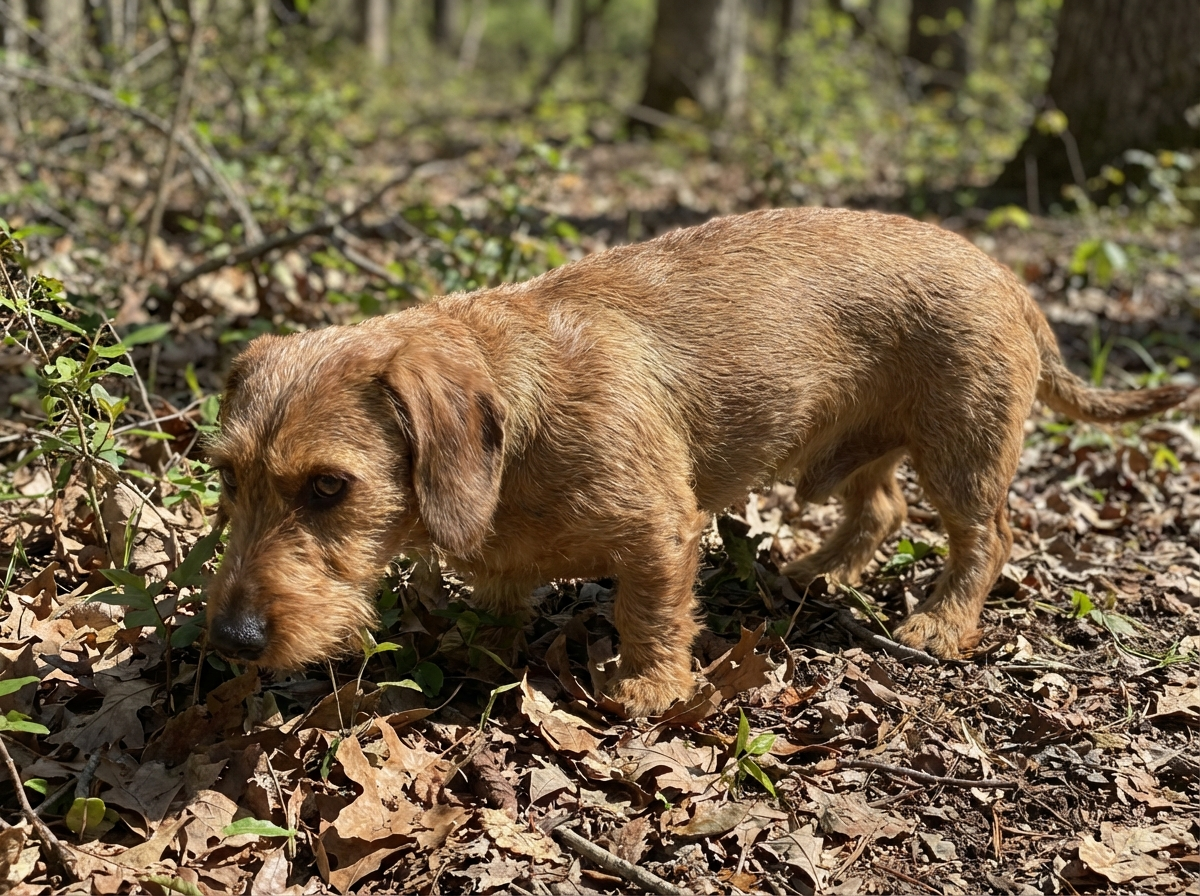
When Sarah adopted Bella, her spirited Dachshund, she noticed something troubling. Bella frequently gulped her food and would sometimes look bloated and uncomfortable afterward. Concerned, Sarah learned about the dangers of gastric dilatation-volvulus (GDV) and immediately sought help. With the vet's guidance, she switched Bella to smaller, more frequent meals and introduced slow feeder bowls. Over the next few months, Bella's eating habits improved, and she became much more comfortable after meals. Sarah also learned to watch for signs of distress, which helped her feel more confident as a dog owner.
Key takeaway: With the right approach and support, you can successfully manage your Dachshund's risk of GDV, ensuring they stay healthy and happy.
Dachshund gastric dilatation-volvulus (gdv/bloat) is a serious condition where the stomach twists and fills with gas. This can cut off blood flow and lead to shock or death. Immediate veterinary attention is crucial.
GDV/bloat can occur due to factors like eating too quickly, stress, or a genetic predisposition. Large meals or vigorous exercise right after eating can also increase the risk. Monitoring your Dachshund's feeding habits is essential.
To prevent GDV/bloat, feed smaller, more frequent meals and avoid vigorous exercise after eating. Using a slow feeder bowl can help your Dachshund eat at a safer pace. Additionally, consider discussing preventive options with your vet.
Common symptoms include a distended abdomen, excessive drooling, restlessness, and attempts to vomit without success. If you notice these signs, contact your vet immediately, as this condition can worsen quickly.
If you suspect GDV/bloat, take your Dachshund to the vet right away. Don't wait for symptoms to worsen, as this condition requires immediate treatment. The sooner the intervention, the better the chances of recovery.
While training won't prevent GDV/bloat, it can help establish healthy feeding routines. Teaching your Dachshund to wait for food can slow down their eating, which may reduce the risk of bloat.
Early signs of GDV in Dachshunds often include restlessness, drooling, and a swollen abdomen. You may also notice your Doxie trying to vomit without success. If you see these symptoms, it's crucial to seek veterinary help immediately.
Yes, older Dachshunds may be at a greater risk of developing GDV due to age-related changes in their digestive systems. Their overall health and potential pre-existing conditions can also contribute to this risk. Regular vet check-ups are essential for older dogs.
If your Dachshund shows symptoms of GDV, you should contact your veterinarian or an emergency animal clinic immediately. Time is critical, as GDV can lead to shock and death within hours if untreated. Don't wait to see if symptoms improve.
To help prevent GDV in Dachshunds, consider feeding smaller, more frequent meals rather than one large meal. Avoid vigorous exercise immediately after eating, and ensure your dog stays calm during and after meals. Keeping your Doxie's weight in check can also be beneficial.
There is some evidence to suggest that GDV can have a hereditary component in certain breeds, including Dachshunds. If you have concerns about your dog's family history, talk to your vet about preventive measures and monitoring.
Feed smaller meals throughout the day and avoid exercise for at least an hour after eating. Using a slow feeder bowl can also help.
Very urgent! GDV/bloat is a life-threatening condition that requires immediate veterinary care.
Look for a swollen stomach, restlessness, drooling, and attempts to vomit. If you see these signs, act quickly.
Yes! Training them to wait for their food can help slow down their eating and may reduce the risk of bloat.