Behavior
What are Dachshund epilepsy quick tips?
Keep a seizure diary, maintain a routine, and consult your vet regularly for the best management strategies.

Quick answer
What are Dachshund epilepsy quick tips?
Keep a seizure diary, maintain a routine, and consult your vet regularly for the best management strategies.
Dachshund epilepsy can be a daunting challenge for dog owners. Seizures can occur unexpectedly, impacting both the dog's quality of life and the owner's peace of mind.
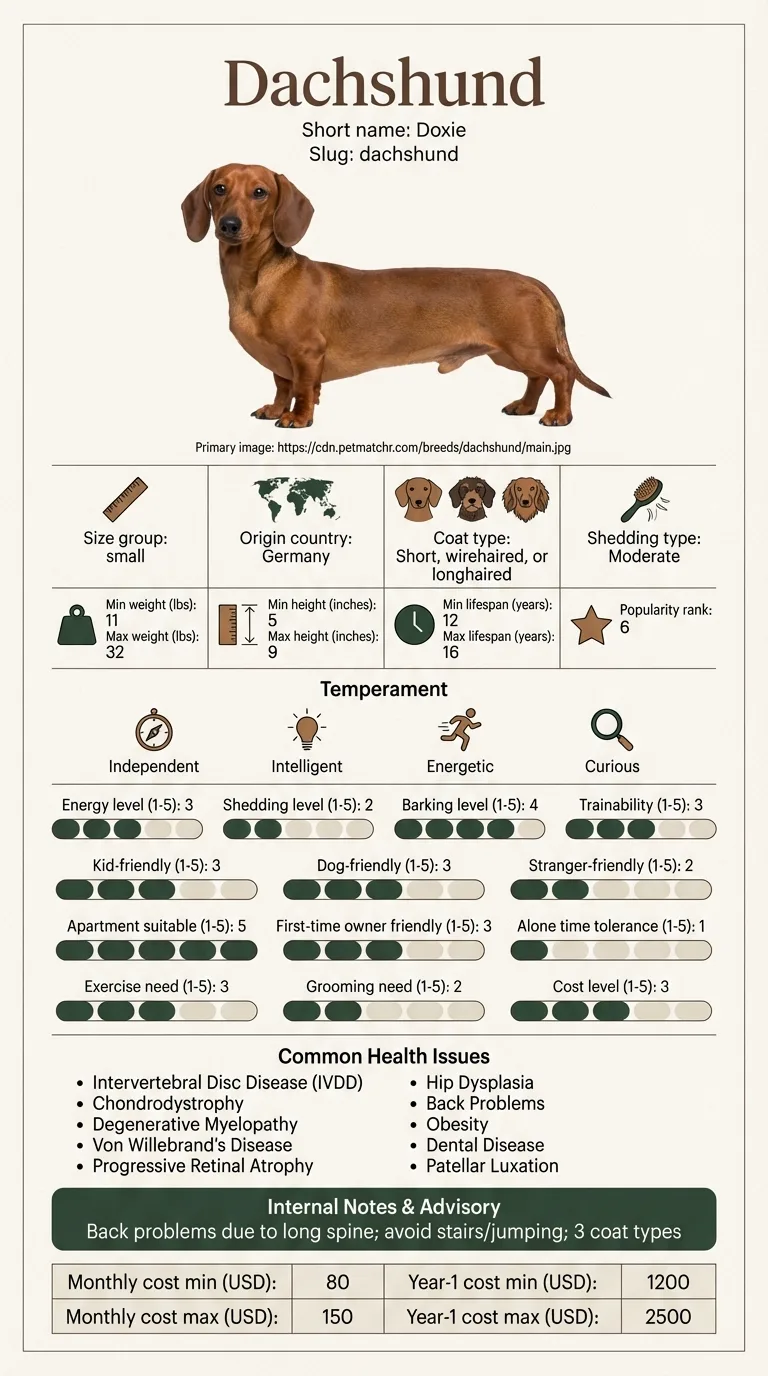
Typical owners dealing with Dachshund epilepsy include first-time pet parents who may feel overwhelmed and experienced owners who are navigating this complex health issue. Whether you're living with a high-energy Doxie or one who prefers a cozy spot on the couch, knowing how to handle epilepsy is essential.
This guide is not medical advice. If your dog shows pain, sudden behavior change, or worsening symptoms, consult a licensed veterinarian.
Some links may be affiliate links. We may earn a commission at no extra cost to you. We only suggest products we believe are helpful for dog owners.
We research and check what we publish, but we do not warrant that any figure, date, price, or statement is accurate, complete, or current, and we accept no liability for any loss, cost, injury, or other harm arising from the use of this site. Use it as one reference among several. You remain responsible for your own decisions and for your dog's care - confirm anything that matters with a licensed veterinarian or another qualified professional before you act on it. Full disclaimer.
Check this first
Dachshund epilepsy can be alarming, especially when seizures occur. It's crucial to know when to act quickly versus when to monitor the situation. If your Dachshund experiences a seizure lasting more than five minutes, or if they have multiple seizures in a row, you need to call your vet immediately. These are signs of a status epilepticus, which is a serious condition that requires urgent care.
Other red flags include if your dog is disoriented or unresponsive after a seizure, shows signs of injury during a seizure, or has difficulty breathing. These symptoms may indicate a more severe underlying issue, and timely intervention is essential.
In less severe cases, you can keep an eye on your Dachshund. If the seizures are brief and infrequent, it may be possible to monitor their health at home. Make sure to note the frequency and duration of the seizures, as this information will be valuable for your vet. Establish a plan with your veterinarian on how to manage your Dachshund's epilepsy, including possible lifestyle adjustments or medication.
If any of these apply, call your vet or an emergency clinic now. The rest of this page is for the cases that are not an emergency.
Dachshund epilepsy is a serious condition that can affect the day-to-day life of your beloved Doxie. It typically manifests as sudden seizures, which can be alarming for both the dog and its owner. These seizures may vary in frequency and intensity, potentially disrupting your dog's routine and causing stress for the entire household.
Epilepsy is relatively common in Dachshunds, with a significant number showing symptoms by the time they are a few years old. While not every Dachshund will experience epilepsy, being aware of the signs and triggers is essential for effective management.
Dachshunds can inherit epilepsy due to genetic factors. Certain lines may be more prone to seizures, affecting their overall health. Additionally, their independent and curious nature means they might experience stress, which can trigger seizures.
Environmental factors also play a role in Dachshund epilepsy. Changes in routine, exposure to toxins, or stressful situations can provoke seizures. Inadequate training or socialization can lead to anxiety, further increasing seizure risk.
If your Dachshund experiences seizures, it's essential to speak with a vet right away. They can evaluate your dog's health and recommend treatments or medications to manage epilepsy effectively.
Avoiding common mistakes can help manage your Dachshund's epilepsy more effectively. Here are some key behaviors to watch out for.
Start here: Dachshund Most Common Genetic Disorders: What to Screen For
See all Dachshund health problems, which breeds are prone to epilepsy, or the full Dachshund breed guide for temperament, exercise needs and ownership costs.
Managing Dachshund epilepsy typically takes a few weeks to months for effective treatment adjustments. Regular vet check-ups are essential during this time.
Success looks like having fewer or less severe seizures, improved quality of life for your Dachshund, and a well-structured medication routine.
Jenna, a busy nurse in Chicago, noticed her Dachshund Max having occasional seizures. At first, she was terrified and didn't know what to do. After a visit to the vet, she learned about Dachshund epilepsy and that managing it would require patience. With a tailored medication plan and regular follow-ups, Jenna carefully tracked Max's seizures and behaviors. Over time, the frequency of seizures decreased, and Max became more playful and energetic. Jenna found a support group online where she connected with other owners facing similar challenges, which helped her feel less alone in this journey.
Key takeaway: Understanding Dachshund epilepsy takes time and support. Regular vet check-ups, medication management, and connecting with fellow owners can lead to a happier, healthier dog.
Dachshund epilepsy can be caused by genetic factors, brain tumors, or head injuries. If your Dachshund is experiencing seizures, it's essential to consult with a vet to determine the underlying cause.
Managing Dachshund epilepsy often involves medication to control seizures. Regular vet check-ups and keeping a seizure diary can help track patterns and adjust treatment as needed.
Signs of a seizure in Dachshunds may include shaking, twitching, or collapsing. Some Dachshunds might also display confusion or disorientation before or after a seizure.
To prevent seizures from worsening, maintain a consistent routine for feeding and exercise. Reducing stress and avoiding potential triggers, like loud noises, can also help.
Long-term effects of Dachshund epilepsy can vary, but some dogs may experience cognitive changes or physical health issues due to frequent seizures. Regular vet visits are crucial for monitoring their health.
A high-quality, balanced diet is important for Dachshunds with epilepsy. Consult your vet for specific dietary recommendations that may help manage their condition.
While training won't cure Dachshund epilepsy, it can improve your dog's confidence and reduce anxiety. Positive reinforcement techniques are particularly effective for managing stress.
Common signs include sudden, uncontrolled shaking, twitching, or convulsions. You might also notice unusual behavior before a seizure, such as restlessness or hiding. If you see these symptoms, it's important to consult a vet.
Stay calm and keep your dog safe by moving any nearby hazards out of the way. Avoid putting your hands near their mouth, as they may accidentally bite you. Time the seizure and contact your vet for advice.
Diet and exercise can influence overall health and might help manage epilepsy. Some owners find that a consistent routine and a balanced diet can reduce seizure frequency. Always discuss any changes with your vet first.
Yes, epilepsy can be hereditary in Dachshunds. If your pet has a family history of seizures, they may be at a higher risk. It's worth discussing with your vet if you're considering breeding.
If your Dachshund experiences a seizure lasting more than five minutes, or if they have multiple seizures in a short time, seek veterinary help immediately. Regular check-ups are also essential to manage their condition effectively.
Keep a seizure diary, maintain a routine, and consult your vet regularly for the best management strategies.
Regular vet visits every 6-12 months are recommended for monitoring your Dachshund's health and adjusting treatment as needed.
Currently, there is no cure for Dachshund epilepsy, but many dogs can manage the condition effectively with medication and lifestyle adjustments.
Yes, stress can be a trigger for seizures in Dachshunds, so it's important to create a calm environment for them.
Stay calm, clear the area of hazards, and time the seizure. Do not put anything in your dog's mouth, and contact your vet afterward.
A one-page prep sheet for this condition: the signs, the questions to ask, what to get priced. Unlocks here.
You get: Vet visit prep sheet
No spam. One-click unsubscribe. See our privacy policy.
Preview page 1 before you decide.