Dachshund Degenerative Myelopathy (DM): What You Need to Know
Quick answer
What are quick tips for managing Dachshund degenerative myelopathy (dm)?
Regular vet visits, using mobility aids, and providing a safe space can help manage Dachshund degenerative myelopathy (dm). Additionally, gentle exercises and a balanced diet support overall health.
Dachshund degenerative myelopathy (DM) is a progressive spinal cord disease that affects mobility. This condition can be challenging for both dogs and their owners as it worsens over time.
Typically, owners of older Dachshunds or those with a family history of this condition face the toughest challenges. They often struggle with the emotional and physical aspects of caring for a dog experiencing mobility issues and may feel lost about how to support their pet through this journey.
Important reminder
This guide is not medical advice. If your dog shows pain, sudden behavior change, or worsening symptoms, consult a licensed veterinarian.
Some links may be affiliate links. We may earn a commission at no extra cost to you. We only suggest products we believe are helpful for dog owners.
We research and check what we publish, but we do not warrant that any figure, date, price, or statement is accurate, complete, or current, and we accept no liability for any loss, cost, injury, or other harm arising from the use of this site. Use it as one reference among several. You remain responsible for your own decisions and for your dog's care - confirm anything that matters with a licensed veterinarian or another qualified professional before you act on it. Full disclaimer.
Check this first
When Dachshund Degenerative Myelopathy (DM) Is an Emergency
Dachshund degenerative myelopathy (DM) can progress slowly, but knowing when to act is crucial. If your Dachshund shows signs of severe weakness or paralysis in the hind legs, it's time to call your vet immediately. Other emergencies include sudden loss of bladder or bowel control and significant pain that doesn’t respond to usual comfort techniques.
If any of these apply, call your vet or an emergency clinic now. The rest of this page is for the cases that are not an emergency.
What this problem looks like
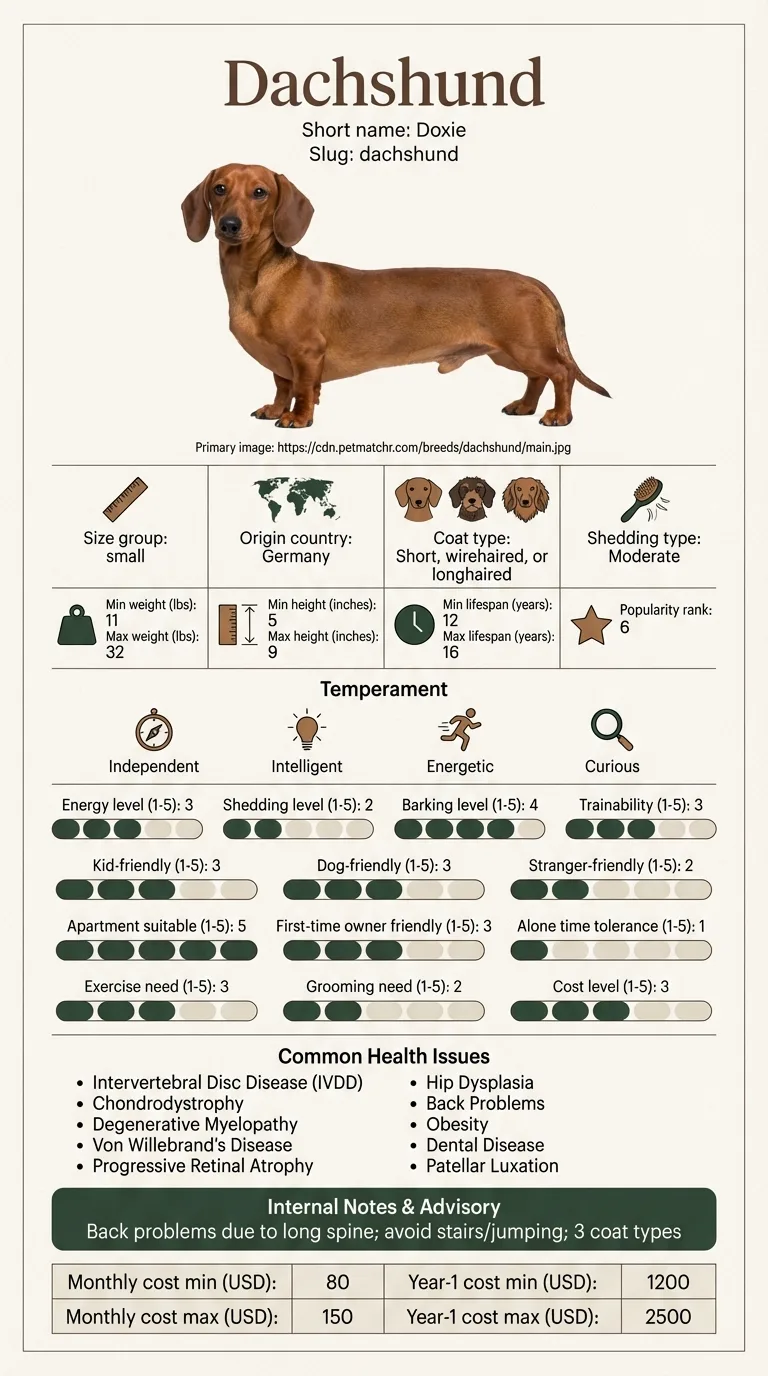
Dachshund degenerative myelopathy (DM) is a progressive spinal cord disease that affects the mobility of these small dogs. It typically begins with subtle signs like difficulty walking or a wobbly gait. As the condition advances, you may notice your Doxie struggling to climb stairs or even stand up, which can be heartbreaking for owners to witness.
Common triggers
Genetic predisposition, particularly in older Dachshunds
Injury or trauma that affects the spine
Obesity, which can exacerbate mobility issues
Dachshund degenerative myelopathy (DM) is relatively common in this breed, with studies suggesting that around 10-20% of Dachshunds may develop it. The risk increases significantly as they age, particularly for those over the age of 8.
Why this happens
Breed factors
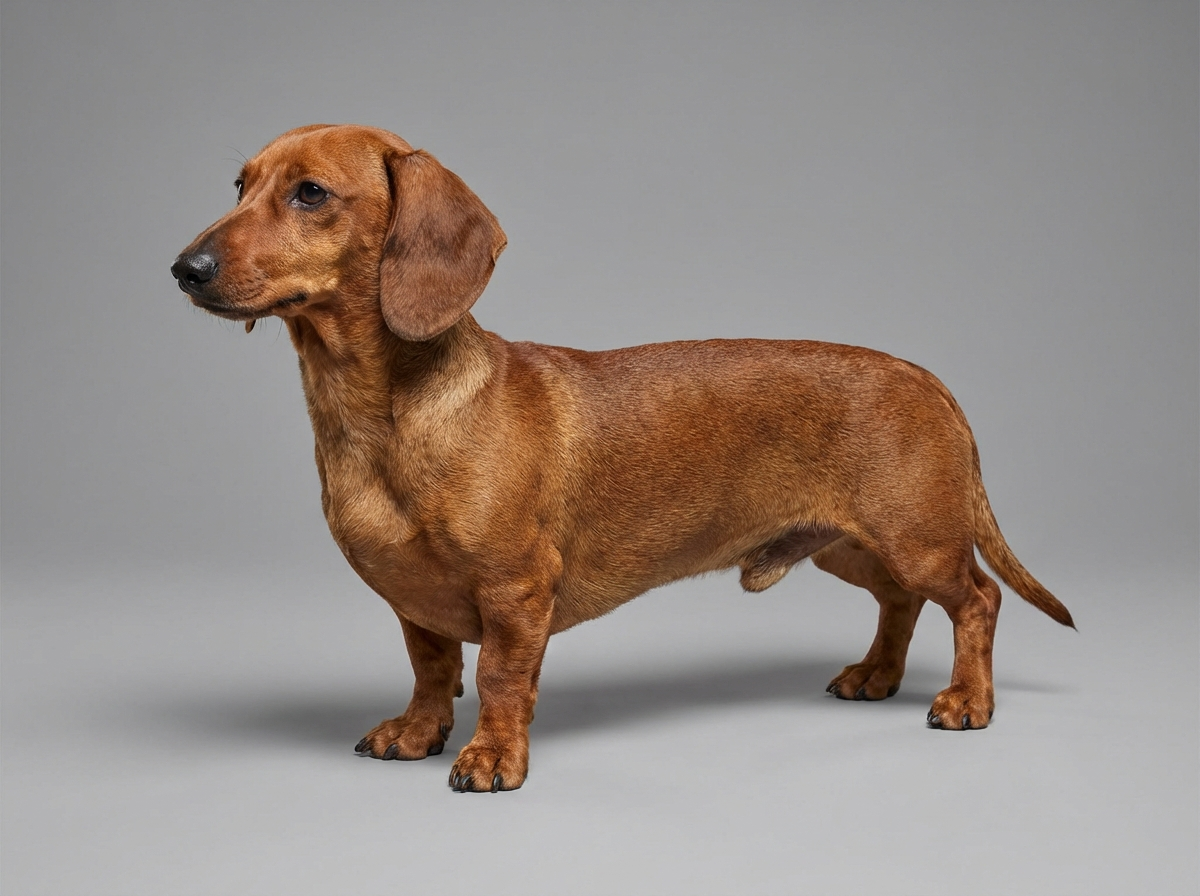
Dachshunds are prone to degenerative myelopathy (DM) due to their unique spinal structure. Their long spine and short legs make them more susceptible to spinal cord issues. This genetic predisposition is common in the breed and can lead to DM as they age.
Environment factors
Environmental factors can also contribute to the onset of DM. A lack of exercise, being overweight, and not having a supportive living environment can worsen the condition. Additionally, improper handling or activities that stress their spine may accelerate symptoms.
What you can do at home (once it is not an emergency)
When to talk to your vet
Consult your vet if you suspect DM or if your Dachshund's mobility worsens. Early intervention can significantly improve their quality of life, and your vet can recommend specific treatments or therapies.
At home, alongside your vet's plan
Ensure your Dachshund maintains a healthy weight. Regular exercise, like short walks, can help but avoid high-impact activities.
Create a safe space for your dog that minimizes jumping or climbing. Consider using ramps instead of stairs and soft bedding to support their body.
Incorporate physical therapy exercises at home. Gentle stretching and balance exercises can help maintain mobility.
Use supportive harnesses for walks to help them if they struggle. This can ease the strain on their back and make outings more enjoyable.
Mistakes that make Degenerative Myelopathy (DM) worse
Avoiding these common mistakes can help manage your Dachshund's degenerative myelopathy (DM) more effectively.
Ignoring early signs of DM: Waiting too long to consult a vet can delay critical interventions. Early detection leads to better management.
Not adjusting exercise: Over-exercising a dog with DM can worsen their condition. Instead, opt for shorter, low-impact walks.
Neglecting mobility aids: Some owners hesitate to use harnesses or carts, thinking their dog will resist. These aids can significantly improve their quality of life.
Failing to provide mental stimulation: Many owners focus solely on physical exercises. Brain games and puzzles can keep your Dachshund engaged and happy.
Inconsistent training: Skipping training sessions can confuse your dog. Establish a routine that includes consistent commands and positive reinforcement.
Ignoring dietary needs: Some owners may overlook nutrition, thinking all dog foods are the same. A balanced diet can support overall health and mobility.
Not seeking support: Isolation can be tough for both dogs and owners. Consider joining a support group for shared experiences and advice.
Managing Dachshund degenerative myelopathy (DM) typically requires ongoing care and monitoring. Expect to see gradual changes over several months as the condition progresses. With proper support, many owners notice improvements in their dog's comfort and mobility within 6 to 12 months.
Success in managing DM means your Dachshund can maintain a good quality of life. This includes enjoying daily activities, having a comfortable living space, and using supportive devices like harnesses or mobility carts when needed.
When to Watch and Wait
If your Dachshund is experiencing mild signs like slight wobbly walking or difficulty rising after resting, you can monitor these symptoms closely. Keep track of any changes in mobility or behavior, and consider a plan that includes regular vet check-ups. Staying proactive can help manage the condition effectively without panic.
Dachshund Degenerative Myelopathy (DM): What You Need to Know - When to Watch and Wait
A Caring Journey with Daisy
Laura, a devoted Dachshund owner, noticed her dog Daisy had trouble getting up after naps. After visiting the vet, she learned Daisy had degenerative myelopathy (DM). Initially overwhelmed, Laura researched how to stop Dachshund degenerative myelopathy (DM) and joined online support groups. She learned about physical therapy exercises and invested in a supportive harness. As the months passed, Daisy adapted well, and Laura saw her enjoying walks again, albeit slower. They celebrated small victories, like navigating stairs with assistance, which strengthened their bond.
Key takeaway: With the right support and knowledge, managing Dachshund degenerative myelopathy (DM) can lead to a fulfilling life for both the dog and owner. Stay informed and proactive, and don't hesitate to seek help from professionals.
Frequently asked questions
Why does my Dachshund have degenerative myelopathy (dm)?
The exact cause of Dachshund degenerative myelopathy (dm) is not fully understood, but it is believed to be genetic. Older Dachshunds are more prone to develop this condition, especially if they have a family history of dm. Regular vet check-ups can help in early detection.
How can I help my Dachshund with degenerative myelopathy (DM)?
To help your Dachshund with degenerative myelopathy (DM), consider physical therapy and supportive devices like harnesses or wheelchairs. Keeping your dog engaged with low-impact activities can also help maintain their quality of life. Always discuss any new treatments or therapies with your vet.
What are the signs of degenerative myelopathy (dm) in Dachshunds?
Signs of degenerative myelopathy (dm) include difficulty walking, dragging of the hind legs, and muscle wasting. You may also notice a change in your dog's coordination and balance. If you observe these symptoms, consult your veterinarian.
Can training help Dachshunds with degenerative myelopathy (dm)?
While training won't cure degenerative myelopathy (dm), it can help maintain some mobility and improve quality of life. Using positive reinforcement to encourage slow walking or gentle exercises can be beneficial. Always consult with your vet before starting any new training.
What are the early signs of Dachshund degenerative myelopathy (DM)?
Early signs of Dachshund degenerative myelopathy (DM) often include subtle changes in walking, such as dragging back paws or difficulty getting up after lying down. You might also notice a loss of coordination and weakness in the hind legs. If you see these signs, it's time to consult your vet.
Is degenerative myelopathy (DM) hereditary in Dachshunds?
Yes, degenerative myelopathy (DM) is believed to have a hereditary component in Dachshunds. If you are considering adopting a Dachshund, ask about the puppy's lineage and if there are known cases of DM in their family. Responsible breeding practices can help reduce the risk.
What is the average lifespan of a Dachshund with degenerative myelopathy (DM)?
The average lifespan of a Dachshund with degenerative myelopathy (DM) can vary, but many live around 1 to 3 years after diagnosis. The progression of the disease is different for each dog, so regular vet check-ups are essential to monitor their health.
When should I consider euthanasia for my Dachshund with degenerative myelopathy (DM)?
Deciding when to consider euthanasia for your Dachshund with degenerative myelopathy (DM) is deeply personal and often depends on your dog's quality of life. If they are in constant pain, unable to stand, or no longer enjoy their favorite activities, it may be time to have a discussion with your vet about humane options.
What are quick tips for managing Dachshund degenerative myelopathy (dm)?
Regular vet visits, using mobility aids, and providing a safe space can help manage Dachshund degenerative myelopathy (dm). Additionally, gentle exercises and a balanced diet support overall health.
Living
How can I support my Dachshund's mobility?
Consider using a harness or wheelchair for added support. These aids can help your Dachshund move around safely and comfortably.
Health
What should I expect as my Dachshund's condition progresses?
As degenerative myelopathy (dm) progresses, you may notice increased difficulty in mobility. Your vet can guide you on how to adjust care as your dog's needs change.
Related DogBreedCompass guides
Dachshund behavior problems – Learn more about how to manage behavior issues stemming from degenerative myelopathy.
A fuller vet-visit kit for Dachshund Degenerative Myelopathy DM
The free prep sheet covers the same-day warning signs, a symptom log and the questions to ask. We are considering a fuller kit that adds a cost worksheet for the usual tests and treatments (US price ranges with their sources) and a plain-English guide to ways of covering the bill. It is not built yet; this list tells us whether it is worth building.
One email, no spam, unsubscribe anytime. Information only, not veterinary advice.