Health
What are some quick tips for managing Dachshund chronic active hepatitis?
Focus on a low-copper diet, maintain regular vet visits, and monitor for symptoms like vomiting or jaundice.

Quick answer
What are some quick tips for managing Dachshund chronic active hepatitis?
Focus on a low-copper diet, maintain regular vet visits, and monitor for symptoms like vomiting or jaundice.
Dachshund chronic active hepatitis is a serious liver disease that can affect your furry friend’s health and quality of life. It's crucial to recognize the signs early.
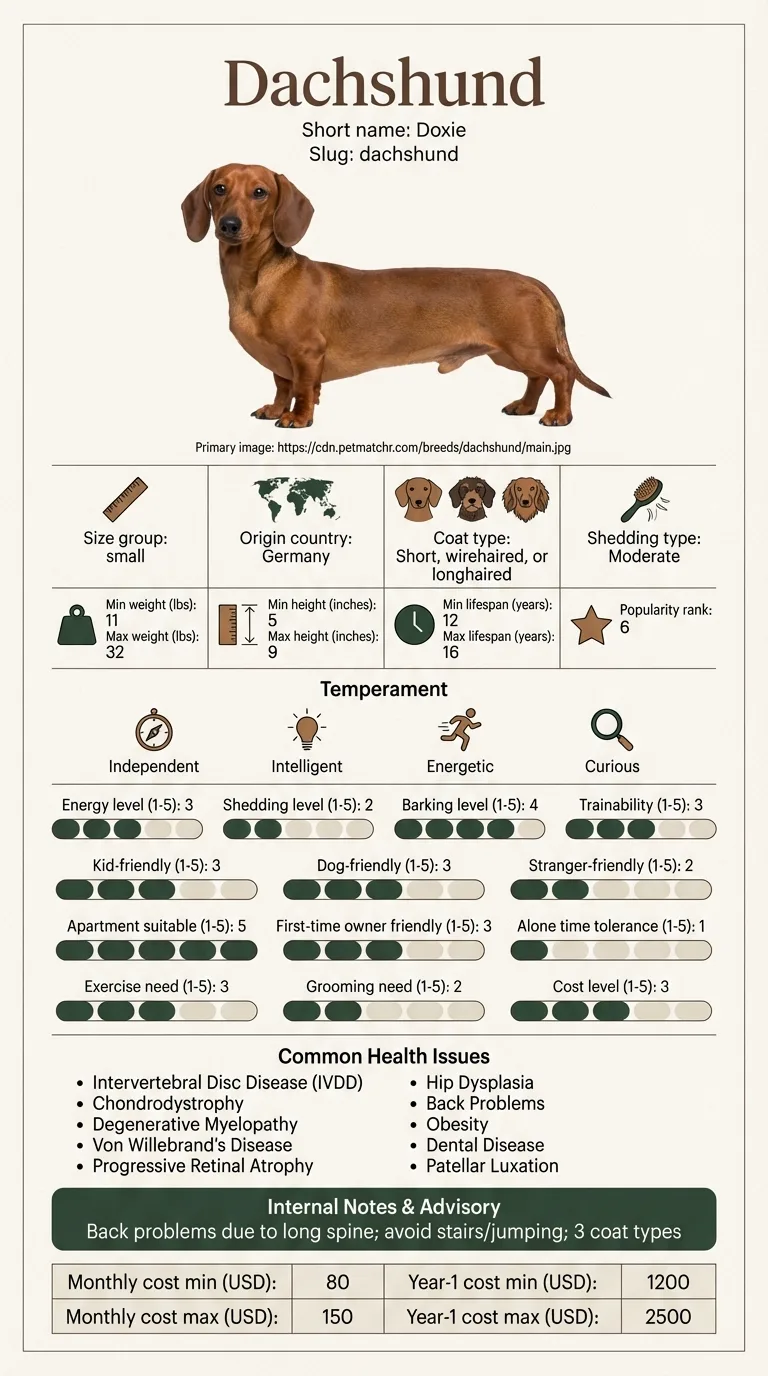
Typically, owners of Dachshunds face this issue, especially those who may not be aware of their dog's health vulnerabilities. First-time dog owners and busy families might find it particularly challenging to notice subtle changes in their pet's behavior.
This guide is not medical advice. If your dog shows pain, sudden behavior change, or worsening symptoms, consult a licensed veterinarian.
Some links may be affiliate links. We may earn a commission at no extra cost to you. We only suggest products we believe are helpful for dog owners.
We research and check what we publish, but we do not warrant that any figure, date, price, or statement is accurate, complete, or current, and we accept no liability for any loss, cost, injury, or other harm arising from the use of this site. Use it as one reference among several. You remain responsible for your own decisions and for your dog's care - confirm anything that matters with a licensed veterinarian or another qualified professional before you act on it. Full disclaimer.
Check this first
Dachshund chronic active hepatitis can be serious, so it's important to know when to act quickly. Red-flag signs include severe vomiting, persistent diarrhea, unusual lethargy, or yellowing of the skin and eyes (jaundice). If your Dachshund shows these symptoms, call your vet immediately.
In less severe cases, you might notice mild vomiting, decreased appetite, or occasional lethargy. These symptoms could indicate a less urgent issue but still warrant monitoring. Create a plan to observe your dog closely, keeping track of any changes in behavior or health.
If the mild symptoms persist or worsen, it’s best to consult your vet for advice. Being proactive can help you manage the situation before it escalates. Always trust your instincts as a pet owner; if something seems off, it's better to be safe than sorry.
If any of these apply, call your vet or an emergency clinic now. The rest of this page is for the cases that are not an emergency.
Dachshund chronic active hepatitis is a liver disease that can significantly affect your dog's health. Symptoms often include lethargy, vomiting, loss of appetite, and jaundice. These signs can lead to serious complications if not addressed promptly, making awareness crucial for Dachshund owners.
Chronic active hepatitis is relatively common in Dachshunds, especially due to their genetic makeup and predisposition to certain health issues. Many owners report dealing with liver-related concerns at some point in their dog's life. Regular vet check-ups can help catch these problems early.
Dachshunds are prone to certain genetic conditions, including liver diseases like chronic active hepatitis. Their unique body structure can affect their overall health, making them more susceptible to such issues.
Diet and lifestyle also play a critical role in the development of chronic active hepatitis. Poor nutrition, exposure to toxins, and lack of exercise can contribute to liver problems in Dachshunds.
Consult your vet if you notice any symptoms of liver disease, such as unusual appetite changes, weight loss, or persistent vomiting. Regular check-ups are essential for managing chronic conditions.
When dealing with Dachshund chronic active hepatitis, it's crucial to avoid certain common mistakes. These behaviors can inadvertently worsen your dog's condition or slow down their recovery.
Start here: Dachshund Most Common Genetic Disorders: What to Screen For
See all Dachshund health problems, which breeds are prone to chronic active hepatitis, or the full Dachshund breed guide for temperament, exercise needs and ownership costs.
Managing Dachshund chronic active hepatitis typically takes several months to establish a stable regimen, including diet and medication adjustments.
Success involves reduced symptoms, improved liver function tests, and a happier, more active dog.
When Sarah adopted Bella, her energetic Dachshund, she quickly noticed something was off. Bella had bouts of lethargy and digestive issues. After a vet visit, Sarah learned Bella had chronic active hepatitis. Over the next few months, Sarah followed a strict diet, administered medications, and attended regular check-ups. With time, Bella's energy returned, and she could enjoy her daily walks again. Sarah felt relieved and grateful for the support from her vet and online forums, which provided her with tips on managing Bella's condition.
Key takeaway: With dedication and proper care, you can help your Dachshund thrive even with chronic active hepatitis.
Dachshunds can develop chronic active hepatitis due to various factors, including genetic predisposition, autoimmune issues, or exposure to toxins. If you notice symptoms like vomiting, jaundice, or lethargy, consult your vet for a proper diagnosis.
Managing Dachshund chronic active hepatitis often involves dietary changes and medications. Your vet may recommend a special diet low in copper and high in quality protein to support liver health.
Common signs include loss of appetite, weight loss, vomiting, and jaundice. If your Dachshund exhibits these symptoms, it's crucial to seek veterinary care immediately.
While there is no definitive cure for chronic active hepatitis, many dogs can manage the condition with proper care. Regular vet check-ups and a tailored treatment plan can help maintain your Dachshund's quality of life.
There is evidence that chronic active hepatitis can have a hereditary component. It's important to be aware of your Dachshund's family history and discuss it with your vet, especially if you're considering breeding.
Incorporating a balanced diet, maintaining a healthy weight, and limiting stress can greatly benefit your Dachshund. Regular low-impact exercise is also important to keep them active without overexertion.
Treatment costs for Dachshund chronic active hepatitis can range from $500 to $2,500 annually. This includes medications, special diets, and regular veterinary visits.
Early signs of Dachshund chronic active hepatitis can include vomiting, diarrhea, and a lack of appetite. You may also notice increased thirst and urination. If you see these symptoms, consult your vet promptly.
Yes, older Dachshunds may experience more severe symptoms and complications from chronic active hepatitis. Their immune systems may not respond as effectively, making early diagnosis and treatment even more critical.
If your Dachshund is diagnosed with chronic active hepatitis, follow your vet's treatment plan closely. This may include medication, dietary changes, and regular check-ups to monitor liver function and overall health.
Yes, a specialized diet low in copper and high in protein can help manage chronic active hepatitis. Consult your vet for dietary recommendations that suit your Dachshund's specific condition and needs.
Regular vet visits are essential for a Dachshund with chronic active hepatitis. Typically, you should schedule check-ups every 3 to 6 months to monitor liver health and adjust treatment as needed.
Focus on a low-copper diet, maintain regular vet visits, and monitor for symptoms like vomiting or jaundice.
Provide a stress-free environment, stick to prescribed medications, and ensure they get gentle exercise.
Include high-quality, easily digestible proteins and avoid copper-rich foods to support liver health.
Regular check-ups every 3-6 months are recommended to monitor liver function and adjust treatment as needed.
Training can help manage anxiety and improve behavior, especially during vet visits or medication times.
A one-page prep sheet for this condition: the signs, the questions to ask, what to get priced. Unlocks here.
You get: Vet visit prep sheet
No spam. One-click unsubscribe. See our privacy policy.
Preview page 1 before you decide.