Health
What are quick tips for dealing with Dachshund cancer?
Focus on regular vet visits, maintain a balanced diet, and ensure they stay active within their limits.

Quick answer
What are quick tips for dealing with Dachshund cancer?
Focus on regular vet visits, maintain a balanced diet, and ensure they stay active within their limits.
Dachshund cancer is a serious concern that affects many dogs in this breed. Understanding the risks and taking proactive measures can help protect your furry friend.
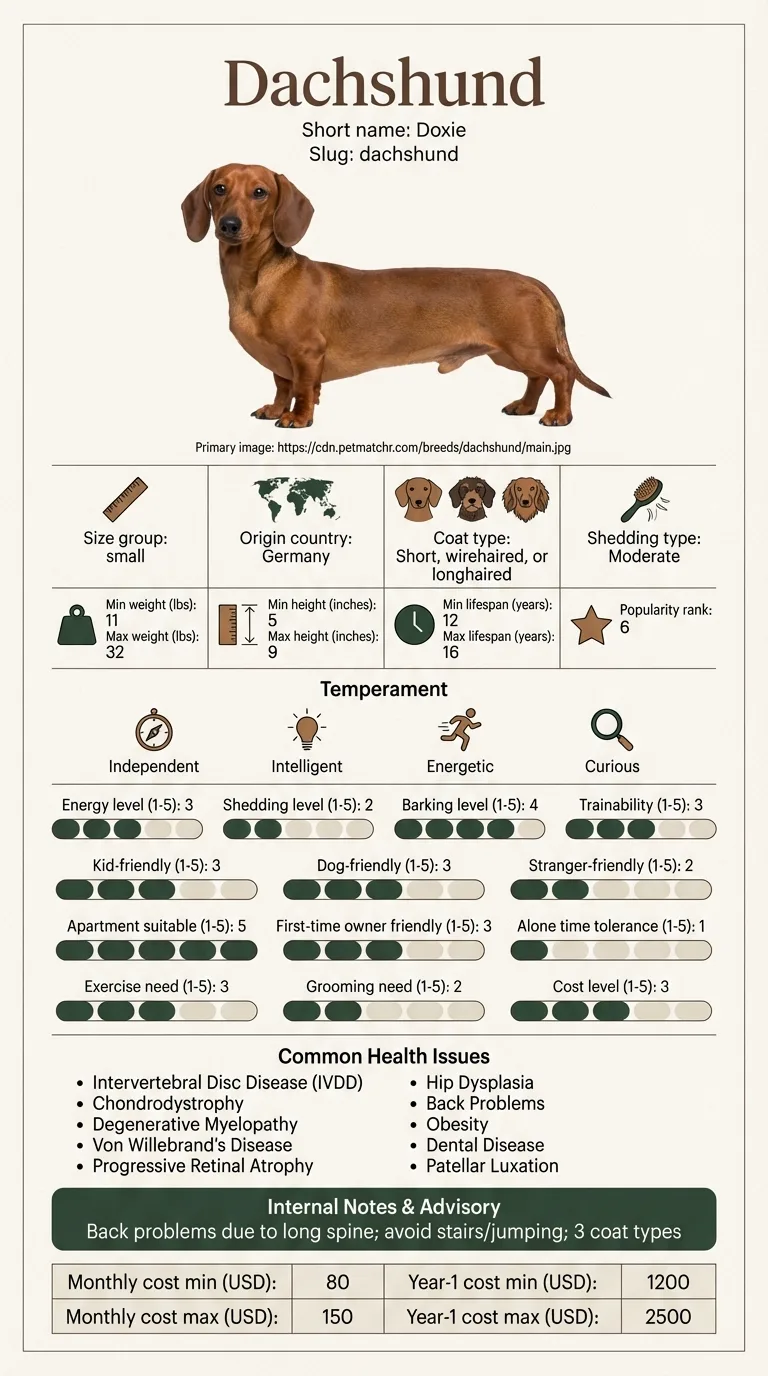
Owners of Dachshunds, especially those with older dogs or those with a family history of cancer, often find themselves navigating this complex issue. New pet parents may feel overwhelmed by the prospect of cancer and struggle to find the right information and support.
This guide is not medical advice. If your dog shows pain, sudden behavior change, or worsening symptoms, consult a licensed veterinarian.
Some links may be affiliate links. We may earn a commission at no extra cost to you. We only suggest products we believe are helpful for dog owners.
We research and check what we publish, but we do not warrant that any figure, date, price, or statement is accurate, complete, or current, and we accept no liability for any loss, cost, injury, or other harm arising from the use of this site. Use it as one reference among several. You remain responsible for your own decisions and for your dog's care - confirm anything that matters with a licensed veterinarian or another qualified professional before you act on it. Full disclaimer.
Check this first
Recognizing when Dachshund cancer is an emergency is crucial for your pup’s health. Immediate veterinary care is necessary if you notice any sudden changes in your dog's behavior or health. Look for signs like difficulty breathing, severe lethargy, unresponsiveness, or visible tumors that seem to be growing rapidly. These symptoms indicate an urgent need for professional help.
On the other hand, some signs can be monitored with a watchful eye. If your Dachshund shows mild symptoms such as a decreased appetite, slight weight loss, or occasional coughing, it’s wise to consult your vet but not necessarily rush to the clinic. Keeping a detailed record of any changes will help your vet assess the situation better during regular check-ups.
It's essential to know your Dachshund's normal behavior and health baseline. If you notice anything out of the ordinary, having a plan can help. Regular vet visits, combined with early detection, can make a significant difference in outcomes for cancer treatment.
If any of these apply, call your vet or an emergency clinic now. The rest of this page is for the cases that are not an emergency.
Dachshund cancer is a significant concern for many owners. This small breed is prone to various types of cancer, which can manifest through symptoms like unusual lumps, lethargy, and changes in appetite. Owners often notice these signs during regular check-ups or when their Dachshund seems less energetic than usual.
Unfortunately, cancer is relatively common in Dachshunds. Research suggests that they may have higher cancer rates compared to other breeds, especially as they age. Regular health check-ups can help catch potential issues early.
Dachshunds have a higher predisposition to certain types of cancer, such as mammary and skin cancers. Their unique genetic makeup can increase their vulnerability to tumors and other growths. Additionally, their long spine and body structure may contribute to health issues that can lead to cancer.
Environmental factors can also play a role in Dachshund cancer rates. Exposure to harmful chemicals or toxins, such as those found in some household cleaning products or pesticides, can increase the risk. A poor diet lacking essential nutrients might weaken their immune system, making them more susceptible to cancer.
If you notice any persistent symptoms, such as weight loss, lethargy, or unusual growths, it's important to consult your vet. They can perform tests to rule out cancer or other serious conditions. Regular check-ups are also important, especially as your Dachshund ages.
Understanding what not to do can help improve your Dachshund's situation. Here are some common mistakes owners make that can unintentionally worsen the cancer problem.
Start here: Dachshund Most Common Genetic Disorders: What to Screen For
See all Dachshund health problems, which breeds are prone to cancer, or the full Dachshund breed guide for temperament, exercise needs and ownership costs.
Addressing Dachshund cancer can take several months to years depending on the type and stage of cancer. Regular vet visits and treatments will be necessary throughout this time.
Success means managing your Dachshund's cancer effectively, keeping them comfortable, and possibly extending their quality of life through treatment and lifestyle adjustments.
Sarah, a dedicated Dachshund owner in her 30s, noticed her beloved dog, Max, had been lethargic and lost weight. After a vet visit, she learned that Max had developed cancer. Initially overwhelmed, Sarah committed to a treatment plan that included a special diet and regular vet check-ups. She also joined a local support group for pet owners dealing with similar issues. Over time, she learned how to manage Max's symptoms, and while the journey was tough, their bond grew stronger as they navigated this challenge together.
Key takeaway: It's important to stay informed and proactive when dealing with Dachshund cancer. Support from others can make a significant difference during this difficult time.
Dachshunds are predisposed to certain types of cancer due to their genetic makeup. Factors like age, lifestyle, and environmental influences can increase their risk. Regular vet check-ups are crucial for early detection.
Work closely with your vet to create a treatment plan tailored to your Dachshund's needs. This may include surgery, chemotherapy, or palliative care depending on the type and stage of cancer. Keeping your pet comfortable and maintaining a healthy diet are essential.
Look for signs such as unexplained weight loss, lethargy, difficulty breathing, or unusual lumps. Changes in appetite or behavior can also indicate health issues. If you notice any of these symptoms, consult your veterinarian as soon as possible.
While you can't completely prevent cancer, you can reduce risks by providing a healthy diet, regular exercise, and routine veterinary care. Keeping your Dachshund at a healthy weight and avoiding exposure to harmful substances can also help.
Prognosis varies greatly depending on the cancer type, stage, and treatment options. Early detection often leads to better outcomes. Your vet can provide more specific information based on your Dachshund's situation.
Yes, Dachshunds are particularly susceptible to cancers like mammary tumors, skin tumors, and certain types of lymphomas. Regular check-ups can help in identifying these issues early.
Immediate veterinary intervention is key to managing cancer effectively. Follow your vet's treatment plan and monitor your Dachshund for any changes. Providing a stress-free environment can also aid in their recovery.
Early signs of cancer in Dachshunds may include unexplained weight loss, lack of appetite, unusual lumps or bumps, and persistent coughing. If you notice any of these symptoms, consult your veterinarian for a thorough evaluation.
Yes, certain types of cancer can be hereditary in Dachshunds. Genetic predispositions can increase the risk of conditions like certain tumors. It's important to discuss your dog's family history with your vet to understand potential risks.
Supporting an older Dachshund with cancer involves ensuring they have a comfortable environment, maintaining a healthy diet, and following your vet's treatment recommendations. Regular check-ups and adjustments to their care plan can also help manage their condition.
If your Dachshund is diagnosed with cancer, start by discussing treatment options with your veterinarian. This could include surgery, chemotherapy, or palliative care. It's essential to stay informed and consider both your dog's quality of life and treatment goals.
Dachshunds are more prone to certain types of cancer, including skin tumors and mammary tumors. Regular veterinary check-ups can help catch these issues early, improving the chances of successful treatment.
Focus on regular vet visits, maintain a balanced diet, and ensure they stay active within their limits.
Costs can vary widely, often ranging from $1,000 to $5,000 depending on the treatment plan and severity.
Your Dachshund may become more withdrawn or less active as they cope with illness. Monitoring their mood is essential.
Gentle training can help keep your Dachshund mentally stimulated but should be adjusted to their energy levels.
Spend quality time with them, maintain a calm environment, and offer comfort through gentle petting and soothing words.
A one-page prep sheet for this condition: the signs, the questions to ask, what to get priced. Unlocks here.
You get: Vet visit prep sheet
No spam. One-click unsubscribe. See our privacy policy.
Preview page 1 before you decide.