Behavior
What are some Dachshund bloat (gastric dilatation-volvulus/gdv) quick tips?
Feed smaller meals throughout the day to prevent bloat and discourage vigorous exercise after meals.
Dachshund bloat, also known as gastric dilatation-volvulus (GDV), is a serious condition that can be life-threatening. It occurs when the stomach fills with gas and twists, cutting off blood flow. (Dachshund bloat (gastric dilatation-volvulus/gdv))
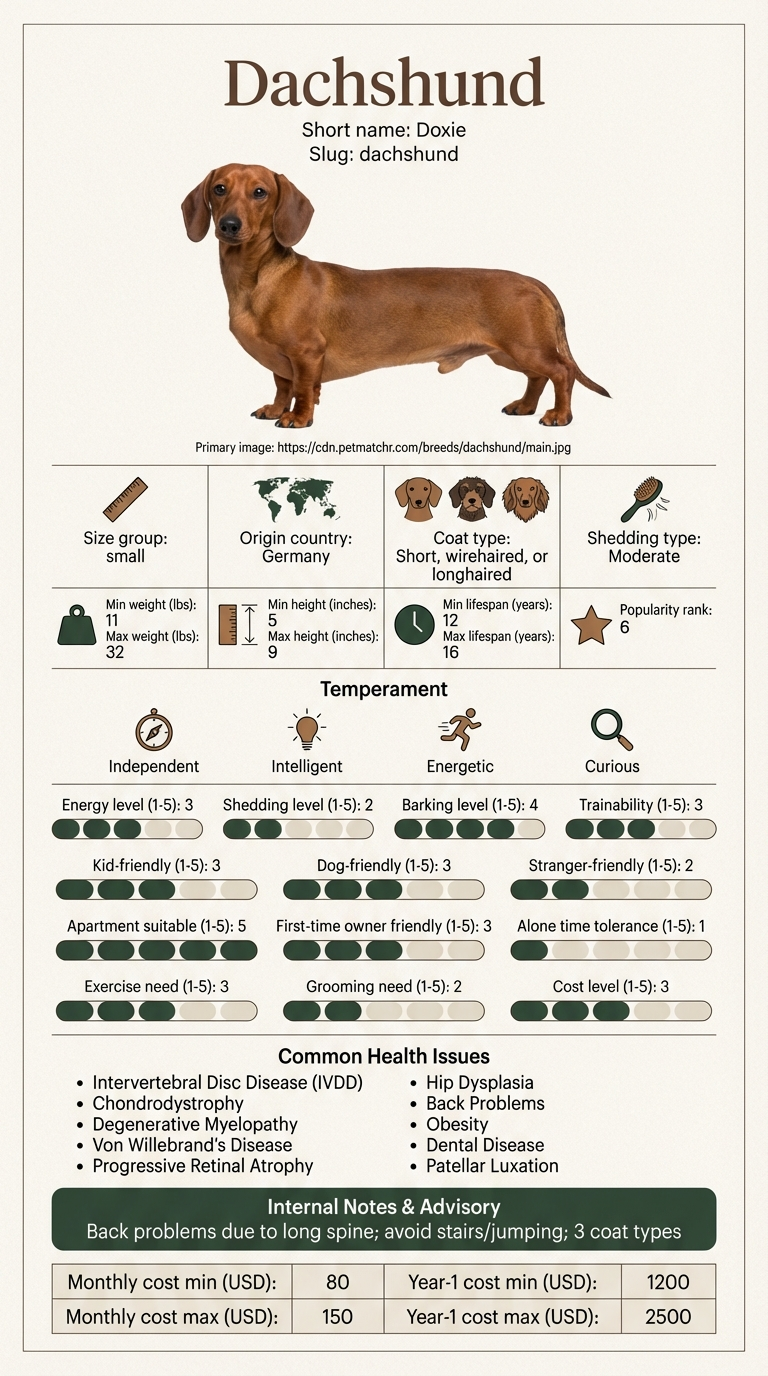
Owners of Dachshunds, especially those who are new to dog ownership, often face challenges with this issue. Busy families or individuals who may not recognize the early symptoms can find themselves in alarming situations.
This guide is not medical advice. If your dog shows pain, sudden behavior change, or worsening symptoms, consult a licensed veterinarian.
Some links may be affiliate links. We may earn a commission at no extra cost to you. We only suggest products we believe are helpful for dog owners.
Dachshund bloat, also known as gastric dilatation-volvulus (GDV), is a serious condition where the stomach fills with gas and twists. This can cause severe pain and can be life-threatening. Owners may notice their Doxie acting restless, trying to vomit without success, or having a swollen abdomen. Immediate veterinary attention is crucial.
While bloat is relatively rare, Dachshunds are at higher risk due to their unique body shape. It's estimated that about 20-30% of this breed may experience some form of bloat in their lifetime.
Dachshunds can be prone to bloat due to their unique body structure. Their long, narrow torsos and deep chests can make them more susceptible to the twisting of the stomach. Additionally, their tendency to overeat or eat too quickly can exacerbate this risk.
Environmental factors can also play a role in Dachshund bloat. Stressful situations, such as loud noises or unfamiliar environments, can trigger anxiety that may lead to bloat. Feeding habits, like giving large meals or encouraging vigorous activity right after eating, can contribute to the problem.
If your Dachshund shows signs of anxiety or stress during feeding times, consider working with a trainer. They can help address behavioral issues that might contribute to bloat and teach your dog to relax during meals.
If your Dachshund displays symptoms of bloat, such as a swollen abdomen, restlessness, or attempts to vomit without success, contact your vet immediately. Bloat can be life-threatening and requires prompt medical attention.
Addressing Dachshund bloat symptoms typically takes a few weeks of consistent management. However, if your dog experiences severe bloat, immediate veterinary intervention is crucial.
Success means your Dachshund shows no signs of discomfort after meals, maintains a healthy weight, and has regular, calm digestion. Regular vet check-ups help monitor their condition.
Avoid these common mistakes that can worsen Dachshund bloat (gastric dilatation-volvulus/gdv) and delay improvement.
Recognizing when Dachshund bloat, or gastric dilatation-volvulus (GDV), is an emergency can save your dog's life. Immediate veterinary care is crucial if you notice any of these red-flag signs:
- **Severe abdominal swelling**: If your Dachshund's stomach appears bloated or distended, it could indicate GDV. - **Unproductive vomiting**: This is when your dog tries to vomit but can't bring anything up. It's a serious sign that requires urgent attention. - **Rapid breathing or panting**: If your dog is struggling to breathe or is panting heavily, it’s time to call your vet. - **Weakness or lethargy**: If your Doxie seems unusually tired, weak, or unresponsive, don’t wait.
If you observe these symptoms, call your vet immediately or head to the nearest emergency clinic.
On the other hand, there are milder symptoms that can be monitored carefully. These include:
- **Mild discomfort**: If your dog seems a bit unsettled but isn't showing severe signs, keep a close watch. - **Occasional gagging**: If it happens infrequently and your Dachshund is otherwise healthy, it may not be an emergency yet. - **Slight bloating without severe pain**: A little gas can be normal, but watch for changes.
In these cases, have a plan. Track your dog’s behavior and contact your vet for advice if symptoms persist or worsen. Always err on the side of caution; when in doubt, it's best to consult with a professional. Your Dachshund’s health is worth it!
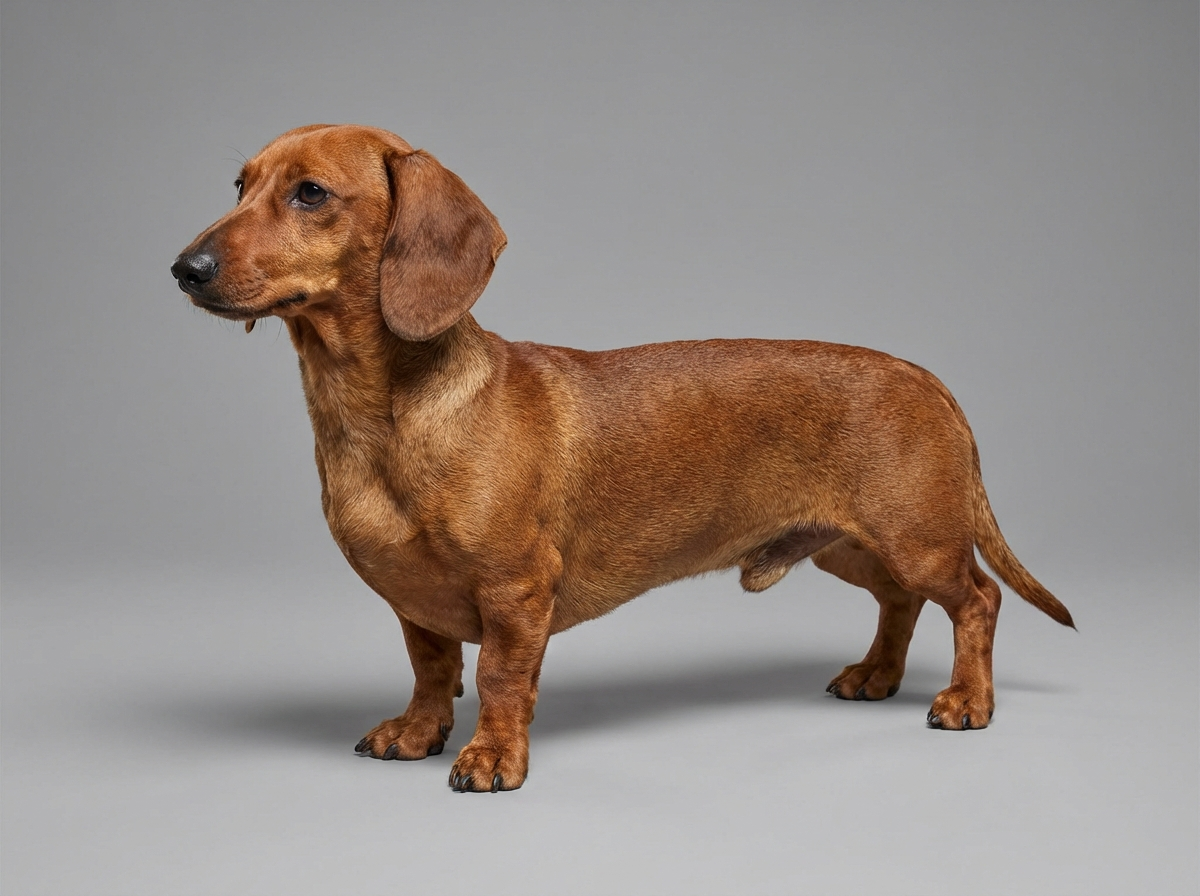
Sarah, a busy nurse in Chicago, noticed her Dachshund Max had a bloated stomach after meals. Worried about Dachshund bloat (gastric dilatation-volvulus/gdv), she rushed him to the vet. After diagnosis, Sarah learned to change Max's feeding routine and avoid vigorous play after meals. With patience and adherence to the vet's advice, Max's symptoms improved significantly within a few weeks.
Key takeaway: Consistent management and a proactive approach to feeding can help prevent Dachshund bloat and ensure your dog stays healthy and happy.
Dachshund bloat occurs when the stomach fills with gas and twists, leading to a life-threatening condition. Factors include eating too quickly, exercise after meals, and genetic predisposition. It's essential to monitor your dog's eating habits and consult your vet for preventive measures.
To help prevent bloat, feed your Dachshund smaller, more frequent meals rather than one large meal. Avoid vigorous exercise right after eating and consider using a slow-feed bowl to reduce gulping. Regular veterinary check-ups are also important.
Common signs include a swollen abdomen, restlessness, excessive drooling, and attempts to vomit without success. If you notice these symptoms, seek immediate veterinary help, as bloat is a medical emergency.
Treatment often requires emergency surgery to untwist the stomach and may include additional procedures to prevent recurrence. Costs can range from $1,500 to $7,500 depending on the severity and location of the treatment.
Yes, bloat can have a hereditary component, with some breeds, including Dachshunds, being more susceptible. If you have a family history of bloat in your Dachshund, discuss preventive measures with your vet.
Post-surgery recovery involves a gradual return to normal feeding and activity levels. Follow your vet's instructions carefully, monitor for any unusual behavior, and provide a calm environment to aid recovery.
Early signs of Dachshund bloat include restlessness, excessive drooling, and a distended abdomen. You might also notice your dog pacing, trying to vomit without success, or showing signs of discomfort. If you see these symptoms, it's crucial to seek veterinary help immediately.
Yes, older Dachshunds can be at risk for bloat, especially if they have existing health issues. Their age can increase the likelihood of digestive problems. Always monitor your senior dog closely for any unusual behavior or symptoms of bloat.
To help prevent bloat, feed your Dachshund smaller meals throughout the day instead of one large meal. Avoid vigorous exercise immediately after eating, and consider using slow-feed bowls. Also, keep your dog calm during and after meals to reduce stress on their stomach.
While the exact cause of bloat isn't fully understood, certain factors, including genetics, can play a role. Breeds with deep chests, like Dachshunds, are more prone to this condition. It's essential to be aware of family history and monitor for any symptoms.
If you suspect your Dachshund has bloat, take them to the vet immediately. This condition is life-threatening and requires urgent medical attention. Do not wait or try home remedies, as timely treatment can be critical for your dog's survival.
Feed smaller meals throughout the day to prevent bloat and discourage vigorous exercise after meals.
Treatment can range from $1,500 to $7,500 depending on the severity of the condition.
Watch for signs like a swollen belly, drooling, and attempts to vomit, and seek help immediately.