DogBreedCompass
← Back to breed profile

Understanding Collie (Rough Collie) Skin Allergies

Collie (Rough Collie) skin allergies can be a frustrating issue that leads to itching and irritation for your beloved pet.

Understanding Collie (Rough Collie) Skin Allergies infographic

Owners of Collies often find themselves dealing with skin allergies, particularly those who live in areas with high pollen counts or have pets with food sensitivities. Busy families or first-time dog owners may feel overwhelmed by managing these issues.

Important reminder

This guide is not medical advice. If your dog shows pain, sudden behavior change, or worsening symptoms, consult a licensed veterinarian.

Some links may be affiliate links. We may earn a commission at no extra cost to you. We only suggest products we believe are helpful for dog owners.

What this problem looks like

Collie (Rough Collie) skin allergies can lead to persistent itching, redness, and irritation. Daily life for a Collie suffering from skin allergies may involve frequent scratching, licking, or biting at their skin, which can cause further inflammation or secondary infections. This condition can frustrate both the dog and the owner, making it essential to address the underlying causes.

Common triggers

  • Environmental allergens like pollen, dust mites, and mold
  • Food allergies from certain proteins or grains
  • Flea infestations and other parasites
  • Harsh grooming products or chemicals
  • Changes in climate or humidity

Skin allergies are relatively common in Collies, with many experiencing some form of allergy during their lifetime. It's not unusual for owners to encounter these issues, especially in the spring and summer months when environmental allergens peak.

Why this happens

Breed factors

Collies have a long double coat that can trap allergens like pollen, dust, and mold. This breed is also sensitive, making them prone to skin allergies. Their genetic background may predispose them to certain skin conditions.

Environment factors

Environmental factors play a significant role in skin allergies. Changes in weather, exposure to chemicals, or even certain foods can trigger allergic reactions. High pollen counts and dust in the home can exacerbate these issues.

What you can try

At-home strategies

  • Regularly groom your Collie to remove loose hair and dander. This helps reduce allergens sticking to their coat.
  • Bathe your Collie with hypoallergenic shampoo every 4-6 weeks to soothe irritated skin. Make sure to rinse thoroughly to remove all shampoo residue.
  • Create a clean environment by vacuuming frequently and using air purifiers to reduce allergens in your home. Consider washing your dog's bedding weekly.

When to consider a trainer

If your Collie’s skin allergies lead to anxious behaviors, like excessive scratching or biting, consider consulting a dog trainer. A trainer can help address any behavioral issues stemming from discomfort.

When to talk to your vet

If home treatments do not improve your Collie's skin condition after a few weeks, or if you notice severe symptoms like open sores or swelling, it's time to talk to your vet. They can recommend specific treatments or medications to help.

Realistic expectations

You might start seeing improvements within 4 to 8 weeks of consistent care and treatment.

Success means your Collie has reduced itching and irritation, leading to a happier, more comfortable dog. You should also notice fewer secondary infections and a healthier coat.

Mistakes that make this worse

Managing Collie (Rough Collie) skin allergies can be challenging. Unfortunately, some common behaviors can inadvertently worsen the situation. Here are a few mistakes to avoid, along with safer alternatives.

  • Ignoring the Cause: Many owners overlook potential allergens in their dog's environment. Instead, identify and remove common triggers like dust, pollen, or specific foods.
  • Over-bathing: Bathing your Collie too often can strip essential oils from their skin, leading to dryness and irritation. Limit baths to once a month or as needed using a vet-recommended shampoo.
  • Not Consulting a Vet: Trying over-the-counter treatments without professional advice can delay proper care. Always consult your vet for tailored solutions and possible tests to identify specific allergies.
  • Inconsistent Treatment: Skipping medications or treatments can worsen symptoms. Stick to a consistent routine recommended by your vet for the best results.
  • Neglecting Diet: Some dogs have food sensitivities that contribute to skin issues. Consider a high-quality, hypoallergenic diet after discussing options with your vet.
  • Ignoring Moisturization: Dry skin can exacerbate itching. Use vet-approved moisturizers or supplements to help soothe your Collie’s skin and promote healing.
  • Overlooking Grooming: A lack of regular grooming can lead to matting and skin irritation. Brush your Collie regularly to remove dead hair and keep their coat healthy.

When Collie (Rough Collie) Skin Allergies Are an Emergency

Recognizing when Collie (Rough Collie) skin allergies require immediate veterinary attention is crucial. If your dog shows signs of severe itching, intense redness, or swelling, it could indicate an allergic reaction needing urgent care. Additionally, if you notice any signs of infection, such as pus, foul odor, or hot spots, call your vet right away.

In situations where your Collie is experiencing difficulty breathing, swelling around the face or throat, or excessive scratching that leads to bleeding, these are clear red flags. These symptoms can signify a serious allergic reaction that requires immediate medical intervention.

On the other hand, if your Collie is experiencing mild itching or occasional redness without additional alarming symptoms, you can monitor the situation at home. Keep track of any changes in their behavior, diet, or environment that could be contributing to the allergies. A gentle bath with hypoallergenic shampoo and some over-the-counter antihistamines may help, but always consult your vet before administering any medication.

Establishing a plan with your veterinarian can also help manage milder cases. Regular check-ups and a consistent grooming routine can alleviate some discomfort. If you notice patterns in your dog's allergies, such as seasonal triggers, keep a log to discuss with your vet for better management strategies.

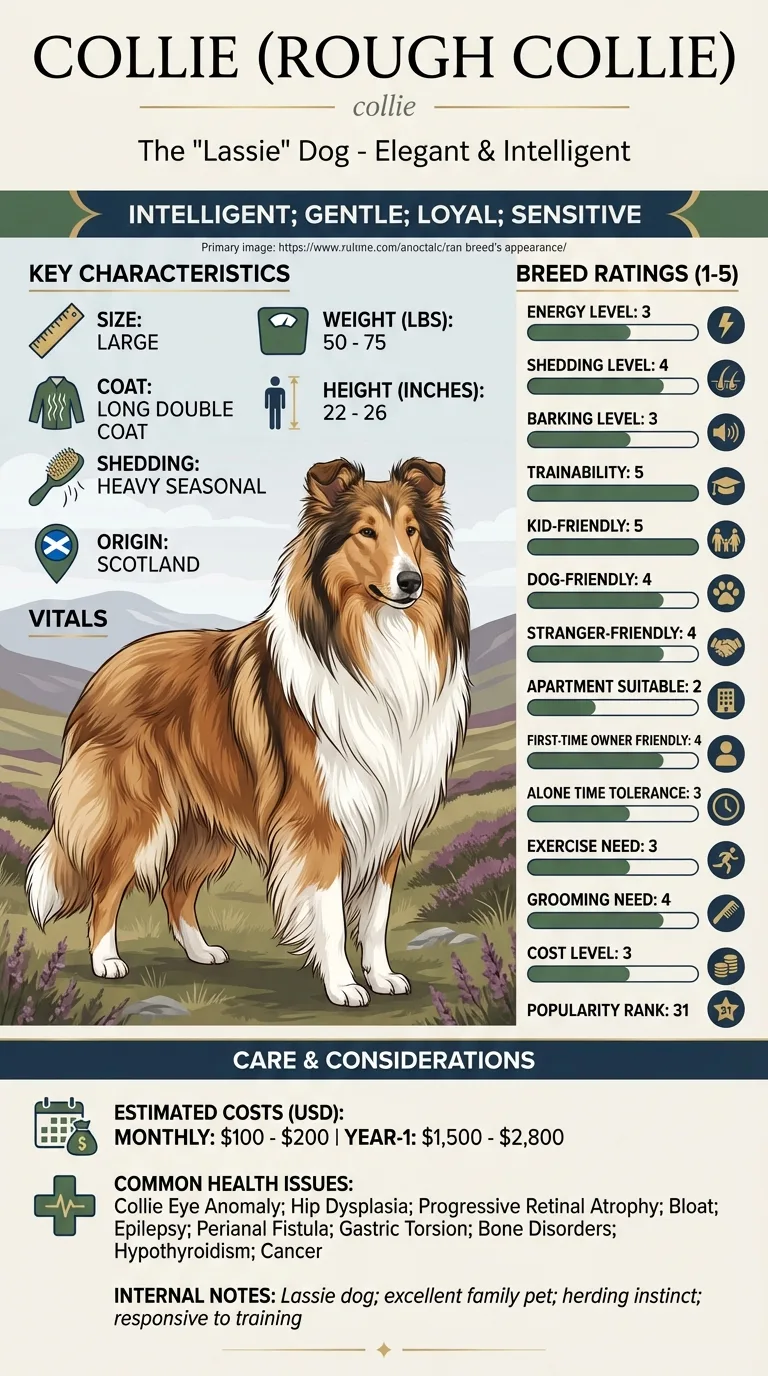
Understanding Collie (Rough Collie) Skin Allergies - When Collie (Rough Collie) Skin Allergies Are an Emergency

Emily and Max: Overcoming Allergies Together

Emily, a dedicated dog mom from Denver, noticed her Rough Collie, Max, scratching excessively and developing red patches on his skin. After a visit to the vet, she learned that Max had skin allergies, possibly triggered by environmental factors. Emily started a routine that included a special hypoallergenic diet, regular baths with medicated shampoos, and daily supplements. With patience and consistency, Max's condition improved significantly over a few weeks, and he was back to his playful self.

Key takeaway: With the right treatment plan and commitment, you can help your Collie manage skin allergies effectively.

Frequently asked questions

Why does my Collie (Rough Collie) have skin allergies?

Collie (Rough Collie) skin allergies can be caused by environmental factors, food sensitivities, or parasites. Common allergens include pollen, dust mites, and certain ingredients in dog food. A vet can help diagnose the specific cause through tests.

How can I stop Collie (Rough Collie) skin allergies?

To stop Collie (Rough Collie) skin allergies, first identify the allergen. This may involve changing their diet or routine. Regular baths with hypoallergenic shampoo and using anti-itch sprays can also provide relief.

What are the symptoms of skin allergies in Collies?

Symptoms of skin allergies in Collies include excessive scratching, redness, and inflammation. You might also notice hair loss, scabs, or hot spots. If these symptoms persist, consult your vet for advice.

Are there specific foods that trigger skin allergies in Collies?

Yes, certain proteins or fillers in dog food can trigger skin allergies. Common culprits include beef, chicken, and corn. A limited ingredient diet may help identify and eliminate these triggers.

Can Collie (Rough Collie) skin allergies lead to other health issues?

Yes, untreated skin allergies can lead to secondary infections, chronic inflammation, and overall discomfort. Regular monitoring and prompt treatment are essential to prevent these complications.

What treatments are available for Collie (Rough Collie) skin allergies?

Treatments for Collie (Rough Collie) skin allergies include antihistamines, corticosteroids, and special shampoos. Your vet may recommend allergy testing for more targeted treatment options.

How can training help with Collie (Rough Collie) skin allergies?

While training won’t cure skin allergies, it can help manage behavior related to scratching and biting. Teaching commands like 'leave it' can reduce self-harming behaviors during an allergy flare-up.

What are common allergens that affect Collies?

Common allergens for Collies include pollen, dust mites, mold, and certain food ingredients. Environmental factors can trigger skin allergies, leading to itching and discomfort. Identifying these allergens can help in managing your dog's symptoms effectively.

How can I tell if my Collie has a skin infection due to allergies?

If your Collie is scratching excessively or has red, inflamed skin, it might be a sign of a secondary infection from allergies. Look for signs like swelling, pus, or a foul odor, which indicate the need to see a vet for treatment.

Are skin allergies common in older Collies?

Yes, skin allergies can become more common as Collies age, as their immune systems may be less effective. Regular vet check-ups can help monitor changes in your dog's skin health and provide early intervention if necessary.

What natural remedies can help with Collie (Rough Collie) skin allergies?

Some natural remedies include oatmeal baths, coconut oil, and omega-3 fatty acids, which can soothe irritated skin. However, these should be used in conjunction with veterinary advice to ensure they are appropriate for your dog's specific condition.

When should I take my Collie to the vet for skin allergies?

If your Collie's itching is persistent, they develop hot spots, or show signs of severe discomfort, it's time to visit the vet. Early intervention can prevent more serious complications and help manage their skin allergies effectively.

Quick answers

View more answers
Behavior

What are quick tips for Collie (Rough Collie) skin allergies?

To manage Collie (Rough Collie) skin allergies, regularly bathe your dog in hypoallergenic shampoo and keep their environment clean. Also, provide a balanced diet and consult your vet for potential allergens.

Health

How often should I bathe my Collie for skin allergies?

You should bathe your Collie every 2-4 weeks with a gentle, hypoallergenic shampoo. This helps remove allergens and soothe irritated skin.

Health

Can I use human products on my Collie for skin allergies?

It's best to avoid human products, as they can be too harsh for dogs. Stick to vet-recommended products designed specifically for dogs to ensure safety.

Costs

Are skin allergies in Collies expensive to treat?

The cost of treating skin allergies in Collies can vary widely, from regular vet visits to medication. Expect to spend around $100 to $200 monthly for ongoing care.

Health

What should I do if my Collie has a severe allergic reaction?

If your Collie shows signs of a severe allergic reaction, such as swelling or difficulty breathing, seek emergency veterinary care immediately. Quick action can be lifesaving.

Related DogBreedCompass guides

Related guides