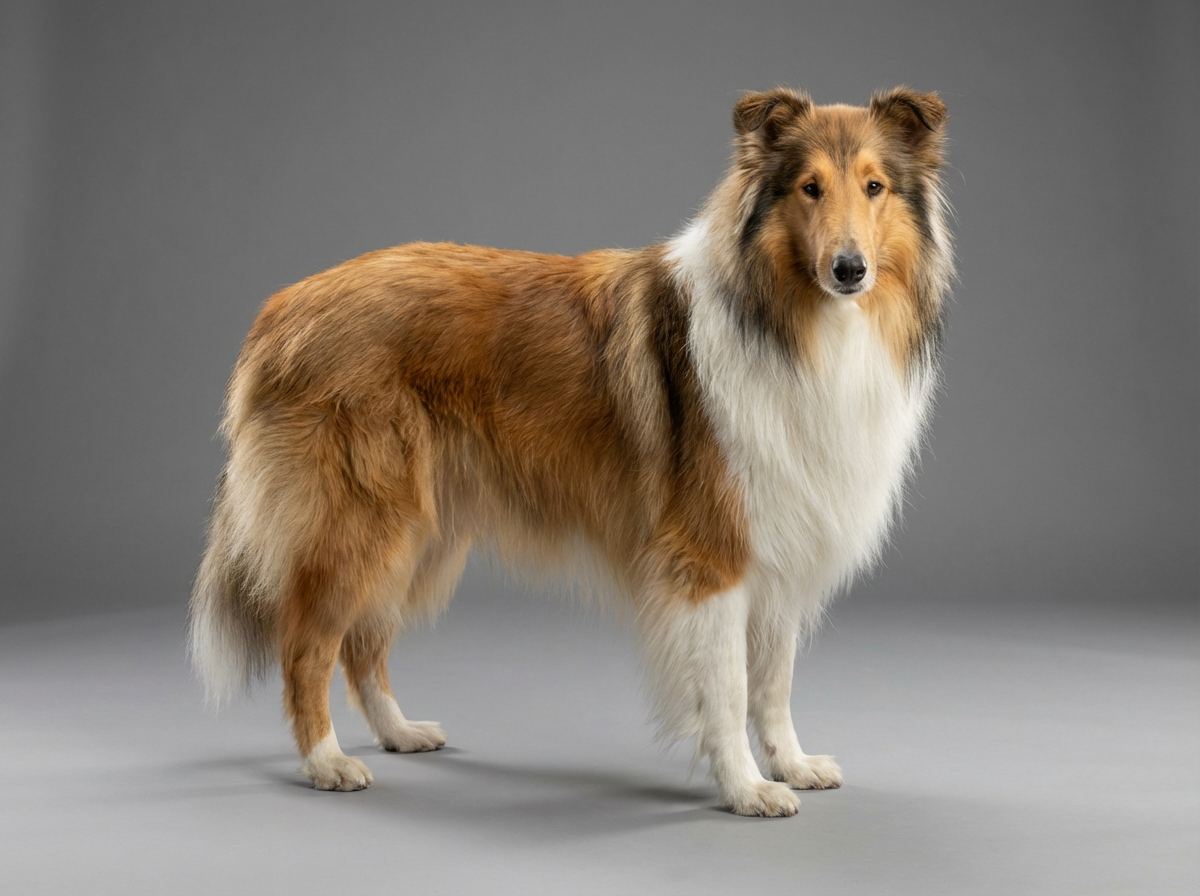
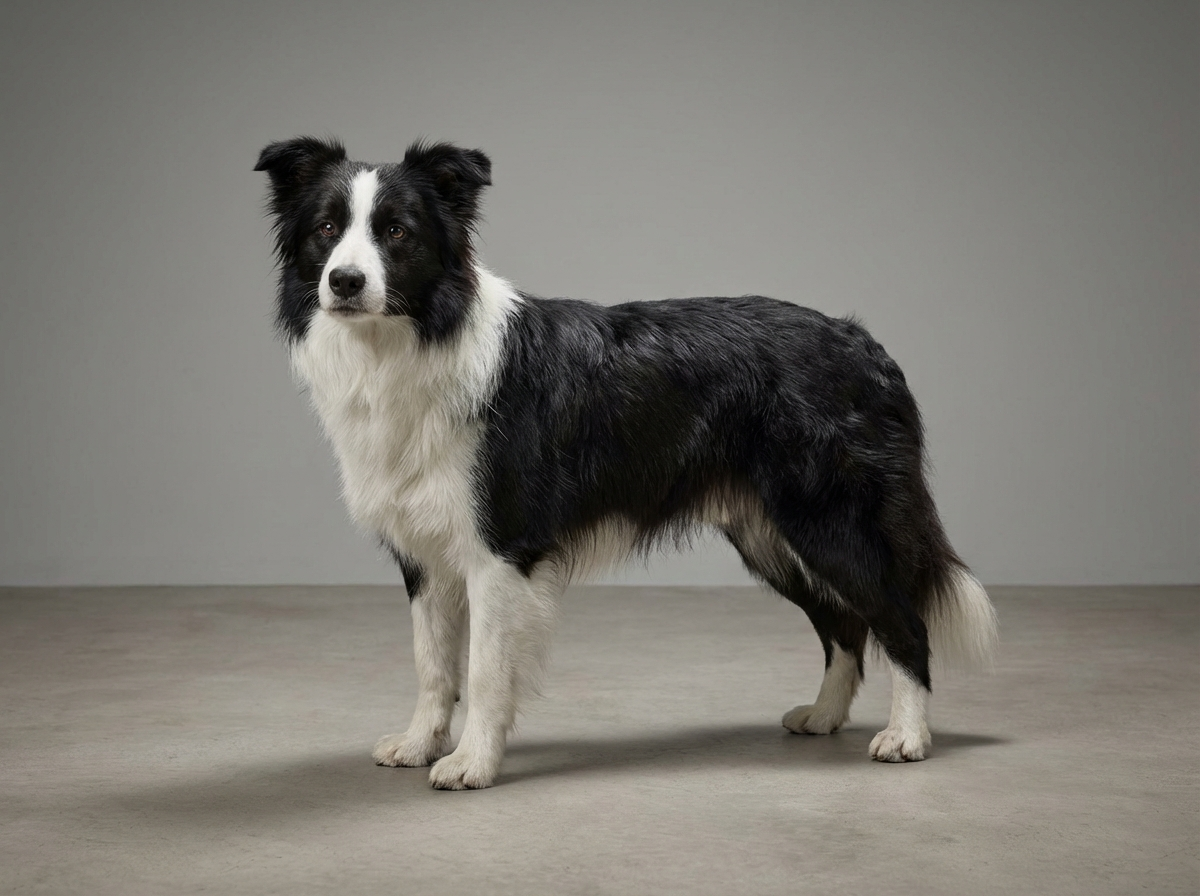
Behavior
What are quick tips for Collie (Rough Collie) purebred vs. mixed breeds?
Focus on consistent training and socialization to help your Collie thrive. Regular exercise and mental stimulation are essential to keep them happy.

Quick answer
What are quick tips for Collie (Rough Collie) purebred vs. mixed breeds?
Focus on consistent training and socialization to help your Collie thrive. Regular exercise and mental stimulation are essential to keep them happy.
Choosing between a Collie (Rough Collie) purebred and a mixed breed can be challenging. It’s a decision that affects health, behavior, and training. (Collie (Rough Collie) purebred vs. mixed breeds)
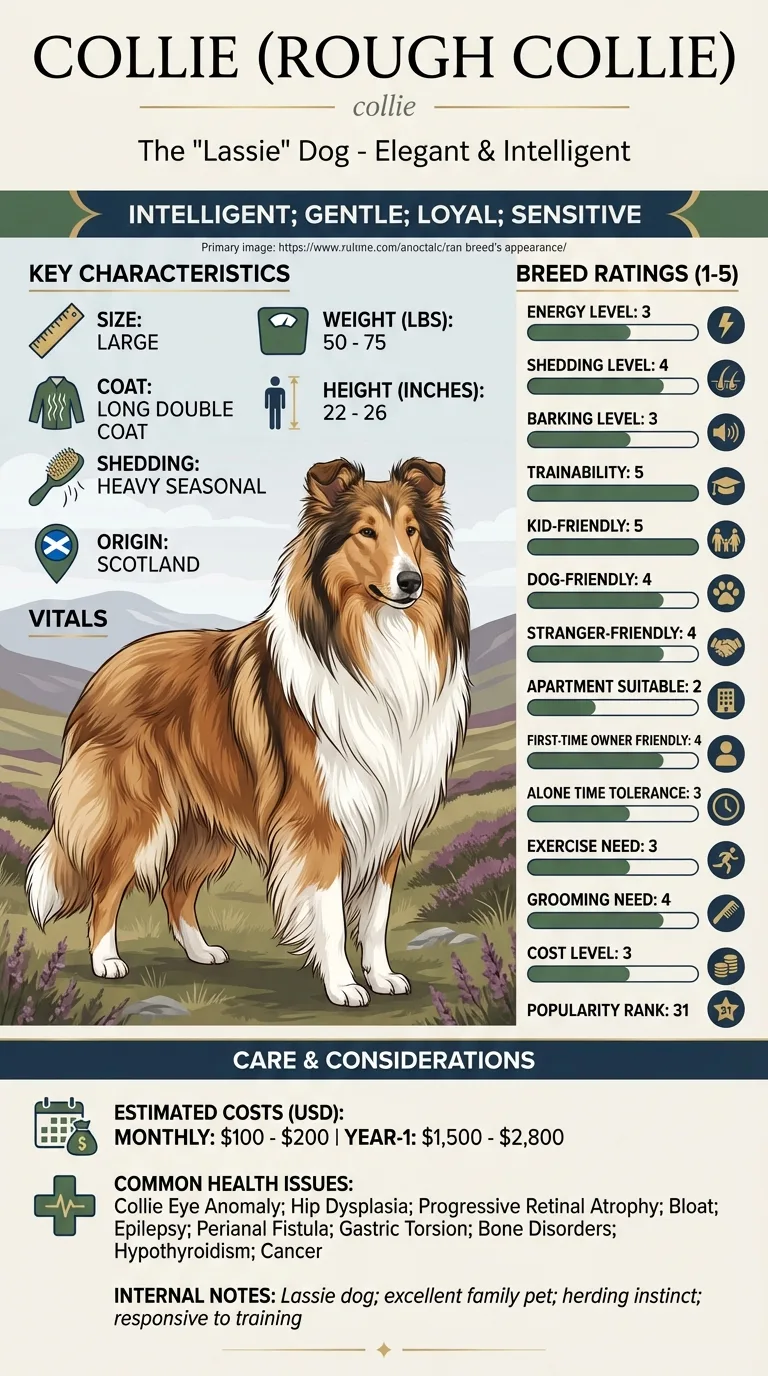
New dog owners or families may struggle with this decision, especially those concerned about long-term health issues and temperament differences.
This guide is not medical advice. If your dog shows pain, sudden behavior change, or worsening symptoms, consult a licensed veterinarian.
Some links may be affiliate links. We may earn a commission at no extra cost to you. We only suggest products we believe are helpful for dog owners.
We research and check what we publish, but we do not warrant that any figure, date, price, or statement is accurate, complete, or current, and we accept no liability for any loss, cost, injury, or other harm arising from the use of this site. Use it as one reference among several. You remain responsible for your own decisions and for your dog's care - confirm anything that matters with a licensed veterinarian or another qualified professional before you act on it. Full disclaimer.
Check this first
Red-flag signs that necessitate an immediate call to your vet include: difficulty breathing, severe lethargy, unresponsive behavior, or excessive vomiting. If your Collie shows signs of pain, such as whimpering or refusing to eat, it’s best to get professional help without delay. Additionally, if you notice any sudden changes in behavior or physical condition, it’s crucial to act quickly.
On the other hand, mild cases can often be monitored. This includes occasional barking, light lethargy, or minor digestive upset. If your Collie is not eating for a day or two but still shows interest in activities they typically enjoy, you can wait and see. Keeping a close eye and noting any changes will help you decide if further action is needed.
In summary, trust your instincts. If something feels off with your Collie, don’t hesitate to reach out to your vet. It's always better to be cautious, especially since Collies can be prone to specific health issues like Collie Eye Anomaly and hip dysplasia. Knowing the signs of when to act can lead to better outcomes for your furry friend.
If any of these apply, call your vet or an emergency clinic now. The rest of this page is for the cases that are not an emergency.
Collies, both purebred and mixed breeds, face unique challenges when it comes to behavior and health. Owners often notice signs of anxiety, especially when left alone or exposed to stressful situations. This issue can manifest as excessive barking, destructive behavior, or even physical symptoms like shedding and restlessness.
Anxiety and behavior problems are quite common among Collies. Many owners report that their purebred Collies exhibit these issues more frequently than mixed breeds. This could be due to the genetic predisposition of purebreds, making them more sensitive to changes in their surroundings.
Collies are known for their intelligence and sensitivity. This breed can be prone to certain genetic health issues like Collie Eye Anomaly and Hip Dysplasia, which may be more prevalent in purebreds. Mixed breeds, while sometimes healthier, can still inherit these traits depending on their lineage.
Environmental factors such as lack of socialization, insufficient exercise, or inconsistent training can lead to behavioral issues. A stressful home environment can also exacerbate anxiety and lead to problems regardless of whether the dog is purebred or mixed.
If you notice signs of distress, such as excessive barking, destructive behavior, or changes in appetite, it may be time to consult your vet. They can rule out any underlying health issues and recommend appropriate interventions.
Avoiding certain common mistakes can greatly improve your experience with Collies, whether purebred or mixed. Here are several behaviors to watch out for, along with better alternatives.
Start here: Collie Most Common Genetic Disorders: What to Screen For
See all Collie health problems, which breeds are prone to purebred vs mixed breeds, or the full Collie breed guide for temperament, exercise needs and ownership costs.
You can expect to see some progress within 3 to 6 months of focused care and a steady routine. Consistency is key, and patience is essential as your Collie learns.
Success means your Collie feels comfortable, well-adjusted, and interacts positively with other dogs and people. You should see a reduction in anxiety-related behaviors and a more confident, relaxed dog.
Emma, a busy nurse in Seattle, adopted Rocky, a purebred Collie. Initially, Rocky struggled with anxiety, barking excessively and being nervous around other dogs. After seeking help, Emma used a consistent training routine and enrolled Rocky in a socialization class. Gradually, he became more relaxed and learned to enjoy his time with other dogs, which made outings much more enjoyable for both of them.
Key takeaway: With the right training and socialization, even anxious Collies can thrive. Consistency and patience can transform your dog's behavior over time.
Collie (Rough Collie) purebreds often have predictable traits, including health issues like higher cancer risks. Mixed breeds may exhibit varied traits and are generally less prone to genetic diseases. It's essential to consider these factors when choosing your dog.
You can identify your Collie's lineage through registration papers or DNA testing. A purebred will usually have a pedigree, while mixed breeds might show a combination of features from different breeds. Look for consistent traits in appearance and behavior.
Behavioral issues in Collies can stem from genetics, environment, or lack of training. If your dog displays anxiety or aggression, consider consulting a trainer or behaviorist. Early intervention can prevent long-term problems.
Collies are intelligent and respond well to positive reinforcement. Consistent training routines are key. Focus on socialization and basic commands to foster good behavior, especially in young puppies.
To reduce anxiety, create a stable environment with routines. Engage your Collie in regular exercise and mental stimulation. Consider calming aids or consulting a vet for additional support if anxiety persists.
Purebred Collies may be more prone to certain genetic health issues, such as Collie Eye Anomaly and hip dysplasia. Mixed breeds may have a lower risk of these inherited conditions, but can still inherit health concerns from both parent breeds. It's essential to consult a vet for specific health advice based on your dog's lineage.
Introducing your mixed breed Collie to a stable routine can significantly help them adjust. Providing consistent training and socialization with family members, including kids and other pets, is crucial. Be patient, as it may take time for them to feel secure in their new environment.
While anxiety can affect any dog, purebred Collies might show higher sensitivity due to their temperament. It's important to recognize signs of anxiety in your dog, like excessive barking or destructive behavior. If these issues arise, consider consulting a trainer or a vet for tailored strategies.
If your Collie, whether purebred or mixed, displays behavioral issues, it's important to first identify the triggers. Training and regular exercise can help alleviate many problems. If issues persist, consult a vet or a professional trainer for guidance on effective interventions.
Both purebred and mixed breed Collies respond well to positive reinforcement training. However, purebreds may have a stronger herding instinct, which can affect their training. Tailoring your approach based on your dog's unique personality and background will yield the best results.
Focus on consistent training and socialization to help your Collie thrive. Regular exercise and mental stimulation are essential to keep them happy.
Collie (Rough Collie) purebreds are at a higher risk for certain health issues, including cancer. Regular vet check-ups and a healthy diet can help mitigate these risks.
The monthly cost for a Collie (Rough Collie) typically ranges from $100 to $200, depending on food, grooming, and healthcare needs.
Yes, Collies can be great for first-time owners due to their trainable nature. However, they do need regular exercise and social interaction.
A one-page prep sheet for this condition: the signs, the questions to ask, what to get priced. Unlocks here.
You get: Vet visit prep sheet
No spam. One-click unsubscribe. See our privacy policy.
See a sample page before you decide.
Early access list
The free prep sheet covers the same-day warning signs, a symptom log and the questions to ask. We are considering a fuller kit that adds a cost worksheet for the usual tests and treatments (US price ranges with their sources) and a plain-English guide to ways of covering the bill. It is not built yet; this list tells us whether it is worth building.
One email, no spam, unsubscribe anytime. Information only, not veterinary advice.