Behavior
What are quick tips for managing Collie (Rough Collie) PRA?
Create a consistent home layout to prevent accidents, keep pathways clear, and use verbal cues to guide your dog. Training can help them adapt to their vision loss.

Quick answer
What are quick tips for managing Collie (Rough Collie) PRA?
Create a consistent home layout to prevent accidents, keep pathways clear, and use verbal cues to guide your dog. Training can help them adapt to their vision loss.
Collie (Rough Collie) progressive retinal atrophy (PRA) is a serious condition that leads to gradual vision loss in dogs.
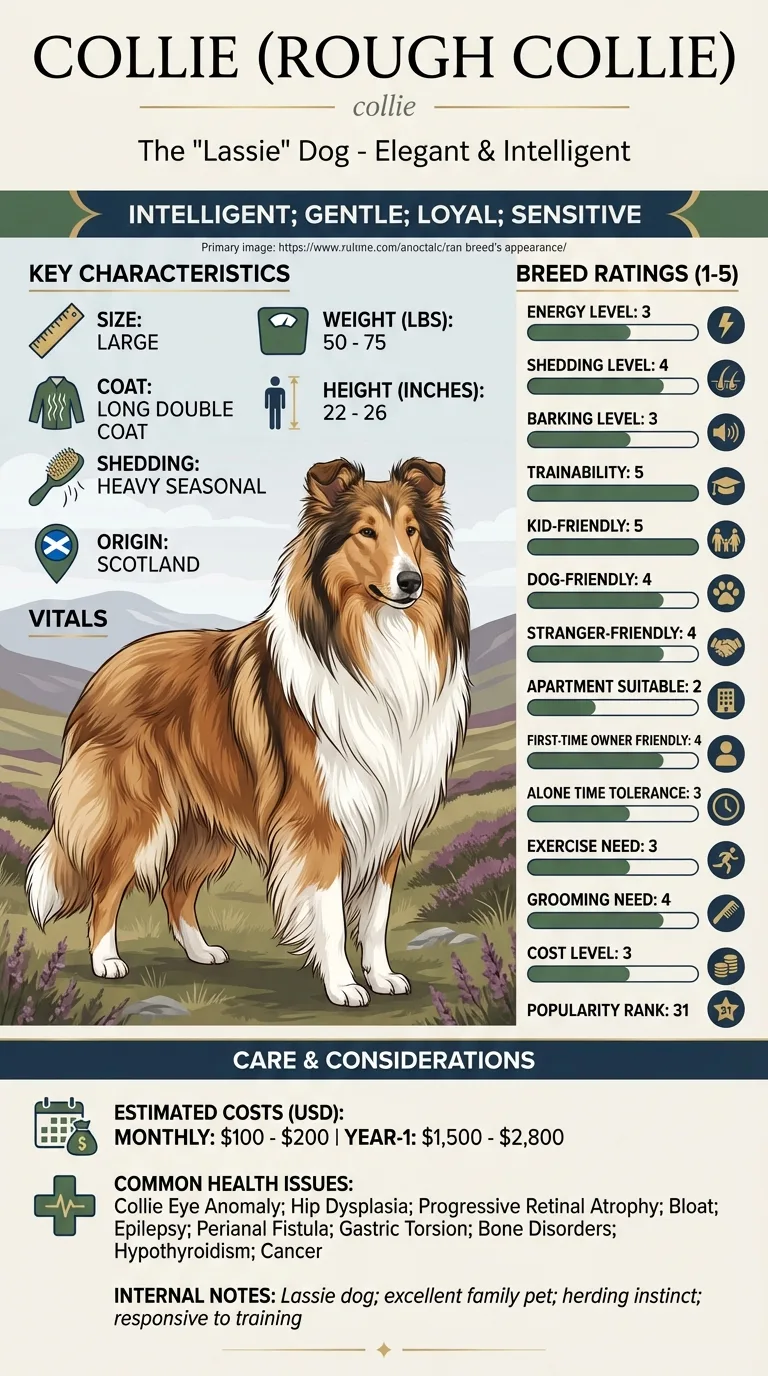
Typically, owners of Rough Collies may face this challenge, especially those who are unaware of the breed's predisposition to eye issues. Families with active or aging Collies may also find it difficult to adapt to their dog's changing needs.
This guide is not medical advice. If your dog shows pain, sudden behavior change, or worsening symptoms, consult a licensed veterinarian.
Some links may be affiliate links. We may earn a commission at no extra cost to you. We only suggest products we believe are helpful for dog owners.
We research and check what we publish, but we do not warrant that any figure, date, price, or statement is accurate, complete, or current, and we accept no liability for any loss, cost, injury, or other harm arising from the use of this site. Use it as one reference among several. You remain responsible for your own decisions and for your dog's care - confirm anything that matters with a licensed veterinarian or another qualified professional before you act on it. Full disclaimer.
Check this first
Recognizing when Collie (Rough Collie) progressive retinal atrophy (PRA) becomes an emergency is crucial. While some symptoms may be manageable at home, others require immediate veterinary attention. If you notice your Collie struggling to see in bright light, bumping into objects, or showing signs of confusion, these could be red flags. It’s important to call your vet right away if these symptoms are accompanied by sudden changes in behavior, such as increased anxiety, restlessness, or aggression.
On the other hand, if your Collie shows gradual vision loss without any sudden changes in behavior, monitoring the situation may be appropriate. Regular vet check-ups can help track the progression of PRA. Keeping a record of any behavioral changes is also beneficial. If your dog seems to adapt well to their changing vision and is still engaged with their surroundings, you can create a plan to support their needs without immediate panic. However, always err on the side of caution; if you are ever unsure, consult your veterinarian for guidance.
If any of these apply, call your vet or an emergency clinic now. The rest of this page is for the cases that are not an emergency.
Collie (Rough Collie) progressive retinal atrophy (PRA) is a genetic condition that leads to gradual vision loss. This can be a heartbreaking experience for both the dog and their owner. Daily life may become challenging as affected dogs struggle to navigate familiar environments and react to changes in their surroundings.
Progressive retinal atrophy is relatively common among Collies, particularly in Rough Collies. Estimates suggest that about 10-20% of this breed may develop PRA at some point in their lives.
Collies, especially the Rough Collie, are prone to progressive retinal atrophy (PRA) due to genetic factors. This breed has a higher likelihood of inheriting eye disorders, which can lead to gradual vision loss as they age. Their sensitivity to light and changes in vision can also exacerbate the condition.
Environmental factors may include inadequate exposure to different lighting conditions. If a Collie is primarily kept indoors with limited outdoor activity, they might not adapt well to varying light levels. Additionally, poor nutrition can impact overall eye health, contributing to the progression of PRA.
If you notice rapid changes in your Collie's vision, such as bumping into objects or hesitance in familiar areas, make an appointment with your vet. They can assess the severity of PRA and suggest management strategies or potential treatments.
Here are some common mistakes that can worsen your Collie’s progressive retinal atrophy (PRA) and delay improvement. Avoiding these can help you manage the condition better.
Start here: Collie Most Common Genetic Disorders: What to Screen For
See all Collie health problems, which breeds are prone to progressive retinal atrophy pra, or the full Collie breed guide for temperament, exercise needs and ownership costs.
Managing Collie (Rough Collie) progressive retinal atrophy (PRA) typically takes several months to a few years. Early intervention is key, and regular vet check-ups will help monitor the condition's progression.
Success looks like maintaining your dog's quality of life, adapting their environment to be safer, and providing consistent training to help them navigate changes in vision.
Sarah, a first-time dog owner, noticed her Collie, Bella, bumping into furniture and struggling to find her toys. After a vet visit, they diagnosed Bella with progressive retinal atrophy (PRA). With guidance from a trainer, Sarah began creating a predictable environment for Bella. She used consistent commands and placed tactile markers around the house. Over time, Bella gained confidence and adapted to her changing vision. Sarah also joined a support group for owners of dogs with PRA, which helped her learn new techniques and share experiences.
Key takeaway: With patience, training, and community support, owners can help their dogs adjust to progressive retinal atrophy (PRA) and maintain a joyful quality of life.
Collie (Rough Collie) progressive retinal atrophy (PRA) is a genetic condition that leads to gradual vision loss. It primarily affects the retina, causing cells to deteriorate over time. This condition can significantly impact your dog's quality of life.
Managing PRA involves creating a safe environment for your dog. Use consistent cues and avoid moving furniture to help them navigate. Training your dog with commands and using harnesses can also aid in maintaining their independence.
Support your Collie by providing mental stimulation and gentle physical exercise. Engaging them in scent games or obedience training can help keep their minds active. Always be patient and understanding of their changing needs.
Currently, there is no cure for PRA. However, regular veterinary visits can help monitor the condition. Your vet may suggest supplements or medications to support overall eye health.
Early signs of PRA in Collies include changes in behavior, such as bumping into objects or hesitating in low light. You may also notice your Collie struggling to navigate familiar areas. If you suspect vision issues, consult your vet for a proper assessment.
Yes, older Collies may experience more rapid vision loss due to PRA compared to younger dogs. Their adaptation to diminished sight can vary, and they might show increased anxiety or confusion. Regular check-ups with your vet can help manage their condition.
Currently, there is no cure for progressive retinal atrophy (PRA). Management focuses on creating a safe environment for your dog and training them to adapt to their vision loss. Your vet may suggest supportive measures to enhance their quality of life.
PRA can significantly impact a Collie's quality of life as it leads to gradual vision loss. However, with proper care and training, many Collies can adjust well. Ensuring a stable environment and maintaining routine can help alleviate stress for your dog.
If you notice signs of vision loss or changes in behavior, it's time to see your vet. Early detection of progressive retinal atrophy (PRA) can help in managing the condition and improving your Collie's overall well-being. Don't wait for symptoms to worsen.
Create a consistent home layout to prevent accidents, keep pathways clear, and use verbal cues to guide your dog. Training can help them adapt to their vision loss.
Engage them in interactive games and provide a structured routine to help them feel secure. Regular vet check-ups are essential for monitoring their condition.
PRA usually progresses slowly, and you may notice changes in your dog's ability to navigate. Each dog's experience can vary, so stay attentive to their needs.
A one-page prep sheet for this condition: the signs, the questions to ask, what to get priced. Unlocks here.
You get: Vet visit prep sheet
No spam. One-click unsubscribe. See our privacy policy.
Preview page 1 before you decide.