Behavior
What are quick tips for Collie (Rough Collie) patellar luxation?
Maintain a healthy weight and provide gentle exercises to strengthen your dog's muscles. Regular vet check-ups are crucial for monitoring their knee health.
Collie (Rough Collie) patellar luxation is a common knee issue that can affect your dog's mobility and comfort.
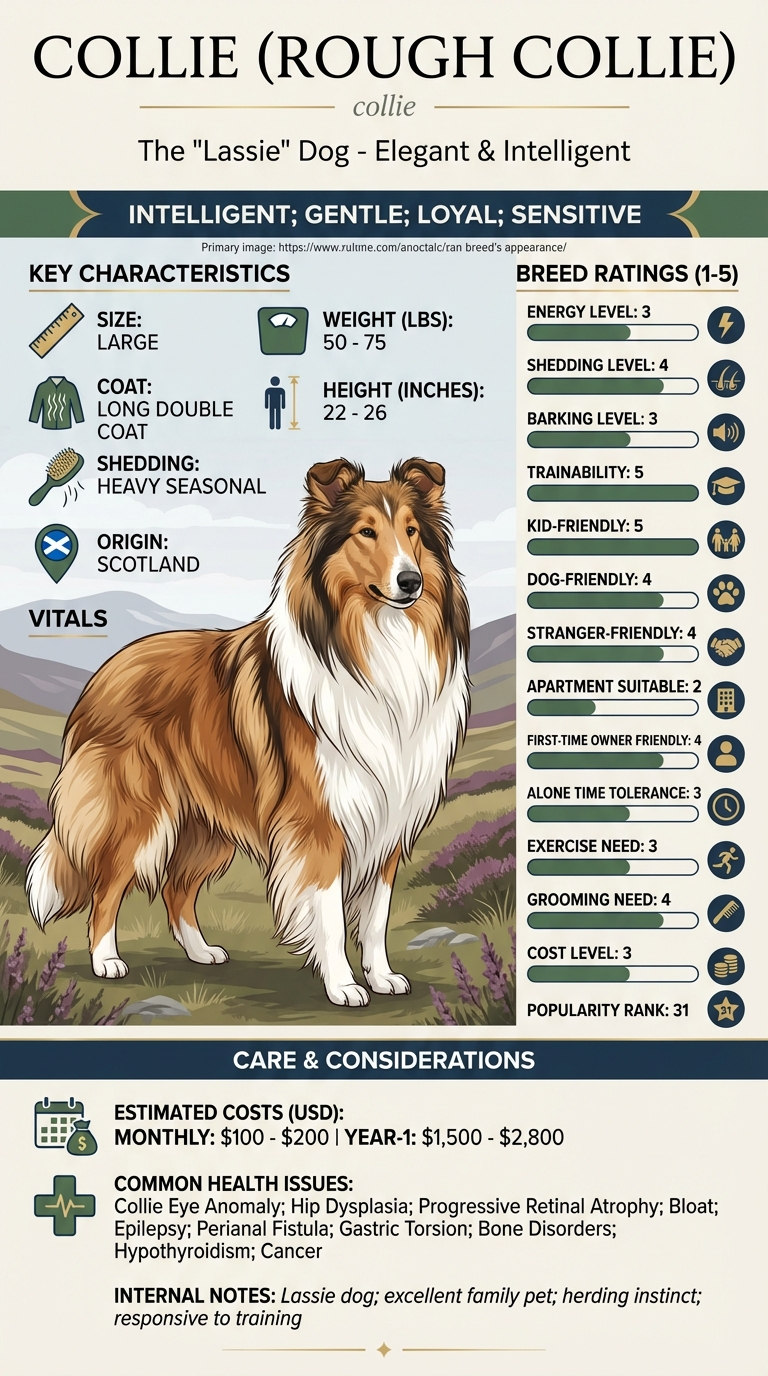
Owners of Collies, particularly those new to the breed, often struggle with this issue. Busy families or individuals unaware of their dog's specific health needs may find themselves confused and concerned.
This guide is not medical advice. If your dog shows pain, sudden behavior change, or worsening symptoms, consult a licensed veterinarian.
Some links may be affiliate links. We may earn a commission at no extra cost to you. We only suggest products we believe are helpful for dog owners.
Collie (Rough Collie) patellar luxation is a common issue where the kneecap dislocates, causing discomfort and mobility problems. This problem can lead to limping or reluctance to engage in physical activities. Owners often notice their Collie suddenly favoring one leg or having difficulty standing up after resting.
Patellar luxation occurs in about 15% of Rough Collies, making it a notable concern for this breed. Early detection and management are crucial to prevent further complications.
Collies, particularly Rough Collies, can be prone to patellar luxation due to their genetic background. This condition is more common in larger breeds and may stem from inherent structural issues in their knees. Additionally, their active nature might lead to injuries that exacerbate the problem.
Environmental factors, like slippery floors or uneven terrain, can contribute to patellar luxation. If your Collie is frequently jumping or running on hard surfaces, this could increase the risk. Obesity can also place extra strain on their joints, making them more susceptible to knee issues.
If your Collie exhibits persistent issues with mobility or seems to be favoring a leg, it might be time to consult a professional trainer. They can help with specific exercises to strengthen your dog's legs and improve stability.
If your Collie is frequently limping or showing signs of pain, contact your vet immediately. They can evaluate the severity of the patellar luxation and recommend appropriate treatments or interventions.
You can expect to see improvements in your Collie's condition within 6 to 12 weeks of consistent training and management.
Success means your Collie can walk, run, and play comfortably without frequent dislocations or pain.
Avoiding common mistakes can significantly help manage your Collie (Rough Collie) patellar luxation. Here are some behaviors to watch out for.
There are specific signs that indicate when your Collie's patellar luxation is an emergency. If your dog shows severe signs of pain, can't bear weight on the affected leg, or has swelling around the knee, it's crucial to call your vet immediately. Additionally, if your Collie is crying or seems agitated, these are red flags that require prompt attention.
On the other hand, if your dog occasionally limps or seems to have a slight wobble when walking, these may be mild cases. In these situations, you can monitor your Collie's behavior and keep a log of any changes. A plan to manage their comfort, like limiting activity and providing a soft resting space, can be very helpful.
Remember, it's always better to err on the side of caution. If you're uncertain about your dog's condition, don't hesitate to reach out to your vet. They can provide guidance on whether you should schedule an appointment or manage the situation at home.
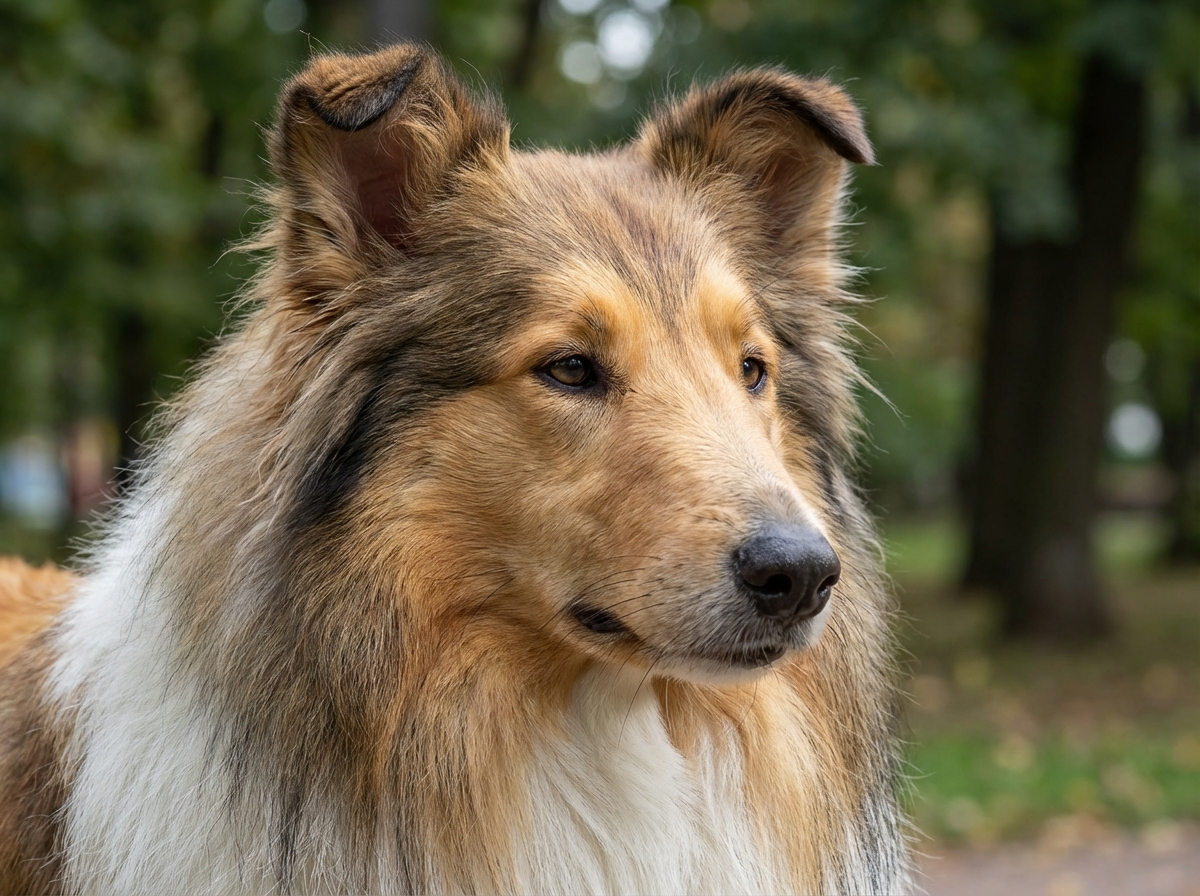
When Sarah adopted Max, her Rough Collie, she noticed he often limped and hesitated to jump. After a vet confirmed patellar luxation, she felt overwhelmed. With a mix of physical therapy and targeted training exercises, Sarah committed to helping Max. Over several months, she followed a structured routine, incorporating gentle strengthening exercises and avoiding high-impact activities. Gradually, Max's strength improved, and he began to run and play without signs of discomfort. Their hard work paid off, and they enjoyed many happy outings together.
Key takeaway: With patience and consistent effort, you can manage your Collie's patellar luxation effectively and enhance their quality of life.
Patellar luxation in Collies often results from genetic predisposition or structural abnormalities in the knee. It can also occur due to trauma or injury. Regular vet check-ups can help identify any underlying issues early.
To help manage patellar luxation, focus on maintaining a healthy weight for your Collie. Regular low-impact exercise, like swimming or walking, can strengthen the muscles around the knee. Consult your vet for specific training exercises that can support joint stability.
Common signs include limping, difficulty jumping or climbing stairs, and your dog occasionally lifting a leg while walking. If you notice these behaviors, it's essential to consult your vet for a proper diagnosis.
Surgery may be recommended if your Collie's patellar luxation is severe or causes significant pain. Your vet can assess the situation and help determine the best treatment plan based on your dog's specific needs.
Providing a soft, supportive bed and avoiding slippery floors can help your dog feel more comfortable. Additionally, consider joint supplements and regular vet check-ups to monitor their condition.
Patellar luxation in Collies can be caused by various factors, including genetic predisposition, trauma, or developmental issues. It's important to monitor your dog for any signs of pain or limping, as early detection can help manage the condition effectively.
Yes, patellar luxation can become more common in older Collies due to wear and tear on the joints. If your senior Collie seems to have difficulty walking or stands with a bowed leg, consult your vet for advice on management and treatment options.
You can support your Collie by providing a comfortable resting area, maintaining a healthy weight, and engaging in low-impact exercises like swimming. Always consult your veterinarian for specific recommendations tailored to your dog's needs.
If your Collie shows persistent limping, pain, or difficulty standing, it's time to visit the vet. Early diagnosis and treatment are crucial in managing patellar luxation effectively and preventing further complications.
Yes, training can help improve your Collie's overall strength and mobility, which may alleviate some symptoms of patellar luxation. Focus on gentle training exercises that promote muscle development without putting stress on the joints.
Maintain a healthy weight and provide gentle exercises to strengthen your dog's muscles. Regular vet check-ups are crucial for monitoring their knee health.
If your Collie is limping, take them to the vet to rule out serious issues like patellar luxation or injury. Resting the knee can help reduce discomfort.
Focus on low-impact activities and avoid high-impact sports until your vet advises otherwise. Consistent positive reinforcement training can also help.
Provide a soft bed, avoid stairs, and ensure floors are non-slip to prevent injuries. A cozy environment can help your dog feel secure.


