Health
What are quick tips for Collie (Rough Collie) ocular disease?
Choose a responsible breeder, schedule regular eye exams, and monitor for symptoms like redness or cloudiness.

Quick answer
What are quick tips for Collie (Rough Collie) ocular disease?
Choose a responsible breeder, schedule regular eye exams, and monitor for symptoms like redness or cloudiness.
Collie (Rough Collie) ocular disease can seriously affect your dog's vision and quality of life. Early detection and management are crucial.
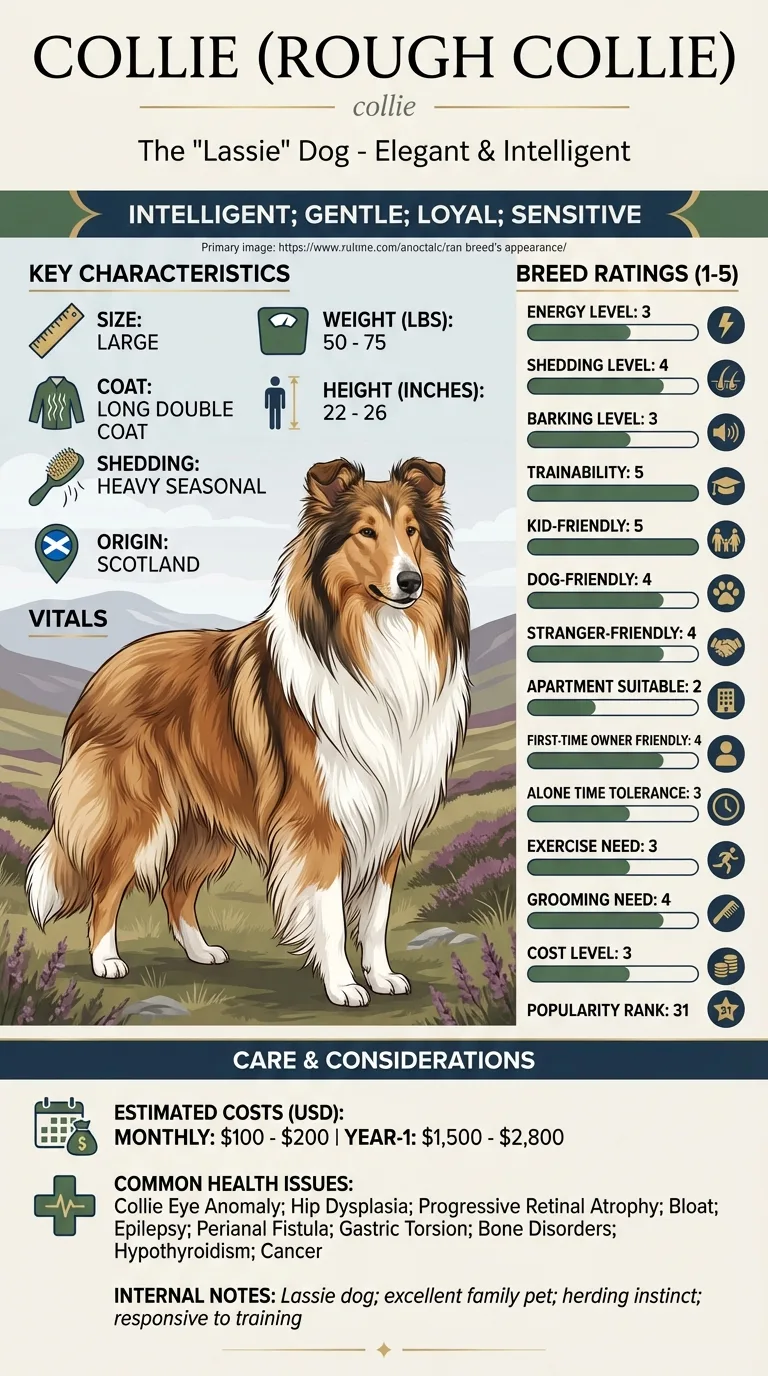
New and experienced Collie owners alike often face the challenges of ocular diseases in their dogs. These conditions can be particularly concerning for families who rely on their pets for companionship and support.
This guide is not medical advice. If your dog shows pain, sudden behavior change, or worsening symptoms, consult a licensed veterinarian.
Some links may be affiliate links. We may earn a commission at no extra cost to you. We only suggest products we believe are helpful for dog owners.
We research and check what we publish, but we do not warrant that any figure, date, price, or statement is accurate, complete, or current, and we accept no liability for any loss, cost, injury, or other harm arising from the use of this site. Use it as one reference among several. You remain responsible for your own decisions and for your dog's care - confirm anything that matters with a licensed veterinarian or another qualified professional before you act on it. Full disclaimer.
Check this first
It's crucial to recognize when Collie (Rough Collie) ocular disease becomes an emergency. If you notice any sudden vision loss, severe redness, or swelling in your dog's eyes, these are red flags. Additionally, if your Collie is in obvious pain, such as pawing at their face or refusing to eat, contact your vet immediately.
If any of these apply, call your vet or an emergency clinic now. The rest of this page is for the cases that are not an emergency.
Collie (Rough Collie) ocular disease is a common issue that can affect your dog's vision and overall comfort. This disease can manifest as cloudiness in the eyes, excessive tearing, or even sudden changes in behavior due to discomfort. It’s important to be vigilant as these symptoms can escalate quickly, leading to severe vision impairment if left unaddressed.
Ocular disease is notably common in Collies, with some studies indicating they are at 467% higher risk compared to other breeds. This makes it crucial for Collie owners to be proactive about eye health through regular veterinary check-ups.
Collies, especially Rough Collies, are prone to certain hereditary eye conditions like Collie Eye Anomaly and Progressive Retinal Atrophy. These conditions are often linked to their genetic makeup, which makes regular eye checks important.
Environmental factors also play a role in ocular disease. Poor nutrition, excessive sun exposure, or injuries can exacerbate eye problems. Additionally, allergies or irritants in the environment might lead to discomfort or further complications.
Consult your vet if you notice any changes in your Collie's vision or if their eyes appear cloudy or swollen. It's crucial to get professional advice, especially if there's a family history of ocular disease.
Addressing Collie (Rough Collie) ocular disease requires careful attention. Here are common mistakes that can worsen the issue, along with healthier alternatives.
Start here: Collie Most Common Genetic Disorders: What to Screen For
See all Collie health problems, which breeds are prone to ocular disease, or the full Collie breed guide for temperament, exercise needs and ownership costs.
You can expect to see improvements in your Collie's eye health within 3 to 6 months of consistent care and management.
Success looks like stabilizing your dog's ocular health, reducing symptoms, and improving their quality of life. Regular check-ups will also help ensure any issues are caught early.
In less severe cases, you may notice mild symptoms like watery eyes or slight squinting. These issues can often be monitored at home, especially if your dog is still active and eating normally. Establishing a watch-and-wait plan with your vet can help you track any changes in your dog's condition over time.

Emily, a first-time dog owner in Seattle, noticed her Rough Collie, Bella, squinting and having trouble seeing at night. After a vet visit, Emily learned Bella had a common condition known as Collie Eye Anomaly. With guidance from her vet, she started a routine of eye drops and regular check-ups. Within a few months, Bella's symptoms improved significantly, allowing her to enjoy her favorite park trips again.
Key takeaway: Taking early action, following a vet's advice, and staying consistent with care can lead to positive outcomes for Collies facing ocular disease.
Collie (Rough Collie) ocular disease can be caused by genetic factors, particularly Collie Eye Anomaly, which is common in the breed. Environmental factors, such as exposure to UV light or irritants, may also play a role. Regular vet check-ups can help monitor and manage any potential issues.
While you can't completely prevent ocular disease, you can reduce risks by selecting a reputable breeder who screens for genetic issues. Additionally, regular veterinary eye exams can help monitor your dog's eye health and catch any problems early.
Symptoms may include excessive tearing, redness, cloudiness, or a change in vision. If you notice these signs, it’s crucial to consult your veterinarian promptly for an accurate diagnosis and treatment plan.
Treatment options depend on the specific condition causing the ocular disease. In some cases, medications or surgeries can help manage symptoms or improve vision. Your vet can recommend the best approach based on your dog's health.
Yes, ocular diseases can sometimes lead to other complications, including pain and anxiety due to impaired vision. Regular vet visits are essential to monitor overall health and address any emerging issues.
Absolutely. Aging Collies are at higher risk for developing ocular diseases. Regular veterinary check-ups are critical for early detection and management of these conditions.
You can help by providing a balanced diet rich in omega fatty acids, ensuring a clean environment, and avoiding exposure to harmful substances. Regular eye cleaning and monitoring for any changes are also beneficial.
Early signs of ocular disease in Collies may include squinting, excessive tearing, or cloudiness in the eyes. You might also notice your dog becoming hesitant to engage in activities that require good vision. If you see these symptoms, consult your vet promptly.
Yes, older Collies can develop ocular diseases such as cataracts or progressive retinal atrophy. As they age, regular veterinary visits become crucial for early detection and management of these conditions to maintain their quality of life.
To help your Collie with ocular disease, ensure regular check-ups with your vet for monitoring and treatment options. Keeping your dog's environment stress-free and minimizing exposure to bright sunlight can also help manage their condition. Training and socialization are important to encourage confidence despite any visual limitations.
Treatment for Collie (Rough Collie) ocular disease depends on the specific condition. Options may include medications to reduce inflammation, surgery for cataracts, or specialized eye drops. Always discuss treatment plans with your veterinarian to determine the best approach for your dog.
Choose a responsible breeder, schedule regular eye exams, and monitor for symptoms like redness or cloudiness.
Aim for annual eye exams, or more frequently if your Collie has a history of ocular issues.
Yes, a nutritious diet can support overall health, including eye health. Foods rich in omega fatty acids are especially beneficial.
Contact your veterinarian immediately to assess the situation and discuss possible treatments.
Look for excessive tearing, redness, or any changes in vision. Early detection is key.
A one-page prep sheet for this condition: the signs, the questions to ask, what to get priced. Unlocks here.
You get: Vet visit prep sheet
No spam. One-click unsubscribe. See our privacy policy.
Preview page 1 before you decide.