DogBreedCompass
← Back to breed profile

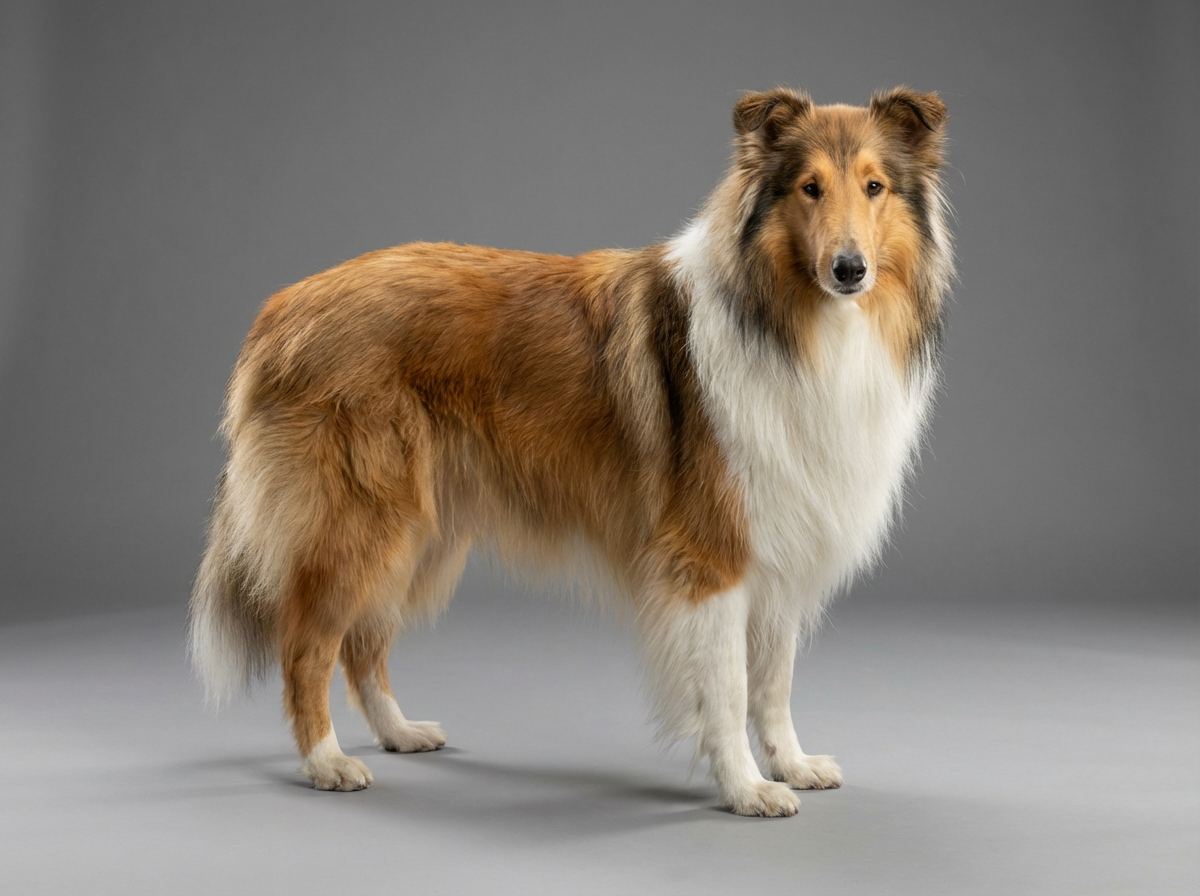
Understanding Collie (Rough Collie) Neurologic Disease

Collie (Rough Collie) neurologic disease is a serious condition that can affect your dog's quality of life. This disease significantly raises the risk of neurological issues in these loving pets.

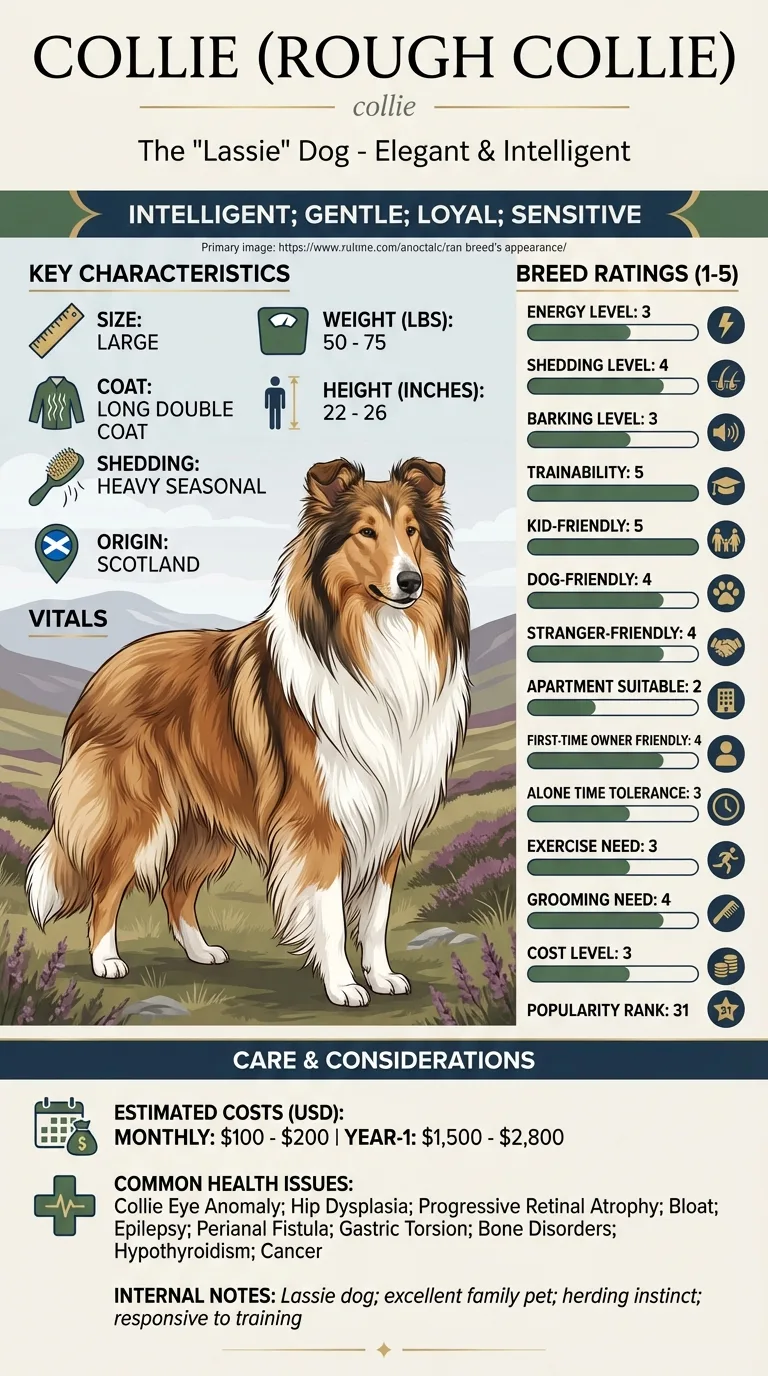
Understanding Collie (Rough Collie) Neurologic Disease infographic

Many Collie owners, especially first-time pet parents or families with young children, find themselves struggling with neurologic disease. It can be challenging to navigate the emotional and practical implications of this condition, making it essential to understand what to look for and how to respond.

Important reminder

This guide is not medical advice. If your dog shows pain, sudden behavior change, or worsening symptoms, consult a licensed veterinarian.

Some links may be affiliate links. We may earn a commission at no extra cost to you. We only suggest products we believe are helpful for dog owners.

What this problem looks like

Collie (Rough Collie) neurologic disease can create daily challenges for both the dog and the owner. Symptoms may include seizures, disorientation, and changes in behavior. These issues can be distressing, often triggered by stress, changes in routine, or even certain environmental factors.

Common triggers

  • Stressful situations
  • Loud noises
  • Changes in environment or routine

Collie (Rough Collie) neurologic disease is relatively common, with a reported 291% higher risk in this breed compared to others. This makes it essential for owners to be aware of the signs and seek veterinary advice if they notice any concerning symptoms.

Why this happens

Breed factors

Collies, particularly Rough Collies, may have a genetic predisposition to neurologic diseases. These can be linked to inherited traits that affect their nervous system, making them more susceptible to conditions like epilepsy or other neurological issues. Understanding these genetic factors can help owners anticipate problems.

Environment factors

Environmental factors also play a significant role. Stressful situations, lack of mental stimulation, or improper nutrition can exacerbate neurologic issues in Collies. A chaotic household or inadequate training may lead to anxiety, which can further impact their neurological health.

What you can try

At-home strategies

  • Create a calm environment: Reduce noise and distractions in your home. This helps keep your Collie's stress levels low.
  • Provide regular mental stimulation: Engage your dog with puzzle toys or training sessions to keep their mind active. Regular exercise also helps maintain their overall health.
  • Maintain a balanced diet: Consult with your vet to ensure your Collie is getting the right nutrients. A healthy diet can support their neurological health.

When to consider a trainer

If your Collie shows signs of anxiety or behavioral issues, consider hiring a professional trainer. A trainer can help with specific techniques to manage stress and improve overall behavior.

When to talk to your vet

If you notice persistent symptoms like seizures, disorientation, or changes in behavior, contact your veterinarian. They can assess your Collie's condition and recommend appropriate medical interventions.

Realistic expectations

Addressing neurologic disease in your Collie may take several months. Consistent training and veterinary care are essential for tracking progress.

Success looks like improved coordination and a decrease in symptoms. Your Collie should respond better to commands and show signs of comfort in daily activities.

Mistakes that make this worse

Avoiding certain behaviors can help improve your Collie (Rough Collie)'s neurologic disease condition. Here are common mistakes that can delay progress and safer alternatives to consider.

  • Ignoring early signs: Many owners overlook mild symptoms, thinking they'll pass. Early intervention is crucial for managing neurologic disease effectively.
  • Overexerting during exercise: Collies need regular exercise, but pushing them too hard can worsen symptoms. Opt for shorter, gentler walks instead.
  • Inconsistent training: Inconsistent commands and routines can confuse your dog, leading to increased anxiety. Stick to a consistent training schedule to help them feel secure.
  • Neglecting mental stimulation: Just physical exercise isn’t enough. Engaging your Collie in mental activities can help reduce stress and improve their overall condition.
  • Not consulting a vet: Some owners rely solely on online advice and delay professional help. Always consult your vet for appropriate treatment plans and updates.
  • Using harsh discipline: Negative reinforcement can increase anxiety and worsen neurologic conditions. Focus on positive reinforcement techniques to encourage good behavior.

When Collie (Rough Collie) Neurologic Disease is an Emergency

Recognizing when Collie (Rough Collie) neurologic disease is an emergency can be life-saving. It's crucial to differentiate between serious symptoms that require immediate veterinary attention and milder signs that can be monitored. If your Collie exhibits severe neurologic symptoms, such as seizures, sudden loss of coordination, or extreme lethargy, you should call your vet right away. These signs can indicate a serious condition that needs swift intervention.

On the other hand, if your Collie shows subtle changes like slight disorientation, mild tremors, or temporary loss of balance, you may monitor them at home while keeping a close watch. Create a plan for their care, noting any changes in behavior or mobility. Remember to record when symptoms occur, as this information can be helpful for your veterinarian.

In cases where your Collie is still responsive and maintains some level of normal activity, such as eating and drinking, it's usually safe to wait and observe. However, if symptoms worsen or you feel uncertain, it’s best to err on the side of caution and seek veterinary assistance.

Understanding Collie (Rough Collie) Neurologic Disease - When Collie (Rough Collie) Neurologic Disease is an Emergency

A Journey with Max: Overcoming Neurologic Challenges

When Lisa, a busy nurse in Seattle, adopted Max, her Rough Collie, she noticed he was often unsteady on his feet. After a vet diagnosis of neurologic disease, Lisa felt overwhelmed. However, she committed to a structured training program and regular vet check-ups. Over time, with patience and consistency, Max learned to navigate his environment more confidently. Lisa celebrated small victories, like Max mastering simple commands and playing fetch without losing his balance.

Key takeaway: With the right support and a consistent approach, it's possible to manage Collie (Rough Collie) neurologic disease effectively.

Frequently asked questions

Why does my Collie (Rough Collie) have neurologic disease?

Collie (Rough Collie) neurologic disease is often linked to genetic predispositions and environmental factors. This breed has a higher risk of developing certain neurological conditions due to their genetics. Regular vet check-ups can help catch early signs.

How can I stop Collie (Rough Collie) neurologic disease?

While there’s no sure way to prevent neurologic disease, maintaining a healthy lifestyle for your Collie can help. Focus on a balanced diet, regular exercise, and mental stimulation. Regular veterinary visits are crucial for monitoring their health.

What are the symptoms of Collie (Rough Collie) neurologic disease?

Symptoms can vary but may include abnormal movements, seizures, or changes in behavior. Early signs might be subtle, like increased anxiety or difficulty with coordination. If you notice any changes, consult your vet immediately.

Is Collie (Rough Collie) neurologic disease treatable?

Treatment depends on the specific condition affecting your Collie. Some neurological disorders can be managed with medication and therapy, while others may require more intensive care. Always discuss treatment options with your veterinarian.

What is the long-term outlook for Collie (Rough Collie) with neurologic disease?

The prognosis varies based on the specific neurologic condition. Some Collies may lead normal lives with proper management, while others might face severe challenges. Your veterinarian can provide guidance tailored to your dog's situation.

What are the early signs of neurologic disease in Collies?

Early signs of neurologic disease in Collies can include changes in behavior, difficulty with coordination, and unusual movements. If you notice your Collie stumbling, having trouble standing, or acting confused, it's important to consult your vet as soon as possible.

Can older Collies develop neurologic disease?

Yes, older Collies can develop neurologic disease as they age. It's crucial to monitor their health closely and seek veterinary care if you notice any changes in their mobility or behavior.

How can I help my Collie cope with neurologic disease?

To help your Collie cope with neurologic disease, maintain a consistent routine and provide a safe environment free of hazards. Gentle exercise and mental stimulation can also be beneficial, but consult your vet for a tailored approach.

Are there specific training methods for Collies with neurologic disease?

Yes, training methods for Collies with neurologic disease should be gentle and patient. Focus on positive reinforcement techniques and keep training sessions short to avoid overwhelming your dog.

When should I consider euthanasia for my Collie with neurologic disease?

The decision to consider euthanasia for a Collie with neurologic disease can be difficult. Consult with your vet to discuss your dog's quality of life and any pain they may be experiencing to make an informed choice.

Quick answers

View more answers
Behavior

What are quick tips for managing Collie (Rough Collie) neurologic disease?

Keep a consistent routine for feeding and exercise, and provide a stress-free environment. Monitor any changes in behavior closely and maintain regular vet visits for health checks.

Costs

How much does it cost to care for a Collie (Rough Collie) with neurologic disease?

Expect monthly costs to range from $100 to $200, with potential additional expenses for medications and vet visits. Planning for unexpected health costs is always wise.

Health

Are Collie (Rough Collie) neurologic disease symptoms serious?

Yes, symptoms can indicate serious health issues. Regular vet check-ups are essential for early detection and management of potential problems.

Related DogBreedCompass guides

Related guides