Behavior
What are quick tips for managing Collie luxating patellas?
Regular vet check-ups, maintaining a healthy weight, and providing low-impact exercises can help manage the condition effectively.

Quick answer
What are quick tips for managing Collie luxating patellas?
Regular vet check-ups, maintaining a healthy weight, and providing low-impact exercises can help manage the condition effectively.
Collie (Rough Collie) luxating patellas is a common issue that affects many pets. This condition involves the dislocation of the knee cap, which can cause pain and mobility challenges.
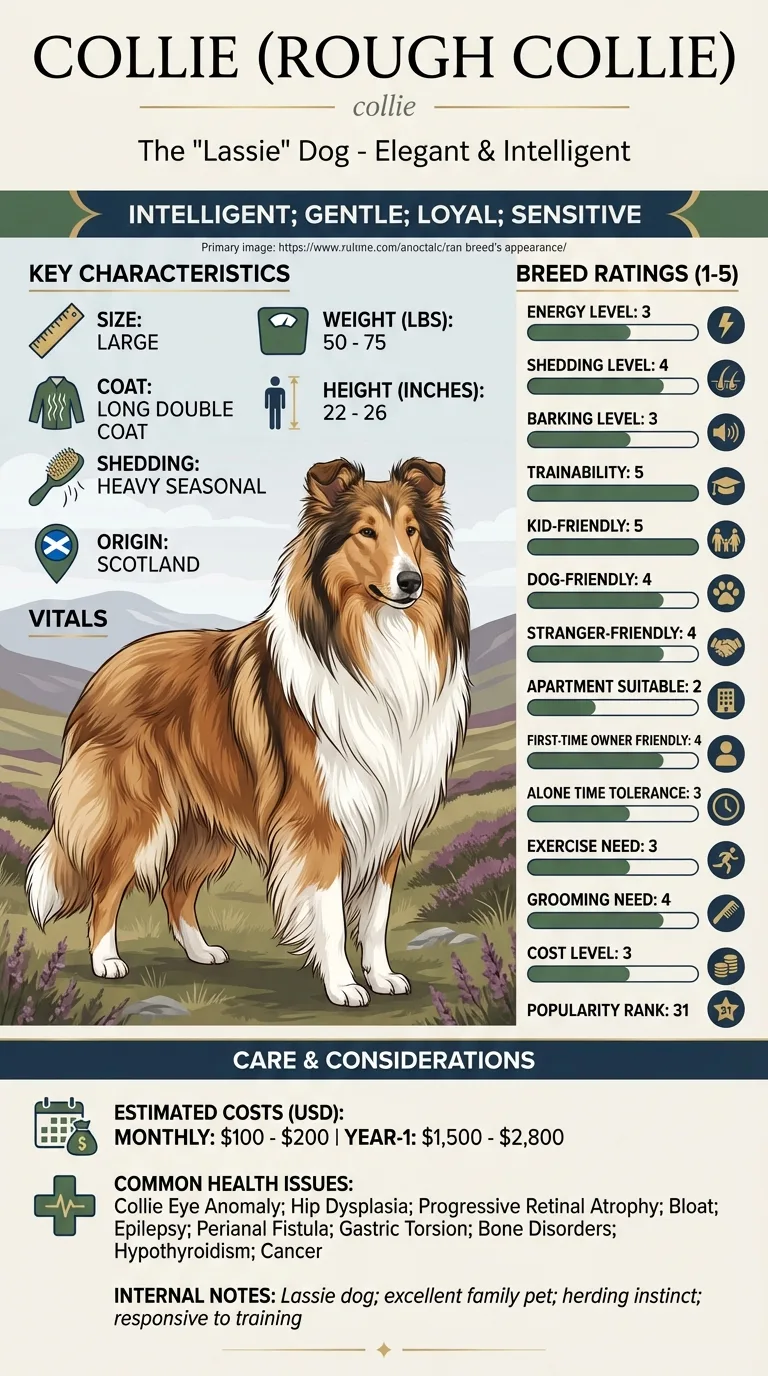
Typically, Collie owners, especially first-time dog parents or those living in urban environments, may face this challenge. Busy families with kids or active individuals who frequently exercise their dogs need to be particularly aware of this issue to ensure their pets stay healthy and happy.
This guide is not medical advice. If your dog shows pain, sudden behavior change, or worsening symptoms, consult a licensed veterinarian.
Some links may be affiliate links. We may earn a commission at no extra cost to you. We only suggest products we believe are helpful for dog owners.
We research and check what we publish, but we do not warrant that any figure, date, price, or statement is accurate, complete, or current, and we accept no liability for any loss, cost, injury, or other harm arising from the use of this site. Use it as one reference among several. You remain responsible for your own decisions and for your dog's care - confirm anything that matters with a licensed veterinarian or another qualified professional before you act on it. Full disclaimer.
Check this first
Knowing when to call your vet about Collie (Rough Collie) luxating patellas can be crucial for your dog's health. If your Collie shows signs of severe pain, cannot bear weight on the affected leg, or has a visibly dislocated kneecap, these are red flags that require immediate veterinary attention. Additionally, if your dog experiences swelling or a sudden change in mobility, do not wait; contact your vet right away.
If any of these apply, call your vet or an emergency clinic now. The rest of this page is for the cases that are not an emergency.
Collie (Rough Collie) luxating patellas is a common problem that affects their knees. This condition occurs when the kneecap dislocates or moves out of its normal position, causing discomfort and difficulty in movement. Owners might notice their Collie limping, favoring a leg, or struggling to jump or run due to this issue.
Luxating patellas are relatively common in Collies, particularly among younger dogs. Many Collies may experience this issue at some point, especially if they are active and engage in high-energy activities. Regular vet check-ups can help catch this problem early.
Collies, particularly Rough Collies, can be prone to luxating patellas due to their genetic make-up. This breed may have anatomical traits that lead to knee cap dislocations, especially in larger dogs. Their long, lean legs can make them susceptible to joint issues, impacting their mobility.
Environmental factors can contribute to luxating patellas as well. Activities that involve jumping or rough play can strain the knees. Additionally, being overweight can increase pressure on the joints, making dislocations more likely.
It's essential to talk to your vet if your Collie frequently experiences luxating patellas. They can assess the severity of the condition and recommend appropriate treatments, which may include physical therapy or surgery if necessary.
Avoiding these common mistakes can help your Collie (Rough Collie) recover from luxating patellas more effectively.
Start here: Collie Most Common Genetic Disorders: What to Screen For
See all Collie health problems, which breeds are prone to luxating patellas, or the full Collie breed guide for temperament, exercise needs and ownership costs.
Addressing luxating patellas in your Collie (Rough Collie) can take several weeks to months. Initial care and management strategies may show improvements within the first few weeks, but long-term solutions might require ongoing adjustments.
Success means your Collie is moving comfortably without pain, showing improved mobility, and responding well to training and management strategies. You should notice fewer episodes of knee dislocation and an overall happier dog.
In less severe cases of Collie (Rough Collie) luxating patellas, you might notice occasional limping or your dog favoring one leg. If your Collie seems to be in mild discomfort but is still playing and moving around, it may be okay to monitor the situation. Keep a close eye on your dog's behavior, and consider implementing a management plan that includes rest and gentle exercise.

Clara, a busy nurse from Seattle, noticed her Rough Collie, Max, limping after playtime. After a vet visit, she learned that Max had luxating patellas. Initially overwhelmed, Clara focused on training and managing Max's activity levels. She incorporated gentle exercises and used dog-friendly ramps to prevent jumping. Within a few months, Max's mobility improved significantly, and he seemed much happier during walks.
Key takeaway: With patience and the right management strategies, you can help your Collie (Rough Collie) thrive despite luxating patellas.
Luxating patellas in Collies often stem from genetic factors or developmental issues. This condition occurs when the kneecap dislocates from its normal position, which can lead to pain and mobility problems. This answer relates to Collie (Rough Collie) luxating patellas.
Signs of luxating patellas include limping, difficulty standing up, or sudden shifts in weight. You may also notice your Collie occasionally skipping or holding their leg up after a jump.
If you suspect your Collie has luxating patellas, consult your veterinarian. They may suggest treatments ranging from weight management and physical therapy to surgery for severe cases.
While you can't completely prevent luxating patellas, maintaining a healthy weight and providing proper exercise can help. Regular vet check-ups can also catch early signs of this issue.
Luxating patellas can cause pain and limit mobility, impacting your Collie's quality of life. Early intervention and proper management can significantly improve their comfort and activity levels.
Focus on low-impact training and activities that avoid stress on the knees. Positive reinforcement and patience will help your Collie adjust and stay engaged without risking injury.
Provide a comfortable resting area and consider ramps or soft bedding to help them avoid jumping. Gentle massage and controlled exercise can also support their joint health.
If you suspect your Collie has luxating patellas, it's important to consult your veterinarian. They can evaluate the severity of the condition and recommend treatment options, which may include physical therapy, weight management, or surgery.
Yes, luxating patellas can be more common in older Collies due to wear and tear on their joints. Regular check-ups with a vet can help monitor any issues as your dog ages.
To help prevent luxating patellas, maintain a healthy weight for your Collie and provide regular exercise. Avoid high-impact activities that could stress their joints, especially in younger dogs.
Yes, if left untreated, luxating patellas can lead to arthritis or chronic pain in your Collie. It's essential to manage this condition proactively to ensure your dog's long-term well-being.
Signs of luxating patellas in your Collie may include limping, difficulty walking, or a reluctance to jump or climb stairs. If you notice these symptoms, consult your veterinarian for further evaluation.
Regular vet check-ups, maintaining a healthy weight, and providing low-impact exercises can help manage the condition effectively.
Treatment costs can vary widely, ranging from $150 for basic vet consultations to over $3,000 for surgery, depending on severity.
Yes, luxating patellas are a known issue in Collies and can occur in both rough and smooth varieties due to their genetic predisposition.
Swimming and controlled leash walks are excellent low-impact exercises that help strengthen muscles without putting stress on the knees.
Yes, if left untreated, luxating patellas can cause arthritis and other joint problems, impacting your Collie's overall mobility and health.
A one-page prep sheet for this condition: the signs, the questions to ask, what to get priced. Unlocks here.
You get: Vet visit prep sheet
No spam. One-click unsubscribe. See our privacy policy.
Preview page 1 before you decide.