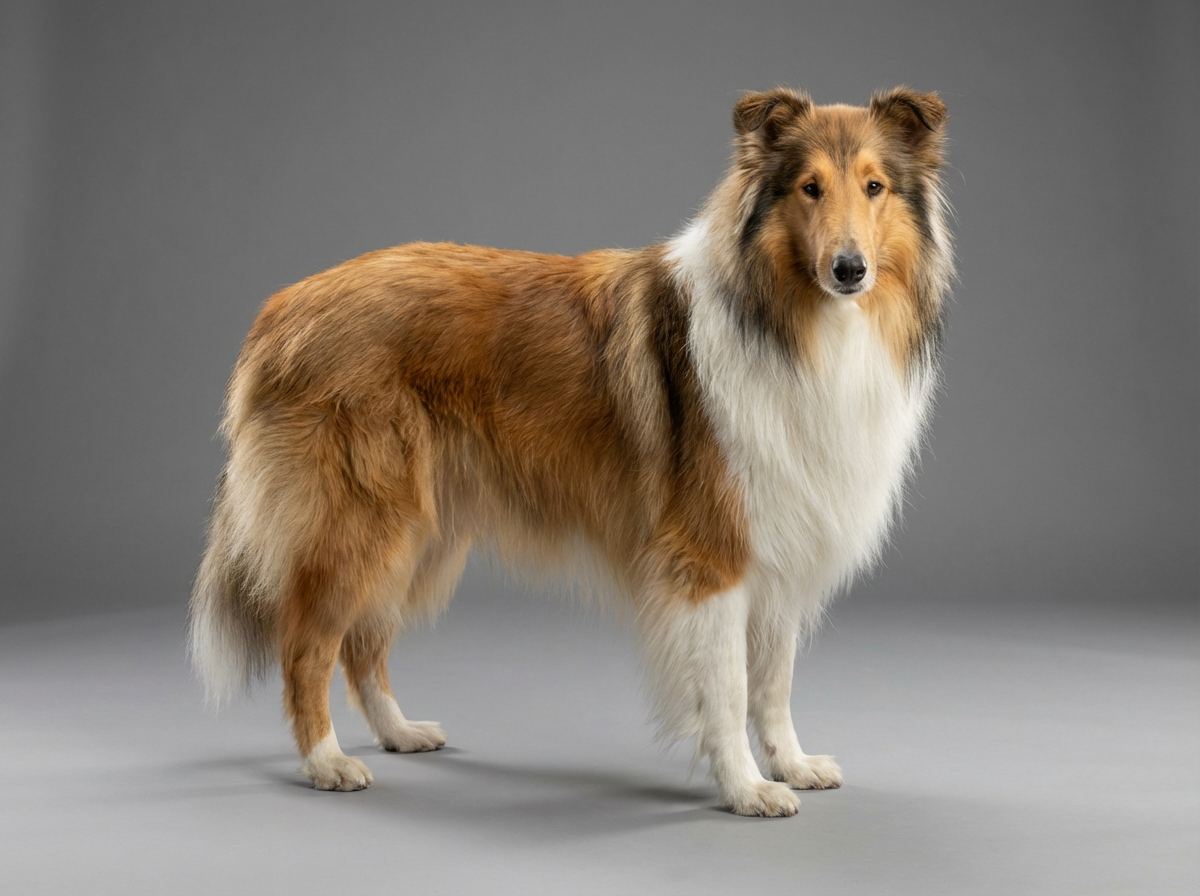
Health
What are quick tips for managing Collie (Rough Collie) hypothyroidism?
Ensure your Collie takes their medication daily and schedule regular vet check-ups to monitor hormone levels. A balanced diet can also support their health.

Quick answer
What are quick tips for managing Collie (Rough Collie) hypothyroidism?
Ensure your Collie takes their medication daily and schedule regular vet check-ups to monitor hormone levels. A balanced diet can also support their health.
Collie (Rough Collie) hypothyroidism is a thyroid hormone deficiency that can affect your dog's health.
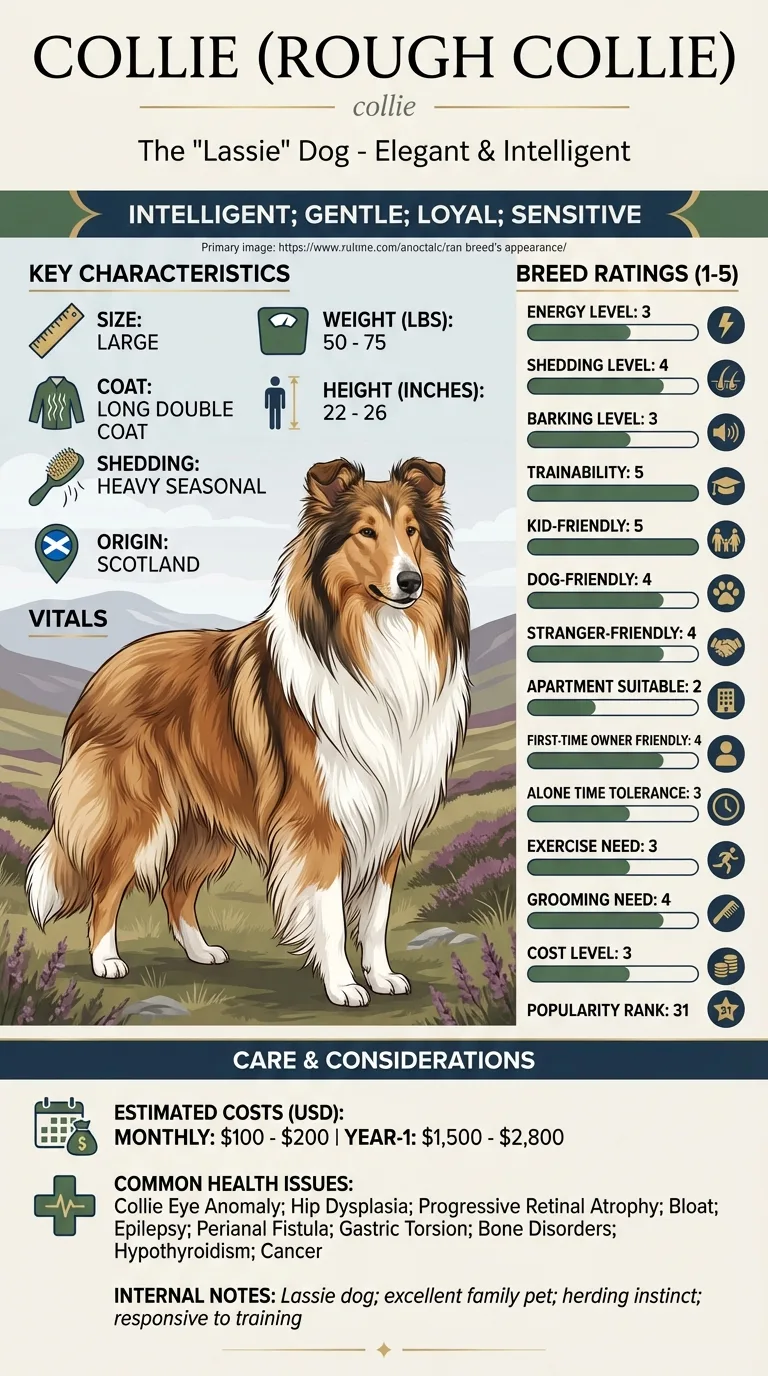
Owners of Collies may find themselves struggling with this issue, especially those who notice their dogs becoming less active or gaining weight unexpectedly. It can be particularly concerning for families who want their energetic pets to remain healthy and playful.
This guide is not medical advice. If your dog shows pain, sudden behavior change, or worsening symptoms, consult a licensed veterinarian.
Some links may be affiliate links. We may earn a commission at no extra cost to you. We only suggest products we believe are helpful for dog owners.
We research and check what we publish, but we do not warrant that any figure, date, price, or statement is accurate, complete, or current, and we accept no liability for any loss, cost, injury, or other harm arising from the use of this site. Use it as one reference among several. You remain responsible for your own decisions and for your dog's care - confirm anything that matters with a licensed veterinarian or another qualified professional before you act on it. Full disclaimer.
Check this first
Hypothyroidism in your Collie (Rough Collie) can be serious, but not all cases require immediate attention. It's important to know when to call your vet right away and when you can monitor your pet's condition at home.
Red flags that mean you should contact your vet immediately include: sudden weight gain, lethargy, difficulty breathing, or seizures. If your Collie shows signs of severe skin issues, like infections or extreme hair loss, these could also be urgent. These symptoms may indicate that the hypothyroidism is causing more serious health problems.
On the other hand, if your Collie is simply displaying mild symptoms like slight weight gain or low energy, you might be able to monitor them for now. Keep a close eye on their behavior and energy levels, and consider scheduling a vet visit for further evaluation. Remember, it's always better to err on the side of caution when it comes to your dog's health.
If any of these apply, call your vet or an emergency clinic now. The rest of this page is for the cases that are not an emergency.
Collie (Rough Collie) hypothyroidism is a condition where the thyroid gland does not produce enough hormones. This can lead to symptoms like weight gain, lethargy, and a dull coat. Owners may notice their Collie becoming less active and having difficulty maintaining a healthy weight.
Hypothyroidism is relatively common in Collies, especially as they age. Many Collies may develop this issue by the time they reach middle age, making it important for owners to be aware of the signs.
Collies, especially Rough Collies, are prone to hypothyroidism due to genetic factors. This breed can have an inherited tendency to develop thyroid issues, which may lead to lower hormone production and affect overall health.
Environmental factors can also contribute to hypothyroidism. Poor diet, exposure to certain chemicals, and stress can impact thyroid function, making it essential to create a healthy living environment for your Collie.
If you notice symptoms like excessive weight gain, lethargy, or hair loss, contact your vet. They can perform blood tests to check thyroid hormone levels and recommend appropriate treatment.
When dealing with Collie (Rough Collie) hypothyroidism, certain common mistakes can actually worsen the issue. Here are some behaviors to avoid, along with safer alternatives.
Start here: Collie Most Common Genetic Disorders: What to Screen For
See all Collie health problems, which breeds are prone to hypothyroidism, or the full Collie breed guide for temperament, exercise needs and ownership costs.
Managing Collie (Rough Collie) hypothyroidism typically takes a few weeks to stabilize after diagnosis. You should expect to see gradual improvements over 2 to 3 months with consistent treatment.
Success means your Collie shows increased energy, a healthier coat, and improved overall mood. Regular vet check-ups will help monitor thyroid levels, ensuring your dog stays on the right track.
Jessica, a busy nurse in Seattle, noticed that her 5-year-old Rough Collie, Max, was becoming lethargic and had started losing fur. After some research and a vet visit, she learned that Max had hypothyroidism. Initially overwhelmed, Jessica followed the vet's advice and started Max on a daily medication. She also adjusted his diet and focused on regular exercise. Within a few months, Max began to regain his energy and even his shiny coat returned.
Key takeaway: With proper treatment and care, Collies can live healthy, happy lives despite hypothyroidism. Staying committed to the treatment plan makes all the difference.
Collie (Rough Collie) hypothyroidism is often due to an autoimmune disorder where the body attacks its own thyroid tissue. Genetic factors can also play a role, making this condition more common in certain breeds, including Collies. Regular vet check-ups can help catch this early.
Managing Collie (Rough Collie) hypothyroidism typically involves daily medication prescribed by your vet. It's essential to monitor your dog's weight and energy levels, as these can change with treatment. Regular blood tests will help your vet adjust medication as needed.
Symptoms of hypothyroidism in Collie (Rough Collie) include weight gain, lethargy, skin problems, and changes in behavior. You might also notice a dull coat and increased shedding. If you see these signs, consult your vet promptly.
While you can't prevent hypothyroidism entirely, maintaining a healthy diet and regular vet visits can help manage your Collie's overall health. Keeping your dog at a healthy weight can also reduce the risk of various health issues, including hypothyroidism.
The primary treatment for hypothyroidism in Collies is daily thyroid hormone replacement therapy. This medication usually needs to be given for life, and your vet will monitor your Collie's thyroid levels to ensure the correct dosage.
While a healthy diet can support your Collie's overall health, hypothyroidism typically requires medication for management. Speak to your vet about the best approach for your dog.
If your Collie is diagnosed with hypothyroidism, regular check-ups are essential. Generally, you should plan for visits every 6 to 12 months to monitor hormone levels and adjust treatment as needed.
Yes, hypothyroidism can have a genetic component, particularly in certain breeds like Collies. If you're considering breeding your Collie, it's vital to consult with a vet about health screenings.
Yes, older Collies are generally at a higher risk for hypothyroidism. Monitoring their health closely as they age can help catch any issues early and ensure they receive appropriate treatment.
Ensure your Collie takes their medication daily and schedule regular vet check-ups to monitor hormone levels. A balanced diet can also support their health.
Look for changes in energy levels, weight gain, and skin conditions. If your Collie seems more lethargic than usual, consult your vet.
Expect to pay for regular vet visits, blood tests, and medication, which can range from $100 to $200 monthly. The first year could cost between $1500 and $2800.
While training is not directly related to hypothyroidism, maintaining a routine can help your Collie feel secure and engaged. Training can also support better behavior overall.
A one-page prep sheet for this condition: the signs, the questions to ask, what to get priced. Unlocks here.
You get: Vet visit prep sheet
No spam. One-click unsubscribe. See our privacy policy.
Preview page 1 before you decide.