Behavior
How to stop Collie (Rough Collie) brachycephalic obstructive airway syndrome (boas)?
Focus on weight management, avoid overheating, and provide a calm environment. Consult a vet for tailored advice.
Collie (Rough Collie) brachycephalic obstructive airway syndrome (BOAS) is a serious health concern affecting many dogs.
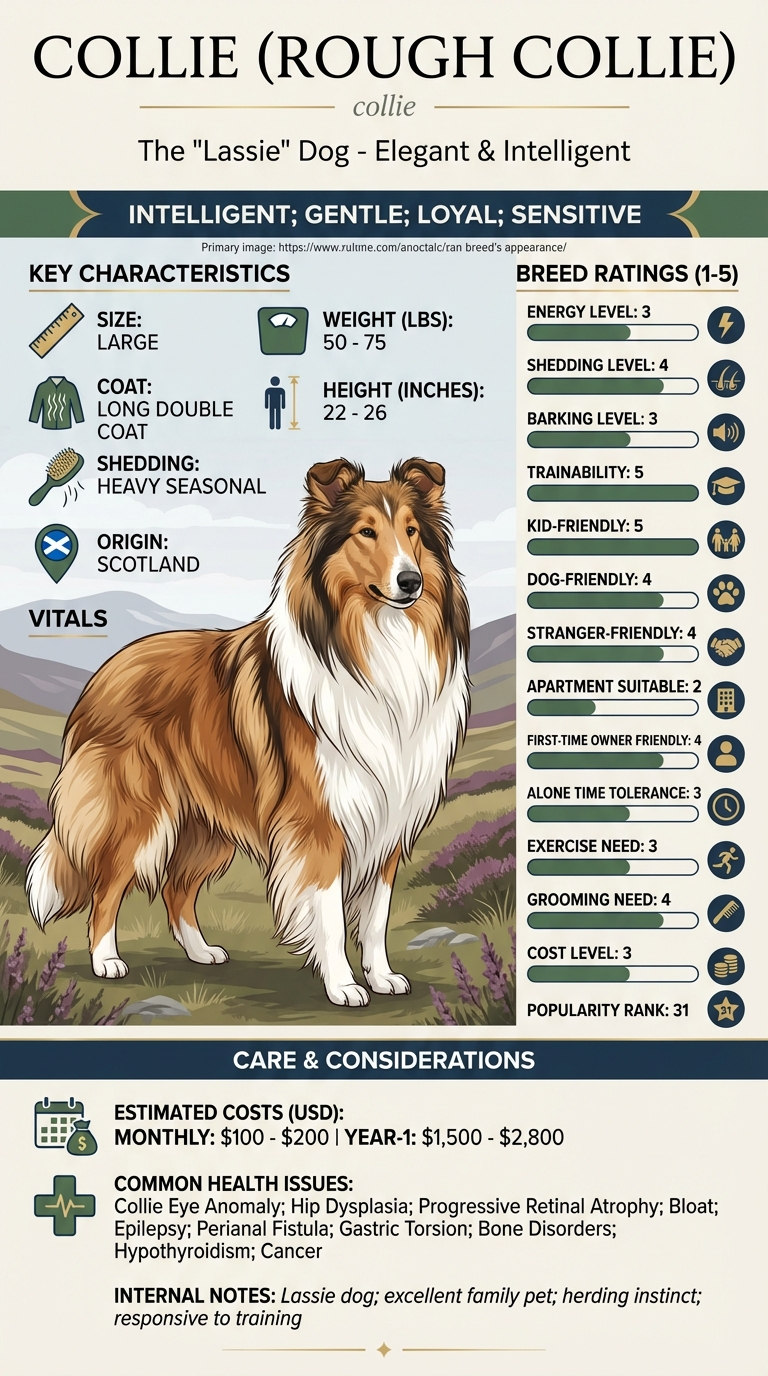
Owners of Collies, especially those who live in warmer climates or have active lifestyles, often face challenges with this condition. It's vital for these owners to recognize the signs and learn how to manage them effectively.
This guide is not medical advice. If your dog shows pain, sudden behavior change, or worsening symptoms, consult a licensed veterinarian.
Some links may be affiliate links. We may earn a commission at no extra cost to you. We only suggest products we believe are helpful for dog owners.
Collie (Rough Collie) brachycephalic obstructive airway syndrome (boas) can make day-to-day life challenging for both the dog and their owner. This condition causes breathing difficulties, snoring, and heat sensitivity due to the dog’s physical structure. While Collies are not traditionally classified as brachycephalic, some individuals may still experience symptoms, especially if they have shorter snouts or other contributing factors.
Brachycephalic obstructive airway syndrome (boas) is not extremely common in Rough Collies, but it can occur. Owners should be aware of the signs and manage their dog's weight and activity levels to help minimize symptoms.
Collies, including Rough Collies, are not typically brachycephalic. However, if they exhibit signs of Brachycephalic Obstructive Airway Syndrome (BOAS), it may be due to genetic factors or breeding practices that unintentionally favor certain physical traits. These traits can include a shortened muzzle, which leads to breathing difficulties.
Environmental factors can also contribute to BOAS. High temperatures, humidity, and excessive exercise can exacerbate breathing issues. Stressful situations, like loud noises or crowded spaces, can increase anxiety and worsen their breathing problems.
If your Collie is showing signs of anxiety or stress that affect their breathing, consider consulting a professional dog trainer. A trainer can help create a personalized training plan to address behavior issues without overwhelming your pet.
If your Collie experiences persistent breathing difficulties, snoring, or signs of distress, it's essential to talk to your vet. They can assess the severity of the condition and recommend treatments or lifestyle adjustments to improve your dog's quality of life.
You may start seeing improvements in your Collie's breathing within a few weeks of consistent training and management changes. However, significant progress can take three to six months, depending on your dog's individual situation and commitment to the plan.
Success means your Collie can breathe more easily, reducing snoring and heavy panting. You should notice less anxiety in your dog during physical activities and a better overall quality of life.
Addressing Collie (Rough Collie) brachycephalic obstructive airway syndrome (BOAS) can be challenging. Some common owner behaviors may unintentionally worsen the condition. Here are key mistakes to avoid.
Recognizing when Collie (Rough Collie) brachycephalic obstructive airway syndrome (BOAS) is an emergency is crucial. If your Collie is struggling to breathe, has blue-tinged gums, or collapses, these are red flags. Immediate veterinary care is essential in these situations.
On the other hand, if your Collie is snoring or occasionally wheezing but is still able to play, eat, and drink normally, you can monitor the situation at home. Keeping a close eye on their behavior and environment can help you determine if a vet visit is needed later.
It's important to have a plan in place for both emergencies and mild cases. Watch for signs like excessive panting, coughing, or lethargy. If these symptoms worsen, it's time to call your vet. Always prioritize your dog's safety and don't hesitate to seek help when in doubt.
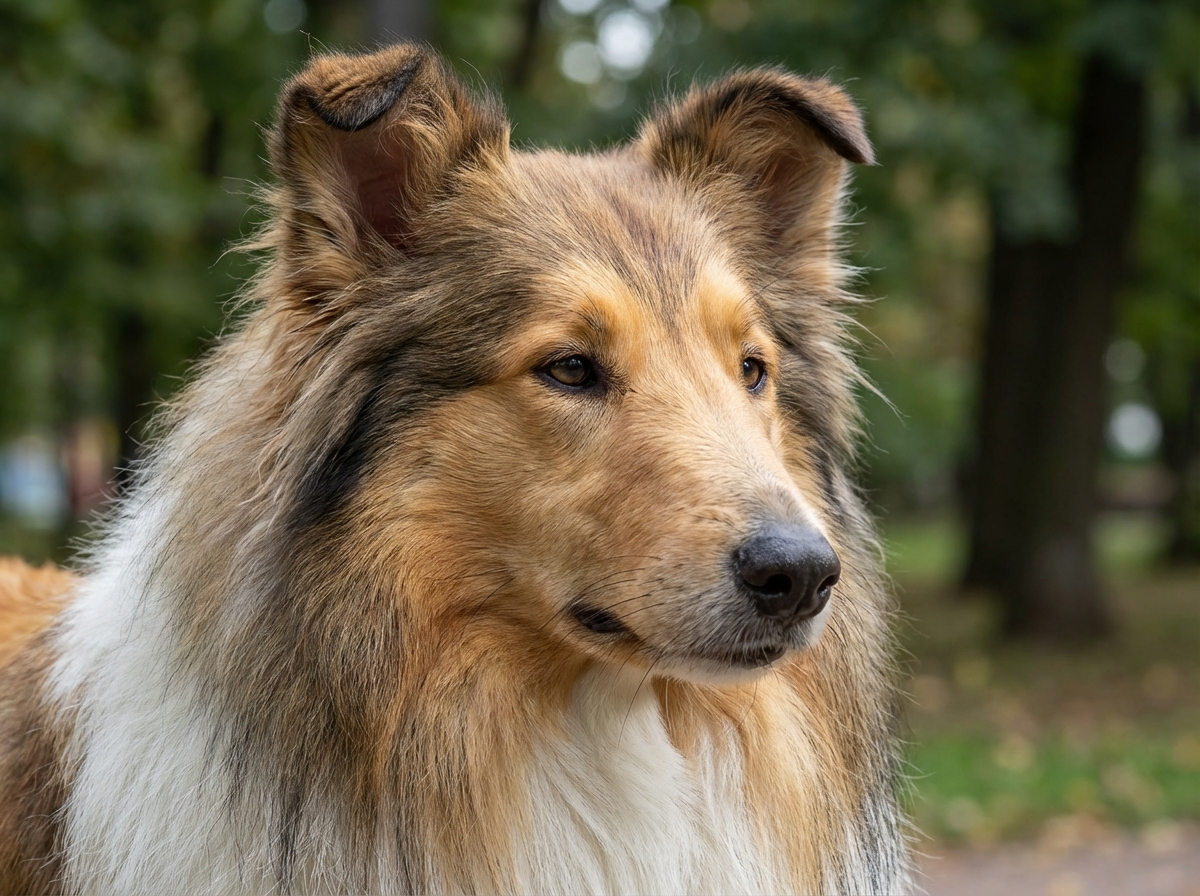
Sarah, a busy nurse in Seattle, adopted Bella, a beautiful Rough Collie, who soon showed signs of Brachycephalic Obstructive Airway Syndrome (BOAS). Bella would snore loudly and struggle to catch her breath after just a short walk. Concerned for her health, Sarah consulted her vet, who recommended a combination of training and management strategies. Over the next few months, Sarah gradually introduced training exercises that encouraged calm behavior and restricted Bella's exposure to heat. She also altered her walks to include shorter, cooler outings. With patience and consistency, Bella's breathing improved significantly, and she became more active and playful.
Key takeaway: With dedication and the right approach, you can effectively manage your Collie's BOAS symptoms and enhance their quality of life.
Collies are generally not classified as a brachycephalic breed, but some may develop BOAS due to anatomical variations. Factors like weight and age can exacerbate breathing difficulties. Always consult your vet to understand your dog's specific condition.
Signs of BOAS include difficulty breathing, excessive snoring, or respiratory distress during exercise. If your Collie shows these symptoms, it's essential to have them evaluated by a veterinarian. Early intervention can help manage their condition.
Treatment for BOAS often involves weight management, medication, or surgery to improve airflow. Your vet will recommend the best approach based on the severity of your dog's condition. Regular follow-ups are vital for ongoing care.
While training won't cure BOAS, it can help your Collie learn to manage their breathing during activities. Focus on low-impact training and ensure they stay calm. Always monitor their breathing during exercise.
Keep your Collie in a cool environment, avoid strenuous exercise, and maintain a healthy weight. Short, frequent walks are better than long runs. These changes can significantly improve their quality of life.
BOAS is more common in brachycephalic breeds, but some Collies can develop symptoms due to individual anatomical differences. Regular vet checks can help catch any issues early. Awareness of this condition is key to proactive care.
Yes, brachycephalic obstructive airway syndrome (BOAS) can worsen with age. Older Collies may experience increased breathing difficulties or other related health issues. It's essential to monitor their symptoms and consult your vet for any changes.
Signs of severe BOAS in your Collie may include excessive panting, difficulty breathing, or fainting during exercise. If you notice these symptoms, it's crucial to seek veterinary care immediately to prevent serious health risks.
To help your Collie cope with BOAS in hot weather, provide plenty of fresh water and keep them indoors during peak heat hours. Avoid strenuous exercise and consider using fans or air conditioning to keep your home cool.
Surgery can be a viable option for treating severe cases of BOAS in Collies. Procedures may involve removing excess tissue in the throat to improve airflow. Always discuss with your vet to determine the best treatment plan for your dog.
While training alone may not reduce BOAS symptoms, it can help your Collie improve their overall behavior and manage mild anxiety. Positive reinforcement training techniques can also reduce stress, which may help their breathing during stressful situations.
Focus on weight management, avoid overheating, and provide a calm environment. Consult a vet for tailored advice.
Monitor your dog's breathing, keep them cool, and limit strenuous activities. Regular vet check-ups are essential.
Treatment costs can range from a few hundred dollars for medication to several thousand for surgery. Budget for ongoing care as needed.