Behavior
What are quick tips for Collie (Rough Collie) arthritis?
Maintain a healthy weight and provide joint supplements. Regular, low-impact exercise can also help.

Quick answer
What are quick tips for Collie (Rough Collie) arthritis?
Maintain a healthy weight and provide joint supplements. Regular, low-impact exercise can also help.
Collie (Rough Collie) arthritis is a common concern that affects many pets as they age. It's vital to recognize the signs early to maintain their quality of life.
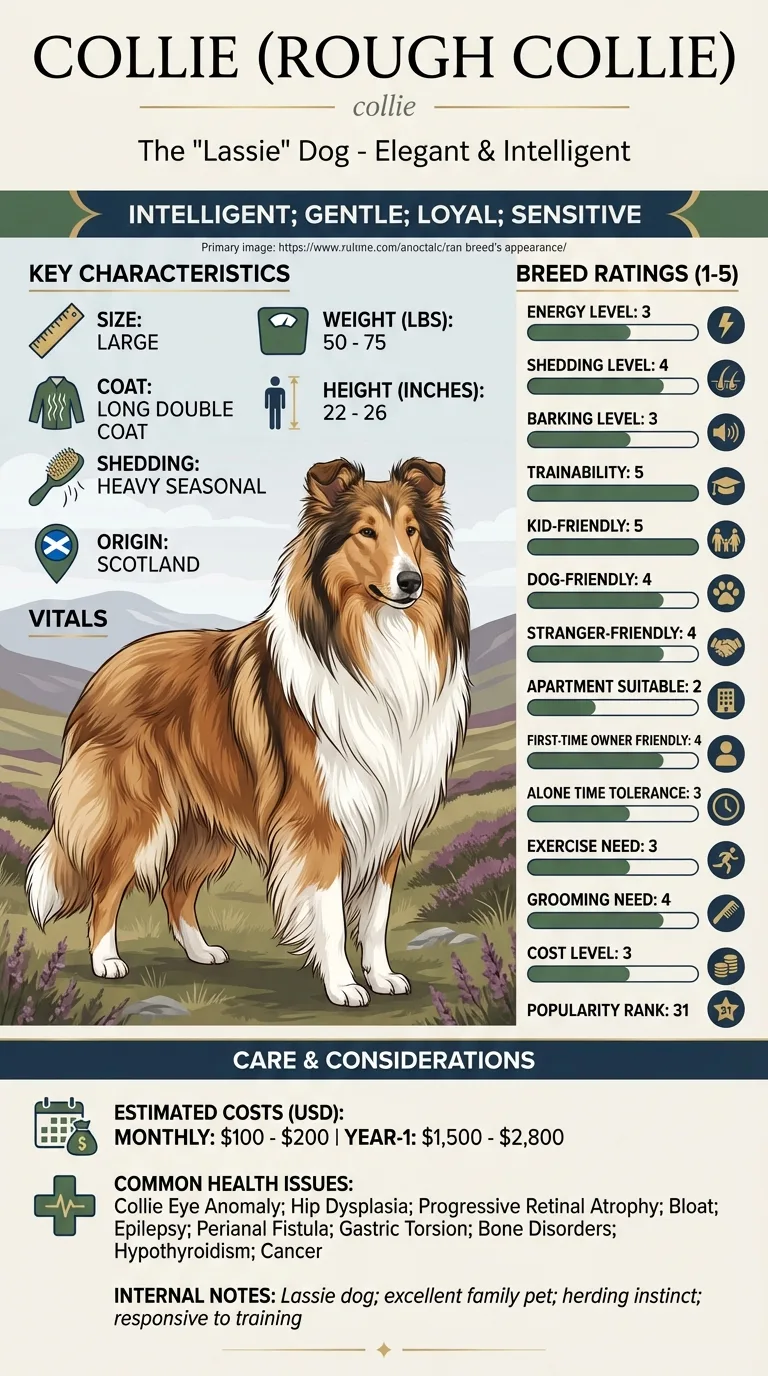
Owners of older Collies or those with a family history of joint issues often face this challenge. Busy families, first-time pet owners, or anyone who might overlook subtle signs may struggle to recognize the early symptoms of arthritis.
This guide is not medical advice. If your dog shows pain, sudden behavior change, or worsening symptoms, consult a licensed veterinarian.
Some links may be affiliate links. We may earn a commission at no extra cost to you. We only suggest products we believe are helpful for dog owners.
We research and check what we publish, but we do not warrant that any figure, date, price, or statement is accurate, complete, or current, and we accept no liability for any loss, cost, injury, or other harm arising from the use of this site. Use it as one reference among several. You remain responsible for your own decisions and for your dog's care - confirm anything that matters with a licensed veterinarian or another qualified professional before you act on it. Full disclaimer.
Check this first
Noticing signs of arthritis in your Collie can be concerning. However, some situations are more urgent than others. Knowing when to call your vet is crucial for your dog's well-being.
Red-Flag Signs to Call Your Vet Immediately: - Severe Pain: If your Collie is yelping, whining, or refusing to put weight on a leg, it's time to seek help. - Swelling: Any noticeable swelling around the joints can indicate a serious issue. - Sudden Changes in Behavior: If your Collie suddenly becomes aggressive or hides, this may be a sign of distress or pain. - Loss of Appetite: If your dog stops eating for more than a day, it could signal a serious health problem.
Mild Cases to Monitor: - Stiffness After Rest: If your Collie seems stiff after sleeping but moves better after a short walk, it may not be an emergency. - Occasional Limping: A slight limp that occurs occasionally, especially after exercise, can often be monitored at home. - Minor Weight Shifts: If your dog shifts their weight from one leg to another without signs of severe pain, it may be manageable with a plan.
It's essential to keep track of your Collie's symptoms and consult with your vet to develop a care plan. Early intervention can help prevent more severe issues, so trust your instincts when you feel something may be wrong.
If any of these apply, call your vet or an emergency clinic now. The rest of this page is for the cases that are not an emergency.
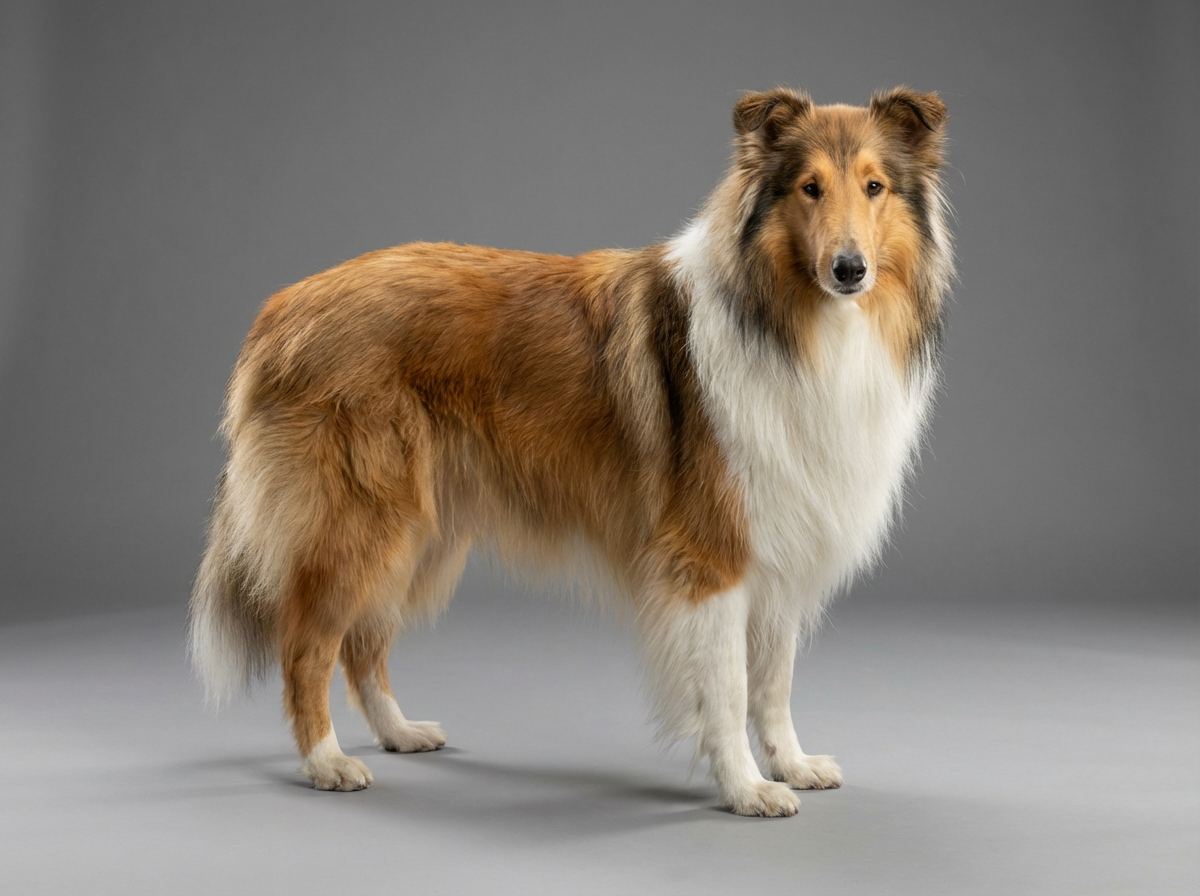
Collie (Rough Collie) arthritis is a common issue that affects their mobility and quality of life. This condition typically manifests as stiffness, limping, or difficulty getting up after resting. Owners may notice their Collie hesitating to jump or play, which can be concerning and frustrating.
Arthritis is quite common in older Collies, especially those over the age of seven. Many Collies will experience some degree of joint discomfort as they age, making it essential for owners to be vigilant about their dog's mobility.
Collies, especially as they age, can be prone to arthritis due to their size and genetic predisposition. Larger breeds like the Rough Collie can experience more wear and tear on their joints, making them more susceptible to joint issues.
Environmental factors such as obesity, lack of exercise, or injury can also contribute to arthritis in Collies. A sedentary lifestyle or excessive weight puts additional stress on their joints, increasing the risk of developing arthritis.
If you notice signs of pain, such as limping, reluctance to move, or changes in appetite, it's time to talk to your vet. They can recommend pain management options, including medication or physical therapy.
Avoiding certain common mistakes can significantly help manage your Collie (Rough Collie) arthritis. Here are some behaviors to steer clear of:
Start here: Collie Most Common Genetic Disorders: What to Screen For
See all Collie health problems, which breeds are prone to arthritis, or the full Collie breed guide for temperament, exercise needs and ownership costs.
Managing Collie (Rough Collie) arthritis can take a few weeks to months. You'll notice gradual improvements in your dog's mobility as you adjust their routine and treatment.
Success means your Collie is more comfortable, moves with less pain, and enjoys their daily activities. You'll see them playing, going for walks, and engaging with family more easily.
Emily, a busy nurse in Seattle, noticed her beloved Collie, Max, struggling to get up after naps. After a vet visit confirmed arthritis, Emily felt overwhelmed. With guidance, she started a daily routine of gentle exercises, weight management, and joint supplements for Max. Over time, she saw him bounce back, trotting happily during their evening walks. Emily learned the importance of patience and support, realizing that small changes made a big difference in Max's quality of life.
Key takeaway: With the right care and adjustments, Collie (Rough Collie) arthritis can be managed effectively, allowing your furry friend to live a happy and active life.
Common signs of arthritis in your Collie may include limping, difficulty standing up, or reluctance to walk or play. You might also notice stiffness after resting or changes in their behavior like increased irritability.
Managing Collie (Rough Collie) arthritis includes maintaining a healthy weight, providing joint supplements, and ensuring regular, low-impact exercise. Consult your vet for specific recommendations tailored to your dog's needs.
Yes, gentle training can help maintain mobility in your Collie (Rough Collie). Focus on low-impact activities like swimming or short walks to keep them active without stressing their joints.
Adjusting your Collie (Rough Collie)'s diet can help manage arthritis symptoms. Look for high-quality dog food that includes omega fatty acids and joint support ingredients, and consult your vet for personalized recommendations.
Your vet may recommend anti-inflammatory medications or pain relievers specifically designed for dogs. Always follow their guidance on dosage and usage.
Yes, there are non-medical ways to manage arthritis in older Collies. Maintaining a healthy weight, providing gentle exercise, and using supportive bedding can help. Always consult your vet for the best strategies.
Arthritis can occur in younger Collies due to genetic factors, previous injuries, or underlying health issues. If you suspect arthritis in a young dog, it's essential to consult your vet for a thorough evaluation.
Cold weather can worsen arthritis symptoms in your Collie. Keeping them warm with dog jackets, ensuring they have a soft, warm place to rest, and moderating their exercise can help alleviate discomfort.
Joint surgery might be considered for Collies with severe arthritis if other treatments are ineffective. Your vet will assess the situation and discuss options like joint replacement or other surgical interventions.
Maintain a healthy weight and provide joint supplements. Regular, low-impact exercise can also help.
It's best to visit the vet at least once a year, or more frequently if you notice any changes in behavior or mobility.
Some owners find that warm compresses or gentle massage can soothe sore joints. Always check with your vet before trying new remedies.
Monthly costs can range from $100 to $200, depending on medications, supplements, and veterinary visits.
A one-page prep sheet for this condition: the signs, the questions to ask, what to get priced. Unlocks here.
You get: Vet visit prep sheet
No spam. One-click unsubscribe. See our privacy policy.
Preview page 1 before you decide.