Behavior
What are Collie (Rough Collie) allergies quick tips?
Keep your home clean to reduce allergens, and consider regular vet check-ups for skin and ear issues.
Collie (Rough Collie) allergies can be a frustrating challenge for dog owners. These dogs often suffer from food and environmental allergies, leading to discomfort and health issues.
Typically, first-time dog owners or busy families may struggle with identifying and managing their Collie's allergies. Those living in urban areas or with limited outdoor space might find it even more challenging to pinpoint environmental triggers.
This guide is not medical advice. If your dog shows pain, sudden behavior change, or worsening symptoms, consult a licensed veterinarian.
Some links may be affiliate links. We may earn a commission at no extra cost to you. We only suggest products we believe are helpful for dog owners.
Collie (Rough Collie) allergies can manifest in various ways, including persistent scratching, skin irritations, and even chronic ear infections. These allergic reactions are often triggered by environmental factors like pollen, dust mites, or certain foods. As a large breed with a long double coat, Collies can be especially prone to skin issues, making it vital for owners to recognize and address these problems early.
Allergies are quite common in Collies, affecting a significant number of them at some point in their lives. Many Collies will experience allergies during certain seasons, especially when environmental allergens are high. It's important for owners to monitor their pets closely and consult a vet for appropriate management.
Collies, especially Rough Collies, can be prone to allergies due to their genetic makeup. Their long double coat can trap allergens like pollen and dust, leading to skin irritations and other allergic reactions. Additionally, certain food sensitivities may also be more common in this breed.
Environmental factors play a significant role in allergies. Factors like pollen, dust mites, mold, and certain chemicals in cleaning products can trigger allergic reactions in your Collie. Changes in climate or introducing new plants in your home can also aggravate their sensitivities.
If your Collie displays anxiety or behavioral issues related to their allergies, such as excessive scratching or chewing, consider consulting a dog trainer. They can help with positive reinforcement techniques to manage stress and anxiety.
If you notice persistent symptoms like itching, ear infections, or gastrointestinal issues, it’s time to consult your vet. They can perform tests to determine specific allergens and recommend treatment options, including medication or allergy shots.
It may take about 6 to 12 weeks to identify and manage your Collie's allergies effectively. Consistent care and monitoring are essential during this time.
Success means your Collie shows fewer allergy symptoms, such as less itching or skin irritation. You will also have a better understanding of their triggers and how to avoid them.
Avoiding common pitfalls can help manage your Collie (Rough Collie) allergies better. Here are some mistakes to watch out for.
Emergency symptoms include severe swelling, particularly of the face or throat, which can indicate anaphylaxis. If your Collie has difficulty breathing, excessive drooling, or vomiting, these are also signs of a possible allergic reaction that requires immediate attention. Other urgent signs are persistent diarrhea or signs of pain, such as whining or restlessness.
On the other hand, if your Collie is experiencing mild itching or a runny nose, these symptoms can often be monitored. You can keep an eye on their behavior and try to identify potential allergens at home. A good rule of thumb is to watch for changes in their appetite or energy levels. If these mild symptoms persist without worsening, it may be safe to wait a few days and consult your vet later.
By differentiating between emergency situations and those that can be managed at home, you can ensure your Collie stays healthy and happy without unnecessary stress. Always trust your instincts: if you feel something is off, it's better to err on the side of caution and consult a professional.
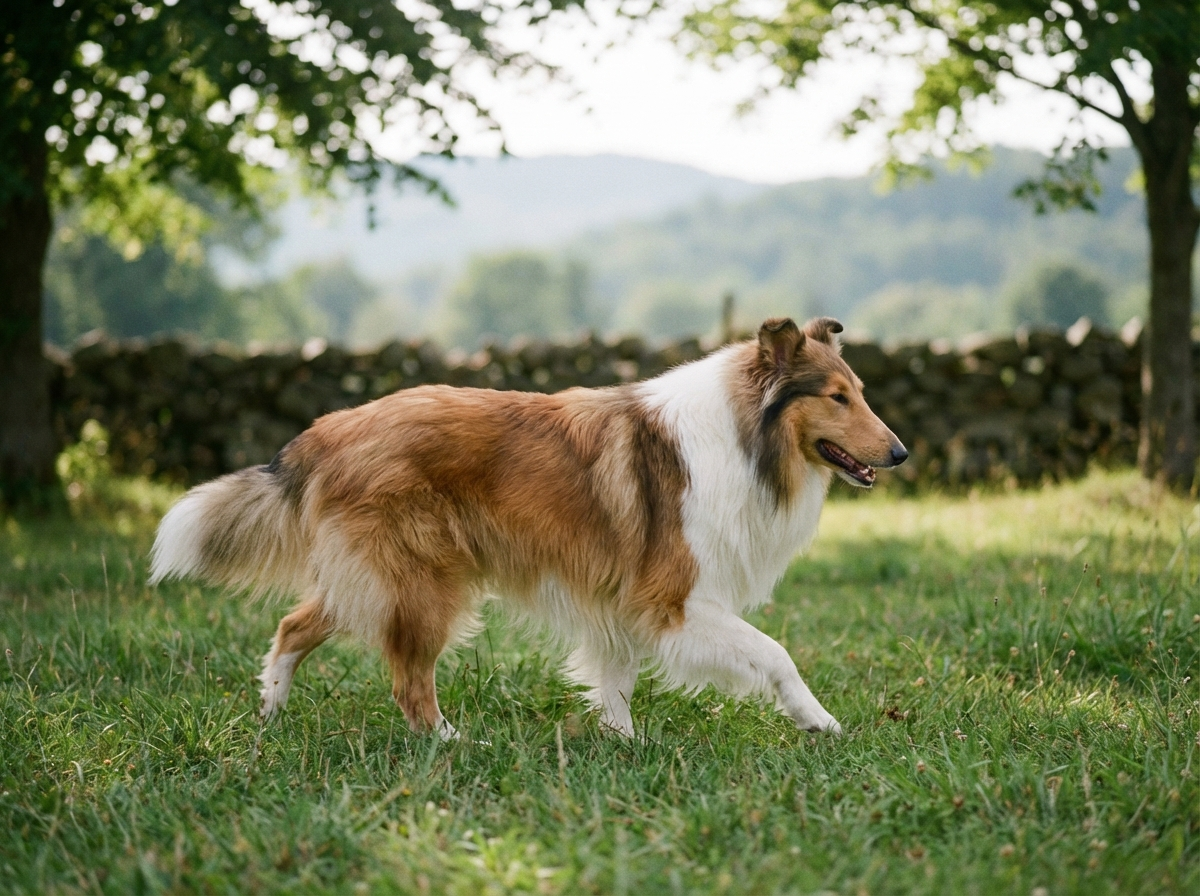
Sarah, a busy nurse in Seattle, noticed her Collie, Bella, scratching constantly and developing skin infections. After a vet visit, they discovered Bella had environmental and food allergies. Sarah committed to a strict diet and regular cleaning routines at home. Over a few months, Bella's condition improved significantly, allowing her to enjoy daily walks and playtime without discomfort.
Key takeaway: Identifying and managing your Collie's allergies requires patience and commitment, but the relief it brings to both you and your dog is worth the effort.
Collie (Rough Collie) allergies can stem from food, environmental factors, or even genetic predispositions. Common allergens include pollen, dust mites, certain foods, and flea bites. Identifying the specific allergen may require observation and consultation with your vet.
To manage Collie (Rough Collie) allergies, start with a vet-recommended diet to rule out food allergies. Regular grooming and bathing can reduce skin irritations and allergens in the coat. In some cases, medication or allergy shots may be necessary.
Signs of allergies in Collies include excessive scratching, red or inflamed skin, ear infections, and gastrointestinal upset. If your Collie is frequently licking their paws or shaking their head, it may be a sign of allergies. Keeping a log of symptoms can help your vet identify triggers.
Some home remedies for Collie (Rough Collie) allergies include using hypoallergenic shampoos and maintaining a clean living environment. However, severe cases often need veterinary intervention to ensure the right treatment and prevent complications.
Common food allergens for Collies include beef, chicken, dairy, and wheat. A vet can help you create an elimination diet to identify any specific food triggers. Always introduce new foods gradually to monitor for reactions.
Common signs of allergies in Collies include excessive itching, redness of the skin, and ear infections. You might also notice sneezing or watery eyes. If your Collie is displaying any of these symptoms, it's best to consult a vet.
Yes, allergies can worsen as Collies age. Their immune system changes, which may make them more sensitive to allergens. Regular vet check-ups can help manage these changes effectively.
If your Collie shows signs of a severe allergic reaction, such as swelling or difficulty breathing, seek emergency vet care immediately. Quick intervention is crucial to ensure their safety.
To determine if your Collie's allergies are food-related, try an elimination diet under your vet's guidance. This involves removing common allergens and slowly reintroducing them to see if any trigger a reaction.
While all dogs can be affected by various allergens, Collies may be more sensitive to certain environmental factors like pollen or dust mites. Regular cleaning and avoiding known allergens can help manage their symptoms.
Keep your home clean to reduce allergens, and consider regular vet check-ups for skin and ear issues.
Bathing your Collie every 4 to 6 weeks can help keep allergens at bay and soothe irritated skin.
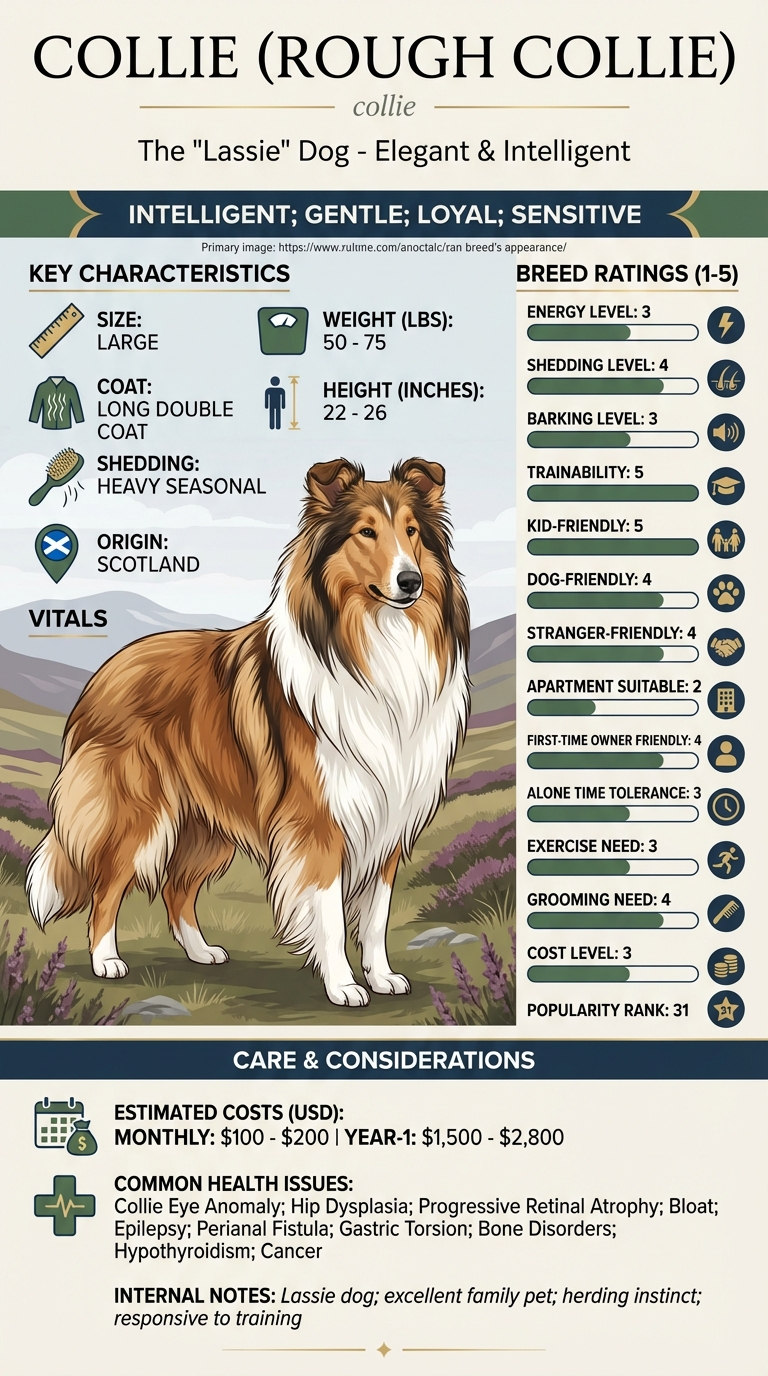
Treating Collie allergies can range from $100 to $200 monthly, depending on medications and vet visits.
While some over-the-counter medications can be safe, always consult your vet before administering any treatment.