DogBreedCompass
← Back to breed profile

Cocker Spaniel Intervertebral Disc Disease (IVDD)

Cocker Spaniel intervertebral disc disease (IVDD) can be a serious health concern that affects your dog’s mobility and quality of life.

Cocker Spaniel Intervertebral Disc Disease (IVDD) infographic

Typically, owners of Cocker Spaniels, especially those with older dogs or dogs that are overweight, may face this issue. Busy pet parents might overlook early signs of discomfort, leading to more significant challenges down the road.

Important reminder

This guide is not medical advice. If your dog shows pain, sudden behavior change, or worsening symptoms, consult a licensed veterinarian.

Some links may be affiliate links. We may earn a commission at no extra cost to you. We only suggest products we believe are helpful for dog owners.

What this problem looks like

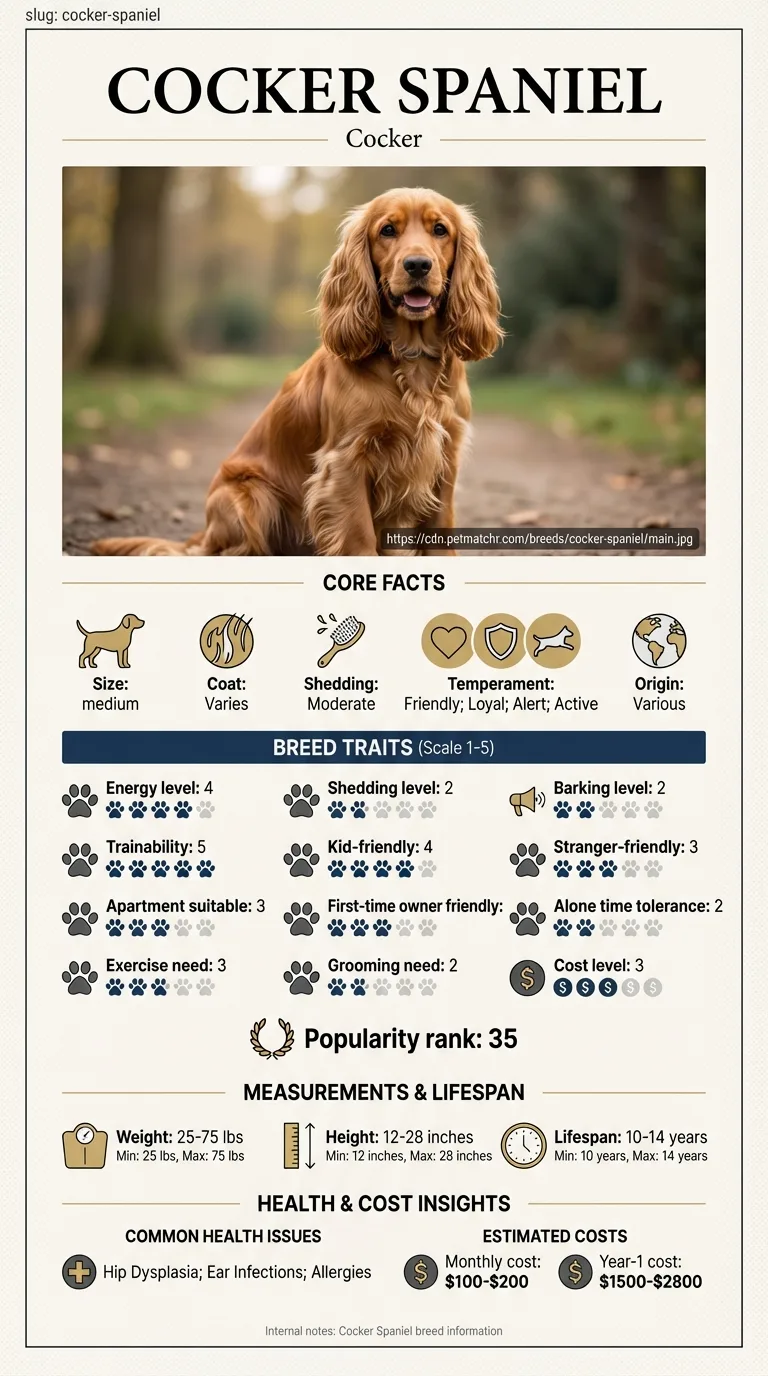
Cocker Spaniel intervertebral disc disease (IVDD) can cause significant discomfort and mobility issues. This condition usually presents as back pain, difficulty walking, or reluctance to jump. Owners may notice their Cocker Spaniel being less active or showing signs of distress when moving.

Common triggers

  • Excessive jumping or rough play
  • Obesity leading to increased strain on the spine
  • Injury from falls or sudden movements

IVDD is relatively common in Cocker Spaniels, particularly in older dogs or those with a family history of back problems. Many owners report having to manage this condition at some point, so it's essential to be aware of the signs and seek veterinary advice early.

Why this happens

Breed factors

Cocker Spaniels are prone to intervertebral disc disease (IVDD) due to their medium size and specific genetic traits. Their long backs and short legs can place extra stress on their spine, increasing the risk of disc problems. Additionally, certain lines may have a hereditary predisposition to this condition.

Environment factors

Environmental factors can also contribute to IVDD. Activities like jumping off furniture, rough play, or obesity can exacerbate spine issues. Ensuring a safe, controlled environment can help reduce these risks.

What you can try

At-home strategies

  • Limit jumping: Use ramps or steps to help your Cocker get on and off furniture safely.
  • Encourage gentle exercise: Short walks and controlled playtime can strengthen muscles without straining the back.
  • Manage weight: Keep your Cocker at a healthy weight to reduce stress on the spine. Monitor their diet and consider low-calorie treats.

When to consider a trainer

If your Cocker is showing signs of discomfort or if you need help with controlled exercise, consider consulting a professional trainer. Look for someone experienced with IVDD or spinal issues who can provide tailored exercise plans.

When to talk to your vet

If your Cocker shows symptoms like limping, difficulty walking, or signs of pain, it’s important to consult a vet. Early intervention can help manage IVDD and prevent further complications.

Realistic expectations

You can expect to see improvements within 6 to 12 weeks of consistent management and care.

Success means your Cocker Spaniel shows reduced pain, improved mobility, and a happier demeanor, allowing them to enjoy daily activities.

Mistakes that make this worse

Avoiding these common mistakes can help you manage your Cocker Spaniel's intervertebral disc disease (IVDD) more effectively.

  • Ignoring early signs of discomfort: If your Cocker shows signs of pain or reluctance to move, consult a vet immediately. Waiting can worsen the condition.
  • Overexerting your dog: While exercise is important, too much can strain their back. Stick to gentle walks and avoid jumping or running.
  • Neglecting weight management: An overweight Cocker Spaniel puts extra stress on their spine. Focus on a balanced diet to maintain a healthy weight.
  • Inconsistent training: Using different commands or training methods can confuse your dog. Consistency helps reduce anxiety and promotes better behavior.
  • Skipping vet check-ups: Regular vet visits are crucial for monitoring your dog's condition. Don’t wait for symptoms to worsen before seeking help.
  • Using improper harnesses: Collars can strain the neck and back. Opt for a supportive harness when walking your Cocker to reduce pressure on their spine.

When Cocker Spaniel Intervertebral Disc Disease (IVDD) is an Emergency

Recognizing when Cocker Spaniel intervertebral disc disease (IVDD) becomes an emergency is crucial for your dog's health. Immediate veterinary attention is necessary if you notice severe symptoms. These include sudden paralysis, inability to walk, or yelping in pain when handled. These red flags suggest a serious situation that requires prompt treatment.

On the other hand, if your Cocker is showing mild signs, such as slight limping or reluctance to jump, these may be monitored at home. It’s wise to create a management plan with your vet, which can include rest and pain relief methods. Keeping a close eye on your dog and noting any changes is key to deciding if you need further intervention.

If your Cocker's symptoms are worsening or if they show signs of distress, such as panting or excessive whining, it’s time to call your vet. Your dog's comfort and well-being should always be your top priority, so don’t hesitate to seek help if something feels off.

Cocker Spaniel Intervertebral Disc Disease (IVDD) - When Cocker Spaniel Intervertebral Disc Disease (IVDD) is an Emergency

A Journey to Recovery: Max's Fight Against IVDD

When Sarah adopted Max, her Cocker Spaniel, he was a bundle of energy. However, after a few months, Max started showing signs of discomfort and trouble jumping onto the couch. Concerned, Sarah took him to the vet, where they diagnosed him with intervertebral disc disease (IVDD). With the vet's guidance, she modified Max's exercise routine, incorporating gentle walks and avoiding high-impact activities. She also invested in a supportive dog bed and started a physical therapy program. After weeks of dedication and patience, Max regained his playful spirit, happily chasing after his toys again.

Key takeaway: Managing Cocker Spaniel intervertebral disc disease (IVDD) requires a commitment to regular care and lifestyle adjustments, but the results are worth it.

Frequently asked questions

Why does my Cocker Spaniel have intervertebral disc disease (ivdd)?

Cocker Spaniels can develop intervertebral disc disease (ivdd) due to their genetics, age, and overall health. This condition occurs when the discs between the vertebrae degenerate or herniate, leading to pain and mobility issues. Regular vet check-ups and monitoring their activity can help catch early signs. This answer relates to Cocker Spaniel intervertebral disc disease (ivdd).

How can I help my Cocker Spaniel with ivdd?

To assist your Cocker Spaniel with ivdd, provide a comfortable, supportive bed and limit high-impact activities like jumping. Work with your vet to develop a tailored treatment plan, which may include physical therapy and pain management strategies. Always follow your vet's advice on exercise and lifestyle modifications.

What are the signs of ivdd in Cocker Spaniels?

Common signs of ivdd in Cocker Spaniels include reluctance to move, yelping when picked up, and difficulty walking or standing. You may also notice muscle weakness or changes in their bathroom habits. If you observe these symptoms, consult your veterinarian as soon as possible.

Can training help my Cocker Spaniel with ivdd?

Yes, training can help your Cocker Spaniel manage ivdd. Focus on gentle training techniques that promote proper posture and movement. Avoid strenuous activities and consult a professional trainer familiar with ivdd to create a safe training plan.

What is the long-term outlook for Cocker Spaniels with ivdd?

The long-term outlook for Cocker Spaniels with ivdd varies based on the severity of the condition and treatment. Many dogs can lead a comfortable life with proper management, including medication and lifestyle adjustments. However, some may require surgery for severe cases.

What are the signs that my Cocker Spaniel has intervertebral disc disease (IVDD)?

Common signs of intervertebral disc disease (IVDD) in Cocker Spaniels include difficulty walking, reluctance to jump, or signs of pain when you touch their back. Look for changes in behavior, such as increased irritability or hiding, which may indicate discomfort.

Can intervertebral disc disease (IVDD) occur in older Cocker Spaniels?

Yes, older Cocker Spaniels are more prone to intervertebral disc disease (IVDD). As they age, their discs can degenerate, increasing the risk of problems, so regular check-ups with a vet are important for early detection.

How can I manage my Cocker Spaniel's pain from intervertebral disc disease (IVDD)?

Managing pain from intervertebral disc disease (IVDD) often involves medications prescribed by your vet, physical therapy, and sometimes weight management. Ensuring a comfortable resting area and avoiding excessive physical activity can also help minimize discomfort.

Are there specific training methods to help a Cocker Spaniel with intervertebral disc disease (IVDD)?

Training methods for a Cocker Spaniel with intervertebral disc disease (IVDD) should focus on gentle exercises and positive reinforcement. Avoid high-impact activities, and consult with a trainer or vet about modifications suited to their condition.

When should I see a vet for my Cocker Spaniel's intervertebral disc disease (IVDD)?

You should see a vet if your Cocker Spaniel shows signs of severe pain, inability to move, or if symptoms worsen. Prompt veterinary care is essential to prevent further complications associated with intervertebral disc disease (IVDD).

Quick answers

View more answers
Behavior

What are quick tips for managing ivdd in Cocker Spaniels?

Limit jumping and rough play to reduce stress on your Cocker Spaniel's back. Provide a supportive bed and regular vet check-ups for monitoring. Maintain a healthy weight to ease pressure on their spine.

Costs

How much does treatment for ivdd cost?

Treatment for Cocker Spaniel intervertebral disc disease (ivdd) can range from $1,500 to $6,000 depending on severity. Costs may include diagnostics, medications, and possible surgery.

Training

What exercises are safe for Cocker Spaniels with ivdd?

Gentle leash walks and controlled play are typically safe for Cocker Spaniels with ivdd. Always consult your vet for specific exercises tailored to your dog's condition.

Related DogBreedCompass guides

  • Cocker Spaniel behavior problemsUnderstanding behavior issues can help with managing health problems.
  • Cocker Spaniel separation anxiety guideLearn about anxiety issues that can affect Cocker Spaniels.
  • Common health issues in Cocker SpanielsExplore common health issues in Cocker Spaniels for better care.
  • Cocker Spaniel training tipsGet tips on how to train your Cocker Spaniel effectively.
  • Cocker Spaniel yearly cost breakdownUnderstanding costs can help you prepare for IVDD management.

Related guides