What are quick tips for Cocker Spaniel cruciate ligament injuries?
Keep your Cocker active but avoid high-impact activities. Monitor their weight closely and consult your vet about joint supplements. Early detection of symptoms can lead to better outcomes.
Cocker Spaniel cruciate ligament injuries can be painful and frustrating for both dogs and their owners. These knee ligament ruptures are a common issue that can disrupt a dog's activity and happiness.
This problem often affects active families, dog owners who live in urban areas, or anyone who regularly exercises their Cocker Spaniel. Understanding how to manage and prevent these injuries is crucial for maintaining your dog's quality of life.
Important reminder
This guide is not medical advice. If your dog shows pain, sudden behavior change, or worsening symptoms, consult a licensed veterinarian.
Some links may be affiliate links. We may earn a commission at no extra cost to you. We only suggest products we believe are helpful for dog owners.
We research and check what we publish, but we do not warrant that any figure, date, price, or statement is accurate, complete, or current, and we accept no liability for any loss, cost, injury, or other harm arising from the use of this site. Use it as one reference among several. You remain responsible for your own decisions and for your dog's care - confirm anything that matters with a licensed veterinarian or another qualified professional before you act on it. Full disclaimer.
Check this first
When Cocker Spaniel Cruciate Ligament Injuries Are an Emergency
Emergency signs include sudden inability to bear weight on the affected leg, severe swelling around the knee, and signs of extreme pain, like whimpering or excessive licking of the area. If your Cocker shows these symptoms, do not wait—seek veterinary care immediately.
On the other hand, if your dog has mild limping that improves with rest, slight swelling without other symptoms, or a history of minor joint issues, you may choose to monitor them at home. Implementing a rest plan, keeping them calm, and avoiding strenuous activities can help.
In these mild cases, keep an eye on their behavior and consult your vet if the situation worsens or doesn't improve in a few days. Providing your Cocker Spaniel with a comfortable space and gentle support can also aid their recovery. Knowing when to act can make a big difference in how quickly your dog recovers from injuries.
If any of these apply, call your vet or an emergency clinic now. The rest of this page is for the cases that are not an emergency.
What this problem looks like
Cocker Spaniel cruciate ligament injuries are a common and painful issue for this breed. These injuries occur when the knee ligament ruptures, leading to limping, swelling, and difficulty in walking. If your Cocker seems to be favoring a leg or is reluctant to play, a cruciate ligament injury could be the culprit.
Common triggers
A sudden twist or turn during play
Excessive jumping or running on hard surfaces
Being overweight, which increases strain on joints
Cruciate ligament injuries are relatively common in Cocker Spaniels, especially as they age or if they lead a very active lifestyle without proper conditioning.
Why this happens
Breed factors
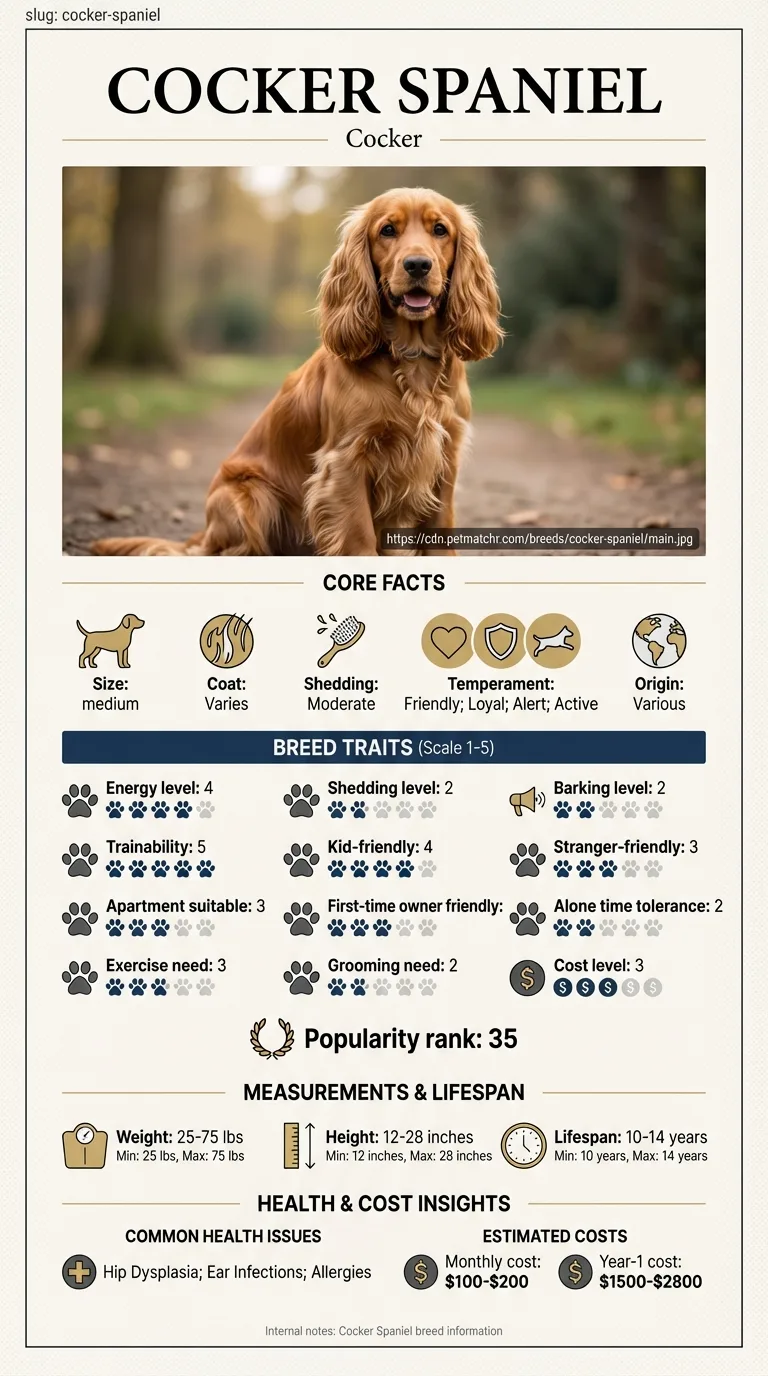
Cocker Spaniels, being medium-sized dogs, are prone to cruciate ligament injuries due to their body structure. Their energetic nature can lead to high-impact activities that strain the knees. Additionally, this breed can be more susceptible to certain genetic factors that predispose them to joint issues.
Environment factors
Environmental factors play a significant role as well. Slippery floors or uneven surfaces can increase the risk of injury. Moreover, a lack of proper exercise or over-exertion during play can contribute to ligament stress and potential injuries.
What you can do at home (once it is not an emergency)
When to talk to your vet
If you notice persistent limping, swelling, or reluctance to move, it's essential to talk to your vet. They can assess the situation and recommend further treatment or preventive strategies to protect your dog's joints.
At home, alongside your vet's plan
Provide a stable environment by using non-slip mats on floors to prevent accidents.
Limit high-impact activities like jumping or running on hard surfaces, especially on slippery floors.
Incorporate gentle exercises like swimming or walking on soft ground to strengthen muscles without putting too much strain on the joints.
Mistakes that make Cruciate Ligament Injuries worse
Avoiding these common mistakes can help you manage Cocker Spaniel cruciate ligament injuries more effectively.
Ignoring early signs of pain: If your Cocker is limping or reluctant to play, don’t brush it off. Consult a vet early to prevent further injury.
Over-exercising after an injury: While exercise is important, pushing your dog too hard post-injury can worsen the situation. Focus on gentle activities and follow your vet’s guidelines.
Neglecting weight management: Excess weight puts extra strain on your Cocker's joints. Ensure a balanced diet and regular exercise to support a healthy weight.
Skipping physical therapy: Some owners think physical therapy is unnecessary. It can significantly aid recovery and help strengthen weak muscles around the knee.
Using harsh training methods: If your Cocker is anxious or reluctant, harsh training can increase stress. Use positive reinforcement to encourage desired behaviors.
Failing to provide a safe environment: If you have slippery floors or sharp corners, consider making adjustments. A safe home can prevent falls that might lead to injuries.
Not using joint supplements: Some owners overlook joint health. Supplements like glucosamine can support joint health and help prevent future injuries.
Addressing Cocker Spaniel cruciate ligament injuries can take several weeks to months, depending on the severity of the injury and the treatment plan. Consistent care and rehabilitation efforts will be essential during this time.
Success looks like your Cocker Spaniel regaining strength and mobility in the affected leg, along with a decrease in pain. Your dog should be able to return to regular activities, such as walking and playing, without limping.
Emma's Journey with Bella's Injury
Emma, a busy nurse in Seattle, noticed her Cocker Spaniel, Bella, limping after a game of fetch. Concerned, she took Bella to the vet, who diagnosed her with a cruciate ligament injury. Emma was overwhelmed but committed to Bella's recovery. She researched how to stop Cocker Spaniel cruciate ligament injuries and learned about physical therapy and training exercises. Emma created a strict rehabilitation schedule, including gentle walks and specific strength-training activities. Slowly, Bella regained her strength, and within three months, she was back to her playful self. Emma felt relieved and proud of their hard work.
Key takeaway: With dedication and the right support, you can help your dog recover from Cocker Spaniel cruciate ligament injuries and get back to a normal, active life.
Frequently asked questions
Why does my Cocker Spaniel have cruciate ligament injuries?
Cocker Spaniel cruciate ligament injuries often occur due to a combination of genetics, age, and activity level. This breed is medium-sized and active, which can put stress on their knee joints. Regular vet check-ups can help identify any predispositions early.
How can I prevent Cocker Spaniel cruciate ligament injuries?
To stop Cocker Spaniel cruciate ligament injuries, ensure your dog maintains a healthy weight. Limit high-impact activities, especially on hard surfaces, and incorporate joint supplements as recommended by your vet. Regular exercise is important, but keep it low-impact.
What are the signs of cruciate ligament injuries in Cocker Spaniels?
Common signs include limping, reluctance to jump or run, and swelling around the knee. If your Cocker seems to be in pain or is favoring a leg, it's best to consult your vet for a proper diagnosis. Early intervention can prevent further injury.
What is the treatment for Cocker Spaniel cruciate ligament injuries?
Treatment options vary and may include rest, anti-inflammatory medications, or surgery for more severe cases. Your vet will recommend the best course of action based on the severity of the injury. Post-surgery rehabilitation is also important for recovery.
How long does recovery take for Cocker Spaniel cruciate ligament injuries?
Recovery time can range from a few weeks to several months, depending on the severity of the injury and treatment. After surgery, follow your vet's guidelines for physical therapy and gradual return to normal activity. Patience is key during this time.
Can Cocker Spaniels recover from cruciate ligament injuries without surgery?
Yes, some Cocker Spaniels may recover from cruciate ligament injuries with rest, physical therapy, and weight management. However, this approach depends on the severity of the injury, and a vet's guidance is crucial.
Are older Cocker Spaniels more prone to cruciate ligament injuries?
Yes, older Cocker Spaniels are often more susceptible to cruciate ligament injuries due to age-related wear and tear on their joints. Regular check-ups with your vet can help monitor their joint health.
When should I take my Cocker Spaniel to the vet for knee issues?
If your Cocker Spaniel shows persistent limping, pain, or swelling in the knee, it's important to consult a vet. Early diagnosis can lead to better treatment outcomes and help prevent further injuries.
What are quick tips for Cocker Spaniel cruciate ligament injuries?
Keep your Cocker active but avoid high-impact activities. Monitor their weight closely and consult your vet about joint supplements. Early detection of symptoms can lead to better outcomes.
Health
How can I recognize if my Cocker has a knee injury?
Look for signs like limping, difficulty rising, or swelling around the knee. If they seem to avoid using a leg, it's time to see the vet.
Health
Is surgery always needed for cruciate ligament injuries?
Not always. Many Cocker Spaniel cruciate ligament injuries can be managed with rest and medication. Surgery is usually considered for severe cases.
Living
What can I do to help my Cocker during recovery?
Provide a quiet, comfortable space and follow your vet's guidelines on activity levels. Gentle, short walks can help during the recovery process.
A fuller vet-visit kit for Cocker Spaniel Cruciate Ligament Injuries
The free prep sheet covers the same-day warning signs, a symptom log and the questions to ask. We are considering a fuller kit that adds a cost worksheet for the usual tests and treatments (US price ranges with their sources) and a plain-English guide to ways of covering the bill. It is not built yet; this list tells us whether it is worth building.
One email, no spam, unsubscribe anytime. Information only, not veterinary advice.