Behavior
What are some quick tips for Cavalier King Charles Spaniel luxating patellas?
Ensure your Cavalier maintains a healthy weight and avoid high-impact activities. Regular vet check-ups are crucial for managing their joint health.
Cavalier King Charles Spaniel luxating patellas can lead to painful knee issues for your dog. This condition occurs when the kneecap dislocates, affecting their mobility.
New and experienced Cavalier owners alike may struggle with luxating patellas. Those living in apartments or busy households might find it particularly challenging to provide the needed care and attention for their dog’s health.
This guide is not medical advice. If your dog shows pain, sudden behavior change, or worsening symptoms, consult a licensed veterinarian.
Some links may be affiliate links. We may earn a commission at no extra cost to you. We only suggest products we believe are helpful for dog owners.
Cavalier King Charles Spaniel luxating patellas, or knee cap dislocation, is a common issue for this breed. It typically manifests as your dog favoring one leg, limping, or sudden halts while walking. This can lead to discomfort and may require careful management to keep your pup happy and active.
Luxating patellas are particularly prevalent in Cavalier King Charles Spaniels, with estimates suggesting that up to 30% of this breed may experience some degree of this condition. Regular vet check-ups can help in early detection and management.
Cavalier King Charles Spaniels are prone to luxating patellas due to their genetic makeup. Their small size and specific bone structure can contribute to knee cap dislocation. This breed often has weaker ligaments, making them more susceptible to this issue.
Environmental factors can also play a role in luxating patellas. Activities that involve jumping or running on hard surfaces can strain their knees. Additionally, excess weight can increase stress on their joints, worsening the condition.
If your Cavalier shows signs of discomfort or difficulty moving, consider consulting a professional trainer. They can provide tailored exercises and training techniques that promote joint health without putting stress on the knees.
Reach out to your vet if your Cavalier displays persistent limping or difficulty while walking. They can assess the severity of the luxating patellas and recommend treatments, such as physical therapy or surgery, if necessary.
You can expect to see improvements in your Cavalier King Charles Spaniel's comfort and mobility within a few weeks to a few months after implementing a consistent training and care routine.
Success means your Cavalier can move comfortably without frequent dislocations, enjoys regular walks, and participates in play without obvious pain.
Avoiding common mistakes can help your Cavalier King Charles Spaniel manage luxating patellas more effectively. Here are some behaviors to watch out for.
Recognizing when your Cavalier King Charles Spaniel's luxating patellas are an emergency can save your pet from pain or further injury. If your dog suddenly cries out in pain, refuses to use a leg, or has visible swelling around the knee, these are red flags. Immediate veterinary attention is needed if you notice these symptoms, as they could indicate a severe dislocation or injury requiring urgent care.
In contrast, if your Cavalier occasionally shows mild limping or seems to be shifting weight among their legs without obvious signs of distress, you can likely monitor the situation. Keeping a close eye on their activity level and comfort is essential. Consider making adjustments to their exercise routine, such as shorter walks or gentle play, while tracking any changes in their behavior.
If your dog is able to walk normally and doesn’t display signs of extreme pain, you can wait to see if the symptoms improve. However, it's best to consult with your vet to determine the right course of action. Regular check-ups can help manage luxating patellas effectively and prevent emergencies from arising.
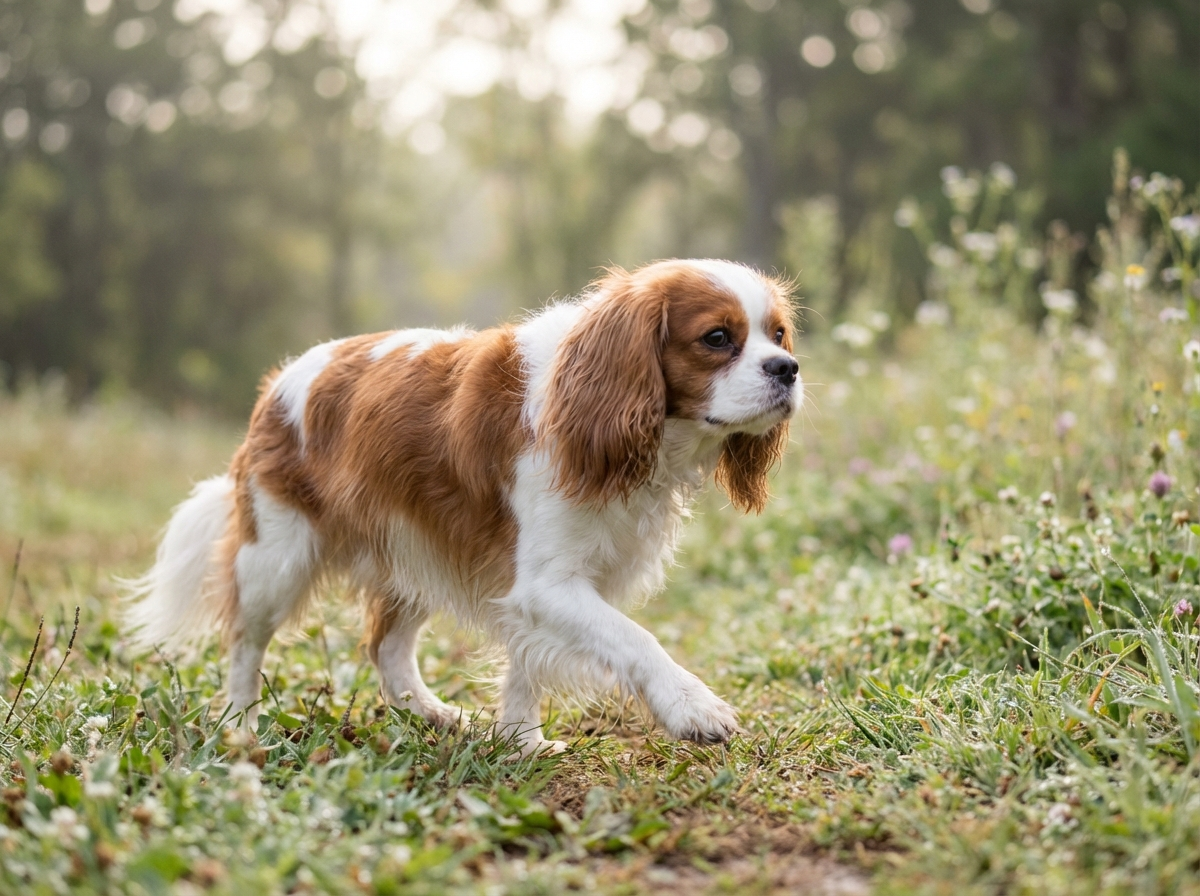
Sarah, a first-time dog owner in Seattle, noticed her Cavalier King Charles Spaniel, Maggie, frequently limping after playtime. After a vet visit confirmed luxating patellas, Sarah felt overwhelmed. She researched how to stop Cavalier King Charles Spaniel luxating patellas and started a training regimen focused on strengthening Maggie's leg muscles. With patience, Sarah integrated gentle exercises and adjusted Maggie's play to avoid risks. Within two months, Maggie was more active, and her dislocations became less frequent.
Key takeaway: With the right training and care, you can help your Cavalier King Charles Spaniel manage luxating patellas and lead a happier, more active life.
Cavalier King Charles Spaniels are genetically prone to luxating patellas due to their small size and bone structure. This condition occurs when the knee cap dislocates or moves out of its normal position. Regular vet check-ups are essential to monitor your dog's joint health.
To help your Cavalier, ensure they maintain a healthy weight to reduce stress on their joints. Gentle exercises can strengthen the muscles around the knee. Consult your vet for tailored training and treatment options.
Look for signs like limping, difficulty standing, or unusual leg positions. Your dog may also seem reluctant to jump or run. If you notice any of these symptoms, consult your vet promptly.
In some cases, mild luxating patellas can be managed with weight control, physical therapy, and anti-inflammatory medications. However, if the condition is severe, surgery may be necessary for a full recovery. Always discuss treatment options with your vet.
Preventing luxating patellas includes maintaining a healthy weight, providing low-impact exercise, and avoiding activities that put excessive strain on their knees. Regular vet visits can also help catch any issues early.
Training should focus on gentle exercises that strengthen the legs without overexertion. Avoid jumping or running on hard surfaces. Incorporating obedience training can also help your dog feel more confident and secure.
Luxating patellas in Cavalier King Charles Spaniels can be caused by genetic factors, uneven leg bone growth, or improper muscle development. This condition often leads to the knee cap dislocating from its normal position, causing pain and mobility issues.
You can help your Cavalier by maintaining a healthy weight and providing low-impact exercises. Regular vet check-ups are crucial to monitor the condition and discuss potential treatments like physical therapy or surgery if needed.
While luxating patellas can develop at any age, signs often appear in puppies as early as six months. If your Cavalier shows difficulty in walking or seems to limp, consult your vet for an evaluation.
Yes, older Cavalier King Charles Spaniels can develop luxating patellas due to wear and tear on their joints. It’s important to be vigilant about any changes in their movement and seek veterinary advice promptly.
You can identify luxating patellas by watching for symptoms like limping, difficulty jumping, or sudden changes in their walking pattern. If you notice these signs, it’s best to consult your vet for a thorough examination.
Ensure your Cavalier maintains a healthy weight and avoid high-impact activities. Regular vet check-ups are crucial for managing their joint health.
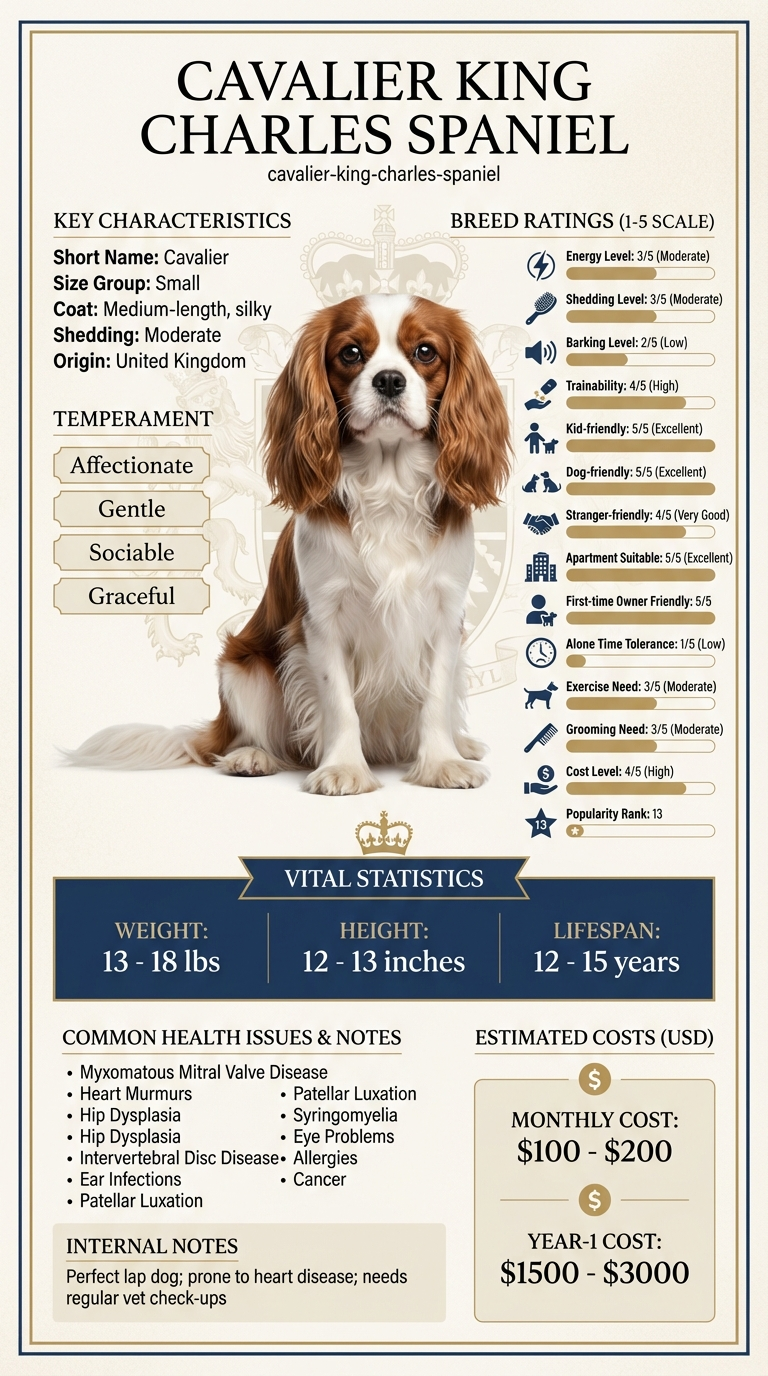
Treatment costs can vary significantly. Expect to pay anywhere from $100 to $200 monthly for management, with surgery possibly costing $1,500 to $3,000.
Yes, luxating patellas can lead to arthritis or joint pain if left untreated. Regular vet care is essential to prevent further complications.