Behavior
What are quick tips for managing Cane Corso obesity?
Start by measuring food portions and reducing treats. Incorporate daily exercise routines to keep them active. Regular vet check-ups can help track their weight loss progress.

Quick answer
What are quick tips for managing Cane Corso obesity?
Start by measuring food portions and reducing treats. Incorporate daily exercise routines to keep them active. Regular vet check-ups can help track their weight loss progress.
Cane Corso obesity is a serious concern for many owners. It can lead to significant health problems and a shorter lifespan.
New Cane Corso owners or those with busy lifestyles often struggle with obesity in their dogs. They may not realize how much exercise and proper nutrition this breed requires.
This guide is not medical advice. If your dog shows pain, sudden behavior change, or worsening symptoms, consult a licensed veterinarian.
Some links may be affiliate links. We may earn a commission at no extra cost to you. We only suggest products we believe are helpful for dog owners.
We research and check what we publish, but we do not warrant that any figure, date, price, or statement is accurate, complete, or current, and we accept no liability for any loss, cost, injury, or other harm arising from the use of this site. Use it as one reference among several. You remain responsible for your own decisions and for your dog's care - confirm anything that matters with a licensed veterinarian or another qualified professional before you act on it. Full disclaimer.
Check this first
Understanding when Cane Corso obesity becomes an emergency can save your dog's life. There are clear signs that indicate immediate veterinary attention is necessary, while other cases may be managed with a watchful eye. Knowing the difference is crucial for your dog's health.
Red-Flag Signs to Call Your Vet Immediately: - Severe lethargy or inability to move. - Difficulty breathing or panting excessively. - Vomiting or diarrhea that lasts more than 24 hours. - Swollen abdomen, which could indicate serious health issues. - Signs of pain, such as whimpering or reluctance to be touched.
These symptoms suggest that your Cane Corso may be facing a serious health crisis. Don't wait; reach out to your vet as soon as possible.
Mild Cases to Monitor: - Slightly increased weight without other concerning symptoms. - Occasional lethargy that resolves with light activity. - Mild changes in appetite or food preferences. - Slight difficulty in movement but no severe signs.
In these situations, it's important to create a plan. Adjust their diet and increase exercise gradually. Regular weigh-ins can help you track progress. If conditions worsen or new symptoms develop, consult your vet.
Being proactive about your Cane Corso's weight is essential. When in doubt, err on the side of caution. It’s always better to be safe and get your furry friend checked out when something feels off.
If any of these apply, call your vet or an emergency clinic now. The rest of this page is for the cases that are not an emergency.
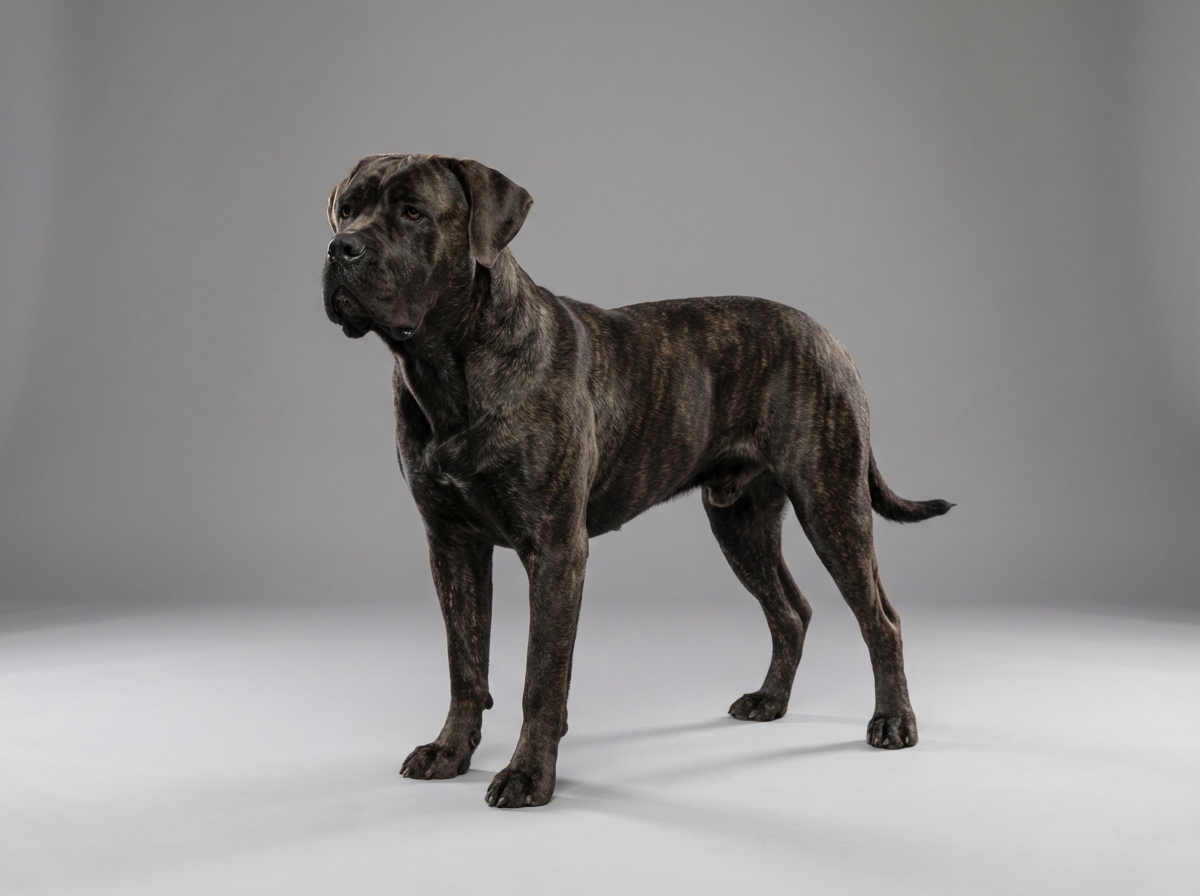
Cane Corso obesity is a growing concern for many owners. This breed, known for its large size and muscular build, can easily gain weight if not properly managed. Daily life with an overweight Cane Corso may include noticeable lethargy, difficulty in movement, and a higher risk of health issues.
Obesity is quite common among Cane Corsos, especially in less active households. Many owners may not realize their dog is overweight until it becomes a serious health concern.
Cane Corsos are large dogs with a strong build, which can make them prone to gaining weight if not managed properly. Their natural inclination towards being protective and loyal might lead to less exercise if they feel secure at home. Additionally, their energy levels are high, but they require regular, structured exercise to stay fit.
Obesity in Cane Corsos often stems from environmental factors, such as overfeeding and lack of physical activity. Many owners might not recognize the importance of portion control or the need for daily exercise. Lifestyle changes, like a more sedentary routine at home, can also contribute to weight gain.
Consult your vet if your Cane Corso shows significant weight gain, lethargy, or changes in behavior. They can rule out underlying health issues and recommend a balanced diet or weight loss plan tailored to your dog's needs.
Here are some common mistakes that can worsen Cane Corso obesity and what you can do instead.
Start here: Cane Corso Most Common Genetic Disorders: What to Screen For
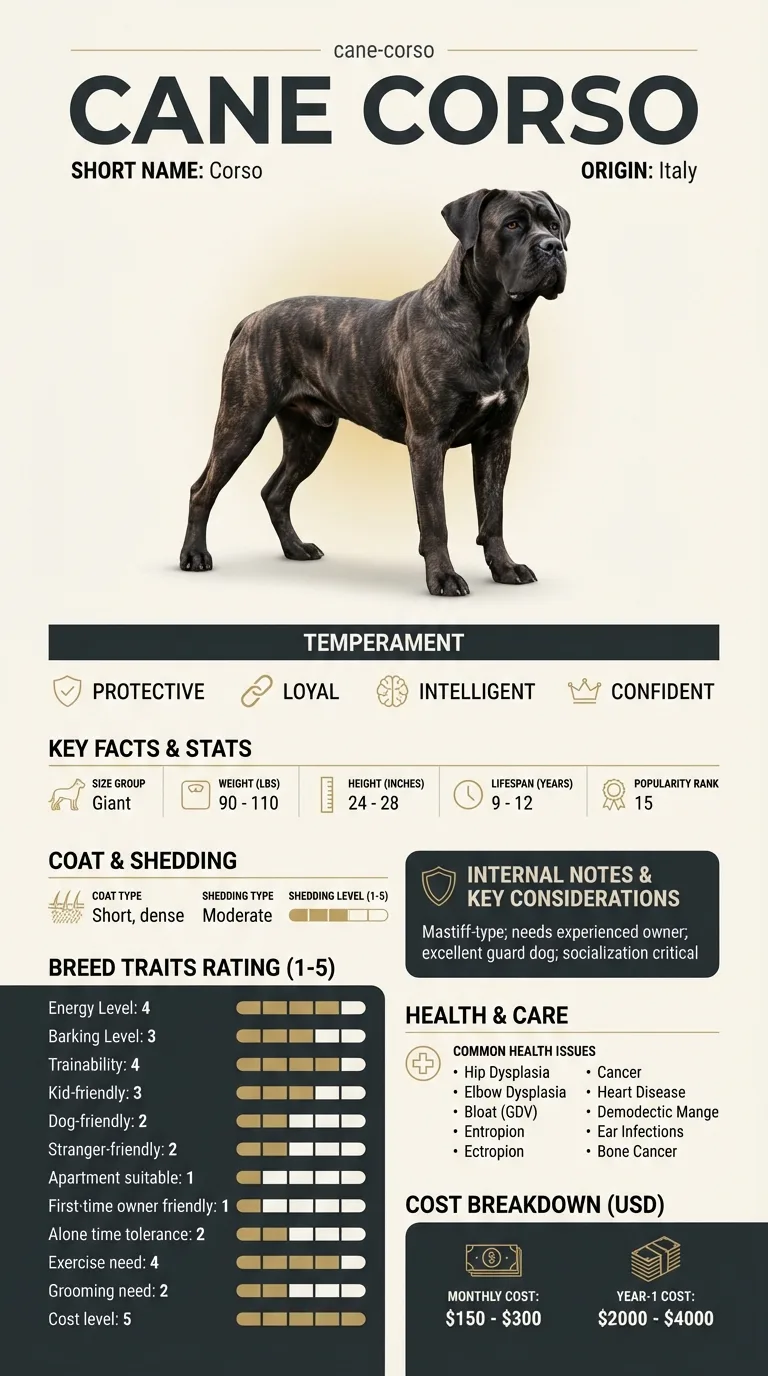
See all Cane Corso health problems, which breeds are prone to obesity, or the full Cane Corso breed guide for temperament, exercise needs and ownership costs.
Achieving a healthy weight for your Cane Corso can take 3 to 6 months, depending on their current weight and your consistency with the plan.
Success looks like your Cane Corso gradually losing weight through a balanced diet and regular exercise. You’ll notice increased energy, improved mobility, and a happier demeanor.
Jessica, a busy mom from Texas, noticed her Cane Corso, Max, was gaining weight. At 120 pounds, he struggled to keep up during walks and often seemed lethargic. Concerned for his health, she researched how to stop Cane Corso obesity. Jessica started by consulting her vet, who recommended a tailored diet and a gradual increase in exercise. She began taking Max on daily walks and included playtime with his favorite toys. After five months, Max lost 15 pounds and was much more active. Their bond grew stronger through this journey, and Jessica felt relieved seeing Max healthier and happier.
Key takeaway: With dedication and the right approach, managing your Cane Corso's weight is achievable. Consistent exercise and a proper diet can lead to significant health improvements.
Cane Corso obesity often results from a combination of overfeeding, lack of exercise, and genetic predisposition. Large breeds like the Cane Corso need a balanced diet and regular activity to maintain a healthy weight. If you notice your dog gaining weight, consider adjusting their diet and increasing their exercise.
To stop Cane Corso obesity, begin by consulting your vet about a suitable diet plan. Gradually reduce their food intake, focusing on high-quality, low-calorie options. Incorporate daily exercise, aiming for at least 1 hour of activity such as walking, playing, or training to help them shed pounds.
Training a Cane Corso with obesity involves positive reinforcement techniques and setting realistic goals. Start with short training sessions to avoid overwhelming them and gradually increase intensity as they lose weight. Regular commands can also include activities that encourage movement, like fetch.
Signs of obesity in a Cane Corso include a noticeable belly, difficulty in breathing, and lack of energy. You should also check for ribs that are hard to feel under their skin. If you notice these signs, it's time to reassess their diet and exercise routine.
Cane Corso obesity can lead to serious health issues such as joint problems, diabetes, and heart disease. Maintaining a healthy weight is crucial to prolong their lifespan and improve their overall quality of life. Regular vet check-ups can help monitor their weight and health status.
For older Cane Corsos, it's crucial to adjust their diet and exercise routine gently. Consult your vet for a tailored weight loss plan, which often includes lower-calorie food and short, regular walks to keep them active without overexertion.
If your Cane Corso is gaining weight despite regular exercise, it could be due to overfeeding or the wrong type of food. Additionally, some health issues may contribute to weight gain, so it's wise to consult your veterinarian for guidance.
Training is vital for managing Cane Corso obesity. Positive reinforcement training can encourage activity, while also helping to establish a routine for feeding and exercise. This not only aids in weight management but also strengthens your bond with your dog.
Yes, anxiety can lead to obesity in Cane Corsos by causing stress-eating or lethargy. If you suspect anxiety is a factor, consider exploring training solutions or consulting a professional for help with behavior management.
Start by measuring food portions and reducing treats. Incorporate daily exercise routines to keep them active. Regular vet check-ups can help track their weight loss progress.
Cane Corsos need at least 1 hour of exercise daily, including walks and playtime. Keeping them active helps prevent obesity and maintain their health.
Yes, a special diet that is lower in calories and high in nutrients can help manage Cane Corso obesity effectively. Consult your vet to find an appropriate diet plan.
A one-page prep sheet for this condition: the signs, the questions to ask, what to get priced. Unlocks here.
You get: Vet visit prep sheet
No spam. One-click unsubscribe. See our privacy policy.
Preview page 1 before you decide.