Health
What are some quick tips for Cane Corso liver shunts?
Monitor your Cane Corso for symptoms and consult your vet if you notice any issues. Keeping their diet clean and avoiding toxins can also help.

Quick answer
What are some quick tips for Cane Corso liver shunts?
Monitor your Cane Corso for symptoms and consult your vet if you notice any issues. Keeping their diet clean and avoiding toxins can also help.
Cane Corso liver shunts are a serious health issue that can affect your pet's well-being.
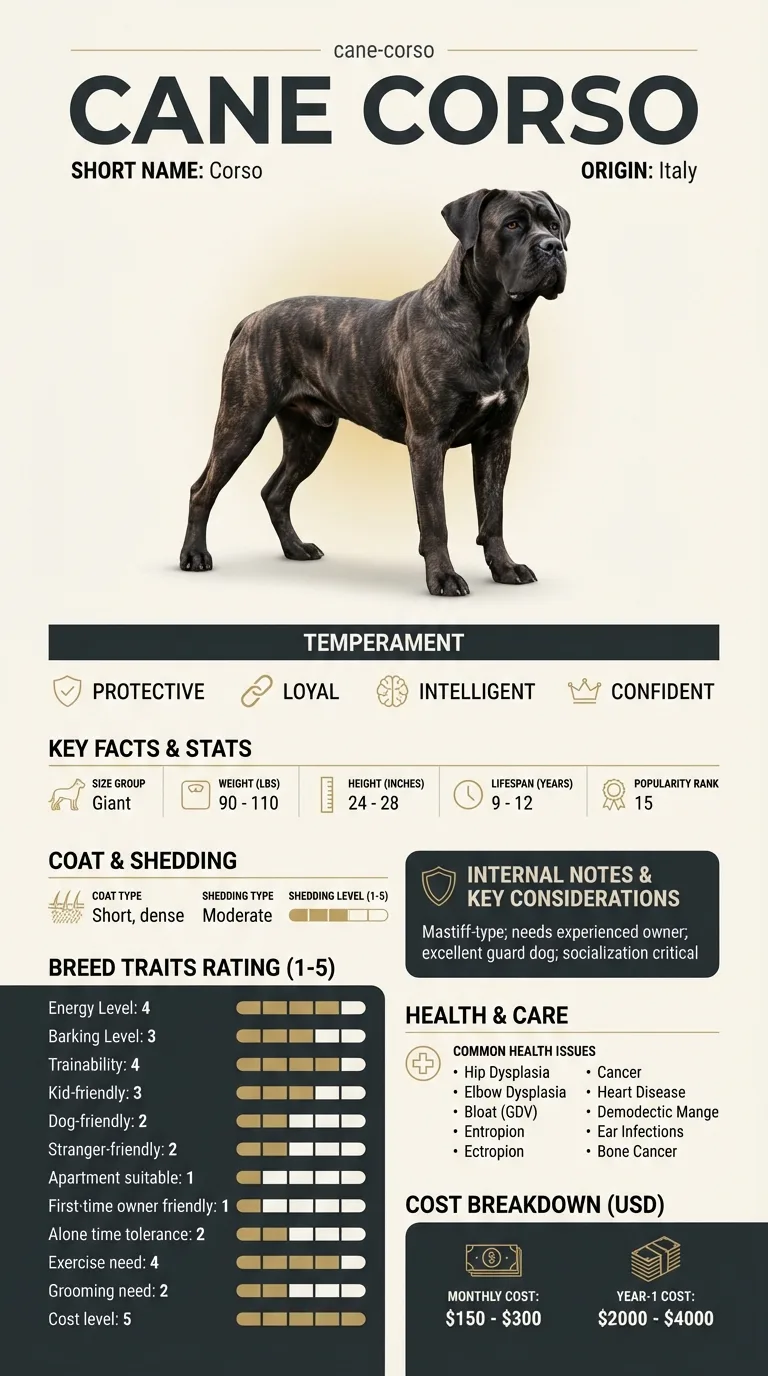
Owners of Cane Corsos, especially first-time dog parents or those unaware of the breed's specific health issues, often struggle with this problem. It's important to understand how to identify and manage liver shunts effectively.
This guide is not medical advice. If your dog shows pain, sudden behavior change, or worsening symptoms, consult a licensed veterinarian.
Some links may be affiliate links. We may earn a commission at no extra cost to you. We only suggest products we believe are helpful for dog owners.
We research and check what we publish, but we do not warrant that any figure, date, price, or statement is accurate, complete, or current, and we accept no liability for any loss, cost, injury, or other harm arising from the use of this site. Use it as one reference among several. You remain responsible for your own decisions and for your dog's care - confirm anything that matters with a licensed veterinarian or another qualified professional before you act on it. Full disclaimer.
Check this first
Understanding when Cane Corso liver shunts become an emergency is crucial for your dog's health. Certain symptoms signify that immediate veterinary care is necessary. If your Cane Corso exhibits these red-flag signs, you should call your vet right away.
Look for severe symptoms such as vomiting, lethargy, seizures, or difficulty breathing. Additionally, excessive drooling or noticeable abdominal swelling can indicate a serious problem. If your dog appears to be in pain or has a sudden change in behavior, don't hesitate to seek help.
On the other hand, some symptoms may not require immediate action but should still be monitored closely. Mild signs like occasional vomiting, slight lethargy, or decreased appetite may indicate potential issues but aren't necessarily emergencies. In these cases, create a watch-and-wait plan with your vet. Keeping a detailed log of your dog's symptoms can be incredibly useful for the vet when assessing the situation.
If any of these apply, call your vet or an emergency clinic now. The rest of this page is for the cases that are not an emergency.
Cane Corso liver shunts are serious health issues where blood bypasses the liver, leading to toxic buildup in the body. This condition can cause symptoms like vomiting, poor growth, and lethargy. Owners often notice these signs as their dog struggles with energy levels or has digestive problems.
Liver shunts are relatively common in Cane Corsos, especially among those with a family history of liver issues. While not every Corso will develop this problem, awareness and early detection are crucial.
Cane Corsos, like many large breeds, can be predisposed to liver shunts due to genetic factors. These abnormalities in the portal vein can affect how blood flows to the liver, often leading to health issues. Understanding this breed's specific health traits can help owners be more vigilant.
Environmental factors can also contribute to liver shunts in Cane Corsos. Poor diet, exposure to toxins, and lack of proper veterinary care can exacerbate underlying genetic predispositions. A nurturing environment that promotes health can help mitigate some risks.
If you suspect your Cane Corso may have liver shunts or if you notice symptoms like vomiting, diarrhea, or jaundice, contact your vet immediately. Regular check-ups are crucial to catch any issues early.
Avoiding certain behaviors can greatly improve your Cane Corso's condition. Here are common mistakes and safer alternatives to consider.
Start here: Cane Corso Most Common Genetic Disorders: What to Screen For
See all Cane Corso health problems, which breeds are prone to liver shunts, or the full Cane Corso breed guide for temperament, exercise needs and ownership costs.
Addressing Cane Corso liver shunts typically requires immediate veterinary attention, followed by a treatment plan that may take several weeks to months to see improvements. Regular check-ups will help monitor progress.
Success looks like your Cane Corso showing improved energy levels, better appetite, and a decrease in symptoms like vomiting or lethargy. Ongoing veterinary support is crucial to ensure a stable recovery.
When Sarah adopted Max, her Cane Corso, she noticed he was often lethargic and had a poor appetite. After a visit to the vet, she learned that Max had liver shunts, a serious condition that could affect his overall health. With her vet's guidance, Sarah implemented a strict diet and a medication routine. Over time, Max's energy improved, and he became more playful and engaged. It was a challenging journey, but their bond grew stronger through the process.
Key takeaway: With the right veterinary care and a proactive approach, it is possible to manage Cane Corso liver shunts effectively. Don't hesitate to seek professional help and stay committed to your dog's treatment plan.
Cane Corso liver shunts are abnormalities in the portal vein that can affect liver function. They can lead to serious health issues like stunted growth and neurological problems. Understanding the symptoms is crucial for early detection.
Symptoms of liver shunts in Cane Corsos include poor growth, lethargy, vomiting, and behavioral changes. If you notice these signs, it’s vital to get your dog to a vet immediately for tests and possible imaging.
While some cases require surgical intervention, managing your Cane Corso's diet and minimizing exposure to toxins can help. Regular vet check-ups are necessary to monitor liver health and catch any issues early.
Yes, treatment options include surgery to correct the shunt and medications to manage symptoms. Your vet will help determine the best course of action based on your dog's condition.
The long-term prognosis depends on the severity of the liver shunt and how quickly it is diagnosed. Many dogs can lead normal lives post-treatment, but ongoing care is essential.
Common symptoms of liver shunts in Cane Corsos include poor growth, lethargy, vomiting, and behavioral changes. You may also notice increased thirst and urination or seizures. If you observe any of these signs, it's essential to consult your vet.
Yes, liver shunts can be hereditary in Cane Corsos. Responsible breeders often screen for this condition to avoid passing it to their puppies. Always ask about health testing when considering a breeder.
Managing a Cane Corso with liver shunts at home involves providing a special diet and monitoring their behavior closely. It's important to follow your vet's recommendations on food and supplements to support liver function.
You should take your Cane Corso to the vet if you notice any concerning symptoms, such as persistent vomiting, lack of appetite, or unusual behavior. Early detection and treatment are key to managing liver shunts effectively.
Cane Corsos with liver shunts can live a normal life with proper management and veterinary care. Many dogs adapt well to diet changes and medication, allowing them to thrive despite the condition.
Monitor your Cane Corso for symptoms and consult your vet if you notice any issues. Keeping their diet clean and avoiding toxins can also help.
Focus on a low-protein diet and follow your vet's advice for medications and monitoring. Regular check-ups are key for managing their health.
While liver shunts can occur in any breed, they are not the most common issue for Cane Corsos. Regular vet visits can help catch any problems early.
Follow your vet's treatment plan closely, which may include dietary changes and medications. Surgery might be necessary in some cases.
A one-page prep sheet for this condition: the signs, the questions to ask, what to get priced. Unlocks here.
You get: Vet visit prep sheet
No spam. One-click unsubscribe. See our privacy policy.
Preview page 1 before you decide.