What are Cane Corso brachycephalic airway syndrome (boas) quick tips?
Keep your Cane Corso cool and avoid exercise on hot days. Monitor their weight and consult a vet for tailored care. Regular check-ups can help manage symptoms effectively.
Cane Corso brachycephalic airway syndrome (BOAS) can lead to serious breathing issues, especially in hot weather. It's crucial for owners to recognize and manage this condition to ensure their dog's well-being.

Owners of Cane Corsos, particularly first-time dog owners or those living in warmer climates, often find themselves grappling with this issue. Understanding the complexities of BOAS can be overwhelming for those not familiar with canine respiratory health.
This guide is not medical advice. If your dog shows pain, sudden behavior change, or worsening symptoms, consult a licensed veterinarian.
Some links may be affiliate links. We may earn a commission at no extra cost to you. We only suggest products we believe are helpful for dog owners.
Cane Corso brachycephalic airway syndrome (BOAS) can lead to significant breathing difficulties for these giant dogs. Commonly seen in breeds with short snouts, this condition may cause your Corso to snore, cough, or struggle for air, especially during exercise or in warm weather. Owners often notice their pets panting excessively or showing signs of distress.
Brachycephalic airway syndrome is relatively common in Cane Corsos due to their physical structure. While not every Corso will experience severe symptoms, many will face some level of breathing difficulty throughout their lives.
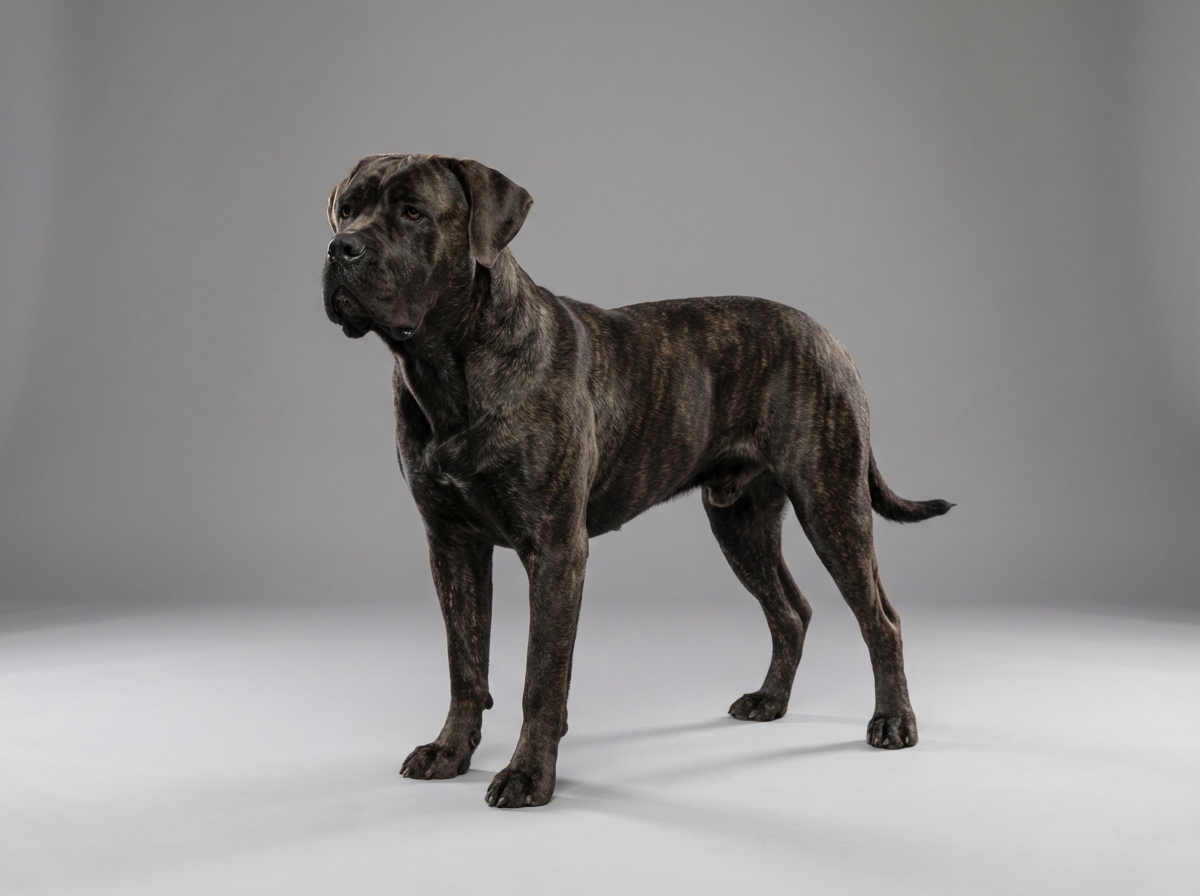
Cane Corsos are a giant breed with a brachycephalic skull shape. This means their shortened snouts can lead to breathing difficulties, especially during exercise or in hot weather. Additionally, they may have other anatomical concerns, like a narrow trachea, that contribute to airway issues.
Environmental factors can worsen Cane Corso brachycephalic airway syndrome (BOAS). High temperatures, humidity, and strenuous exercise can trigger breathing problems. Stressful situations, like crowded places or loud noises, can also increase anxiety and exacerbate their breathing difficulties.
If your Cane Corso shows signs of anxiety or aggression related to their breathing issues, consider consulting a professional trainer. They can provide strategies to help your dog feel more comfortable and confident in stressful situations.
If your Cane Corso's breathing worsens or if you notice persistent coughing, gagging, or lethargy, contact your vet. They can assess the severity of BOAS and recommend treatments, which may include surgeries in severe cases.
You can expect to see improvements in your Cane Corso's breathing within 4-8 weeks after implementing changes. Consistent training and management can lead to better quality of life over several months.
Success means your Cane Corso breathes more easily, especially during exercise and in warm weather. You'll notice fewer signs of distress and a happier, more active dog.
Avoiding these common mistakes can help manage your Cane Corso's brachycephalic airway syndrome (BOAS) more effectively.
Cane Corso brachycephalic airway syndrome (BOAS) can cause serious breathing issues. Knowing when to act fast is crucial for your dog's health. Here are the signs that mean you should call your vet immediately versus cases you can monitor at home.
Red-flag signs that indicate an emergency include severe difficulty breathing, persistent coughing, or gagging. If your Cane Corso collapses, is excessively lethargic, or has a bluish tint to their gums, you must seek veterinary attention right away. High temperatures can worsen their condition, so if your dog is panting heavily in a cool environment, don't wait.
On the other hand, mild cases of BOAS can often be managed with a plan. If your Cane Corso occasionally breathes noisily but does not show signs of distress, you can monitor the situation. Keeping track of their breathing patterns, ensuring they stay calm, and avoiding strenuous activities can help. If the symptoms worsen, reach out to your vet for advice.

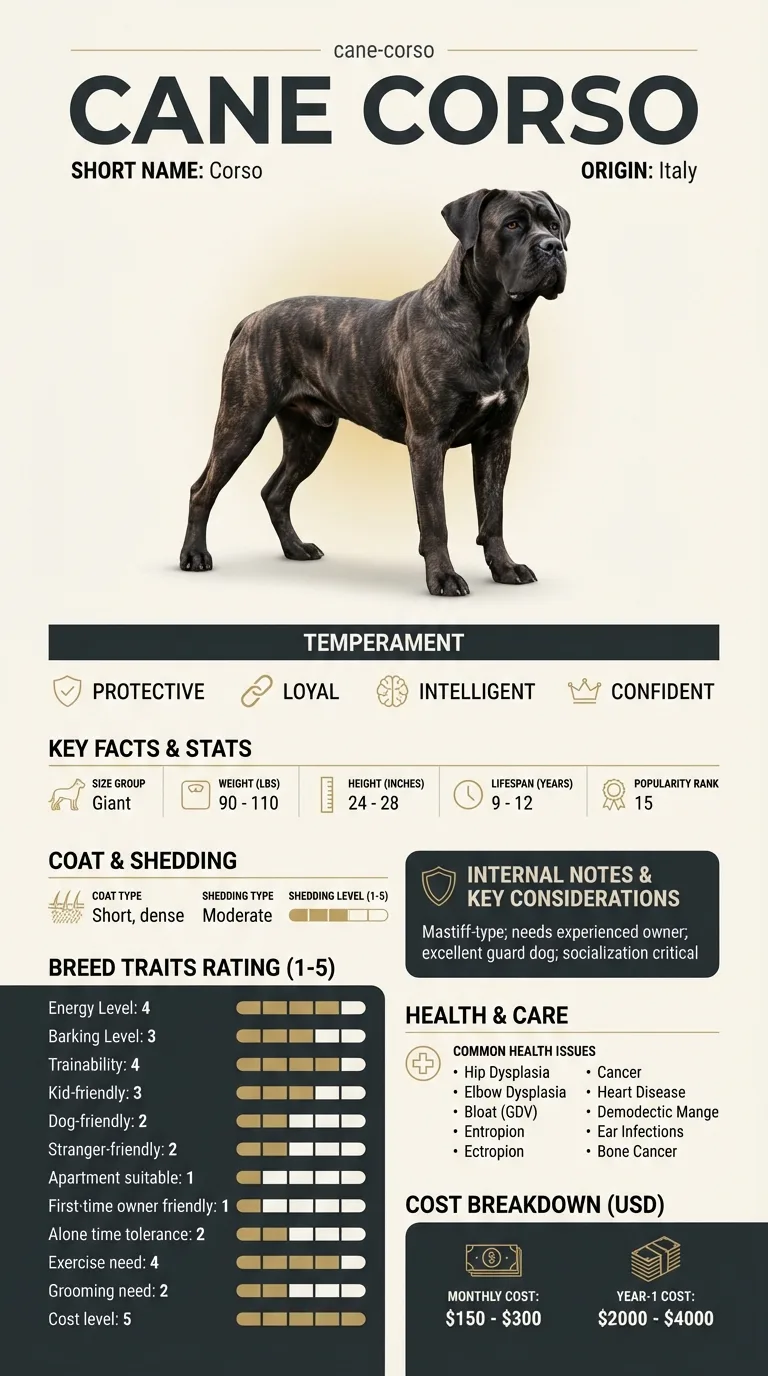
Emily, a first-time Cane Corso owner, noticed that her dog, Max, struggled to breathe, especially when playing outside. Worried about his health, she researched Cane Corso brachycephalic airway syndrome (boas) and learned about breathing exercises and environmental adjustments. After several weeks of training and avoiding heat exposure, Max showed significant improvement, enjoying longer walks and playtime without breathing issues.
Key takeaway: With patience and proper management, you can improve your Cane Corso's breathing issues and overall well-being.
Cane Corso brachycephalic airway syndrome (boas) is a condition that affects dogs with short muzzles, leading to breathing difficulties. This syndrome can cause issues like noisy breathing, snoring, and trouble exercising, especially in hot weather. It's essential to monitor your Corso for symptoms and consult a vet for proper management.
Brachycephalic airway syndrome in Cane Corsos is primarily due to their genetic structure, which includes a short muzzle and narrow nostrils. These physical traits can lead to obstructed airflow, causing breathing issues. Regular vet check-ups can help manage these concerns.
To help your Cane Corso, keep them in a cool environment and avoid strenuous exercise during hot weather. Weight management is also crucial, as excess weight can exacerbate breathing problems. Consult your vet for tailored advice and possible treatments.
Signs of this condition include heavy panting, loud snoring, and difficulty breathing during exertion. You may also notice your Cane Corso struggling to cool down after play. If these symptoms persist, it's important to see a vet.
In severe cases, surgery may be recommended to improve airflow and alleviate symptoms. Your vet will assess the severity of your Cane Corso's condition and discuss the best options. Regular check-ups can help determine the need for surgical intervention.
While you can't completely stop Cane Corso brachycephalic airway syndrome (boas), you can manage it effectively. Focus on maintaining a healthy weight, keeping them cool, and providing a stress-free environment. Regular vet visits will help monitor their condition.
Signs of Cane Corso brachycephalic airway syndrome (boas) can include noisy breathing, excessive panting, and difficulty exercising. You might also notice your dog struggling to breathe, especially in hot weather or after exertion. If you see these symptoms, it’s important to consult your vet.
Yes, older Cane Corsos can develop symptoms of brachycephalic airway syndrome (boas) as they age. Factors like weight gain, underlying health issues, or structural changes in their airways can contribute to this. Regular vet check-ups are essential to monitor their health.
To help your Cane Corso during hot weather, provide plenty of water and keep them indoors in a cool area. Avoid strenuous exercise during peak heat times, and consider using cooling mats or fans. Always watch for signs of overheating.
Yes, consider adjusting your Cane Corso's exercise routine to shorter, more frequent walks in cooler temperatures. You may also want to focus on weight management, as excess weight can worsen breathing issues. Training should be gentle and positive to avoid stress.
Consult your vet if you notice persistent breathing difficulties, frequent coughing, or signs of distress in your Cane Corso. If your dog seems lethargic or has trouble during exercise, it’s crucial to seek professional advice as early intervention can help.
Keep your Cane Corso cool and avoid exercise on hot days. Monitor their weight and consult a vet for tailored care. Regular check-ups can help manage symptoms effectively.
Listen for heavy panting, snoring, or labored breathing. Watch for signs of distress during play or heat, and consult a vet if you notice any concerns.
Immediately move them to a cooler area, offer water, and use a damp cloth on their body. If symptoms persist, contact your vet right away.