DogBreedCompass
← Back to breed profile

Cane Corso Arrhythmogenic Right Ventricular Cardiomyopathy (ARVC)

Cane Corso arrhythmogenic right ventricular cardiomyopathy (ARVC) is a serious heart condition that affects the dog's heart rhythm.

Cane Corso Arrhythmogenic Right Ventricular Cardiomyopathy (ARVC) infographic

Owners of Cane Corsos, especially those with older dogs or those with a family history of heart issues, often face this challenge. Busy families or first-time dog owners may be particularly overwhelmed by the complexities of managing ARVC.

Important reminder

This guide is not medical advice. If your dog shows pain, sudden behavior change, or worsening symptoms, consult a licensed veterinarian.

Some links may be affiliate links. We may earn a commission at no extra cost to you. We only suggest products we believe are helpful for dog owners.

What this problem looks like

Cane Corso arrhythmogenic right ventricular cardiomyopathy (ARVC) is a serious heart condition that affects the dog's heart rhythm. Day-to-day, this may manifest as lethargy, fainting, or irregular heartbeats. Owners might notice their Corso becoming less active or struggling during exercise, which can be alarming.

Common triggers

  • Genetic predisposition
  • Intense physical activity
  • Stressful environments

ARVC is relatively common in Cane Corsos compared to other breeds, affecting a notable percentage. While it doesn't occur in every dog, awareness and monitoring are vital for early detection and management.

Why this happens

Breed factors

Cane Corso arrhythmogenic right ventricular cardiomyopathy (ARVC) is a genetic heart condition often found in this breed. The condition affects the heart's electrical system, leading to abnormal rhythms. Because of their size and breeding history, Corsos are more susceptible to this issue.

Environment factors

Environmental factors can also play a role in the development of ARVC. Stressful situations, poor diet, and lack of exercise can contribute to heart health issues. Maintaining a stable, low-stress environment helps support your dog's overall heart health.

What you can try

At-home strategies

  • Maintain a balanced diet. Choose high-quality dog food that supports heart health.
  • Keep your Cane Corso's weight in check. Obesity can exacerbate heart problems, so monitor their food intake and exercise regularly.
  • Create a calm environment. Reducing stressors in your dog's surroundings can help ease anxiety and support heart function.

When to consider a trainer

If your Cane Corso shows signs of anxiety or behavior issues linked to ARVC, consider hiring a professional trainer. They can provide tailored techniques to help manage your dog's stress and improve their overall behavior.

When to talk to your vet

If you notice symptoms like persistent coughing, lethargy, or difficulty breathing, consult your vet immediately. Regular health check-ups are essential, especially for breeds like the Cane Corso that are prone to heart conditions.

Realistic expectations

Managing Cane Corso arrhythmogenic right ventricular cardiomyopathy (ARVC) typically requires ongoing monitoring and treatment adjustments. Expect to see noticeable improvements in your dog's health within a few months with proper care and veterinary support.

Success looks like your Cane Corso maintaining a stable heart rhythm, showing increased energy during activities, and experiencing fewer symptoms. Regular check-ups and following your vet's advice are crucial to achieving this.

Mistakes that make this worse – Cane Corso arrhythmogenic right ventricular cardiomyopathy (arvc)

Identifying common mistakes can help you avoid worsening your Cane Corso's arrhythmogenic right ventricular cardiomyopathy (ARVC). Here are some behaviors to watch out for.

  • Ignoring symptoms: Failing to notice signs like lethargy or fainting can delay treatment. Regular vet check-ups are essential for early detection.
  • Overexercising: Pushing your Cane Corso too hard can trigger arrhythmias. Stick to moderate exercise tailored to their energy levels.
  • Inconsistent training: A lack of structure can increase anxiety, which may worsen ARVC symptoms. Establish a consistent routine to help your dog feel secure.
  • Neglecting diet: Feeding low-quality food can impact overall heart health. Invest in high-quality nutrition to support your Cane Corso’s well-being.
  • Avoiding veterinary care: Skipping vet visits can lead to unmanaged health issues. Regular check-ups are crucial for monitoring ARVC and adjusting care as needed.
  • Stressful environments: Exposing your dog to high-stress situations can exacerbate anxiety and ARVC symptoms. Create a calm home environment to help reduce stress.
  • Home remedies: Trying unproven treatments can do more harm than good. Always consult your veterinarian before attempting any alternative therapies.

When Cane Corso ARVC is an Emergency

Recognizing when your Cane Corso's arrhythmogenic right ventricular cardiomyopathy (ARVC) is an emergency can save their life. If you notice any of the following red flags, contact your vet immediately. These signs include sudden collapse, fainting episodes, persistent coughing, difficulty breathing, or extreme lethargy.

Milder cases of ARVC can often be monitored with a careful plan. If your dog shows irregular heartbeats but doesn't exhibit severe symptoms, it may be manageable at home. In these cases, keep track of your dog's energy levels, appetite, and any changes in behavior. Regular vet check-ups are essential to ensure that the condition isn’t worsening.

Remember, while you can wait and watch for mild signs, never hesitate to call your vet if anything feels off. Your Cane Corso deserves prompt attention to maintain their health and happiness.

Cane Corso Arrhythmogenic Right Ventricular Cardiomyopathy (ARVC) - When Cane Corso ARVC is an Emergency

Maria and Max: Overcoming ARVC Together

Maria, a first-time dog owner, was heartbroken when her Cane Corso, Max, was diagnosed with arrhythmogenic right ventricular cardiomyopathy (ARVC). Initially overwhelmed, she quickly learned to manage his condition by following her vet's guidance closely. With medication and a structured exercise plan, Maria noticed Max's energy levels improving, allowing them to enjoy their daily walks again. She also joined an online support group for Cane Corso owners, which helped her feel less alone in the journey.

Key takeaway: With proper veterinary care and a supportive community, managing Cane Corso ARVC is possible. Awareness and early intervention can make a significant difference in your dog's quality of life.

Frequently asked questions

What is Cane Corso arrhythmogenic right ventricular cardiomyopathy (arvc)?

Cane Corso arrhythmogenic right ventricular cardiomyopathy (arvc) is a heart rhythm disorder that can lead to sudden cardiac issues. It primarily affects the heart muscle, disrupting its ability to pump blood effectively. Early detection is crucial for managing this condition.

Why does my Cane Corso have arrhythmogenic right ventricular cardiomyopathy (arvc)?

This condition may be inherited, especially in certain breeds like the Cane Corso. Genetic predispositions, along with factors like age and overall health, can increase the risk. Regular veterinary check-ups can help identify any early signs.

How can I manage my Cane Corso's arrhythmogenic right ventricular cardiomyopathy (arvc)?

Management includes regular vet check-ups to monitor heart health. Your vet may recommend medications or lifestyle adjustments, such as reduced exercise intensity. It's essential to follow your vet's advice closely for the best outcomes.

Can training help with Cane Corso arrhythmogenic right ventricular cardiomyopathy (arvc)?

While training won't cure the condition, it can help improve your dog's overall behavior and well-being. Focus on gentle, low-impact activities and avoid strenuous exercises. Positive reinforcement training is recommended to keep your Cane Corso mentally stimulated.

What are the signs of Cane Corso arrhythmogenic right ventricular cardiomyopathy (arvc)?

Signs can include lethargy, fainting, or unusual behavior during exercise. If your Cane Corso shows any of these symptoms, consult your vet immediately. Early detection can lead to better management of the condition.

Is Cane Corso arrhythmogenic right ventricular cardiomyopathy (arvc) treatable?

While there is no cure, treatments can help manage symptoms and improve quality of life. Your vet may prescribe medications to regulate heart rhythm and recommend lifestyle adjustments. Regular check-ups are vital for ongoing care.

What lifestyle changes should I make for a Cane Corso with arvc?

Adjust your Cane Corso's exercise routine to include low-impact activities. Ensure they have a calm environment to minimize stress. Follow your vet's recommendations closely for diet and medication.

What are the early signs of Cane Corso arrhythmogenic right ventricular cardiomyopathy (ARVC)?

Early signs of Cane Corso arrhythmogenic right ventricular cardiomyopathy (ARVC) can include lethargy, fainting, or an increased heart rate. If you notice any of these symptoms, it's crucial to consult your veterinarian for a proper evaluation.

How is Cane Corso arrhythmogenic right ventricular cardiomyopathy (ARVC) diagnosed?

Cane Corso arrhythmogenic right ventricular cardiomyopathy (ARVC) is typically diagnosed through a combination of physical examinations, electrocardiograms (ECGs), and sometimes echocardiograms. Your vet may recommend a thorough check-up if they suspect this condition based on your dog's symptoms.

Can ARVC in Cane Corsos be managed through diet and lifestyle changes?

While diet and lifestyle changes can support overall heart health, Cane Corso arrhythmogenic right ventricular cardiomyopathy (ARVC) often requires more specific veterinary interventions. It's essential to work closely with your vet to create a management plan tailored to your dog's needs.

Is Cane Corso arrhythmogenic right ventricular cardiomyopathy (ARVC) genetic?

Yes, Cane Corso arrhythmogenic right ventricular cardiomyopathy (ARVC) is believed to have a genetic component. Responsible breeding practices can help reduce the incidence of this condition, so it's important to choose a reputable breeder if you're considering getting a Cane Corso.

What should I do if my older Cane Corso shows signs of arrhythmogenic right ventricular cardiomyopathy (ARVC)?

If your older Cane Corso shows signs of arrhythmogenic right ventricular cardiomyopathy (ARVC), it's critical to schedule a vet visit as soon as possible. Early intervention can help manage the condition and improve your dog's quality of life.

Quick answers

View more answers
Health

What are quick tips for Cane Corso arrhythmogenic right ventricular cardiomyopathy (arvc)?

Monitor your Cane Corso for irregular behavior or fatigue and visit the vet regularly. Maintain a low-stress environment and adjust exercise levels as recommended. Follow your vet's treatment plan closely.

Health

How can I support my Cane Corso's heart health?

Feed a balanced diet rich in omega-3 fatty acids. Keep them at a healthy weight and ensure regular vet visits for heart monitoring. Light, consistent exercise is also beneficial.

Training

Are there specific training methods for Cane Corso with arvc?

Use positive reinforcement techniques to promote calmness. Avoid vigorous activities and focus on mental stimulation with puzzle toys or training exercises.

Costs

What is the cost of managing Cane Corso arvc?

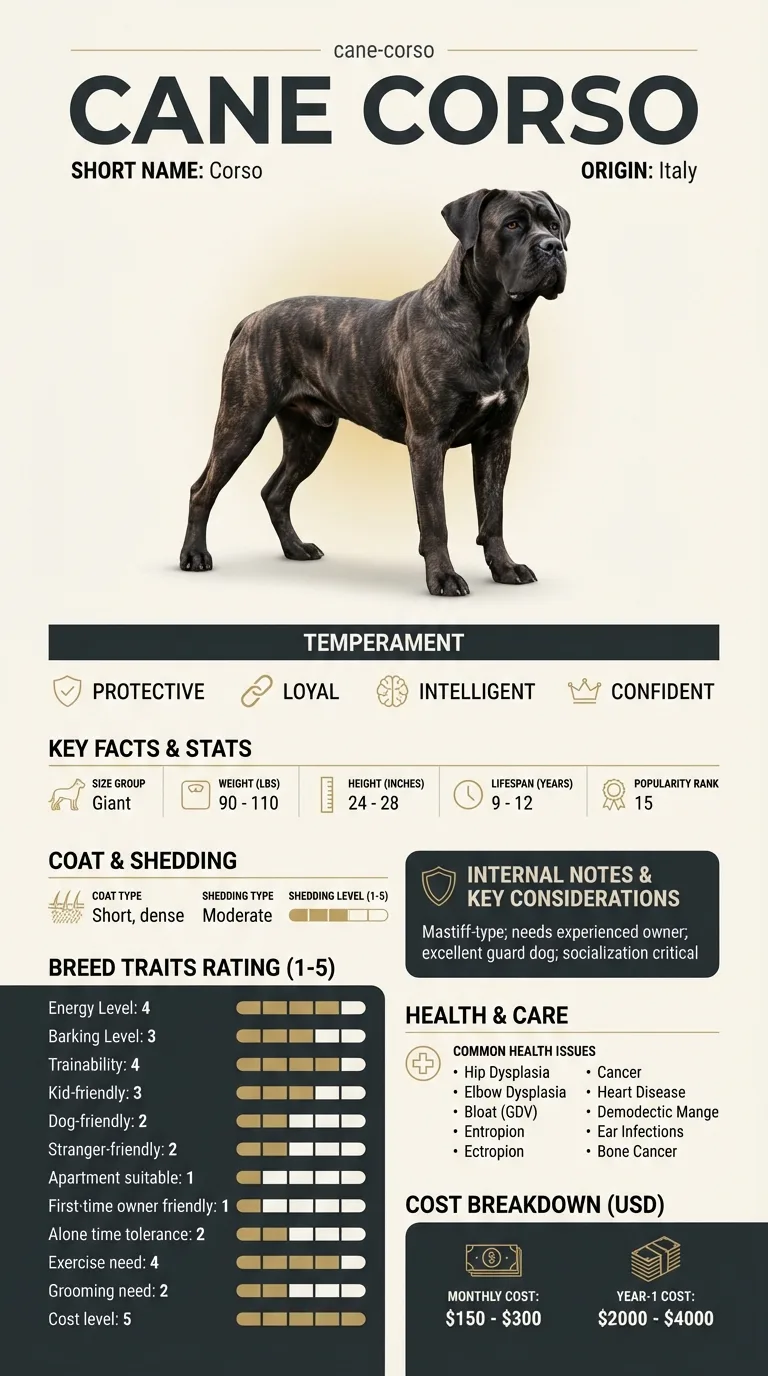
Monthly costs can range from $150 to $300, including vet visits and medications. Budget for potential emergencies and specialized care as needed.

Health

What should I do if my Cane Corso faints?

Stay calm and check for breathing. If they are unresponsive, contact your vet immediately. Avoid moving them unless necessary, as this can cause further harm.

Related DogBreedCompass guides

  • Cane Corso health concernsLearn more about Cane Corso's health issues, including ARVC.
  • Cane Corso arrhythmogenic right ventricular cardiomyopathy (arvc) trainingGet tips on training your Cane Corso to manage ARVC symptoms.
  • Cane Corso ownership costsExplore costs associated with owning a Cane Corso and managing ARVC.
  • Cane Corso behavior problemsUnderstand how to deal with Cane Corso behavior problems linked to health issues.
  • Cane Corso separation anxiety guideFind strategies to help your Cane Corso with separation anxiety.

Related guides