Bulldog (English) Wobbler Syndrome: Causes and Solutions
Quick answer
What are quick tips for Bulldog (English) wobbler syndrome?
Monitor your Bulldog's movements and consult a vet if you notice wobbling or incoordination. Regular check-ups can help catch issues early. Consider physical therapy to strengthen muscles and improve stability.
Bulldog (English) wobbler syndrome can leave your dog with unsteady movements and discomfort. This condition affects their quality of life significantly.
Owners of Bulldogs may find themselves worried as they notice their pets wobbling or having trouble walking. This can be particularly concerning for first-time dog owners who may not know how to address such health issues.
Important reminder
This guide is not medical advice. If your dog shows pain, sudden behavior change, or worsening symptoms, consult a licensed veterinarian.
Some links may be affiliate links. We may earn a commission at no extra cost to you. We only suggest products we believe are helpful for dog owners.
We research and check what we publish, but we do not warrant that any figure, date, price, or statement is accurate, complete, or current, and we accept no liability for any loss, cost, injury, or other harm arising from the use of this site. Use it as one reference among several. You remain responsible for your own decisions and for your dog's care - confirm anything that matters with a licensed veterinarian or another qualified professional before you act on it. Full disclaimer.
Check this first
When Bulldog (English) Wobbler Syndrome is an Emergency
Wobbler syndrome in Bulldogs can be serious. Knowing when to seek immediate veterinary help is crucial for your dog's health. If your Bulldog shows severe signs, such as difficulty walking, sudden weakness in the legs, or paralysis, call your vet immediately.
If any of these apply, call your vet or an emergency clinic now. The rest of this page is for the cases that are not an emergency.
What this problem looks like
Bulldog (English) wobbler syndrome is a serious condition that affects the cervical spine, leading to instability and causing your dog to wobble or have difficulty walking. This issue can show up as a swaying gait, trouble standing, or even falling over. It's particularly distressing for owners to see their beloved pet struggle with basic movements.
Common triggers
Genetic predisposition in Bulldogs
Age-related degeneration
Injury or trauma to the neck area
Obesity, which can exacerbate spinal issues
Wobbler syndrome is quite common among Bulldog (English) breeds, especially as they age. Many Bulldogs show symptoms by the time they reach middle age, making it a significant concern for owners. Understanding this condition is crucial for early detection and management.
Why this happens
Breed factors
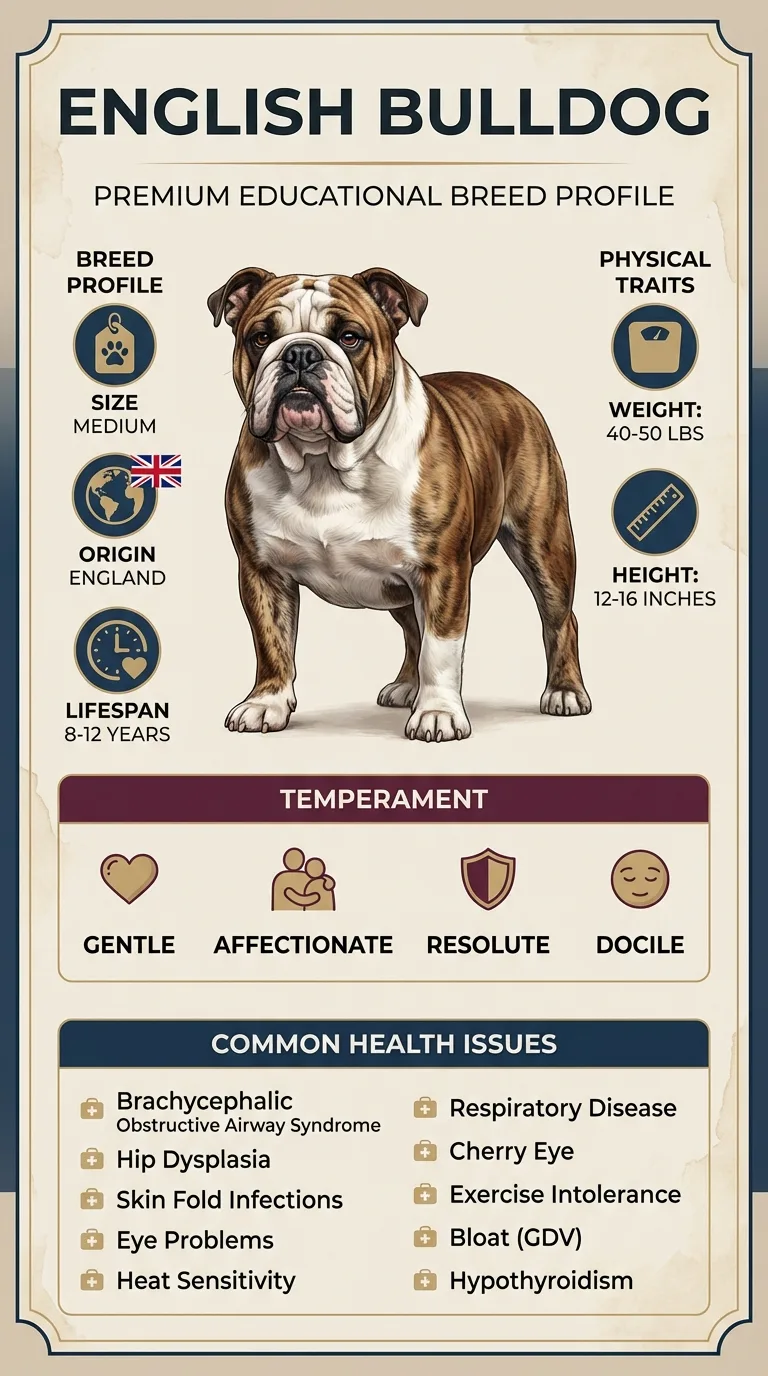
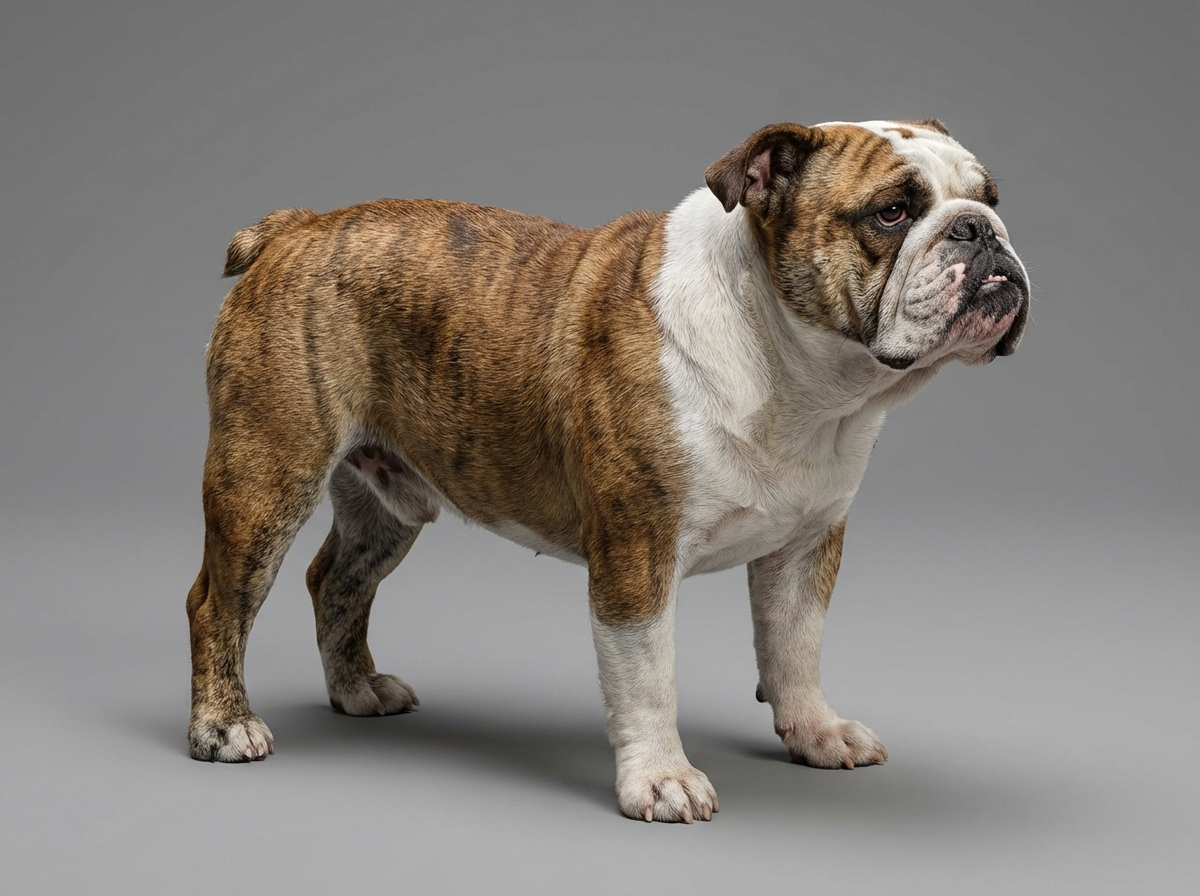
Bulldogs are prone to wobbler syndrome due to their unique anatomy. Their short necks and stocky builds can lead to cervical vertebral instability. This condition is often inherited and is more common in certain breeds, including Bulldogs.
Environment factors
Environmental factors such as obesity can exacerbate wobbler syndrome. Additionally, a lack of proper exercise or activities that put stress on the neck can contribute to the development of this condition. Ensuring a balanced lifestyle is crucial to minimizing risk.
What you can do at home (once it is not an emergency)
When to talk to your vet
It's important to talk to your vet if you notice any signs of wobbler syndrome, such as neck pain or unsteady walking. Your vet can diagnose the condition and recommend treatments, which may include medication or surgery in severe cases.
At home, alongside your vet's plan
Maintain a healthy weight for your Bulldog. Monitor their diet and ensure they get regular, low-impact exercise such as short walks.
Create a safe environment. Remove obstacles and hazards at home that may cause your Bulldog to stumble or fall.
Use supportive harnesses when walking or playing. This can help protect their neck and prevent further injury.
Mistakes that make Wobbler Syndrome worse
Avoiding certain common behaviors can help improve your Bulldog's (English) wobbler syndrome. Here are mistakes to steer clear of and better alternatives.
Ignoring early signs of wobbling: Not addressing the issue when it first appears can lead to more severe complications. If you notice your Bulldog stumbling or having difficulty with balance, consult your vet promptly.
Overexerting your Bulldog: Some owners think that exercise will strengthen their dog, but too much can worsen wobbler syndrome. Focus on controlled, low-impact activities instead.
Neglecting to adjust diet: Feeding a poor diet can contribute to weight issues, which can worsen mobility problems. Ensure your Bulldog has a balanced diet to maintain a healthy weight.
Using harsh training methods: Negative reinforcement can increase anxiety and worsen behavior. Employ positive reinforcement techniques to encourage good behavior without stress.
Skipping veterinary check-ups: Some owners think they can manage the symptoms at home. Regular vet visits are essential to monitor and adjust treatment plans as needed.
Disregarding home environment: Allowing your dog to navigate stairs or slippery floors can lead to further injuries. Make your home safer with non-slip mats and avoid stairs when possible.
Not seeking specialist help: Relying solely on general vet care can delay proper treatment. Consult a veterinary neurologist for tailored advice on managing wobbler syndrome.
It may take several weeks to months to see improvement in your Bulldog's symptoms. Regular care and veterinary check-ups are essential.
Success means your Bulldog is moving more confidently and showing reduced wobbling. They should also be more comfortable during daily activities.
When to Monitor Bulldog (English) Wobbler Syndrome
In less severe cases, you can monitor your Bulldog at home. If your dog occasionally wobbles but is still able to walk and play, keep an eye on their condition. Regular check-ins with your vet can help track any changes.
Bulldog (English) Wobbler Syndrome: Causes and Solutions - When to Monitor Bulldog (English) Wobbler Syndrome
A Journey with Bella: Overcoming Wobbler Syndrome
When Sarah adopted Bella, her English Bulldog, she quickly noticed Bella's unusual wobbling while walking. Concerned, she took Bella to the vet, who diagnosed her with Bulldog (English) wobbler syndrome. Sarah learned about specific training exercises and started a tailored physical therapy routine for Bella, alongside regular vet visits.
After a few months of dedication, Bella's wobbling decreased significantly, and she could enjoy her walks without difficulty.
Key takeaway: With consistent training and support from a vet, Bulldogs with wobbler syndrome can improve their mobility and quality of life.
Frequently asked questions
Why does my Bulldog (English) have wobbler syndrome?
Bulldog (English) wobbler syndrome is often caused by cervical vertebral instability, which affects the spine's stability. This condition can lead to neurological issues, resulting in wobbling or instability in the dog's movements. Genetics, age, and overall health can contribute to the risk of developing this syndrome.
How can I stop Bulldog (English) wobbler syndrome?
While you can't entirely stop wobbler syndrome, early intervention can help manage symptoms. Work with your vet to establish a treatment plan, which may include medication, physical therapy, or surgery in severe cases. Consistent monitoring and supportive care are essential.
Is wobbler syndrome in Bulldogs hereditary?
Yes, wobbler syndrome can have a genetic component, making certain Bulldogs more susceptible. Responsible breeding practices can help reduce the incidence of this condition in future generations. Always choose breeders who prioritize health testing.
What is the typical treatment cost for Bulldog (English) wobbler syndrome?
Treatment costs can range from $500 to $7,000, depending on the severity and chosen treatment options. Regular veterinary care and potential surgical interventions can significantly impact your budget. Be sure to discuss financing options with your vet.
What are the early signs of Bulldog (English) wobbler syndrome?
Early signs of Bulldog (English) wobbler syndrome can include unsteady walking, difficulty rising, and a noticeable wobble in their gait. If you notice these symptoms, it's important to consult your vet for an evaluation.
Can Bulldog (English) wobbler syndrome be treated without surgery?
In some cases, Bulldog (English) wobbler syndrome can be managed with medication and physical therapy. However, for severe cases, surgery may be the most effective option to alleviate pain and restore mobility.
How does age affect Bulldog (English) wobbler syndrome?
Bulldogs are more prone to wobbler syndrome as they age, especially if they have a genetic predisposition. Regular check-ups with your vet can help monitor their health and catch any issues early.
Are certain Bulldogs more likely to develop wobbler syndrome?
Yes, certain Bulldogs, especially those with a family history of cervical spine issues, may be more prone to wobbler syndrome. It's essential to discuss genetic health tests with your breeder if you're considering adding a Bulldog to your family.
What lifestyle changes can help manage Bulldog (English) wobbler syndrome?
To manage Bulldog (English) wobbler syndrome, consider providing a calm environment, minimizing jumping, and ensuring they have a comfortable resting area. Regular, gentle exercise can also help maintain their strength and mobility.
What are quick tips for Bulldog (English) wobbler syndrome?
Monitor your Bulldog's movements and consult a vet if you notice wobbling or incoordination. Regular check-ups can help catch issues early. Consider physical therapy to strengthen muscles and improve stability.
Training
Can training help a Bulldog (English) with wobbler syndrome?
Training can be beneficial, focusing on gentle exercises that promote balance and coordination. Always consult your vet before starting any new training regimen.
Costs
What should I know about Bulldog (English) wobbler syndrome costs?
Be prepared for potential costs ranging from $500 to $7,000 for treatment. Ongoing care and management may also add to your expenses over time.
A fuller vet-visit kit for Bulldog Wobbler Syndrome
The free prep sheet covers the same-day warning signs, a symptom log and the questions to ask. We are considering a fuller kit that adds a cost worksheet for the usual tests and treatments (US price ranges with their sources) and a plain-English guide to ways of covering the bill. It is not built yet; this list tells us whether it is worth building.
One email, no spam, unsubscribe anytime. Information only, not veterinary advice.