Behavior
What should I do if my Bulldog bleeds?
If your Bulldog bleeds, apply gentle pressure to the wound and contact your vet immediately. Quick action can help manage the risk of excessive bleeding.
Bulldog (English) von Willebrand's disease (vWD1) is a genetic bleeding disorder that can significantly impact your dog's health.
Owners of Bulldogs may struggle with vWD1, especially if they notice unusual bleeding or bruising in their pets. This issue can be particularly concerning for first-time dog owners who may not recognize the symptoms or know how to address them.
This guide is not medical advice. If your dog shows pain, sudden behavior change, or worsening symptoms, consult a licensed veterinarian.
Some links may be affiliate links. We may earn a commission at no extra cost to you. We only suggest products we believe are helpful for dog owners.
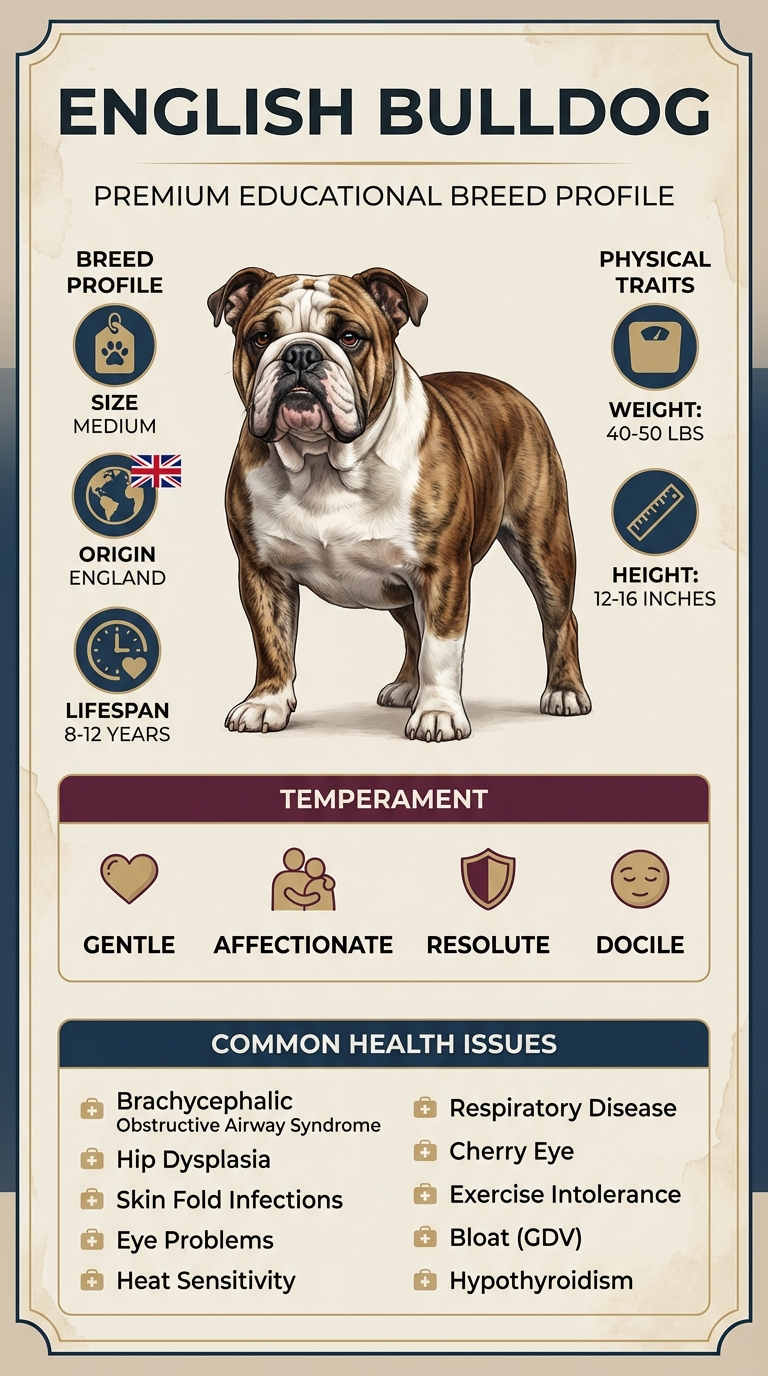
Bulldogs (English) are known for their charming and docile nature, but they can face significant health challenges, including von Willebrand's disease (vWD1). This genetic bleeding disorder affects the blood's ability to clot, leading to excessive bleeding from injuries or surgeries. Day-to-day, you might notice your Bulldog bruising easily or having prolonged bleeding after minor cuts, which can be alarming for owners.
Von Willebrand's disease is relatively common in Bulldogs (English), particularly in those with a family history of the disorder. While not every Bulldog will face this issue, awareness and regular veterinary check-ups are crucial to managing the risks.
Bulldogs (English) can inherit von Willebrand's disease (vWD1) due to a genetic mutation. This condition affects their blood's ability to clot, which can lead to excessive bleeding. It's important to know that not all Bulldogs will have this issue, but it's more common in this breed.
Environmental factors can also contribute to the severity of vWD1 symptoms. Stressful situations, injuries, or even certain medications can exacerbate bleeding issues. Keeping your Bulldog calm and healthy can help manage the symptoms.
If your Bulldog experiences anxiety or stress that affects their behavior, consider hiring a trainer. A professional can help teach them calming techniques and improve their overall temperament.
If you notice any signs of bleeding or unusual bruising, contact your vet immediately. Regular check-ups are essential for managing vWD1 and your vet can provide tailored advice on care and treatment.
Managing Bulldog (English) von Willebrand's disease (vwd1) effectively takes time. Expect to see improvements within 3 to 6 months of consistent care and training.
Success means your Bulldog shows fewer bleeding incidents and responds well to a tailored care plan, allowing them to enjoy a happy, active life.
Addressing Bulldog (English) von Willebrand's disease (vWD1) can be challenging. Here are common mistakes owners make that can hinder progress, along with safer alternatives.
Understanding when to seek immediate help for your Bulldog (English) with von Willebrand's Disease (vWD1) can be crucial. This genetic bleeding disorder can lead to serious health issues. Recognizing red flags versus mild cases can help you make the right decision for your dog’s health.
If your Bulldog shows any of these symptoms, it’s time to call the vet immediately: - Excessive bleeding from cuts or injuries. - Unexplained bruising or bleeding gums. - Blood in urine or stool.
- Signs of weakness or lethargy after bleeding episodes. - Difficulty breathing or rapid breathing. - Swollen abdomen, which may indicate internal bleeding.
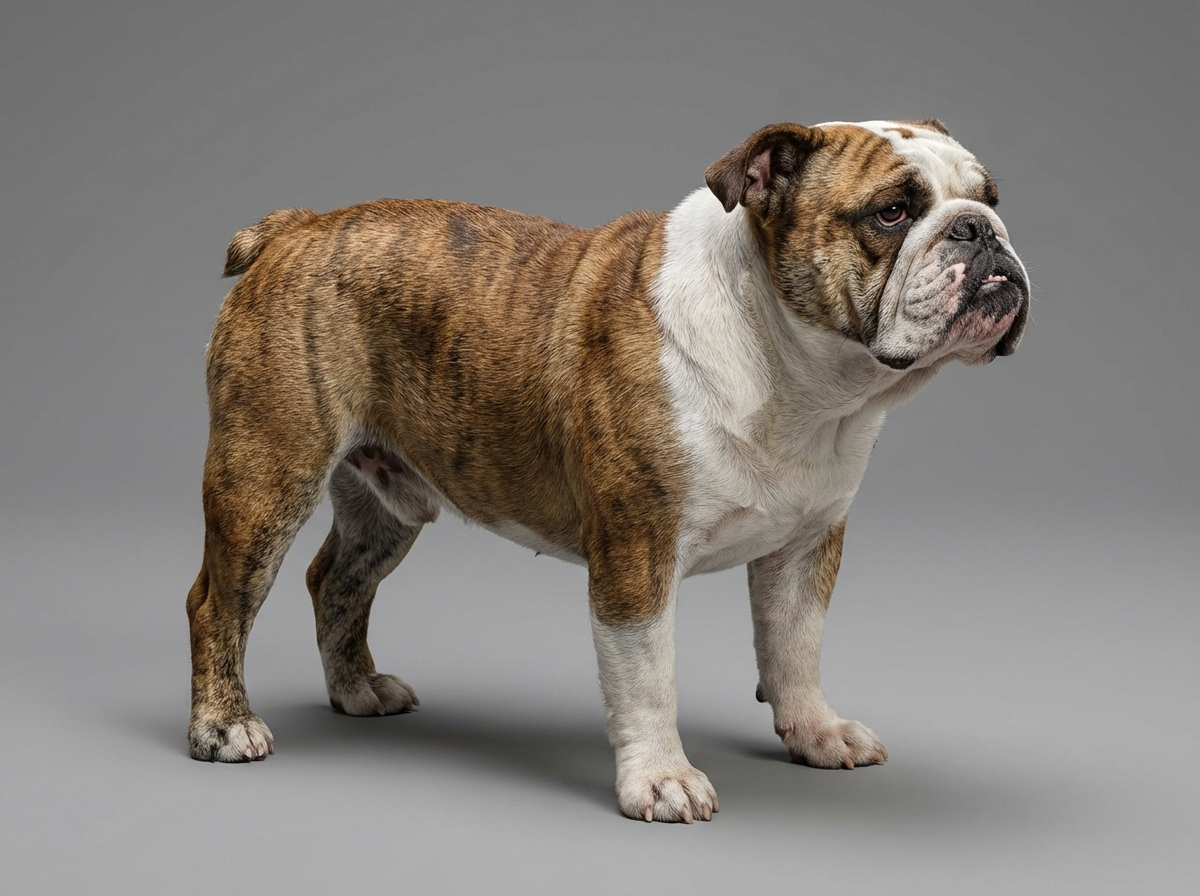
In less severe cases, you can monitor your Bulldog’s condition with a plan. Keep an eye out for these situations: - Minor cuts that stop bleeding quickly. - Occasional nosebleeds that resolve on their own.
- Mild bruising that doesn’t worsen. - Regular check-ups with your vet to monitor overall health.
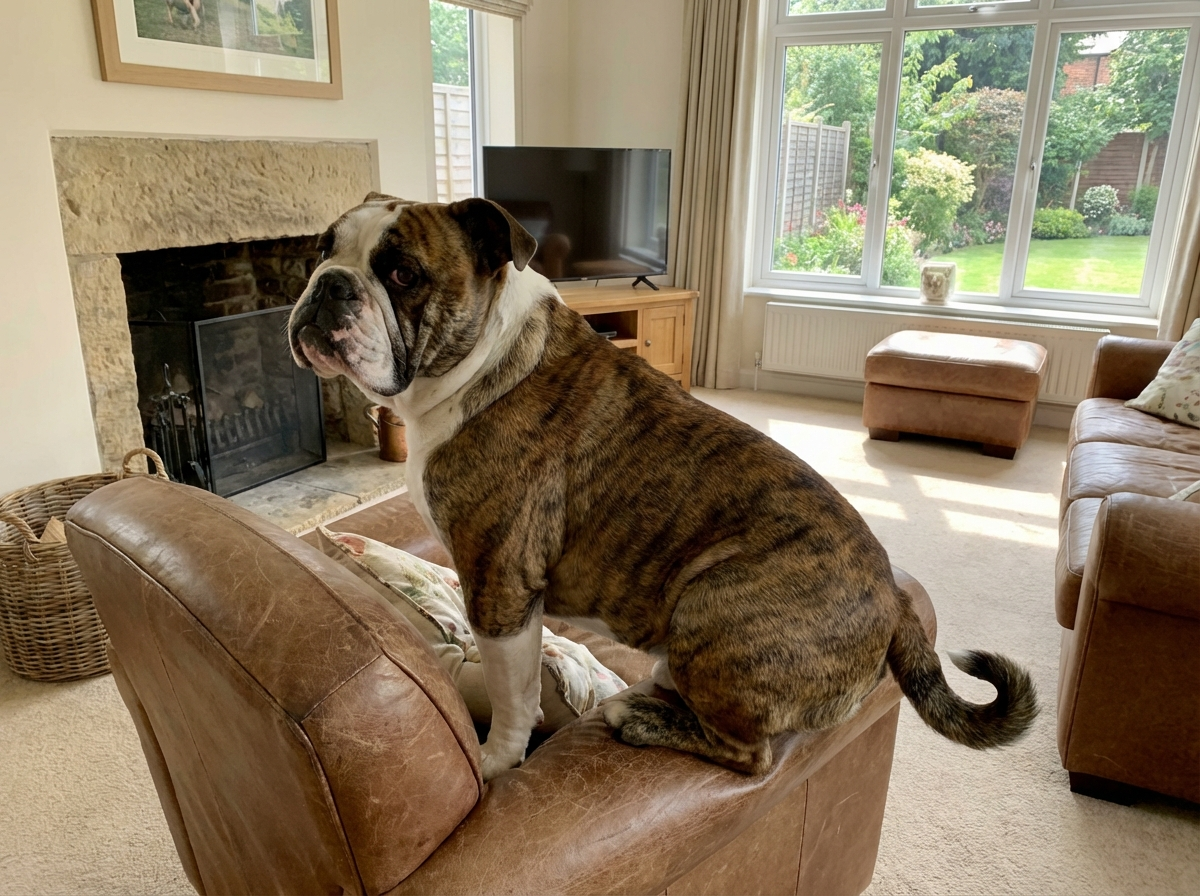
Sarah, a busy nurse from Seattle, adopted Max, an English Bulldog. Soon after bringing him home, she noticed he would bleed easily from minor scrapes. After consulting with a vet, she learned Max had von Willebrand's disease (vwd1). Sarah quickly researched how to manage this condition and adjusted Max's activities to minimize risks. She also joined a local Bulldogs support group for advice and encouragement. Over time, she learned to recognize warning signs and keep Max safe, even allowing him to socialize with other dogs.
Key takeaway: With the right knowledge and community support, managing Bulldog (English) von Willebrand's disease (vwd1) is possible, ensuring your dog leads a fulfilling life.
Von Willebrand's disease (vwd1) is a genetic bleeding disorder common in Bulldogs. It occurs due to a deficiency in a specific clotting protein, making it difficult for blood to clot properly. If you notice unusual bleeding or bruising, consult your vet for testing and guidance. This answer relates to Bulldog (English) von willebrand's disease (vwd1).
Managing vwd1 in Bulldogs involves regular veterinary check-ups and monitoring for signs of bleeding. Your vet may recommend avoiding activities that could lead to injury and may suggest specific treatments to help manage symptoms.
Common symptoms include excessive bleeding from cuts, nosebleeds, or prolonged bleeding after surgery. Some Bulldogs may also exhibit bruising or blood in urine. If you notice these signs, it's essential to contact your veterinarian immediately.
Yes, you can train your Bulldog, but be cautious. Avoid high-impact activities that could lead to injury and bleeding. Focus on gentle training methods and keep sessions short to prevent overstressing your dog.
Treatment options may include medications to promote clotting and lifestyle adjustments to minimize injury risks. In severe cases, a veterinarian may recommend blood transfusions. Always follow your vet's advice for the best care.
If your Bulldog shows signs of vWD1, such as excessive bleeding or bruising, it's crucial to consult your veterinarian immediately. They can perform tests to confirm the diagnosis and recommend a treatment plan tailored to your dog's needs.
Yes, older Bulldogs with vWD1 may experience more severe symptoms or complications due to other age-related health issues. Regular vet check-ups can help monitor their condition and adjust treatments as necessary.
While there's no specific diet to cure vWD1, a balanced and nutritious diet can support your Bulldog's overall health. Always consult your vet for dietary recommendations that suit your dog's condition.
Training a Bulldog with vWD1 should focus on positive reinforcement and low-impact activities. Avoid strenuous exercises that could lead to injury, as these can exacerbate bleeding issues.
The long-term implications of vWD1 can include a higher risk of bleeding and related complications throughout your Bulldog's life. Regular veterinary care and monitoring are essential to manage their health effectively.
If your Bulldog bleeds, apply gentle pressure to the wound and contact your vet immediately. Quick action can help manage the risk of excessive bleeding.
Yes, Bulldogs with vwd1 can lead fulfilling lives with proper management. Regular vet visits and cautious activities are key to their well-being.
Costs can vary, but treatment may range from a few hundred to several thousand dollars annually, depending on the severity and care required.
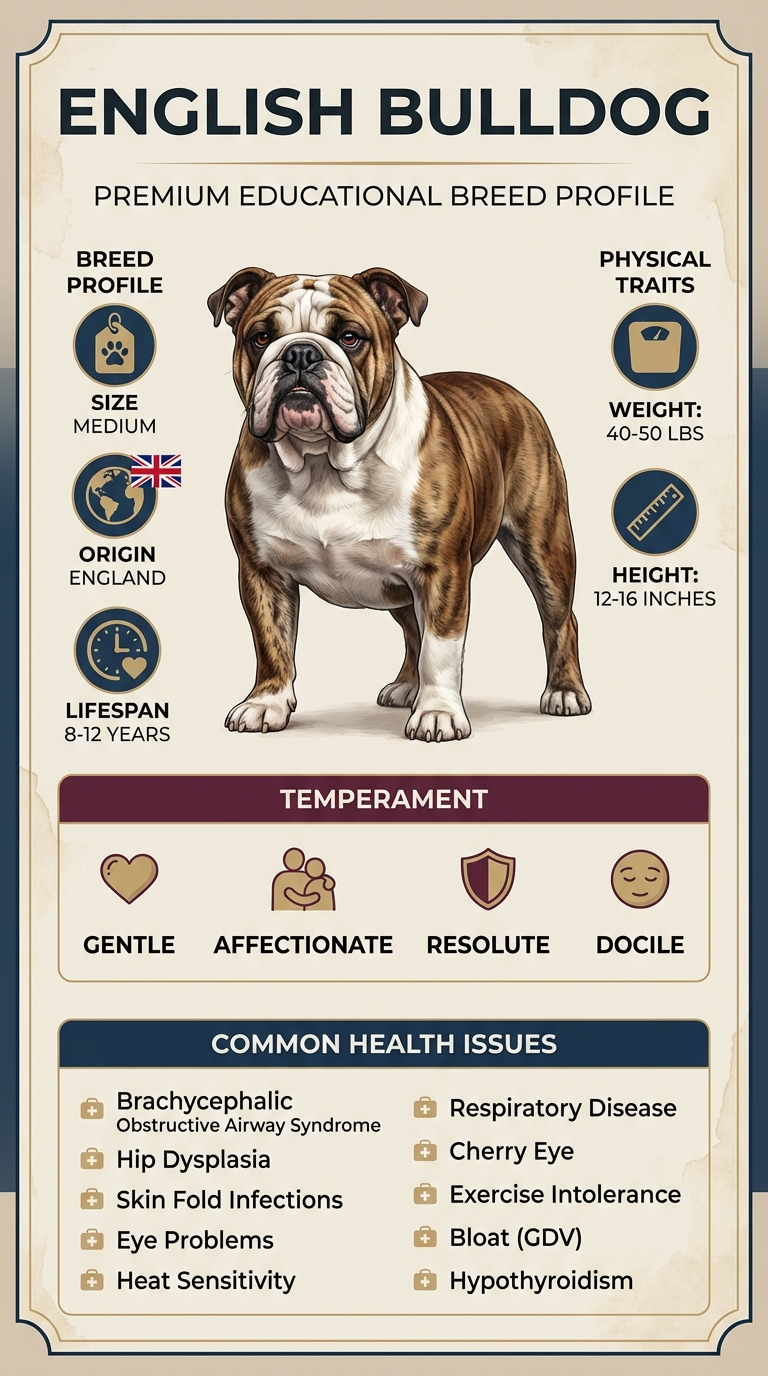
Yes, Bulldogs are generally prone to various health issues, including respiratory problems and skin infections. Regular vet check-ups are essential.