DogBreedCompass
← Back to breed profile

Understanding Bulldog (English) Osteochondritis Dissecans (OCD)

Bulldog (English) osteochondritis dissecans (OCD) can lead to serious joint discomfort in your beloved pet.

Typically, owners of Bulldogs face this challenge due to the breed's predisposition to joint problems. If your Bulldog is showing signs of stiffness or reluctance to play, you might be dealing with OCD.

Important reminder

This guide is not medical advice. If your dog shows pain, sudden behavior change, or worsening symptoms, consult a licensed veterinarian.

Some links may be affiliate links. We may earn a commission at no extra cost to you. We only suggest products we believe are helpful for dog owners.

What this problem looks like

Bulldog (English) osteochondritis dissecans (OCD) is a painful condition affecting the joints, primarily in young dogs. It occurs when the cartilage doesn't develop correctly, leading to discomfort and potential mobility issues. Owners may notice their Bulldogs limping, hesitating to jump or play, or showing signs of pain when touched around the joints.

Common triggers

  • Rapid growth phases in young Bulldogs
  • Excessive weight gain or obesity
  • High-impact activities or rough play
  • Genetic predisposition to joint issues

Osteochondritis dissecans (OCD) is relatively common in Bulldogs, especially those that are overweight or overly active. Many Bulldogs will exhibit symptoms of this condition by their first or second year, making it essential for owners to monitor their dog's joint health closely.

Why this happens

Breed factors

Bulldogs are prone to osteochondritis dissecans (OCD) due to their genetic makeup. This breed often has abnormal cartilage development, leading to joint discomfort. Their medium size and weight can also put extra stress on their joints, increasing the likelihood of this condition.

Environment factors

Environmental factors can exacerbate OCD in Bulldogs. Overweight dogs are more susceptible, so a lack of exercise and poor diet can worsen their joint health. Additionally, rough play or high-impact activities can lead to injuries that trigger or aggravate OCD symptoms.

What you can try

At-home strategies

  • Ensure your Bulldog maintains a healthy weight. Monitor their diet and limit treats to prevent obesity.
  • Encourage low-impact exercises like short walks or swimming to strengthen joints without causing strain.
  • Provide a comfortable resting area with supportive bedding to help your Bulldog relax and reduce joint pressure.

When to consider a trainer

If your Bulldog is exhibiting signs of discomfort or is reluctant to move, consider consulting a trainer. They can offer tailored exercises that promote mobility without risking injury. Trainers experienced with Bulldogs can also help with behavior modification related to OCD.

When to talk to your vet

If your Bulldog shows persistent limping, difficulty getting up, or signs of pain, it's essential to speak with a vet. They can diagnose the severity of OCD and recommend appropriate treatments or medications. Early intervention is crucial to managing your Bulldog's joint health effectively.

Realistic expectations

You can expect to see improvements in your Bulldog's osteochondritis dissecans (OCD) symptoms within 4 to 8 weeks of following a consistent treatment plan.

Success means your Bulldog is more comfortable, showing increased mobility, and is able to engage in light activities without significant pain.

Mistakes that make this worse

When dealing with Bulldog (English) osteochondritis dissecans (OCD), it's easy to unintentionally reinforce the problem. Here are some common mistakes to avoid, along with better alternatives.

  • Ignoring signs of discomfort: Failing to notice when your Bulldog shows signs of pain can lead to worsening conditions. Instead, keep an eye on their mobility and consult a vet if you notice any changes.
  • Over-exercising your Bulldog: While exercise is essential, too much can strain their joints. Stick to short, gentle walks and focus on low-impact activities.
  • Neglecting weight management: Bulldogs can easily gain weight, which puts extra pressure on their joints. Ensure a balanced diet and monitor portion sizes to maintain a healthy weight.
  • Skipping vet check-ups: Regular vet visits are crucial to monitor the progression of OCD. Schedule routine check-ups to catch any issues early and adjust care as needed.
  • Using harsh training methods: Negative reinforcement can increase anxiety and worsen behavior problems. Opt for positive reinforcement techniques to encourage good behavior without stress.
  • Dismissing joint supplements: Some owners overlook joint supplements that can help support joint health. Discuss with your vet whether glucosamine or chondroitin could benefit your Bulldog.
  • Allowing rough play: Letting your Bulldog engage in rough play can exacerbate joint issues. Encourage calmer, more controlled interactions with other dogs.

When Bulldog (English) Osteochondritis Dissecans (OCD) is an Emergency

Recognizing when Bulldog (English) osteochondritis dissecans (OCD) becomes an emergency is crucial for your dog's health. If your Bulldog shows signs of severe pain, such as whining or limping, it's time to call your vet immediately. Other red-flag signs include swelling around the joints, inability to bear weight, or sudden changes in behavior, like aggression or hiding.

These symptoms may indicate a serious issue that needs prompt medical attention.

On the other hand, if your Bulldog is showing mild discomfort, such as occasional limping after play or slight stiffness, you can monitor the situation at home. Keep an eye on their activity levels and adjust playtime to avoid putting too much strain on their joints. You might also consider using joint supplements or modifying their diet to support joint health.

It's important to have a plan in place for these less severe cases, but always consult your vet if you're unsure about your Bulldog's condition.

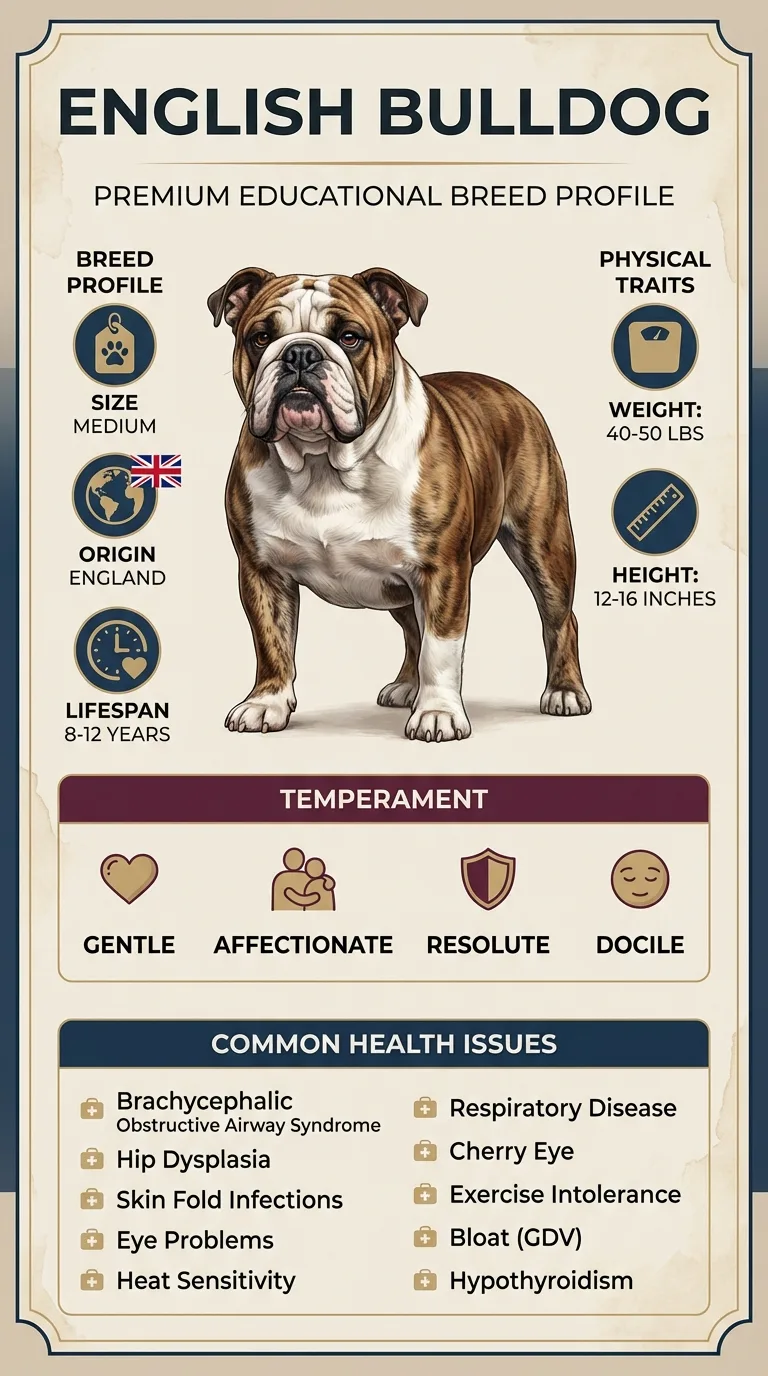
Maggie's Journey with OCD

When Sarah adopted Maggie, her English Bulldog, she noticed Maggie limping and hesitant to play. After a vet visit confirmed osteochondritis dissecans (OCD), Sarah felt overwhelmed. With guidance, she created a structured routine that included gentle exercises and joint supplements. Over the next few months, Maggie gradually regained her energy, allowing her to enjoy the backyard again and even join Sarah on short walks. The bond between them grew stronger as they navigated this challenge together.

Key takeaway: Patience and a tailored approach to managing Bulldog (English) osteochondritis dissecans (OCD) can lead to a happier, more active pet.

Frequently asked questions

Why does my Bulldog (English) have osteochondritis dissecans (OCD)?

Osteochondritis dissecans (OCD) in Bulldogs can occur due to genetic factors, rapid growth, or excessive exercise. It's often seen in medium to large breeds during their growth phase, particularly in young dogs. Keeping an eye on their diet and activity levels can help manage this condition. This answer relates to Bulldog (English) osteochondritis dissecans (ocd).

How can I stop my Bulldog (English) from having osteochondritis dissecans (OCD)?

Preventing OCD involves controlling your Bulldog's weight and ensuring they get appropriate exercise. Avoid high-impact activities, especially during their growth stages. Regular vet check-ups will help catch any potential issues early.

What are the treatment options for Bulldogs with osteochondritis dissecans (OCD)?

Treatment for OCD may include rest, physical therapy, and in some cases, surgery. Your veterinarian can recommend a tailored plan based on your dog's specific needs. It's crucial to follow their guidance to help your Bulldog recover.

What signs should I look for that indicate my Bulldog (English) may have OCD?

Signs of OCD typically include limping, swelling around joints, or reluctance to engage in play. If your Bulldog appears to be in pain or is less active than usual, consult your vet for an evaluation. Early detection can make a big difference in treatment success.

Can I train my Bulldog (English) if they have osteochondritis dissecans (OCD)?

Yes, training can still be beneficial for Bulldogs with OCD, but it should be adjusted to avoid stressing their joints. Focus on gentle, low-impact activities and mental stimulation. Always consult your vet before starting any training program.

What are the early signs of osteochondritis dissecans (OCD) in my Bulldog (English)?

Early signs of osteochondritis dissecans (OCD) in Bulldogs may include limping, reluctance to play, or difficulty getting up after resting. If you notice these symptoms, it's best to consult your vet for an evaluation.

Can older Bulldogs develop osteochondritis dissecans (OCD)?

Yes, older Bulldogs can develop osteochondritis dissecans (OCD), though it is more commonly seen in younger dogs. If your older Bulldog shows signs of joint pain or discomfort, a vet visit is essential to rule out OCD or other joint issues.

How can I manage my Bulldog's osteochondritis dissecans (OCD) at home?

Managing your Bulldog's osteochondritis dissecans (OCD) at home can include providing a comfortable resting area, limiting high-impact activities, and helping maintain a healthy weight. Always consult your vet for specific recommendations tailored to your dog's needs.

Is surgery necessary for Bulldogs with osteochondritis dissecans (OCD)?

Surgery may be necessary for Bulldogs with severe osteochondritis dissecans (OCD) if conservative treatments fail to improve their condition. Your veterinarian can guide you on whether surgery is the best option based on your dog's specific situation.

What is the long-term outlook for Bulldogs with osteochondritis dissecans (OCD)?

The long-term outlook for Bulldogs with osteochondritis dissecans (OCD) varies based on the severity of the condition and the treatment approach. Many Bulldogs can lead active lives with proper management, but ongoing care and monitoring are crucial.

Quick answers

View more answers
Behavior

What are some quick tips for managing Bulldog (English) osteochondritis dissecans (OCD)?

To manage OCD, keep your Bulldog at a healthy weight, limit high-impact activities, and ensure regular vet visits. Gentle exercise and physical therapy can also be beneficial.

Costs

How much does treatment for Bulldog (English) osteochondritis dissecans (OCD) cost?

Treatment costs can vary widely, ranging from a few hundred to several thousand dollars, depending on the severity and type of treatment needed. Always check with your veterinarian for a cost estimate.

Living

Is osteochondritis dissecans (OCD) common in Bulldogs?

Yes, OCD is relatively common in Bulldogs due to their genetic predisposition and growth patterns. Regular vet check-ups can help monitor their joint health.

Health

How can I help my Bulldog (English) cope with joint pain from OCD?

Providing a comfortable resting area, using joint supplements if recommended by your vet, and ensuring they have a balanced diet can help ease joint pain.

Related DogBreedCompass guides

  • Bulldog (English) health issuesLearn about common health issues specific to Bulldogs, including OCD.
  • Bulldog (English) training techniquesExplore training methods that can help manage OCD in Bulldogs.
  • Bulldog (English) ownership costsUnderstand the costs involved with owning a Bulldog, especially regarding health issues like OCD.
  • Bulldog (English) separation anxiety guideFind out how to cope with separation anxiety, which can be common in Bulldogs.
  • Bulldog (English) behavior problemsGet insights into other behavior problems that Bulldogs may face.

Related guides