Behavior
What are Bulldog (English) luxating patellas quick tips?
Keep your Bulldog at a healthy weight and engage in low-impact exercises to support their joints.
Bulldog (English) luxating patellas can lead to painful knee cap dislocations, affecting your dog's mobility and comfort.
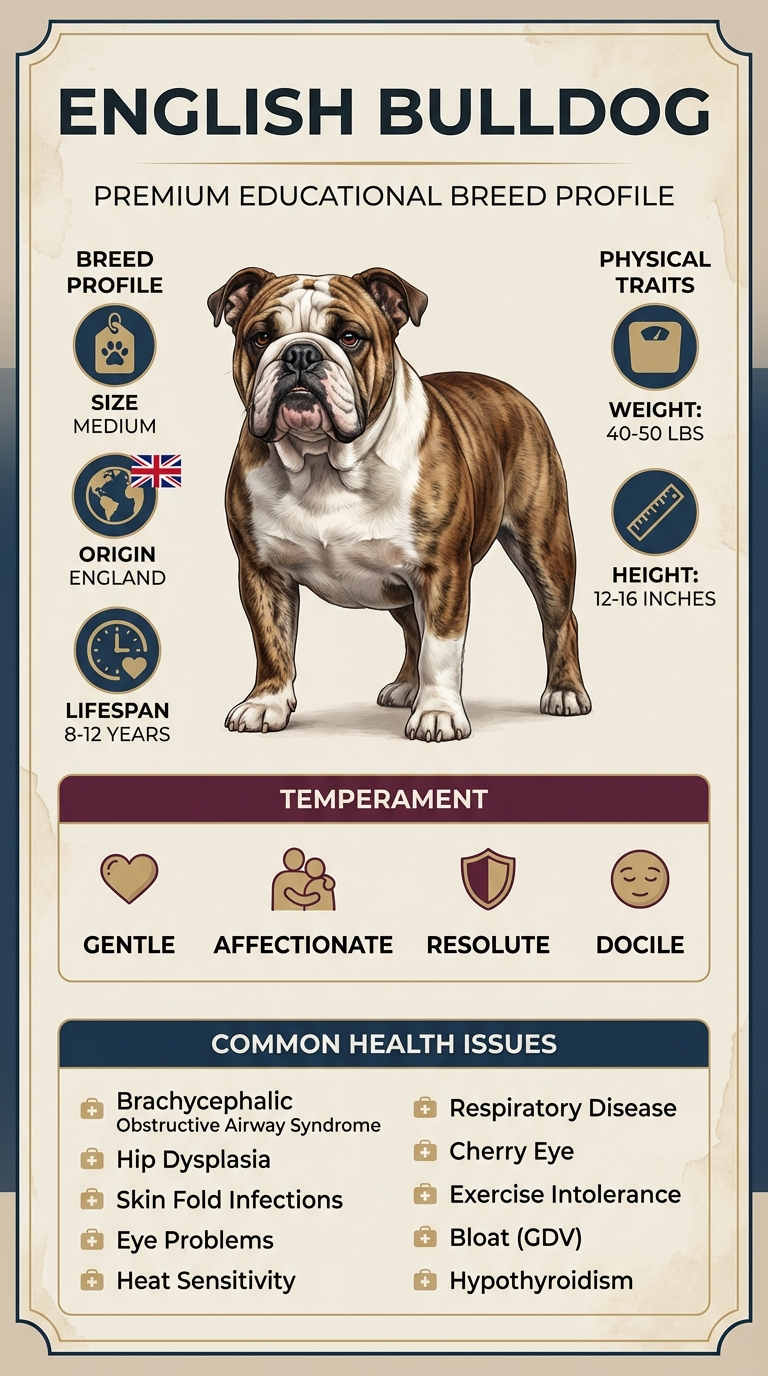
Many Bulldog owners, especially those with active pets or older dogs, may notice signs like limping or reluctance to jump. This issue often frustrates new and experienced dog parents alike, as they seek to improve their dog's quality of life.
This guide is not medical advice. If your dog shows pain, sudden behavior change, or worsening symptoms, consult a licensed veterinarian.
Some links may be affiliate links. We may earn a commission at no extra cost to you. We only suggest products we believe are helpful for dog owners.
Bulldogs (English) can suffer from luxating patellas, a condition where the kneecap dislocates from its normal position. This issue can cause pain, limping, and difficulty walking. Owners often notice their Bulldog favoring one leg or experiencing sudden lameness during play or after exercise.
Luxating patellas are relatively common in Bulldogs (English), especially in younger dogs. Studies show that this condition can affect around 25-30% of Bulldogs, making it a significant concern for owners.
Bulldogs are prone to luxating patellas due to their genetic makeup. Their conformation, especially the shape of their legs and knees, can lead to misalignment and dislocation of the knee cap. This breed's unique physical traits make them more susceptible than others.
Factors in a Bulldog's environment can also contribute to this problem. Excessive weight can increase stress on their joints, while a lack of exercise may weaken the muscles that support their knees. Hard surfaces can exacerbate the issue, making it important to provide a safe and comfortable environment.
If your Bulldog shows signs of discomfort or difficulty in movement, consider hiring a professional trainer. They can help design a suitable exercise regimen and provide techniques to support your Bulldog's joint health.
Consult a veterinarian if your Bulldog experiences persistent limping, pain, or an inability to fully extend their leg. Early intervention can prevent further issues and help determine if surgical options are necessary.
You may start seeing improvements in your Bulldog's luxating patellas within 4 to 8 weeks of consistent training and care.
Success means your Bulldog can move comfortably without pain and can engage in daily activities with enthusiasm.
Owning a Bulldog (English) with luxating patellas can be challenging. Unfortunately, some common mistakes can make the issue worse. Here are a few to avoid.
Understanding when Bulldog (English) luxating patellas becomes an emergency is crucial for your pet's health. Red flags include severe limping, inability to put weight on the affected leg, or signs of intense pain when touched. If your Bulldog is yelping or showing significant distress, it's time to call your vet immediately.
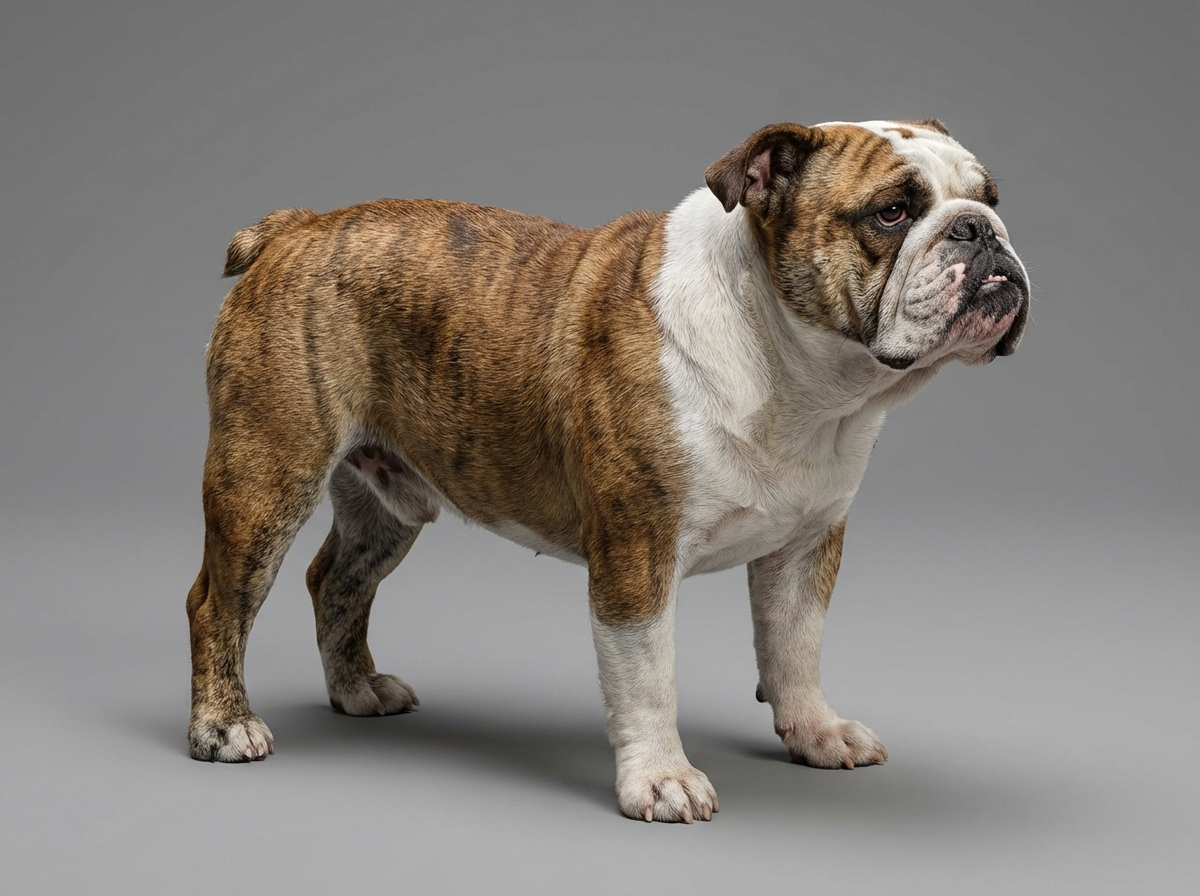
In less severe cases, you can monitor your Bulldog's condition. If they are only occasionally limping or seem to have minor discomfort that resolves quickly, a watchful waiting approach may be appropriate. Keep a record of any changes in behavior, and consider adjusting their activity level to avoid further irritation.
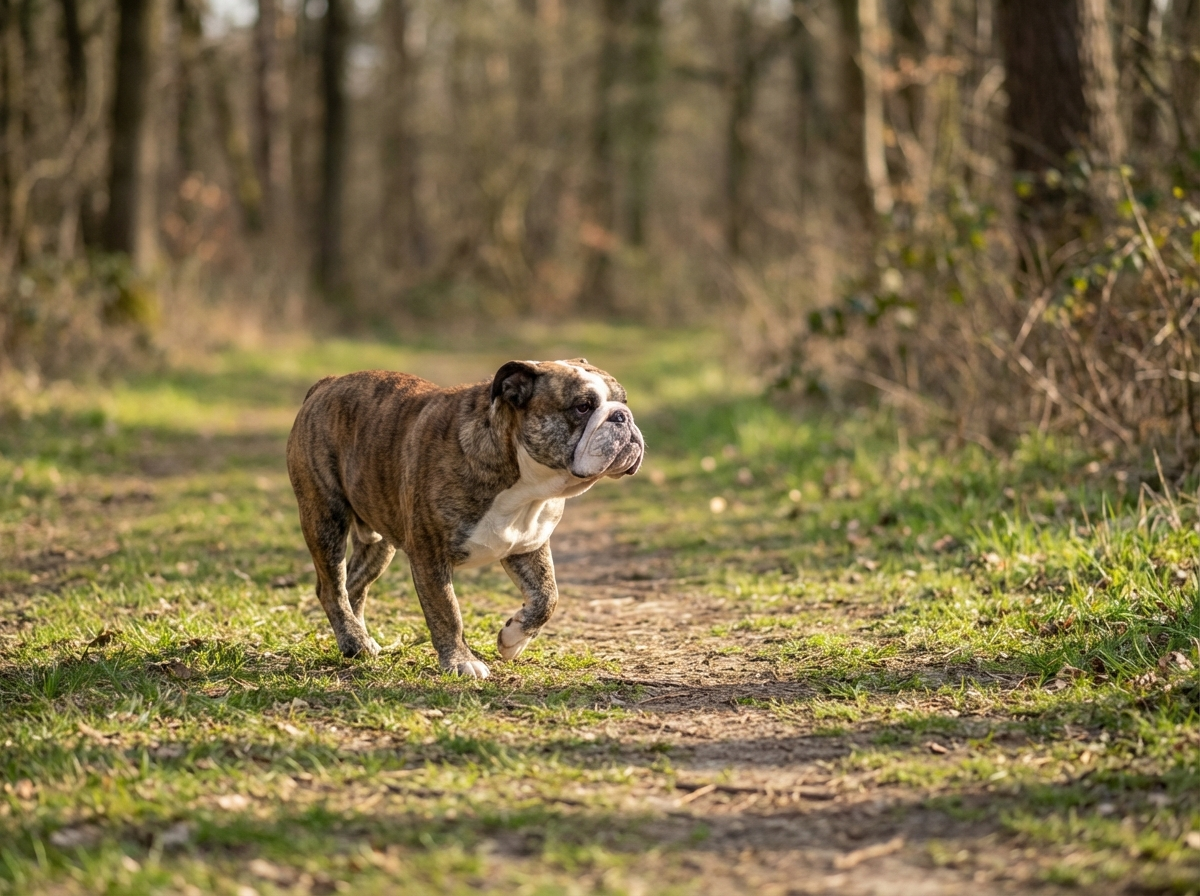
Mia, a busy nurse in Atlanta, noticed her English Bulldog, Max, limping after playtime. After a vet visit, she learned he had luxating patellas. Initially overwhelmed, Mia committed to a training plan that included gentle exercises and weight management. She also consulted a specialist who suggested physical therapy. Over two months, Max's condition improved, and he started to play without discomfort. Mia felt relieved and grateful for the support she received.
Key takeaway: With dedication and the right resources, you can significantly improve your Bulldog's luxating patellas and enhance their quality of life.
Bulldogs (English) can experience luxating patellas due to their genetic predisposition, joint structure, or muscle imbalances. This condition often occurs when the kneecap dislocates from its normal position, leading to pain or difficulty walking. Regular vet check-ups can help monitor your dog's joint health.
Signs of luxating patellas include limping, reluctance to walk, or sudden yelping when the knee is moved. You might also notice your Bulldog trying to straighten their leg or holding it up. If you suspect this, consult your vet for a proper examination.
To help your Bulldog, ensure they maintain a healthy weight to reduce stress on their joints. Gentle exercises like swimming or controlled walks can strengthen muscles around the knee. Consult your vet for specific exercises and to discuss possible surgical options if necessary.
Preventing luxating patellas from worsening involves regular vet visits for check-ups and maintaining a healthy weight. Avoid high-impact activities and ensure your dog gets appropriate exercise. Additionally, consider joint supplements as recommended by your veterinarian.
Training can help your Bulldog develop better muscle support around their joints, which may alleviate some discomfort. Focus on positive reinforcement techniques that encourage gentle movements. Always check with your vet before starting any new training regimen.
Signs of luxating patellas in Bulldogs include limping, difficulty in walking, or your dog holding their leg up. You might also notice them suddenly stopping during play or having trouble getting up after resting. If you observe any of these symptoms, it's best to consult your vet.
In some cases, mild luxating patellas can be managed with physical therapy and weight management. Specific exercises may help strengthen the muscles around the knee. However, if the condition is severe, surgery may be necessary for a long-term solution.
Yes, luxating patellas can become more common as Bulldogs age due to wear and tear on the joints. Older dogs may also have other health issues that can complicate the condition. Regular vet check-ups are important to monitor joint health.
You can help your Bulldog by providing a soft, supportive bed and avoiding slippery surfaces. Weight management is also crucial, as excess weight can worsen the condition. Gentle, low-impact exercise is recommended to keep their joints healthy.
If you notice persistent limping, pain, or if your Bulldog seems to struggle with regular activities like walking or climbing stairs, it's time to see the vet. Early intervention can help manage the condition effectively.
Keep your Bulldog at a healthy weight and engage in low-impact exercises to support their joints.
Treatment costs can vary widely, with surgery potentially costing over $2,000, while non-surgical options may range from $50 to $500.
Look for limping, difficulty jumping, or holding a leg up, which may indicate knee discomfort.
Not always. Many Bulldogs can manage the condition with weight management and physical therapy, but surgery might be needed in severe cases.
Focus on gentle, positive reinforcement training that encourages slow movements and avoids strain on their knees.